Astral at Auburn Costs & Pricing
Astral at Auburn offers competitive pricing for its various room types when compared to both DeKalb County and the broader Indiana state averages. Specifically, the cost of a one-bedroom unit at Astral is $2,599, which positions it as a more economical choice than the county average of $2,957 and significantly lower than the state average of $3,300. For those seeking two-bedroom accommodations, Astral's rate of $3,019 is also favorable compared to DeKalb County's $3,295 and closely aligns with the state figure of $3,208. Additionally, while Astral's studio price stands at $3,219 - slightly higher than DeKalb County's $2,935 but still within reach of Indiana's average - its semi-private option is priced uniformly at $4,999 in both Astral and DeKalb County. Overall, Astral at Auburn presents an attractive range of options that cater to various budget needs without compromising on quality or comfort.
| Floor plans | Astral at Auburn | DeKalb County | Indiana |
|---|
| 1 Bedroom | $2,599 | $2,957 | $3,300 |
| 2 Bedrooms | $3,019 | $3,295 | $3,208 |
| Studio | $3,219 | $2,935 | $3,258 |
| Semi-Private | $4,999 | $4,999 | $3,739 |
Memory care communities with a similar price nearby
-
from -$329 / mo
Cedar Ridge of Fort Wayne
$2,270 to $2,670 / month
18.7 miles away
-
from -$259 / mo
Ascension Living Sacred Heart Village
$2,340 to $2,915 / month
8.4 miles away
-
from +$401 / mo
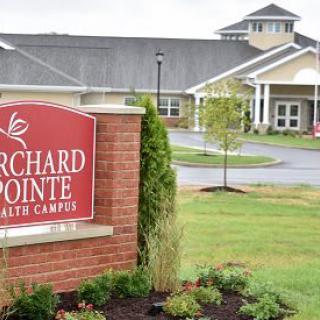
Orchard Pointe Health Campus
$3,000 to $4,500 / month
12.6 miles away
-
About the same
Park Place Senior Living
$2,595 to $5,840 / month
12.3 miles away
-
from -$319 / mo
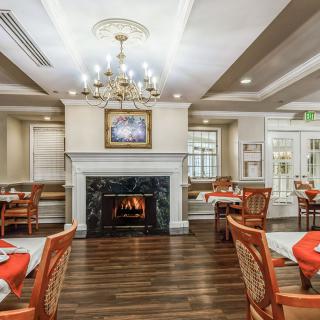
Chapman Place
$2,280 to $4,408 / month
17.8 miles away
Overall Review of Astral at Auburn
common
12 reviews mention this
Dining gets steady praise
Meals and dining service are a frequent positive in resident and family reviews.
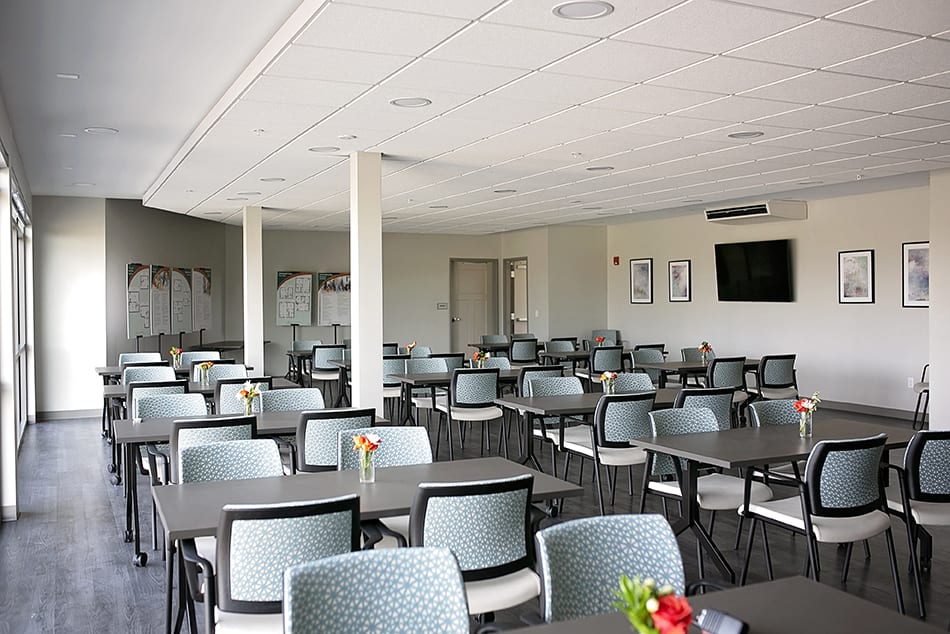
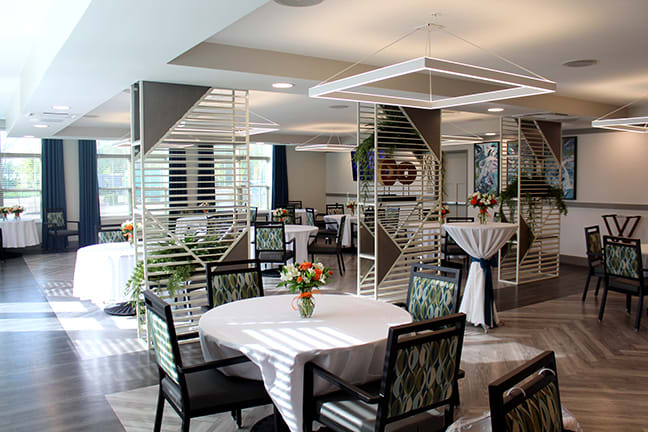
Multiple reviewers describe meals as balanced, well-prepared, and enjoyable, with some calling out great taste and a clean, bright dining room. A few families also mention included meals in the monthly rent and that dining staff help with ordering and delivering food to tables. In memory care, there are also notes that food quality felt different than in other care settings, with one person saying adjustments helped.
common
9 reviews mention this
Activities keep residents involved
Residents and families describe an active schedule with entertainment, groups, and outings.
Several reviews highlight a wide activity mix, including music, bingo, crafts, church services, and other mental stimulation. Families also mention regular events like happy hour and scheduled programs, and one person specifically says the activity options helped keep their loved one engaged. Memory care reviews are more mixed, with at least one family saying there was very little entertainment for that setting and another person calling out that there were pretty much no activities.
common
2 reviews mention this
Value stands out in pricing
Reviewers sometimes frame the cost as a strong value for the care they received.
Some families directly comment on affordability and value, including one review that says the community is a huge value for cost and another that calls it the best value for what they could afford. The listing is also priced below county and state benchmarks across unit types shown in the pricing summary.
caveat
4 reviews mention this
Memory care gets serious complaints
Some memory care reviews report breakdowns in safety, hygiene, and consistent attention.
A group of reviewers raise strong concerns specifically tied to memory care, describing issues around staffing oversight and sanitation, along with residents being left in poor conditions and receiving inadequate support. Others describe feeling that security was handled well, but still say attention and activity opportunities were lacking for their loved one, with one person describing a decline during the stay. In addition, at least one family says food quality in memory care did not match what they saw in assisted living, even after they discussed diet adjustments.
common
9 reviews mention this
Clean facility is a common theme
Many reviewers describe the building and rooms as clean and well maintained.
Multiple families and visitors comment on cleanliness, describing the community as clean, well-kept, and maintained. A few reviews also connect cleanliness to how quickly messes are handled and to an overall sense that the environment is cared for. Memory care reviews are an important counterpoint, with some describing sanitation problems in that unit.
How we summarize
Counts show how many written reviews mention each theme; a review can touch several themes, and only frequently mentioned themes are displayed.

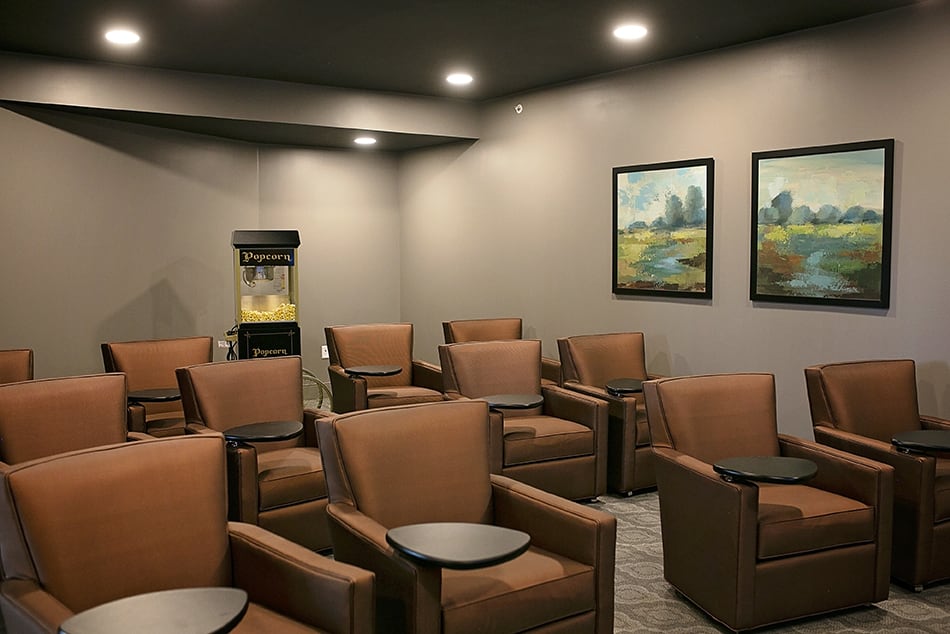
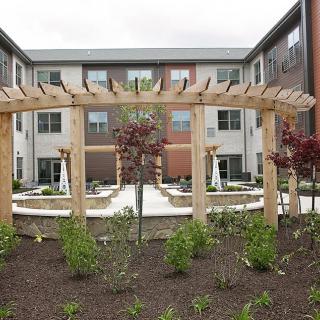
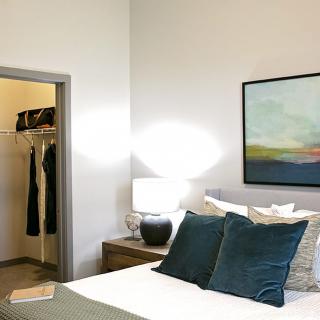
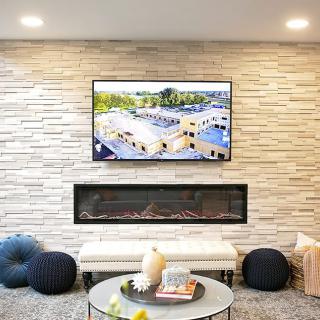
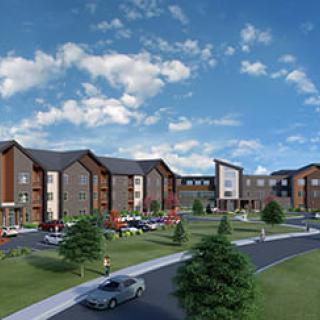
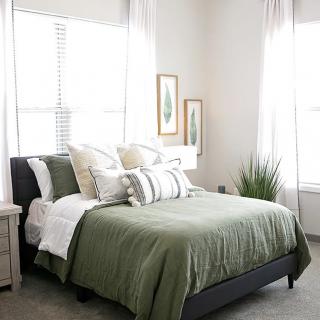
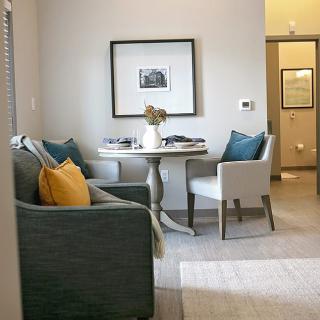
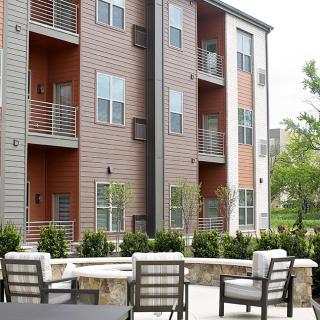
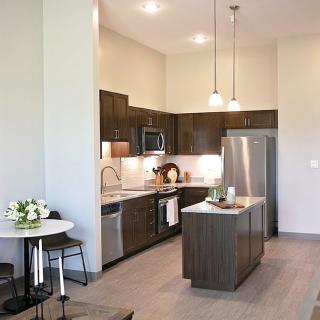
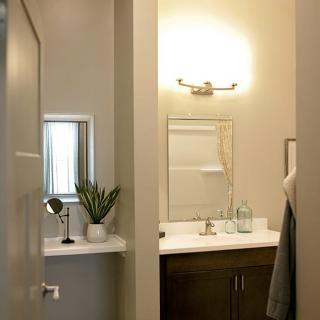
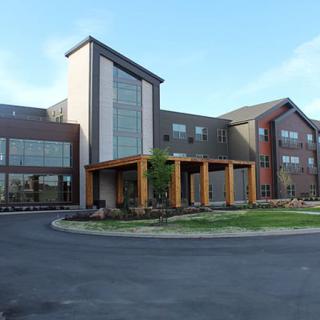
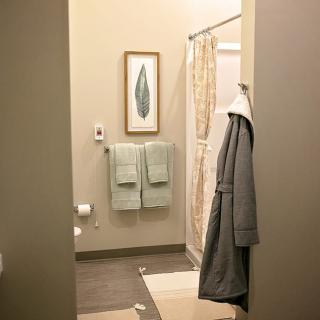
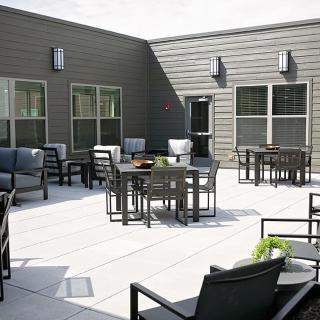
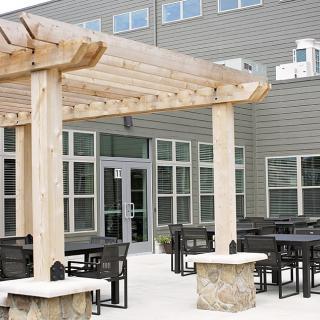
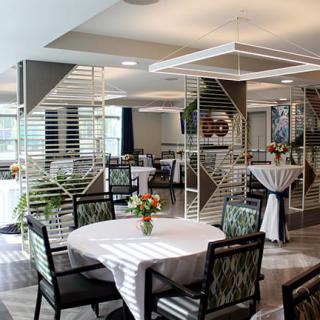
 Assisted Living
 Independent Living
 Memory Care
 Cats allowed
 Dogs allowed
 Activities off-site
 Air-conditioning
 Bath tubs
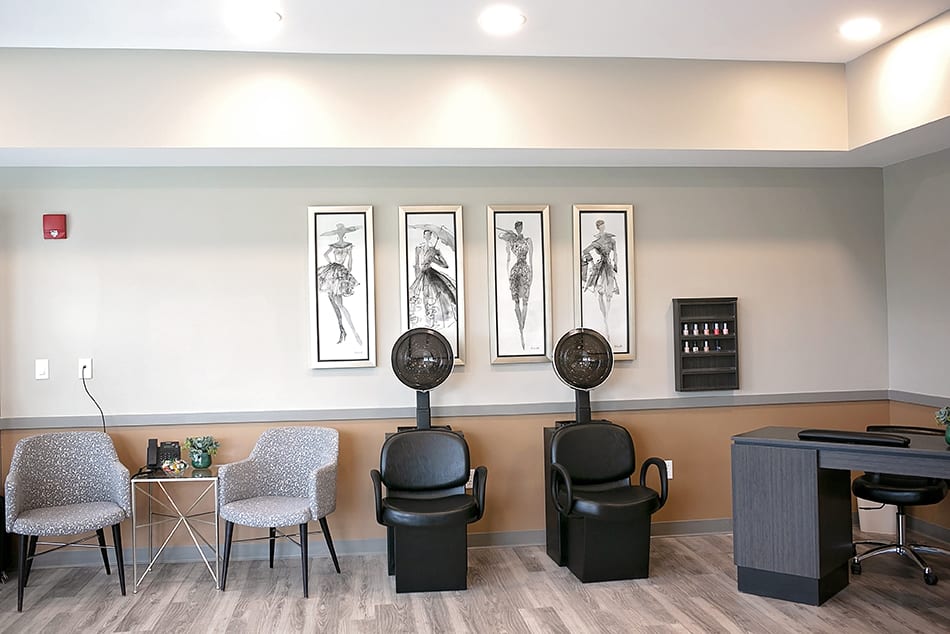
 Beautician on-site
 Cable or satellite TV
 Devotional services on-site
 Full kitchen
 Garden view
 Ground floor units
 Handicap accessible
 Indoor common areas
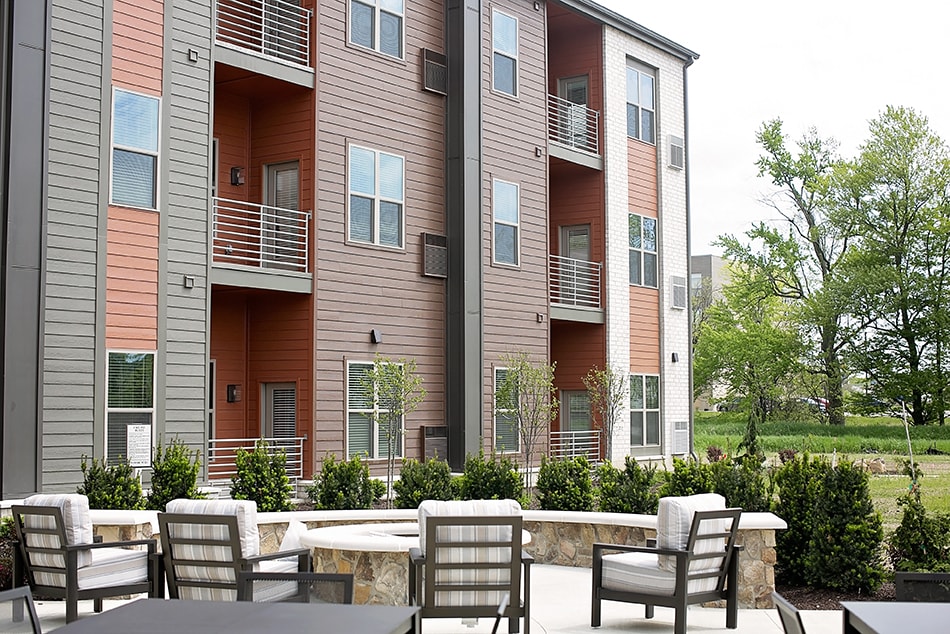
 Outdoor common areas
 Private bathrooms
 Private patio, deck, or balcony
 Respite or short term stays offered
 Swimming pool / hot tub
 Wheelchair accessible showers
 Wi-Fi/high-speed internet available
 Ambulatory care
 Diabetic care
 High acuity care
 Incontinence care
 Medication management
 Anytime dining
 Art classes
 Cooking classes
 Day trips and outings
 Educational speakers / life long learning
 Happy hour
 Karaoke
 Live musical performances
 Live well programs
 Visiting chaplain or priest
 Wine tasting
 Robust amenities, dining, and care services.
 Nourishing the Mind: Essential Dietary Approaches for Dementia
 Understanding Dementia Behaviors: Practical Insights and Strategies for Caregivers
 When Dementia Sparks Anger and Aggression: Understanding the Connection and Ways to Cope