
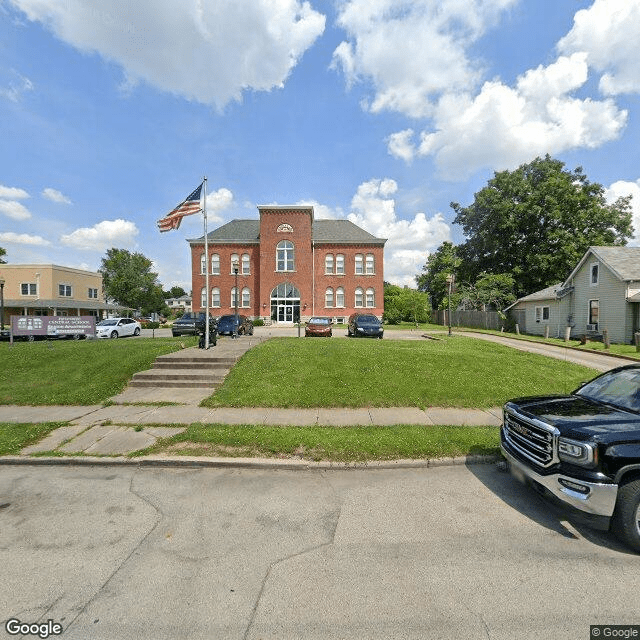
2120 Central Ave, Anderson, IN 46016
To contact a resident: (765) 649-7970
For more information about senior living options: (866) 208-4318
Central School Apartments Costs & Pricing
Central School Apartments offers an attractive rental option with a monthly cost of $535 for a two-bedroom unit, significantly lower than the average rates in Madison County and the state of Indiana. In comparison, Madison County's average monthly rent for similar accommodations stands at $2,277, while the state average peaks at $3,208. This stark difference highlights Central School Apartments as a cost-effective choice for individuals or families seeking quality housing without the financial strain typical in the wider region. By providing affordable living without compromising on comfort, Central School Apartments emerges as a commendable option for budget-conscious renters.
| Floor plans | Central School Apartments | Madison County | Indiana |
|---|---|---|---|
| 2 Bedrooms | $535 | $2,277 | $3,208 |
Senior living communities with a similar price nearby
-
About the same
Benjamin Court
$529 to $620 / month23.6 miles away -
from +$39 / mo
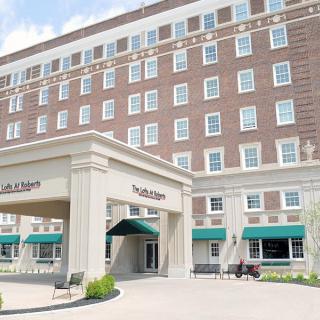
The Lofts at Roberts
$574 / month16.6 miles away -
from -$25 / mo
Beverly Terrace
$510 to $700 / month0.7 miles away
Overall Review of Central School Apartments
Pros
 It is a piece of history.
- It is very nice and cozy.
- There is a great community of neighbors.
- Grocery, gas station, and hospital are all within walking distance.
- The property is under a new landlord with a maintenance team.
- The units seem to be affordable, and the new landlord is willing to work with residents.
- The City is addressing blight in the area.
- It is a great place to call home.
- The building is beautiful.
- The apartments are amazing.
Cons
 The property manager engages in gossip and shares tenants' personal information with others outside the gossip group.
- Other tenants are rude, nosy, and spread rumors that emanate from the historic building to the main building.
- There is gossip, rumors, and threats from other tenants, especially those in the “Clique” that includes the property manager.
- The reviewer would prefer living in Tent City to staying there, indicating very poor living conditions.
- The property manager's response to complaints is dismissive: “Yes, I know, I've had several complaints,” which signals neglect.
- All of the above behaviors are condoned and indulged in by management.
- There are eye sores with blight or abandoned property around the complex.
Review
Central School Apartments in Anderson is best suited for seniors who want character-rich, affordable housing with true neighborhood access, and who are comfortable navigating a social scene that can be lively and imperfect. The building’s history, converted from a school to cozy apartments, appeals to those who value a sense of place and a walkable, small-town feel. Residents who don’t mind a mixed-age mix (primarily seniors with some middle-aged neighbors) and who are willing to engage with a living environment where personal boundaries and gossip can surface will likely feel at home here. This community rewards residents who are pragmatic about social dynamics and who prioritize proximity to groceries, gas, and medical care.
The strongest selling points are clear. The setting feels homey and intimate, with a neighborhood vibe that can translate into real camaraderie among neighbors. The proximity to everyday essentials is a practical bonus, a major convenience for older adults who prefer not to drive long distances for routine needs. A new landlord and an accompanying maintenance team signal potential improvements in responsiveness and upkeep, which matters when choosing a place to settle for the long term. And while there are some blight-related eye sores nearby, the city’s efforts to address those issues create a backdrop of ongoing improvement rather than stagnation. For budget-conscious seniors, the combination of charm, proximity, and promised upkeep makes this a compelling value proposition.
There is a notable undercurrent that tempers those positives. Gossip and social politics intrude on daily life in a way that can feel intrusive or corrosive, especially when management itself participates in or condones the chatter. Personal information about tenants has reportedly been shared outside private circles, and that breach of privacy creates a climate where discretion feels optional rather than expected. The social texture is described by some residents as cliquish, with a contingent of tenants who are loud, nosy, and quick to spread rumors across the property. In parallel, the historic building is associated with a 420-friendly subculture that the main building does not tolerate, introducing tensions that can fracture resident relationships and heighten stress for those seeking a peaceful, low-drama environment. Such dynamics are not minor frictions; they shape daily experience and could escalate or erode trust over time.
Those pros offset or fail to offset the main cons depending on expectations and tolerance. For residents who prize affordability, accessibility, and a sense of community that feels lived-in rather than polished, the positives can outweigh the social friction. The building’s maintenance trajectory under new management, combined with walkable access to essential services, translates into real practical benefits for elderly residents who value predictability and convenience. However, for anyone prioritizing strict privacy, a quiet atmosphere, and a governance culture that refutes gossip, the cons can overwhelm the appeal. In that sense, the same environment that yields neighborly buzz can also yield interpersonal turbulence that affects peace of mind.
For prospective residents, the decision should hinge on three practical checks. First, inquire about the exact building you’d call home, the historic wing versus the main building, and ask about the current social climate, enforcement of quiet hours, and any ongoing efforts to curb gossip and protect resident privacy. Second, probe the landlord’s track record on repairs, fees, and rent stability, especially given the “new landlord” status mentioned in reviews; clarity on what “working with you” looks like in practice matters for those on fixed incomes. Third, test the social temperature during a visit: observe how staff interact with tenants, listen for conversations around boundaries, and speak with a few residents about their day-to-day experience. These steps reveal whether the community’s energy aligns with personal boundaries and expectations.
In the end, Central School Apartments offers a pragmatic mix of charm, affordability, and location that can serve well-structured, socially adaptable seniors who want neighborhood immersion and reasonable upkeep. It stands out as a feasible, budget-friendly choice for those who can tolerate, or even appreciate, a touch of local character, paired with a willingness to live within a dynamic social ecosystem. For those who demand absolute privacy, a uniformly courteous environment, and a governance framework that consistently eliminates friction, alternatives with more formalized resident conduct policies and quieter reputations are worth exploring. The decision hinges on balancing the value of proximity and price against the realities of social atmosphere and administrative culture.
 Active Adult Communities (55+)
 Cats allowed
 Dogs allowed
 Activities on-site
 Air-conditioning
 Bath tubs
 Full kitchen
 Ground floor units
 Handicap accessible
 Indoor common areas
 Outdoor common areas
 Wheelchair accessible showers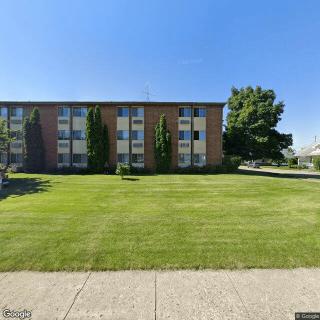


 Understanding the Nuances of Palliative Care and Hospice: A Comprehensive Exploration
 Fecal Incontinence in Older Adults: A Comprehensive Guide
 Nurturing Well-Being Through Gardening: A Detailed Guide for Senior Enthusiasts