Sweet Galilee At The Wigwam

Save

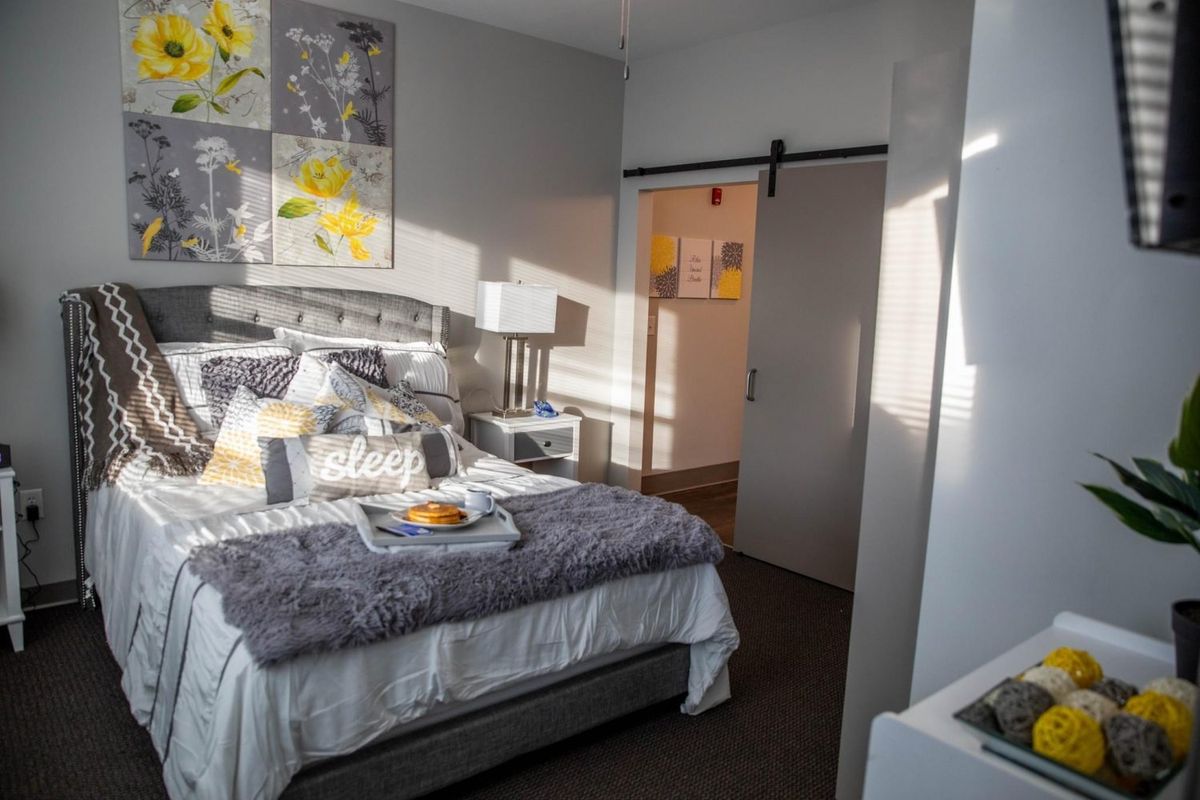
  • Interior

    A cozy and modern bedroom featuring stylish decor and soft natural lighting.
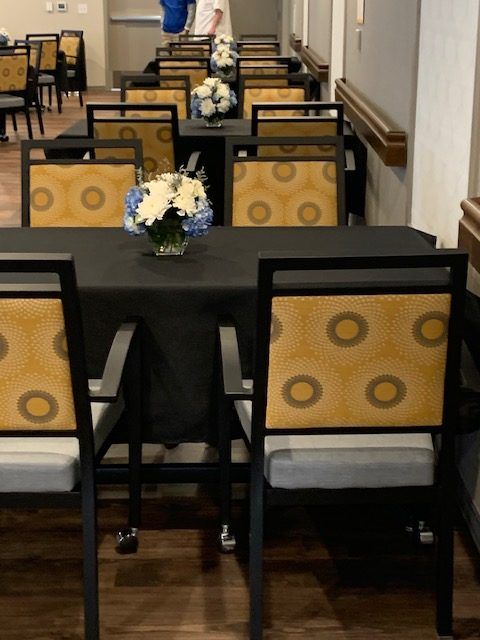
  • Decor

    A dining area with patterned chairs and a table adorned with a floral centerpiece.
  • Living Room

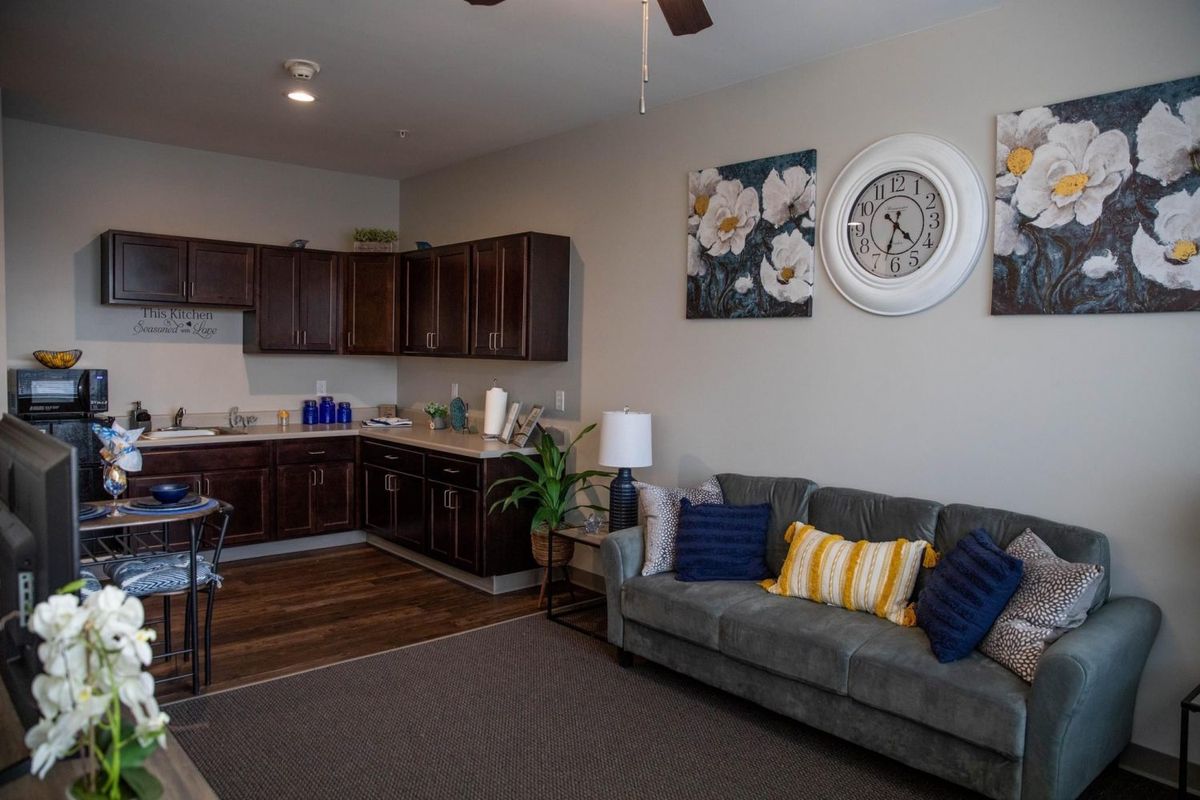
    A cozy living room with a connected kitchen, featuring modern furniture and decor.
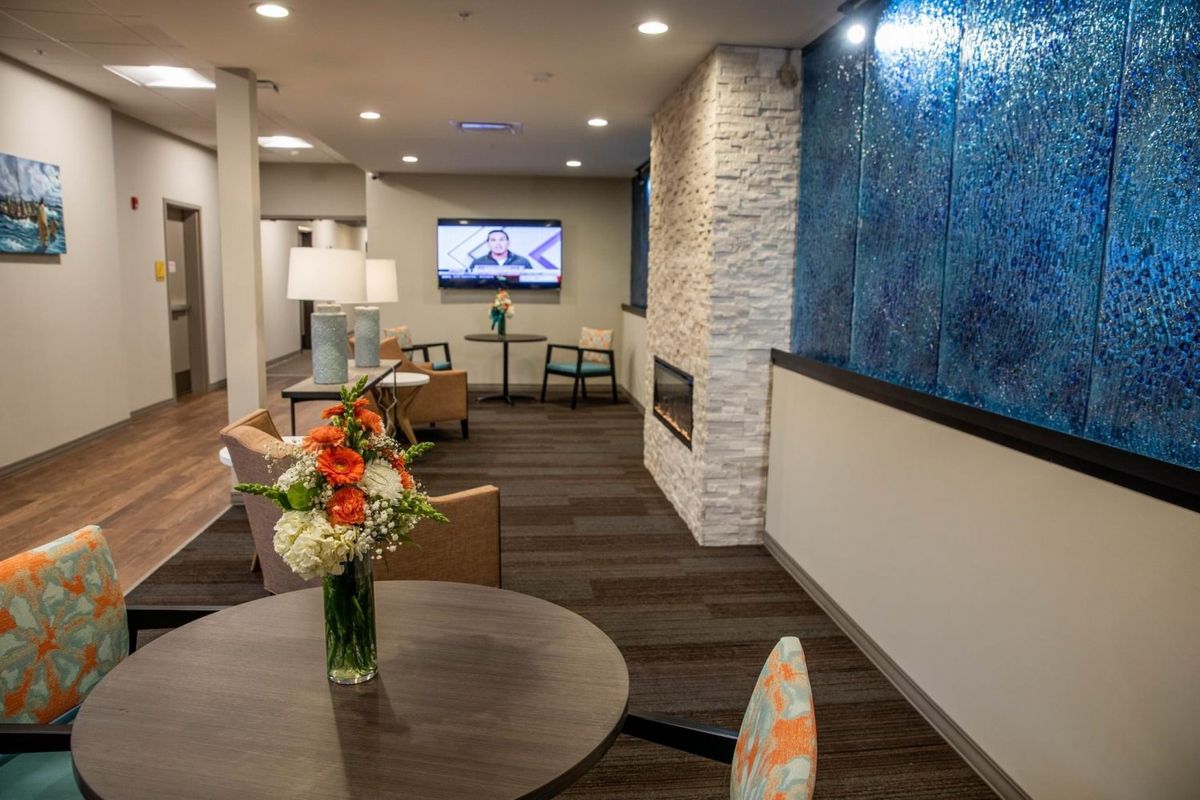
  • Seating Area

    A modern lobby with cozy seating, a fireplace, and stylish decor.
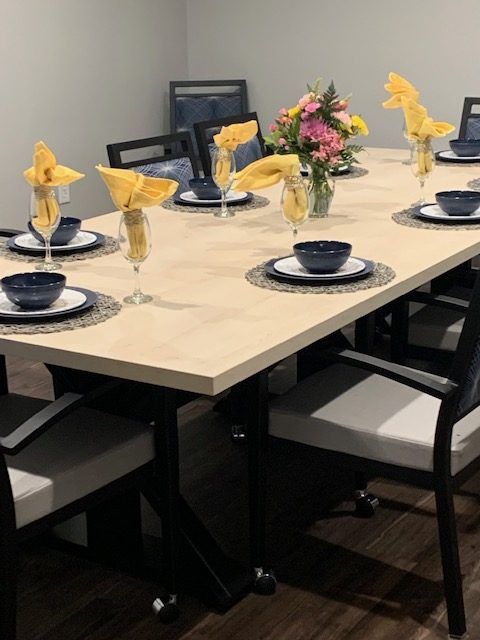
  • Dining Table

    A dining table elegantly set with yellow napkins, blue tableware, and a floral centerpiece.
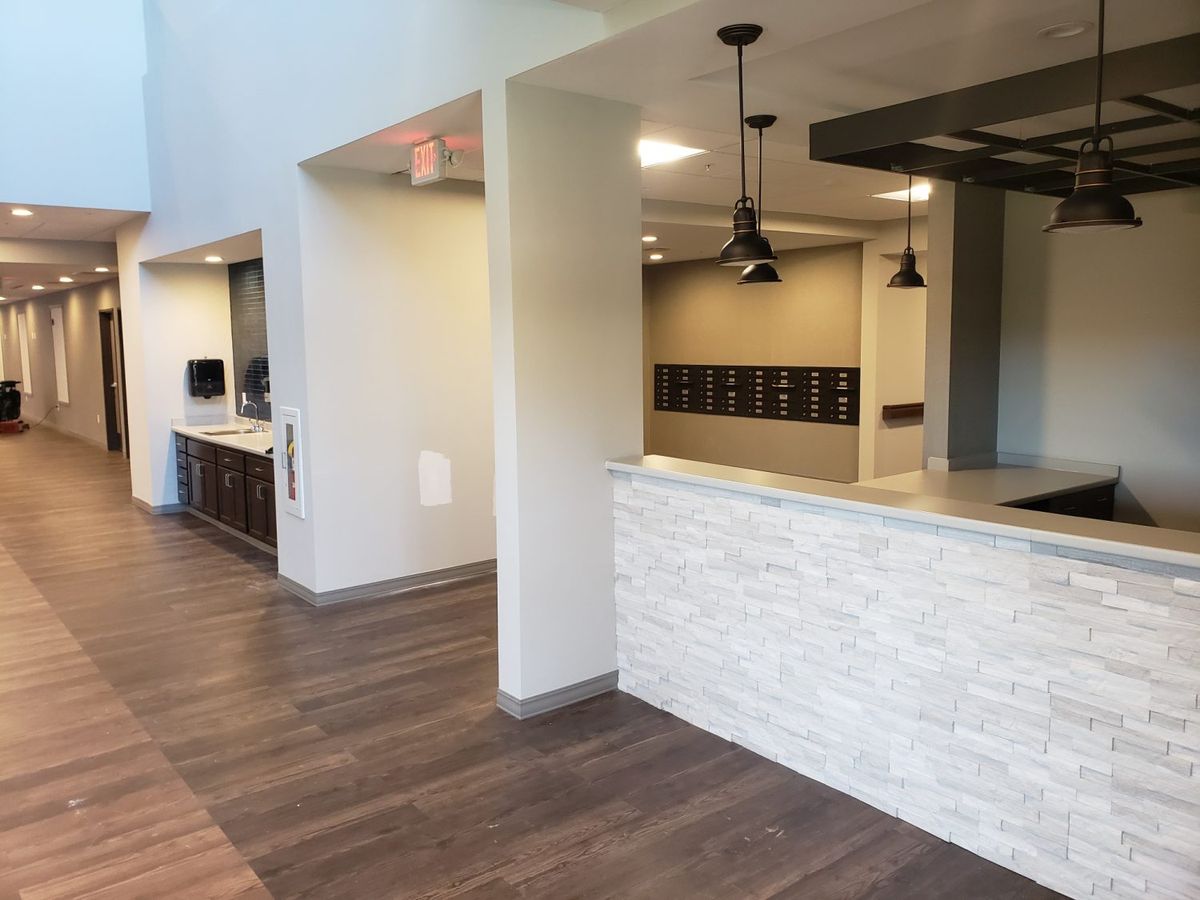
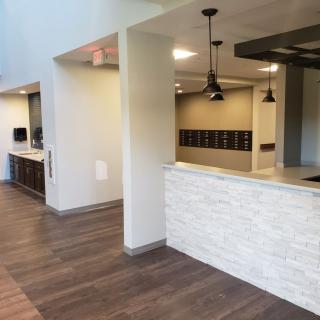
  • Reception Area

    A modern reception area with wood flooring and pendant lighting.

Sweet Galilee At The Wigwam

1315 John Street, Anderson, IN 46016

For more information about senior living options: (844) 490-3973

4 from 22 reviews
5 stars
16
4 stars
1
3 stars
0
2 stars
0
1 stars
5

Assisted Living

Overall Review of Sweet Galilee At The Wigwam

Pros

  • pro Very friendly staff. Beautiful community!
  • pro Jim works wonders in the kitchen!
  • pro Erica is phenomenal at what she does.
  • pro Erica Morgandale is welcoming and professional.
  • pro This place really cares for their residents. Staff is remarkable.
  • pro Such a lovely building.
  • pro The residents looked very happy when I visited.
  • pro The grounds are nicely kept with walking paths and a nice pond.

Cons

  • pro The facility is described as disrespectful and unable to do their jobs.
  • pro Staff are accused of wrongly accusing a resident of medicine overuse and refusing to restock medications.
  • pro The resident's clothes are reported to be stolen during laundry.
  • pro Fall-risk residents are not assisted; nurses allegedly stand by and do not help, with some claiming they are not trained to assist.
  • pro The facility is said to call the fire department inappropriately, and staff claims of training gaps are questioned.
  • pro Front desk coverage is poor; staff rarely answer phones and are rude and unprofessional when they do.
  • pro Management is urged to shut the facility down, with a call for in-person discussions with the CEO or director about the concerns.
  • pro Rent payment policy changes are criticized as inconvenient (removal of debit card payments, forced online/banking information sharing) and poorly explained.
  • pro Bed bugs are reportedly known but residents are moved anyway; staff are described as rude, short-staffed, and CNAs accused of barely doing their jobs; some residents are deemed better suited for a nursing or memory care facility.
  • pro A strong warning is given not to apply to live there.

Review

Sweet Galilee presents itself as a community with real potential for independence, social connection, and supportive care, but the collection of reviews paints a complex and sometimes troubling portrait. On one hand, several residents and visitors describe a beautiful facility with walkable grounds, peaceful surroundings, and an atmosphere that feels like home. They point to clean common areas, well-kept ponds and paths, and a sense of community where staff, residents, and families can feel comfortable, supported, and connected. In these accounts, the building's aesthetic and the promise of tailored activity programming create an appealing backdrop for daily life.

Yet beneath the inviting exterior, many reviews highlight serious concerns about care quality and safety. A number of reviewers allege what appears to be inconsistent care and episodes that raise red flags about how residents are monitored and assisted. One family member recounts a fear around medication management, claiming that their father was accused of overusing medicine when, in their view, he had simply run out and could not obtain a refill. In another stark account, a resident who is a fall risk is described as not receiving timely help after falls, with staff reportedly standing by rather than assisting back to chair or bed, and in one instance responding to a fall by calling emergency services. There are also accusations of theft - clothes disappearing during laundry - which, if true, would indicate a serious lapse in the facility's safeguarding practices.

Safety and protocol concerns extend into emergency response and staff training. A recurring thread in the reviews is the perception that staff are not consistently available, with desks often unmanned and phones going unanswered. When calls are answered, some messages convey frustration and disrespectful tones toward residents and family members. One reviewer even recalls statements suggesting that employees are not trained to provide basic assistance to a resident who is a fall risk, prompting questions about the facility's definitions of "assistance" and the scope of staff responsibilities in an assisted living setting. The gravity of these claims, if reflective of real incidents, points to possible gaps in supervision, training, and accountability that would worry families seeking reliable, respectful care.

Financial and administrative friction also features prominently. A review discusses recent rent payment policy changes that moved payments away from debit card options and toward online banking, a shift described as inconvenient and burdensome for many residents. The writer notes that online rent payments were briefly opened but later shut off again, forcing residents and families to disclose sensitive banking information and creating ongoing frustration with the facility's payment processes. In combination with reports of staffing shortages and occasional communication breakdowns, these administrative headaches can compound residents' daily stress and insecurity about where to turn for help.

Amid these concerns, there are clearly many voices that praise specific individuals and aspects of the community. Several reviews highlight the kindness, hospitality, and competence of particular staff members, and a few residents describe the dining experience, noting good food and a welcoming kitchen environment led by someone named Jim. The presence of a marketing director named Erica is repeatedly mentioned in glowing terms by several outsiders and prospective residents who describe her as welcoming, prompt, and information-rich, making the process of learning about the community feel smooth and supportive. Transportation partnerships are also described positively, with Erica and others from local service providers coming across as helpful touchpoints for residents who rely on off-site trips and appointments.

People who have lived at Sweet Galilee or visited recently describe a strong sense of community and belonging, especially among residents who feel they have found a home where they can participate in activities, socialize, and enjoy a level of independence while receiving support when needed. Reviewers portray a vibrant atmosphere during events such as Assisted Living Week, where staff create opportunities for engagement, fun, and connection, and residents express gratitude for the thoughtful touches and the ability to share laughter and even ice cream together. The sentiment that emerges from these pieces is that when the staff are responsive, the facility shines - residents feel cared for, and families feel that their loved ones are among friends.

Nevertheless, a subset of reviews carries a stark cautionary note. Some critics urge potential residents to steer clear, with strong language cautioning against moving in, and one particularly emphatic post even discouraging anyone from applying at all. The criticisms touch on several difficult issues: perceived indifference or disrespect from staff, concerns about whether some residents would be better suited for a more specialized setting like a full nursing home or memory care, and worries about bed bugs and inadequate handling of infestations. Several accounts describe short staffing as a chronic problem, with CNAs and aides appearing to fall short of expectations for timely, thorough, and compassionate care. Taken together, these assertions suggest that, for some occupants, the facility's strengths are overshadowed by ongoing safety and quality-of-care concerns.

When evaluating Sweet Galilee through the lens of these reviews, a composite picture emerges: a facility with undeniable charm and a genuine sense of community that can, under the right conditions, offer a comfortable and engaging living environment. At the same time, there are persistent, serious concerns about care consistency, safety protocols, staff availability, and administrative policies. The divergence in experiences - from warm receptions and meaningful connections to frustrations with communication and questions about safety - indicates that experiences at the community may vary widely by shift, department, or individual staff member. The overarching takeaway is that families and future residents should approach with careful due diligence: tour the community in person, speak with current residents and families, observe staff interactions, ask pointed questions about medication management, fall prevention, incident reporting, laundry practices, and infection control, and obtain a clear, transparent understanding of how the facility handles emergencies, staffing coverage, and financial policies. Only through thorough firsthand observation and direct conversations can prospective residents gauge whether Sweet Galilee will align with their needs and expectations for dignity, safety, and daily living.

Features

Housing

  • 21 resident community capacity 21 resident community capacity

Types of Care

  • Assisted Living Assisted LivingAssisted living facilities provide crucial support and care for seniors who may need help with daily tasks such as medication management, bathing, and meal preparation. These communities offer a safe and comfortable environment where seniors can maintain their independence while receiving the assistance they need to thrive in their golden years.

Amenities

  • Beauty salon Beauty salonBeauty salons are important for seniors because they provide a space for them to feel pampered, socialize, and maintain their personal grooming and hygiene. Regular visits to a beauty salon can help boost seniors' self-esteem and overall well-being.
  • Cable or satellite TV Cable or satellite TVCable or satellite TV is important for seniors because it provides entertainment, news, and companionship, helping to combat loneliness and boredom. It also offers a wide range of programming options tailored to different interests and preferences.
  • Dining room Dining roomDining rooms are important for seniors as they provide a space for socialization, connection, and nutritious meals. They offer opportunities for residents to bond over shared meals, foster a sense of community, and promote healthy eating habits. Dining rooms also ensure that seniors have access to well-balanced meals tailored to their dietary needs and preferences.
  • Fully furnished Fully furnishedFully furnished senior living communities are important for seniors because they provide convenience, comfort, and a hassle-free moving experience. Seniors can easily settle into their new living space without the stress of having to buy and move furniture. This allows them to focus on enjoying their new home and community.
  • Garden GardenGardens are important for seniors as they provide a peaceful and therapeutic environment for relaxation, physical activity, and socialization. Being in nature has been shown to reduce stress, improve mood, and promote overall well-being. Gardens also offer opportunities for seniors to engage in gardening activities, which can improve mobility, flexibility, and cognitive function. Additionally, gardens create a sense of community and connection with others who share a passion for plants and outdoor spaces.
  • Housekeeping services Housekeeping servicesHousekeeping services are important for seniors because they help maintain a clean and safe living environment, promote independence, and reduce the risk of accidents or illnesses. Additionally, having assistance with household chores can alleviate physical strain and allow seniors to focus on other aspects of their well-being.
  • Kitchenette KitchenetteKitchenettes are important for seniors living in senior living communities because they provide the convenience and independence of being able to prepare simple meals and snacks in the comfort of their own living space. This can help promote a sense of autonomy and well-being for seniors, allowing them to maintain some level of control over their dietary choices and daily routines.
  • Move-in coordination Move-in coordinationMove-in coordination is important for seniors because it helps ease the transition into their new living environment. It ensures that all logistics, such as packing, organizing movers, and setting up utilities are taken care of, allowing seniors to focus on settling in and adjusting to their new home. Having a smooth move-in process can alleviate stress and anxiety, making the transition smoother and more enjoyable for seniors.
  • Outdoor patio Outdoor patioOutdoor patios are essential for seniors as they provide a safe and peaceful space for them to enjoy the outdoors, socialize with friends and family, engage in physical activity, and soak up natural sunlight which promotes overall well-being and mental health.
  • Outdoor space Outdoor spaceOutdoor spaces are important for seniors as they provide opportunities for physical activity, social interaction, exposure to natural light and fresh air, and a sense of connection to nature. Having access to outdoor spaces can improve overall well-being and quality of life for older adults living in senior communities.
  • Telephone TelephoneTelephones are important for seniors as they provide a lifeline for communication with loved ones, emergency services, and healthcare providers. They offer a sense of security and independence, enabling seniors to stay connected and access assistance when needed.
  • Wi-Fi/high-speed internet available Wi-Fi/high-speed internet availableWi-Fi/high-speed internet is important for seniors to stay connected with loved ones, access online resources, and participate in virtual activities to combat feelings of loneliness and isolation. It also allows them to easily manage healthcare needs, access entertainment, and engage in lifelong learning opportunities.

Care Services

  • 24-hour call system 24-hour call system24-hour call systems are important for seniors because they provide peace of mind and immediate assistance in case of emergencies. This technology ensures that help is always available, promoting safety and security for elderly individuals living alone or in assisted living facilities.
  • 24-hour supervision 24-hour supervision24-hour supervision is important for seniors to ensure their safety, well-being, and access to immediate assistance in case of emergencies or health issues. This constant support provides peace of mind for both seniors and their loved ones, allowing them to age in place with dignity and security.
  • Activities of daily living assistance Activities of daily living assistanceActivities of daily living assistance are important for seniors because they provide essential support with tasks such as eating, bathing, dressing, and mobility. This assistance helps seniors maintain their independence, dignity, and overall quality of life as they age.
  • Assistance with bathing Assistance with bathingAssistance with bathing is crucial for seniors as it helps maintain personal hygiene, prevents infections, and ensures their overall well-being and comfort. It also provides a sense of dignity and independence for seniors who may struggle with this task on their own.
  • Assistance with dressing Assistance with dressingAssistance with dressing is important for seniors because it helps maintain their independence, promotes personal hygiene, prevents accidents and injuries, and improves overall quality of life. This service ensures that seniors can continue to dress comfortably and confidently, despite any physical limitations they may have.
  • Assistance with transfers Assistance with transfersAssistance with transfers is crucial for seniors as it helps prevent falls and injuries, maintains their independence, and ensures they can safely navigate their living environment. It also provides peace of mind for both seniors and their loved ones.
  • Coordination with health care providers Coordination with health care providersCoordination with health care providers is crucial for seniors to ensure proper medical care, medication management, and overall well-being. This collaboration helps prevent overlapping treatments, track progress more effectively, and provide comprehensive support tailored to individual needs.
  • Diabetes diet Diabetes dietA diabetes diet is crucial for seniors as it helps manage blood sugar levels, reduce risks of complications, and improve overall health and well-being. By following a balanced and nutritious diet tailored to their specific needs, seniors can better control their diabetes and enhance their quality of life.
  • Meal preparation and service Meal preparation and serviceMeal preparation and service are crucial for seniors as they may have limited mobility or energy to cook nutritious meals. Having access to healthy and convenient food options can ensure they are getting the proper nutrition needed to maintain their overall health and well-being.
  • Medication management Medication managementMedication management is crucial for seniors to ensure they are taking the right medications at the correct dosages and times. This helps prevent adverse drug interactions, reduces the risk of medication errors, and promotes overall health and well-being. Proactive management also allows for adjustments as needed based on changing health conditions or new prescriptions.
  • Mental wellness program Mental wellness programMental wellness programs are essential for seniors as they promote cognitive stimulation, emotional support, and social engagement. These programs help prevent isolation, depression, and cognitive decline, ultimately enhancing the overall quality of life for older adults.
  • Special dietary restrictions Special dietary restrictionsSpecial dietary restrictions are important for seniors because age-related changes in metabolism and health conditions can make it difficult for their bodies to process certain foods. By following a diet tailored to their specific needs, seniors can maintain their overall health and well-being, manage chronic conditions, and reduce the risk of complications such as malnutrition or food interactions with medications.
  • Transportation arrangement (medical) Transportation arrangement (medical)Transportation arrangements for medical purposes are essential for seniors as they may have difficulty driving themselves to appointments or accessing public transportation. Having reliable and safe transportation options ensures that seniors can receive timely medical care and maintain their health and well-being.
  • Transportation to doctors appointments Transportation to doctors appointmentsTransportation to doctors' appointments is crucial for seniors as it ensures they have access to necessary medical care and support for their health needs. Without reliable transportation, seniors may struggle to attend important appointments, leading to potential delays in treatment and health complications. Providing transportation services helps seniors maintain their overall well-being and quality of life.
Dining

  • Diabetes diet Diabetes dietA diabetes diet is crucial for seniors as it helps manage blood sugar levels, reduce risks of complications, and improve overall health and well-being. By following a balanced and nutritious diet tailored to their specific needs, seniors can better control their diabetes and enhance their quality of life.
  • Special dietary restrictions Special dietary restrictionsSpecial dietary restrictions are important for seniors because age-related changes in metabolism and health conditions can make it difficult for their bodies to process certain foods. By following a diet tailored to their specific needs, seniors can maintain their overall health and well-being, manage chronic conditions, and reduce the risk of complications such as malnutrition or food interactions with medications.

Activities

  • Community-sponsored activities Community-sponsored activitiesCommunity-sponsored activities are important for seniors as they provide opportunities for social interaction, mental stimulation, and physical activity. These activities can help improve overall well-being, combat loneliness and isolation, and promote a sense of belonging and purpose among older adults.
  • Resident-run activities Resident-run activitiesResident-run activities are important for seniors as they encourage social interaction, creativity, and a sense of autonomy. These activities empower seniors to stay engaged and active in their community while fostering meaningful connections with their peers.
  • Scheduled daily activities Scheduled daily activitiesScheduled daily activities are important for seniors because they provide structure, socialization, mental stimulation, and physical activity. Engaging in regular activities can improve overall well-being and quality of life for seniors living in a community setting.

Description

Sweet Galilee At The Wigwam is a comfortable and fully furnished assisted living community located in Anderson, IN. Our spacious accommodations are designed to provide a home-like atmosphere for our residents.

We offer a variety of amenities to ensure the comfort and convenience of our residents. Each room is equipped with cable or satellite TV, Wi-Fi/high-speed internet, and a telephone for easy communication. Our community also features a dining room where delicious meals are served daily, prepared according to special dietary restrictions if needed. Residents can enjoy spending time outdoors on our patio or in the garden, and we provide move-in coordination services to assist with the transition.

The care services at Sweet Galilee At The Wigwam are tailored to meet the individual needs of each resident. Our compassionate staff provides 24-hour supervision and assistance with activities of daily living such as bathing, dressing, and transfers. We work closely with health care providers to coordinate any necessary medical care and medication management. Our mental wellness program ensures that residents receive the support they need for their emotional well-being.

Residents at Sweet Galilee At The Wigwam can participate in resident-run activities and enjoy scheduled daily activities that promote engagement and socialization within the community.

Our location offers convenient access to various amenities in the surrounding area. With four cafes, six parks, nine pharmacies, 25 physicians, 29 restaurants, two transportation options, three places of worship nearby, and 11 hospitals in close proximity, residents have easy access to essential services and recreational opportunities.

At Sweet Galilee At The Wigwam, we strive to provide personalized care in a welcoming environment that promotes independence, socialization, and overall well-being for our residents.

Videos

Nearby Places of Interest

Cafes

  • Jackrabbit Coffee (0.1 miles)
  • Bobber's Cafe (1.9 miles)
  • Starbucks (2.8 miles)
  • Panera Bread (3.2 miles)
  • Starbucks (6.4 miles)

Restaurants

  • McDonald's (0.3 miles)
  • Creatures of Habit Brewing Co. (0.4 miles)
  • Burro Loco (0.5 miles)
  • Train Stop Deli (0.6 miles)
  • Frisch's Anderson Big Boy (1.2 miles)
  • Lee's Famous Recipe Chicken (1.2 miles)
  • Taco Bell (1.2 miles)

Physicians

  • Anderson Center For Sight (0.5 miles)
  • Christopher Melin Md (0.6 miles)
  • Central Indiana Otolaryngology (0.6 miles)
  • David L Martin (0.6 miles)
  • St Johns Medical Arts (0.6 miles)
  • Women's Health Specialists (0.7 miles)
  • Anderson Family Medicine (0.7 miles)

Pharmacies

  • Genoa Healthcare Center For Mental Health (0.5 miles)
  • CVS Pharmacy (1.2 miles)
  • Marsh Pharmacy (1.6 miles)
  • CVS Pharmacy (1.9 miles)
  • CVS Pharmacy (1.9 miles)
  • Walgreens (2 miles)
  • CVS Pharmacy (2.3 miles)

Hospitals

  • St Vincent Anderson Regional Hospital (0.6 miles)
  • St Johns Hospital (0.6 miles)
  • Saint John's Cancer Center (0.7 miles)
  • St John's Regional Balance Center (0.7 miles)
  • Anderson Center Saint John's Health System (0.7 miles)
  • Tahir, Nighat Dr-Community Rheumatology/Anderson (1.9 miles)
  • Comfort Shoppe (1.9 miles)

Parks

  • Fairview Park (1 miles)
  • Shadyside Activity Center (1.6 miles)
  • Shadyside Park (1.7 miles)
  • Shadyside Trails (2 miles)
  • Pulaski Park (2.4 miles)
  • Mounds State Park (3.6 miles)

Transportation

  • Anderson Train (1.6 miles)
  • Enterprise Rent-A-Car (2.7 miles)

Places of Worship

  • Grace Baptist Church (3.3 miles)
  • Madison Park Church of God (3.9 miles)
  • Florida Station Church Of God (4 miles)

Frequently Asked Questions

Where is Sweet Galilee At The Wigwam?
What photos are available for Sweet Galilee At The Wigwam in Anderson, Indiana?

Nearby Communities

Related Resources

  • when to move from assisted living to nursing home8 Key Indicators That Suggest It May Be Time to Transition from Assisted Living to Skilled Nursing Care

    The transition from assisted living to skilled nursing care is often prompted by complex medical needs that assisted living cannot meet, with key indicators including frequent health declines, increased falls, severe memory issues, and caregiver burnout. Families should recognize these signs early to discuss options with healthcare providers and prepare for the emotional and logistical aspects of moving to a facility that offers comprehensive medical support.

  • active senior livingVibrant Senior Living: A Comprehensive Guide for Active Older Adults

    Vibrant Senior Living emphasizes active senior living communities that promote independence and engagement through diverse amenities and activities, fostering wellness and social interaction among older adults. These communities range from independent to assisted living, with a focus on personal growth, family involvement, financial planning, and leveraging technology to enhance residents' experiences.

  • when to move from assisted living to memory careWhen to Transition from Assisted Living to Memory Care: Key Indicators, Steps, and Finding the Right Community
    Transitioning from assisted living to memory care is driven by an individual's cognitive decline and specific needs, requiring careful evaluation of indicators like increased confusion and wandering. The process involves consulting medical professionals, researching suitable communities, considering financial and legal aspects, and ensuring effective communication for personalized care plans.