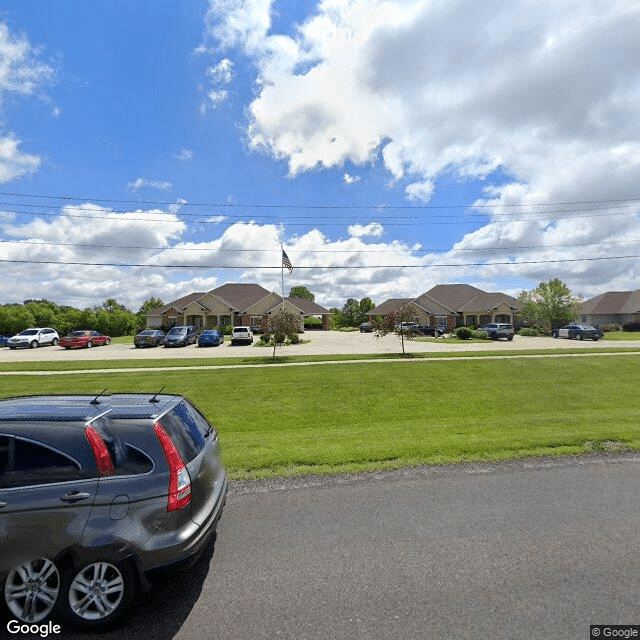
4008 Cockrell Lane, Springfield, IL 62711
For more information about senior living options: (866) 208-4318
River Birch Estates At Cockrell 4008 Costs & Pricing
At River Birch Estates At Cockrell 4008, the costs for various room types reflect a competitive pricing strategy compared to both Sangamon County and the broader Illinois market. For a semi-private room, the monthly fee is set at $4,500, slightly above the county average of $4,385 but notably lower than the state average of $5,146. The studio option is priced at $5,100, which is significantly higher than the county's average of $3,403 and the state's average of $4,028. Lastly, for those seeking one-bedroom accommodations, River Birch Estates offers this option at $5,700; again above Sangamon County's average of $3,186 but still higher than Illinois' overall average of $3,527. These figures suggest that while some room types at River Birch may be priced above local averages, they could offer amenities or services that justify these costs in comparison to similarly positioned facilities in the region.
| Floor plans | River Birch Estates At Cockrell 4008 | Sangamon County | Illinois |
|---|---|---|---|
| Semi-Private | $4,500 | $4,385 | $5,146 |
| Studio | $5,100 | $3,403 | $4,028 |
| 1 Bedroom | $5,700 | $3,186 | $3,527 |
Memory care communities with a similar price nearby
-
About the same
Reflections Memory Care Chatham
$4,500 to $5,500 / month4.6 miles away -
About the same
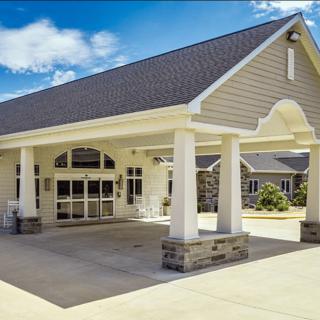
Reflections Memory Care - Chatham
$4,400 to $4,725 / month4.5 miles away -
from +$750 / mo
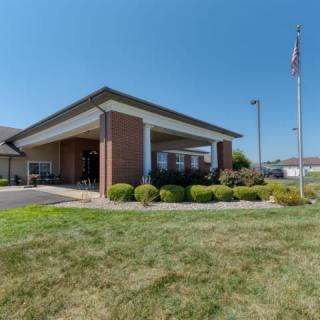
Cedarhurst Of Springfield, IL
$5,250 to $6,900 / month3.1 miles away -
from -$850 / mo
Trustwell Living of Springfield
$3,650 to $6,235 / month2.2 miles away -
About the same
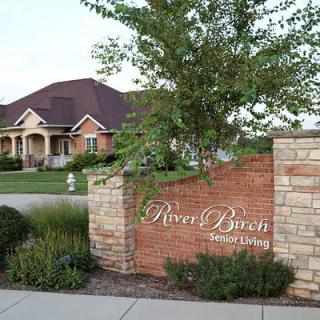
River Birch Estates At Cockrell 4012
$4,500 to $5,700 / month0.0 miles away
Overall Review of River Birch Estates At Cockrell 4008
Pros
 River Birch appears to be a well-run community.
- Its staff are caring and engaging with residents.
- It is flexible with individual needs and avoids a one-size-fits-all approach.
- It is welcoming, with residents who seem well cared for and staff who are attentive and responsive.
- The meals are well prepared, plentiful, and accommodate residents' food preferences.
Review
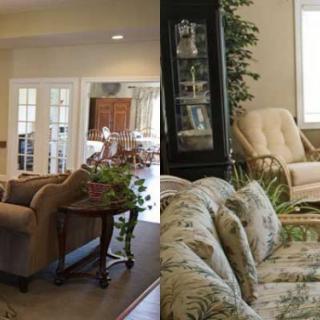
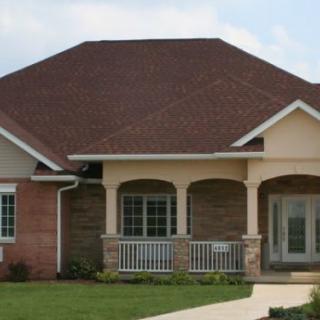
River Birch Estates At Cockrell 4008 is best suited for seniors who want a warm, people-centered assisted living experience where staff are attentive, engaged, and ready to tailor care to individual needs. In Springfield, Illinois, this community presents as well-run and welcoming, with a culture that avoids a one-size-fits-all approach. Families that value consistency in caregiving, visible resident well-being, and accessible staff will find the atmosphere reassuring. The feedback from the lone 5-star review highlights a welcoming environment, skilled aides, and responsiveness during questions, suggesting a setting where daily routines and meals can be shaped to personal preferences. The overall impression is of reliable, person-first care.
However, for residents whose needs exceed assisted living, such as round-the-clock skilled nursing, complex medical oversight, or specialized memory care, alternative options should be explored. If rehab-to-home programs or intensive on-site therapy are required, or if transportation and social programming beyond basic engagement are non-negotiable, families may want to compare with other communities that emphasize those services. The review's focus on general care and meals indicates a strong foundation, but does not demonstrate whether the community can sustain highly medicalized routines or long-term post-acute needs. In such cases, it is prudent to widen the search to facilities with deeper medical capabilities.
From the perspective of the reviewer, the strongest positives center on people. Staff are described as caring, engaging, and flexible, deviating from rigid protocols to honor individual resident preferences. That level of responsiveness translates into practical advantages: care plans that adapt as needs shift, questions answered promptly, and a sense that residents are genuinely valued. The dining program stands out as well, meals are well prepared, plentiful, and accommodating of likes, dislikes, and dietary requests, an often overlooked factor that correlates with appetite, hydration, and overall well-being. A welcoming atmosphere and attentive service contribute to a stable, less stressful daily routine, which matters greatly for mood and long-term adherence to care plans.
Those strengths partially offset potential gaps inherent in an assisted living setting. Personalized staffing and attentiveness mitigate the risk of impersonal care or overlooked concerns, which is a critical trade-off when considering facilities that may have more institutional feel. The combination of flexible care and good nutrition reduces common risk factors for decline, such as isolation, malnutrition, and under-stimulation. Yet the absence of explicit, high-level medical or memory-care offerings in the review means families should temper expectations about what the community can manage as needs evolve. In those cases, the proven staff engagement and resident-centered approach become the deciding factors, aligning with families prioritizing relationship-driven care.
Because the review is singular, the full picture remains incomplete. Prospective residents should verify transportation options, the availability of on-site therapies beyond a basic level, and the exact mix of activities and outings. It is also wise to confirm staffing ratios, weekend coverage, and how changes in health status trigger transitions within the community. Another consideration is cost structure and what is included in the base rate versus add-ons. Finally, inquire about dementia-specific programming, secure environments for memory care residents, and whether any memory-support neighborhoods exist on-site. These checks ensure the warmth described translates into sustainable, long-term suitability.
River Birch Estates At Cockrell 4008 presents a compelling, practical choice for families seeking a compassionate, adaptable assisted-living experience with solid meals and responsive staff. It is especially well suited for residents who prize personalized attention and a welcoming community where daily life feels tailored rather than scripted. Those needing extensive medical oversight, post-acute rehab, or specialized dementia care may want alternatives with deeper medical capabilities. Given the single-review basis, it is essential to corroborate with a broader set of opinions, request a tour, sample menus, and review care plans. When the fit is right, the combination of staff engagement and resident-focused programming can deliver steady quality and genuine peace of mind.
 14 resident community capacity
 Assisted Living
 Board and Care Home
 Memory Care
 Activities on-site
 Air-conditioning
 Bath tubs
 Cable or satellite TV
 Devotional services on-site
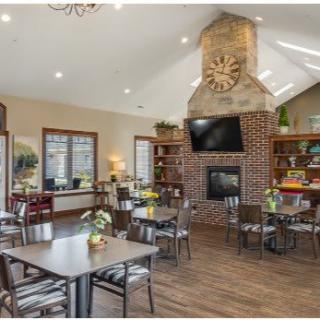
 Dining room
 Fully furnished
 Garden
 Ground floor units
 Housekeeping services
 Indoor common areas
 Move-in coordination
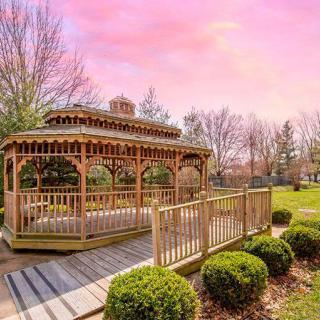
 Outdoor common areas
 Respite or short term stays offered
 Telephone
 Wheelchair accessible showers
 Wi-Fi/high-speed internet available
 Capital (7 miles away)
 24-hour supervision
 Ambulatory care
 Assistance with bathing
 Assistance with dressing
 Assistance with transfers
 Diabetes diet
 Diabetic care
 Hospice waiver
 Incontinence care
 Meal preparation and service
 Medication management
 Mental wellness program
 Special dietary restrictions
 Transportation arrangement (medical)
 Transportation to doctors appointments
 BBQs or picnics
 Birthday parties
 Pet-focused programs



 Vibrant Senior Living: A Comprehensive Guide for Active Older Adults
 Assisted Living and Memory Care: Understanding Their Core Differences
 Choosing the Right Senior Care: A Detailed Exploration of Assisted Living and Nursing Homes