For more information about senior living options: (866) 208-4318
4.3 from 20 reviews
5 stars
9
4 stars
8
3 stars
2
2 stars
1
1 stars
0
Hunt Club Village Costs & Pricing
Hunt Club Village presents an appealing cost structure for prospective residents, particularly when compared to broader averages in Kane County and the state of Illinois. For instance, a one-bedroom unit at Hunt Club Village is priced at $1,010 per month, offering a substantial savings against the county's average of $3,512 and Illinois' average of $3,527. Similarly, the two-bedroom options are competitively priced at $1,215, which is significantly lower than Kane County's average of $3,926 and Illinois' statewide average of $4,208. This cost advantage not only makes Hunt Club Village an attractive choice for individuals and families seeking quality living without the hefty price tag but also reflects a strategic positioning within the local housing market.
Floor plans
Hunt Club Village
Kane County
Illinois
1 Bedroom
$1,010
$3,512
$3,527
2 Bedrooms
$1,215
$3,926
$4,208
Senior living communities with a similar price nearby
Across the reviews, residents and families say staff members are friendly and responsive, including helping with day-to-day logistics like bringing groceries and notifying families about packages. Several reviewers also highlight strong support during move-in, with clear explanations of the process and staff members they call out by name. One review is a service-moment disappointment about not being met at a scheduled appointment, but most feedback emphasizes follow-through and helpfulness.
common4 reviews mention this
Clean spaces and well-kept grounds
Reviews repeatedly mention cleanliness and upkeep.
Multiple reviewers describe the community as very clean, and say the grounds are well kept. Others add that the facilities feel clean during tours and visits. For residents comparing day-to-day feel, cleanliness and upkeep come through as a consistent positive.
common7 reviews mention this
Spacious apartments with updates
Many residents like the space inside their apartments.
Residents often mention apartment size and practical comfort, including spacious rooms and closets. Several reviews also cite updates like new carpet and paint, along with working appliances such as a stove and refrigerator. Reviewers also highlight details like balconies and showers in many units, reinforcing that apartments are a major part of the appeal.
caveat4 reviews mention this
Breakfast is limited, meals sparse
Meal service appears limited beyond breakfast.
A recurring theme is that food service is not offered like full meal programs. Some reviewers mention breakfast being available (including free breakfast) and a monthly continental breakfast, but others say there are no regular meals and a food area without consistent dining. One review notes breakfast was offered more frequently before COVID-related changes, adding to the sense that dining availability can vary.
caveat3 reviews mention this
Quiet lifestyle, activities can be limited
Residents describe a quieter routine with limited activities.
Several reviews describe the community as quiet, with fewer activities than expected and reduced activity availability tied to COVID precautions. At the same time, some residents mention structured outings like trips to the casino or movies and store runs, suggesting there are activity options, but not at a constant daily pace. If you’re looking for an always-on social calendar, reviews suggest it may depend on timing and current operations.
caveat2 reviews mention this
Pricing feels like a trade-off
Pricing gets mixed reactions from reviewers.
One reviewer calls the pricing a great value for the money, while another says the cost is high compared with what they previously paid. Together, the reviews suggest value can depend on what a household is comparing against and how the current rate aligns with expectations. If affordability is a key factor, it’s worth reviewing unit costs carefully for both 1- and 2-bedroom options.
common2 reviews mention this
Location is convenient, but distance matters
Location is described as accessible, though family distance varies.
One reviewer says the facility location is nice and easy to get to, reinforcing the convenience for appointments and errands. Another reviewer, in contrast, says it felt too far from family, showing that distance may be a deciding factor depending on where relatives live. Nearby options include a nearby park and pharmacy services, which can help with routine trips.
How we summarize
Counts show how many written reviews mention each theme; a review can touch several themes, and only frequently mentioned themes are displayed.
Features
Types of Care
Active Adult Communities (55+)
Amenities
Activities on-site
Air-conditioning
Bath tubs
Devotional services on-site
Full kitchen
Ground floor units
Handicap accessible
Indoor common areas
Outdoor common areas
Wheelchair accessible showers
Transportation
Chicago O'Hare International (21 miles away)
Activities
Bible study group
Book club
Bridge club
Cards / pinochle club
Catholic services
Choir / singing club
Devotional activities on-site
Live musical performances
Live well programs
Quilting or sewing club
Wii bowling
Yoga / chair yoga
Nearby Places of Interest
This part of Saint Charles, Illinois offers a convenient and accessible location for senior living. With a variety of medical services nearby, including Tyler Medical Services and Fox Valley Orthopaedic Association, residents can easily access top-notch healthcare. Additionally, there are several pharmacies in the area such as Walgreens and CVS Pharmacy for medication needs. For recreation and relaxation, there are parks like Pottawatomie Park and Memorial Park within a short distance. Places of worship like St John Neumann Catholic Church and Holy Cross Church provide spiritual support. Several cafes like Graham's 318 and restaurants like Preservation Bread & Wine offer dining options. Transportation is also readily available with the Metra - Geneva Station nearby. Overall, this part of Saint Charles combines convenience, healthcare access, recreational opportunities, and community amenities that make it an ideal location for seniors to consider as their next home.
Physicians
Tyler Medical Services (0.3 miles)
Valley Ambulatory Surgery Center (2.3 miles)
Fox Valley Ear Nose (2.3 miles)
Fox Valley Women & Children's Health Partners (3 miles)
Mohammed Nasir Md Delnor Cancer Care Center Geneva (3.2 miles)
Fox Valley Orthopaedic Association - Timothy S Petsche MD (3.5 miles)
Fox Valley Orthopedics- Geneva South (3.6 miles)
Pharmacies
Walgreens (0.9 miles)
Jewel-Osco Pharmacy (1.3 miles)
CVS Pharmacy (2.1 miles)
CVS Pharmacy (2.2 miles)
Walgreens (2.3 miles)
Walgreens (3.2 miles)
Walgreens (4.2 miles)
Parks
Pottawatomie Park (1 miles)
Memorial Park (4.5 miles)
Batavia Riverwalk (4.6 miles)
The Park (6.8 miles)
Bartlett Park (7.9 miles)
East Street Park (8.4 miles)
Mallard Lake County Forest Preserve (9.1 miles)
Places of Worship
St John Neumann Catholic Church (1.1 miles)
St Peter Catholic Church (2.7 miles)
Holy Cross Church (5.6 miles)
Blessed Sacrament (7.9 miles)
Harvest Bible Chapel (9.8 miles)
Cafes
Graham's 318 (2.4 miles)
Panera Bread (3.8 miles)
Panera Bread (7 miles)
Starbucks (7.2 miles)
Moka North Aurora (8 miles)
Starbucks (8.6 miles)
Starbucks (9.6 miles)
Restaurants
Preservation Bread & Wine (2.5 miles)
McAlister's Deli (3.8 miles)
McDonald's (4.1 miles)
Portillo's Hot Dogs (4.6 miles)
McDonald's (4.7 miles)
Wendy's (5.1 miles)
McDonald's (6.2 miles)
Transportation
Metra - Geneva Station (2.6 miles)
Metra (9 miles)
Hospitals
Central Dupage Hospital (7.8 miles)
Central Dupage Hospital - Mother & Baby Pavilion (7.8 miles)
Northwestern Medicine Central DuPage Hospital Sleep Health Center (7.9 miles)
AMITA Health Saint Joseph Hospital Elgin (8.3 miles)
Provena Mercy Medical Center (9.2 miles)
Marianjoy Rehabilitation Hospital and Clinics (9.3 miles)
Hunt Club Village presents an appealing cost structure for prospective residents, particularly when compared to broader averages in Kane County and the state of Illinois. For instance, a one-bedroom unit at Hunt Club Village is priced at $1,010 per month, offering a substantial savings against the county's average of $3,512 and Illinois' average of $3,527. Similarly, the two-bedroom options are competitively priced at $1,215, which is significantly lower than Kane County's average of $3,926 and Illinois' statewide average of $4,208. This cost advantage not only makes Hunt Club Village an attractive choice for individuals and families seeking quality living without the hefty price tag but also reflects a strategic positioning within the local housing market.
Palliative care focuses on alleviating distress at any stage of a serious illness and can accompany curative treatments, while hospice care is for those nearing the end of life with a prognosis of six months or less, emphasizing comfort over curative measures. Both prioritize holistic care for patients and families but differ in timing, goals, and scope.
The guide details the tax deductibility of in-home healthcare expenses according to IRS guidelines, differentiating between medically necessary services and non-medical assistance, while emphasizing the need for proper documentation and itemization requirements. It also highlights state-level variations, the importance of record-keeping, and encourages seeking professional tax help to understand evolving regulations.
Gardening provides seniors with physical exercise, mental and emotional support, and social interaction opportunities, while accommodating their needs through raised beds and ergonomic tools. It promotes health benefits like improved dexterity and cardiovascular health, encourages sustainable practices, and allows for manageable upkeep with low-maintenance plants.
Get PricingAsk A QuestionSchedule A TourContact Senior Advisor
By clicking submit, you agree to our Partner's Terms of Use. You
also consent to receive calls and texts, which may be autodialed, from our Partner. Your consent is not a condition to
using our Partner's service. Please visit our Partner's Privacy Policy for information about their privacy practices.


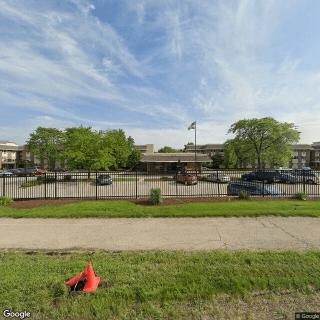
 Active Adult Communities (55+)
 Activities on-site
 Air-conditioning
 Bath tubs
 Devotional services on-site
 Full kitchen
 Ground floor units
 Handicap accessible
 Indoor common areas
 Outdoor common areas
 Wheelchair accessible showers
 Chicago O'Hare International (21 miles away)
 Bible study group
 Book club
 Bridge club
 Choir / singing club
 Live musical performances
 Live well programs
 Quilting or sewing club
 Wii bowling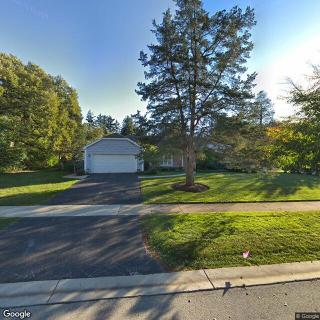
 Competitive pricing per month: semi-private $3,300 and private $4,000, with private bathrooms and a robust on-site/off-site activities program.


 Understanding the Nuances of Palliative Care and Hospice: A Comprehensive Exploration
 Is In-Home Healthcare Tax Deductible? Your Comprehensive Guide
 Nurturing Well-Being Through Gardening: A Detailed Guide for Senior Enthusiasts