For more information about senior living options: (866) 208-4318
4.8 from 24 reviews
5 stars
23
4 stars
0
3 stars
0
2 stars
0
1 stars
1
Halina's Home Care Costs & Pricing
Halina's Home Care offers competitive pricing for its services compared to both Kane County and the broader state of Illinois. With a semi-private room costing $3,500 per month, Halina's is significantly more affordable than the county average of $4,418 and the state average of $5,146. Similarly, the cost of a private room at Halina's is $4,000, which also undercuts both Kane County's rate of $4,124 and the state's average of $5,049. These pricing advantages make Halina's Home Care an attractive option for families seeking quality care without compromising on value.
Floor plans
Halina's Home Care
Kane County
Illinois
Semi-Private
$3,500
$4,418
$5,146
Private
$4,000
$4,124
$5,049
Senior living communities with a similar price nearby
from +$310 / mo
24/7 BrightStar
5 from 39 reviews
$3,810 to $5,970 / month
17.0 miles away
About the same
Pheasant Branch
4.9 from 112 reviews
$3,500 to $4,000 / month
1.3 miles away
About the same
Ignite Christian Health Care Bolingbrook
4.9 from 10 reviews
$3,500 to $4,000 / month
19.8 miles away
from +$500 / mo
The Neighbors Next Door - Gerten 1
4.9 from 9 reviews
$4,000 / month
8.9 miles away
from -$500 / mo
Robin's Nest Assisted Living
4.7 from 14 reviews
$3,000 to $5,100 / month
3.0 miles away
Overall Review of Halina's Home Care
differentiator9 reviews mention this
Homemade meals get strong praise
Homemade meals are repeatedly described as fresh, delicious, and comforting.
Multiple reviewers single out the food as homemade and home-cooked, often describing it as fresh, nutritious, and enjoyable for their loved ones. Several also connect the meals with their overall peace of mind and the home-like feel of daily life. The community offers meals, which matches the way residents and families talk about dining.
common21 reviews mention this
Caregivers feel personal and family-like
Residents are treated with patience, kindness, and a family-style approach.
Across the reviews, families describe caregivers as genuinely kind and caring, with staff who learn routines, pay attention to day-to-day needs, and communicate with families. Reviewers also mention emotional support alongside practical help like dressing, bathing, hair care, and mobility support. One review notes serious concerns about care, but most feedback centers on consistent, considerate support.
differentiator6 reviews mention this
24-hour support and quick help
Families describe reliable around-the-clock support when care needs increase.
Several reviewers specifically mention 24/7 or 24-hour care, and describe how caregivers help with personal needs and medication routines. Others also describe the staff stepping in quickly when they needed help with situations like falls or urgent care transitions. Reviewers connect this continuous support to reduced stress and the ability for their loved one to stay in a home-like setting.
How we summarize
Counts show how many written reviews mention each theme; a review can touch several themes, and only frequently mentioned themes are displayed.
Features
Types of Care
Board and Care Home
Amenities
Activities off-site
Activities on-site
Bath tubs
Devotional services off-site
Devotional services on-site
Indoor common areas
Outdoor common areas
Private
Private bathrooms
Respite or short term stays offered
Transportation
Chicago O'Hare International (21 miles away)
Care Services
Diabetic care
High acuity care
Incontinence care
Dining
Meals provided
Activities
Activities off-site
Activities on-site
Devotional activities offsite
Devotional activities on-site
Nearby Places of Interest
Located in Saint Charles, Illinois, this part of town offers a variety of amenities that cater to senior living. With multiple parks nearby such as Pottawatomie Park and Batavia Riverwalk, residents can enjoy nature walks and outdoor activities. There are also several medical facilities in close proximity, including Tyler Medical Services and Fox Valley Women & Children's Health Partners, ensuring easy access to healthcare services. Additionally, there are pharmacies like Walgreens and CVS Pharmacy nearby for convenience. For spiritual needs, there are places of worship such as St John Neumann Catholic Church and Harvest Bible Chapel within a short distance. Various dining options are available as well, with restaurants like Preservation Bread & Wine and McAlister's Deli close by. Public transportation is easily accessible with the Metra - Geneva Station only 2.7 miles away, providing convenient travel options for seniors. Overall, this area offers a mix of recreational opportunities, healthcare facilities, religious institutions, dining choices, and transportation options suitable for senior living in Saint Charles.
Parks
Pottawatomie Park (0.3 miles)
Memorial Park (4.6 miles)
Batavia Riverwalk (4.7 miles)
The Park (6.4 miles)
Bartlett Park (8.3 miles)
East Street Park (9.1 miles)
Mallard Lake County Forest Preserve (9.7 miles)
Physicians
Tyler Medical Services (1 miles)
Valley Ambulatory Surgery Center (1.6 miles)
Fox Valley Ear Nose (1.6 miles)
Fox Valley Women & Children's Health Partners (2.4 miles)
Mohammed Nasir Md Delnor Cancer Care Center Geneva (2.9 miles)
Fox Valley Orthopaedic Association - Timothy S Petsche MD (3.3 miles)
Fox Valley Orthopedics- Geneva South (3.4 miles)
Pharmacies
Walgreens (1.6 miles)
CVS Pharmacy (1.9 miles)
Jewel-Osco Pharmacy (1.9 miles)
Walgreens (2 miles)
CVS Pharmacy (2.5 miles)
Walgreens (2.5 miles)
Walgreens (4.1 miles)
Places of Worship
St John Neumann Catholic Church (1.7 miles)
St Peter Catholic Church (2.6 miles)
Holy Cross Church (5.5 miles)
Blessed Sacrament (7.9 miles)
Harvest Bible Chapel (9.5 miles)
Cafes
Graham's 318 (2.5 miles)
Panera Bread (3.6 miles)
Panera Bread (7.4 miles)
Starbucks (7.5 miles)
Moka North Aurora (8.1 miles)
Starbucks (8.8 miles)
Panera Bread (10.1 miles)
Restaurants
Preservation Bread & Wine (2.6 miles)
McAlister's Deli (3.6 miles)
McDonald's (4 miles)
Portillo's Hot Dogs (4.5 miles)
McDonald's (4.9 miles)
Wendy's (5.1 miles)
Chick-Fil-A (6 miles)
Transportation
Metra - Geneva Station (2.7 miles)
Metra (9.5 miles)
Hospitals
AMITA Health Saint Joseph Hospital Elgin (8 miles)
Central Dupage Hospital (8.5 miles)
Central Dupage Hospital - Mother & Baby Pavilion (8.5 miles)
Northwestern Medicine Central DuPage Hospital Sleep Health Center (8.6 miles)
Sherman Immediate Care (9.2 miles)
Provena Mercy Medical Center (9.4 miles)
Marianjoy Rehabilitation Hospital and Clinics (10 miles)
Halina's Home Care offers competitive pricing for its services compared to both Kane County and the broader state of Illinois. With a semi-private room costing $3,500 per month, Halina's is significantly more affordable than the county average of $4,418 and the state average of $5,146. Similarly, the cost of a private room at Halina's is $4,000, which also undercuts both Kane County's rate of $4,124 and the state's average of $5,049. These pricing advantages make Halina's Home Care an attractive option for families seeking quality care without compromising on value.
Geriatric care managers create personalized care plans for older adults, addressing their medical, social, financial, and psychological needs while coordinating services and advocating for their well-being. They help families navigate caregiving challenges but may be hindered by high costs and a shortage of qualified professionals.
The article highlights the importance of empathy and open communication when comforting someone who is grieving, noting that grief is unique to each individual and emphasizing the need for sincere expressions of condolence, active listening, and ongoing support. It also addresses cultural differences in mourning practices and encourages tailored approaches to provide effective comfort.
Home health care aides provide vital medical and non-medical support to individuals at home, assisting with daily living activities and promoting emotional well-being, while the demand for these services increases due to an aging population. Families benefit from in-home care's flexibility and cost-effectiveness but face challenges like scheduling consistency and caregiver turnover.
Get PricingAsk A QuestionSchedule A TourContact Senior Advisor
By clicking submit, you agree to our Partner's Terms of Use. You
also consent to receive calls and texts, which may be autodialed, from our Partner. Your consent is not a condition to
using our Partner's service. Please visit our Partner's Privacy Policy for information about their privacy practices.

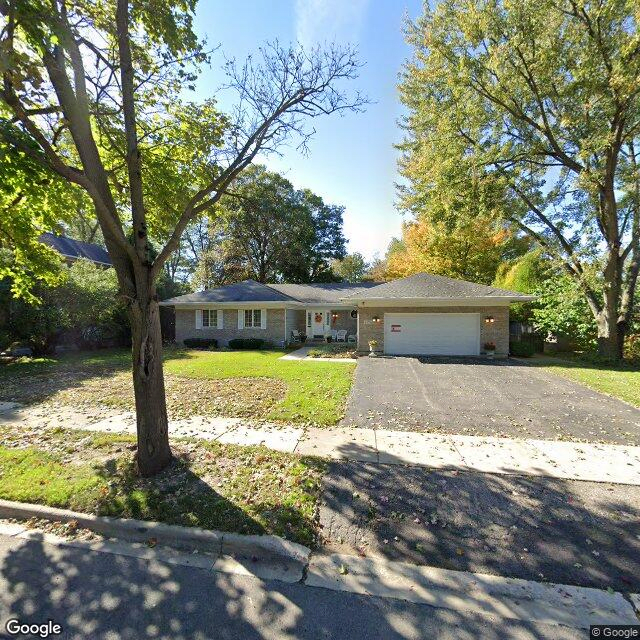

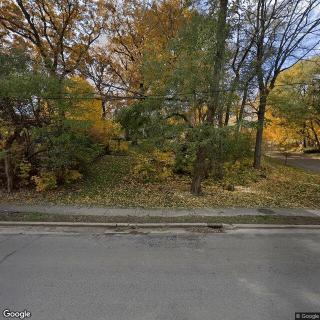
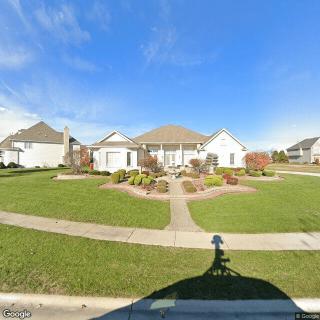
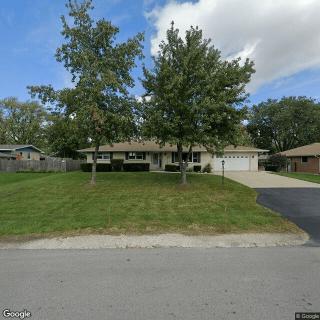

 Board and Care Home
 Activities off-site
 Bath tubs
 Devotional services off-site
 Indoor common areas
 Outdoor common areas
 Private
 Private bathrooms
 Respite or short term stays offered
 Chicago O'Hare International (21 miles away)
 Diabetic care
 High acuity care
 Incontinence care
 Meals provided
 Intimate setting with 24-hour supervision, ADL support, and medication management.


 Is a Geriatric Care Manager the Right Choice for Your Family?
 Compassionate Conversations: How to Comfort Someone Who Is Grieving
 Home Health Care Aides: Understanding Their Role and Supporting Your Family