
303 East Main Street, St. Charles, IL 60174
For more information about senior living options: (866) 208-4318
Overall Review of Homewatch Caregivers
Pros
 They describe Homewatch CareGivers as a godsend for their parents’ care.
- They praise the caregivers for being patient, attentive, and going above and beyond to keep loved ones comfortable.
- They commend the corporate office staff for addressing family concerns promptly and effectively.
- They note that the team is trustworthy, reliable, and provides high-quality in-home care with a personal touch.
- They express gratitude for Heidi’s incredible care and dedication.
- They highlight the office staff’s responsiveness and willingness to accommodate schedule changes.
- They feel the agency has been a lifesaver, with quick caregiver placement and meaningful support.
Review
This community is best suited for families seeking trusted, at-home care that keeps an elderly loved one in a familiar environment while receiving highly personalized support. It excels for seniors who benefit from patient, attentive caregivers who can manage daily tasks, monitor health nuances, and provide memory-care activities in the home setting. It also serves families who need dependable staffing and clear, proactive communication from an organized office, with caregivers who arrive on time and stay consistently engaged throughout the day. In short, it is the choice for households prioritizing hands-on, compassionate in-home care with strong administrative backing rather than a campus lifestyle.
Those who may want to consider alternatives include families looking for a traditional assisted living or memory-care community with 24/7 on-site supervision, structured daily programming, and more intensive medical oversight. If a resident requires a higher level of medical monitoring or enjoys a social program built into a campus setting, a facility-based option could be a better fit. Also, for households with limited budgets or those seeking a longer-term arrangement that emphasizes facility-based social opportunities, exploring other models may be prudent.
The strongest advantages lie in the combination of frontline caregiving and responsive administration. Caregivers are consistently described as punctual, attentive to details, and willing to go above and beyond to keep loved ones comfortable and well cared for. The reliability of staffing, evidenced by caregivers arriving on time and staying engaged with daily routines, offers real peace of mind to families juggling work and caregiving themselves. On the administrative side, the corporate office is praised for addressing concerns aggressively and with clear communication, ensuring that family needs are heard and acted upon promptly. This alignment between hands-on care and back-office support creates a dependable care loop that many families come to rely on.
Equally compelling are the qualitative wins that caregivers deliver at home. Families repeatedly spotlight caregivers who are not only capable but emotionally attuned, someone who can manage both practical tasks and the emotional terrain of aging loved ones. The ability of staff to tailor care to individual needs, such as balancing independence with safety, or incorporating memory-stimulating activities, has produced observable improvements in daily functioning and mood. The testimonials highlight specific success stories: activities that engage cognitive and physical function, the calm transition for a loved one with memory challenges, and the sense that doctors and families alike notice genuine benefits from consistent at-home routines. The combination of personalized care and professional expertise translates into meaningful, measurable everyday gains.
Where there is room for improvement, it’s primarily in recognizing the inherent limits of home-based care versus a campus setting. The absence of a built-in, around-the-clock on-site medical team and formal group programming means some families may still crave the structure, social opportunities, and ease of access that a senior living community provides. Scheduling complexity can arise if multiple caregivers rotate through a week, though the observed reality in these reviews is that staffing moves quickly to fill needs, two caregivers placed within two weeks is a strong indicator of agility. In essence, the trade-off for home-like comfort is a more dispersed daily structure and a degree of reliance on caregiver consistency rather than a single, campus-based routine.
Yet the strengths more than compensate for these caveats. The best defense against gaps is the declared, hands-on approach paired with a responsive office that listens, plans, and adapts. Families report that office staff don’t just schedule care, they partner with families, offering helpful guidance and practical solutions, including connections to veterans’ benefits when applicable. The next-step impact is clear: families feel reassured by staff who are kind, professional, and sincerely invested in the loved one’s well-being. The social proof, a consistent chorus of praise for specific caregivers, the sense of trust, and the palpable relief of families, speaks loudly: the model works because the people delivering care are compassionate, capable, and backed by an office that earns trust day after day.
For families weighing options, this program is a strong fit when the priority is compassionate, home-based care with dependable staffing and excellent administrative support. It is particularly compelling for those navigating memory-care needs in a familiar environment, where caregivers employ strategies to engage and stabilize their loved ones. The verdict is clear: if keeping a senior in their home with a trusted, responsive care team is the objective, this option delivers. If, however, the aim is a college-campus-like environment with 24/7 on-site medical oversight, or if social programming and constant on-site supervision are non-negotiables, then exploring a traditional assisted living or dedicated memory-care facility would be prudent. The choice hinges on the value placed on home comfort, caregiver continuity, and office-driven responsiveness versus the built-in structure of a campus community.
 21 resident community capacity
 Board and Care Home
 Beauty salon
 Cable or satellite TV
 Fully furnished
 Garden
 Housekeeping services
 Move-in coordination
 Outdoor space
 Chicago O'Hare International (21 miles away)
 24-hour call system
 Activities of daily living assistance
 Assistance with bathing
 Assistance with dressing
 Assistance with transfers
 Diabetes diet
 Meal preparation and service
 Medication management
 Special dietary restrictions
 Transportation to doctors appointments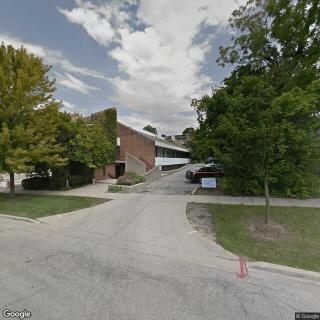

 Urinary Tract Infections in Older Adults: Comprehensive Insights on Symptoms, Treatment, and Prevention
 California's Form 602A: An In-Depth Examination of Senior Care Assessment
 Comprehensive Look at Senior Blood Pressure Charts: Normal and Elevated Levels by Age