Rockford Supportive Living Center offers studio accommodations at a monthly rate of $4,650. When comparing this cost to the average expenses in Winnebago County, which stand at $3,753, it becomes evident that Rockford's pricing is considerably higher. Furthermore, when we look at the state level in Illinois, where the average monthly cost for similar services is approximately $4,028, Rockford's rates still exceed both local and statewide averages. This pricing reflects not only the quality of care and amenities provided at Rockford Supportive Living Center but also highlights the center's commitment to delivering exceptional service tailored to residents' needs.
Floor plans
Rockford Supportive Living Center
Winnebago County
Illinois
Studio
$4,650
$3,753
$4,028
Memory care communities with a similar price nearby
Overall Review of Rockford Supportive Living Center
common21 reviews mention this
Staff care is frequently praised
Residents and families repeatedly describe staff as caring, responsive, and supportive.
A large share of reviewers highlight staff who feel approachable and dependable, from everyday help to handling transitions into the community. Multiple residents and families mention nurses and CNAs taking time, responding to needs, and addressing concerns promptly. Several comments also connect staff support to smoother acclimation and feeling at ease after moving in.
common7 reviews mention this
Dining quality stands out
Dining is a consistent bright spot, with warm meals and meals many residents enjoy.
Several reviewers talk about enjoying the food, including specific favorites like ribs and desserts. Families also mention that the food seems satisfying even when they were not able to join every meal themselves. The community also provides restaurant-style dining and meals, which aligns with the way residents describe the dining experience.
common5 reviews mention this
Activities help residents stay busy
Residents describe a steady schedule of activities that keeps them engaged.
Reviewers frequently mention that the community keeps residents busy, with daily opportunities to participate. Comments point to a mix of on-site events and activities, including group social time and planned get-togethers. One reviewer also describes craft and art-style activities alongside movies and light exercise.
caveat3 reviews mention this
Medication help may be limited
Some families express concerns about medication handling and medical coordination.
A review from a memory care family describes problems with medication administration support, including limitations tied to when nursing is available and whether certain tasks can be done. Other reviewers raise concerns about medical coordination, including whether staff follow health records and how quickly families can reach medical staff for updates. While there are also positive comments about nurses and round-the-clock safety, these specific medication and communication concerns come through in reviews.
common8 reviews mention this
The community is described as clean
Many reviewers say the building and rooms are kept clean and orderly.
Multiple comments praise the facility for being clean, orderly, and well maintained, including grounds and resident rooms. Reviewers also mention staff attention to cleanliness alongside safe day-to-day operation. The online comments do include at least one negative note about maintenance issues, but cleanliness praise appears more often than complaints.
How we summarize
Counts show how many written reviews mention each theme; a review can touch several themes, and only frequently mentioned themes are displayed.
Features
Types of Care
Assisted Living
Memory Care
Amenities
Activities off-site
Activities on-site
Air-conditioning
Beautician on-site
Cable or satellite TV
Devotional services off-site
Devotional services on-site
Ground floor units
Indoor common areas
Kitchenette
Outdoor common areas
Wheelchair accessible showers
Transportation
Greater Rockford (3 miles away)
Care Services
Ambulatory care
Incontinence care
Medication management
Dining
Meals provided
Restaurant style dining
Activities
Activities off-site
Activities on-site
BBQs or picnics
Birthday parties
Day trips and outings
Devotional activities offsite
Devotional activities on-site
Holiday parties
Live musical performances
Other religious services
Stretching classes
Trivia games
Wii bowling
Videos
Nearby Places of Interest
This part of Rockford, Illinois is a convenient and diverse area for senior living. There are several restaurants nearby, offering a variety of dining options within a short distance. Additionally, there are several places of worship in the vicinity for spiritual support and community engagement. Pharmacies and hospitals are easily accessible, with multiple options for healthcare needs. The availability of physicians and healthcare services ensures that seniors can receive quality medical care close to home. For recreational activities, there are parks and cafes in the area for leisurely outings. Transportation is also convenient with the Chicago Rockford International Airport nearby for travel needs. Overall, this neighborhood offers a blend of amenities and services that cater to the needs of older individuals looking for a comfortable living environment in Rockford.
Restaurants
Mr J's (0.3 miles)
Mi Ranchito (1.1 miles)
John's Restaurant & Pizzeria (1.2 miles)
Ernie’s Midtown Pub (1.2 miles)
Taco Bell (1.4 miles)
McDonald's (1.5 miles)
Subway (1.6 miles)
Places of Worship
Church of Christ (1.3 miles)
Pelley Road Christian Fellowship (2.6 miles)
West Rockford Community Church (4.3 miles)
Pharmacies
Pal Midwest (1.4 miles)
CVS Pharmacy (1.5 miles)
Schnucks (1.5 miles)
Walgreens (1.6 miles)
Walgreens (1.8 miles)
Schnucks (2 miles)
Crusaders Clinic Pharmacy (2.4 miles)
Hospitals
SwedishAmerican 9th St Center (1.5 miles)
Swedish American Employee (1.6 miles)
Fresenius Medical Care (1.7 miles)
The Bridge Clinic of Rockford (2.1 miles)
Javon Bea Hospital-Rockford (3.8 miles)
OSF Saint Anthony Medical Center (4.4 miles)
Physicians
Swedish American Medical Group (1.5 miles)
SwedishAmerican Hospital (1.6 miles)
Northern Illinois Optical Co (1.7 miles)
Life Hearing Health Centers (1.9 miles)
Winnebago County Health Department (2.2 miles)
Winnebago County Health and Family Services (2.2 miles)
Kamal Modir (3.1 miles)
Parks
Don Schmid Park (1.6 miles)
Levings Park, lake, and Standfield Beach (2.5 miles)
Anderson Japanese Gardens (3.4 miles)
Cafes
Starbucks (3 miles)
Starbucks (4.9 miles)
Transportation
Chicago Rockford International Airport (RFD) (3 miles)
Rockford Supportive Living Center offers studio accommodations at a monthly rate of $4,650. When comparing this cost to the average expenses in Winnebago County, which stand at $3,753, it becomes evident that Rockford's pricing is considerably higher. Furthermore, when we look at the state level in Illinois, where the average monthly cost for similar services is approximately $4,028, Rockford's rates still exceed both local and statewide averages. This pricing reflects not only the quality of care and amenities provided at Rockford Supportive Living Center but also highlights the center's commitment to delivering exceptional service tailored to residents' needs.
Rockford Supportive Living Center offers essential features such as medication management and incontinence care, which are integral to supporting residents with dementia or Alzheimer's disease. Effective medication management ensures that residents receive their prescribed medications on time and in the correct dosages, thereby minimizing the risk of adverse effects or missed doses that can exacerbate cognitive decline. This careful oversight promotes a sense of stability and well-being among residents. Incontinence care is equally important, as it addresses a common challenge faced by individuals with cognitive impairments; responsive support helps maintain dignity and comfort while reducing anxiety associated with accidents. Together, these services create an environment that prioritizes health, dignity, and quality of life for those living with memory-related conditions.
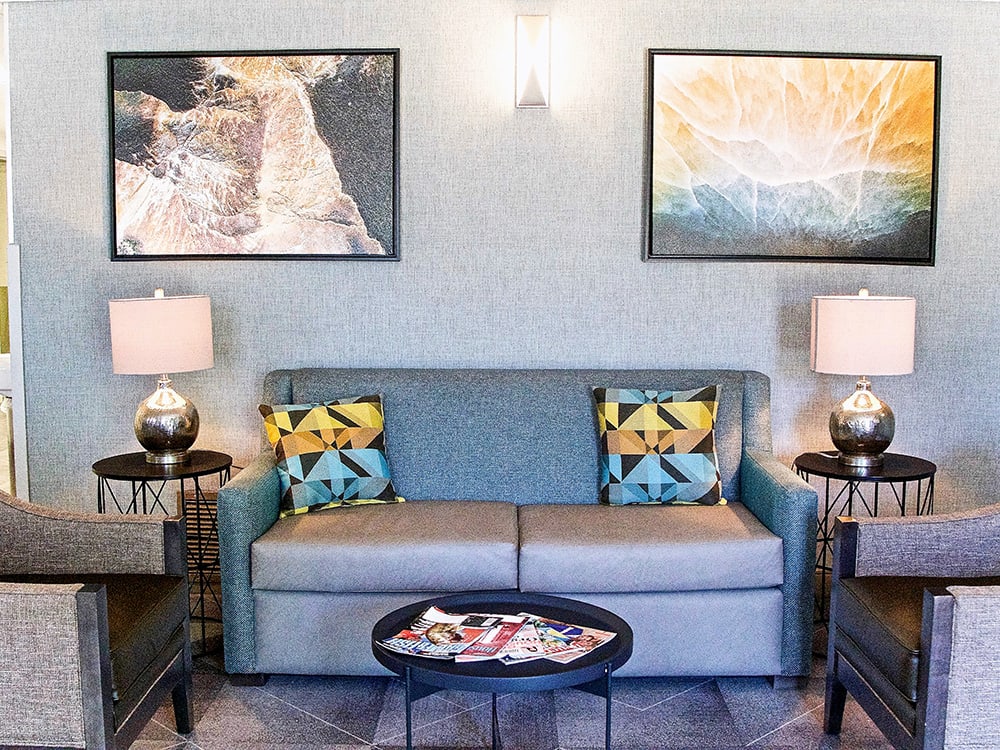
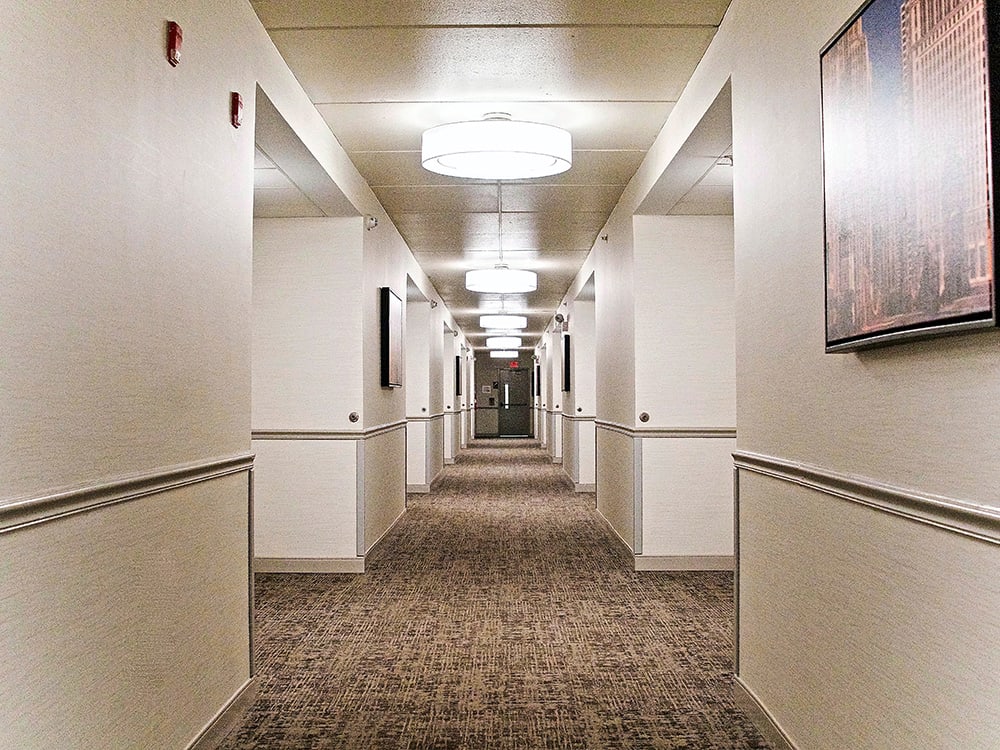
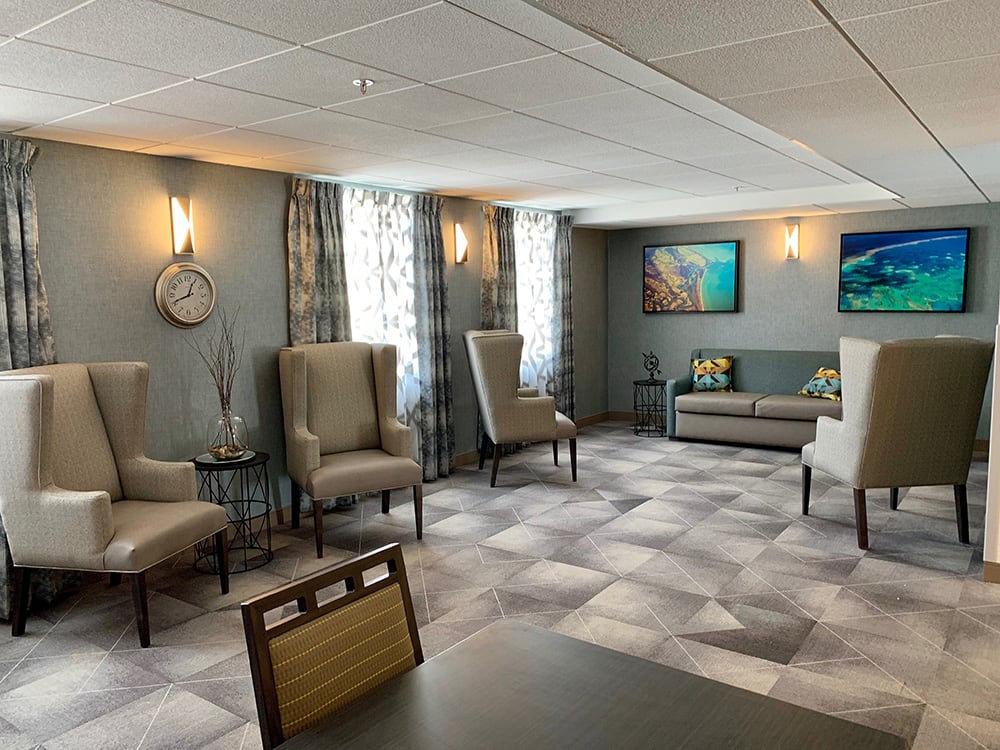
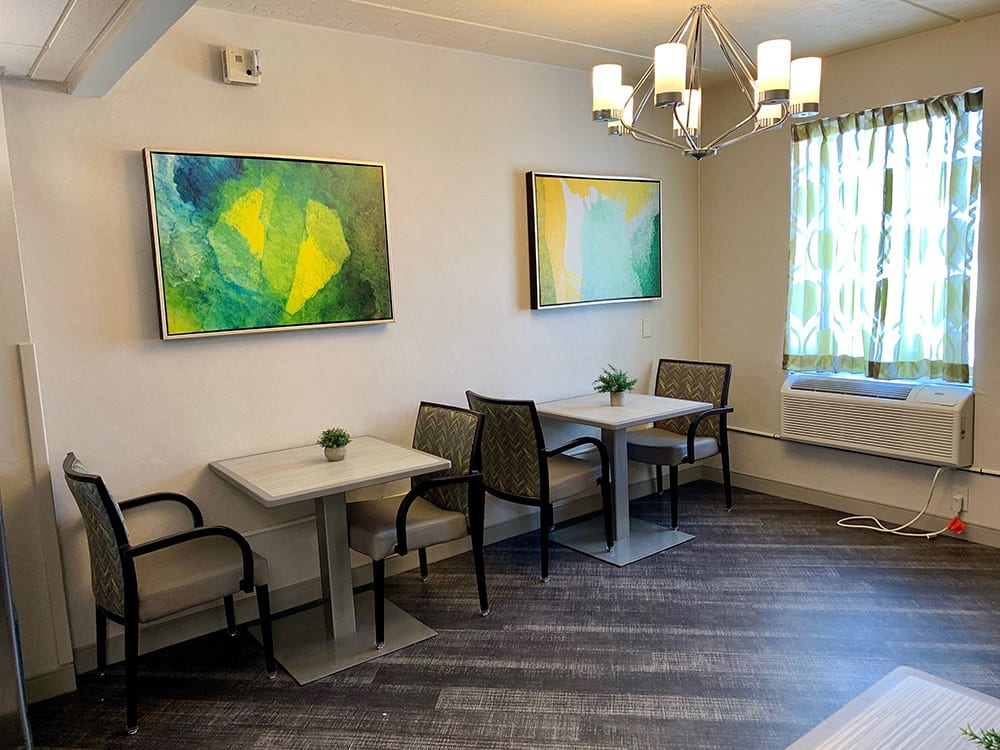
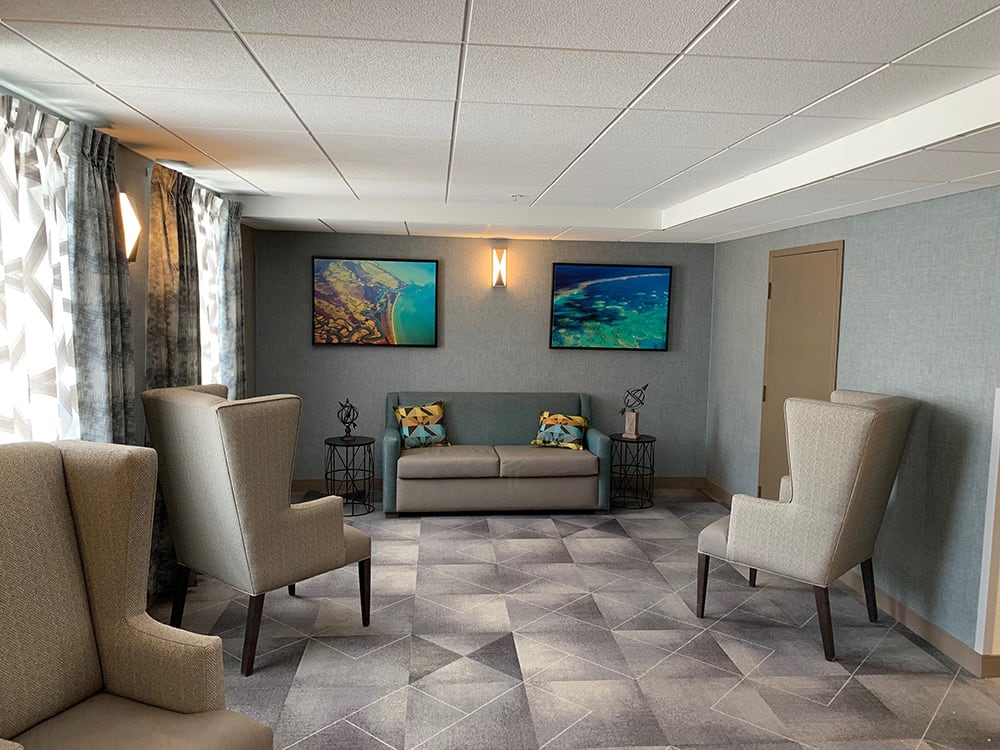
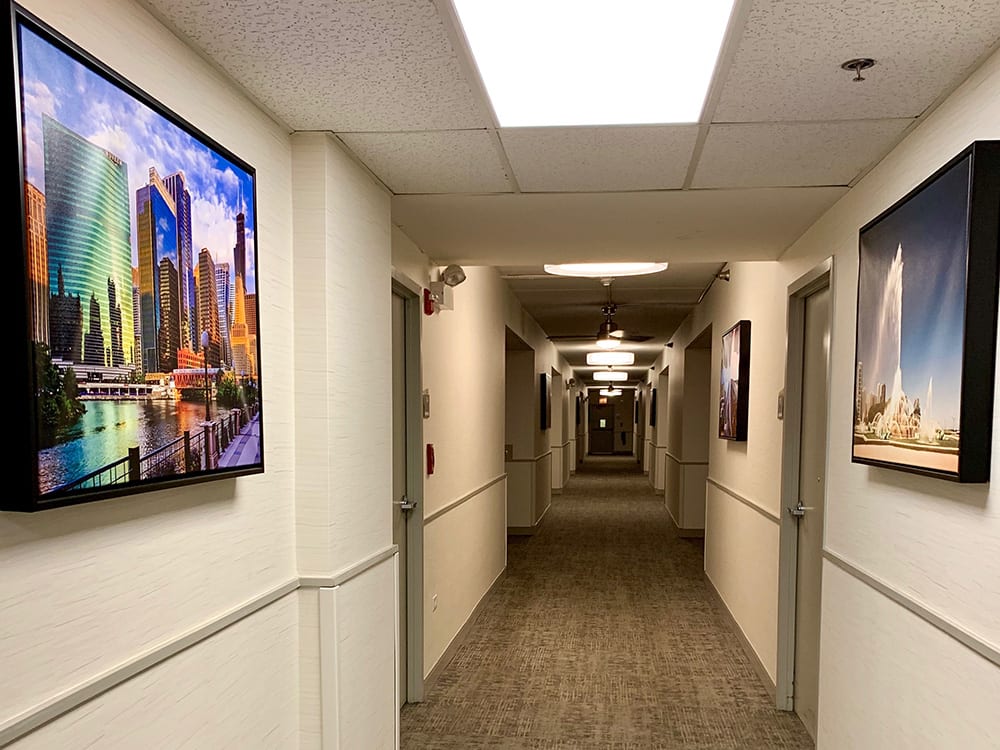
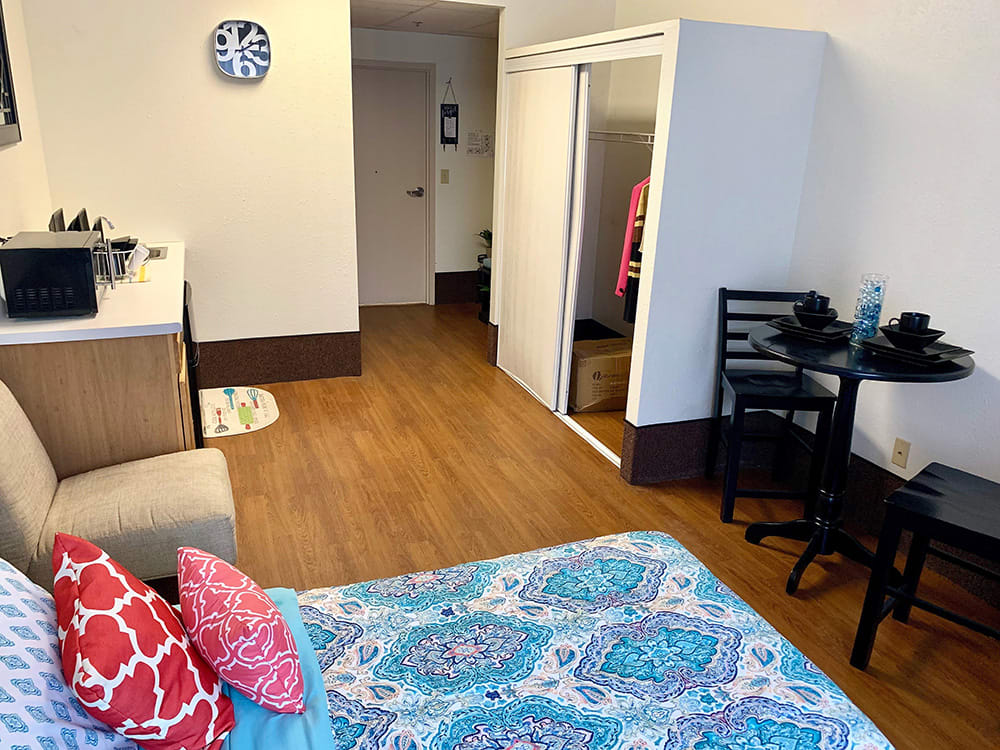
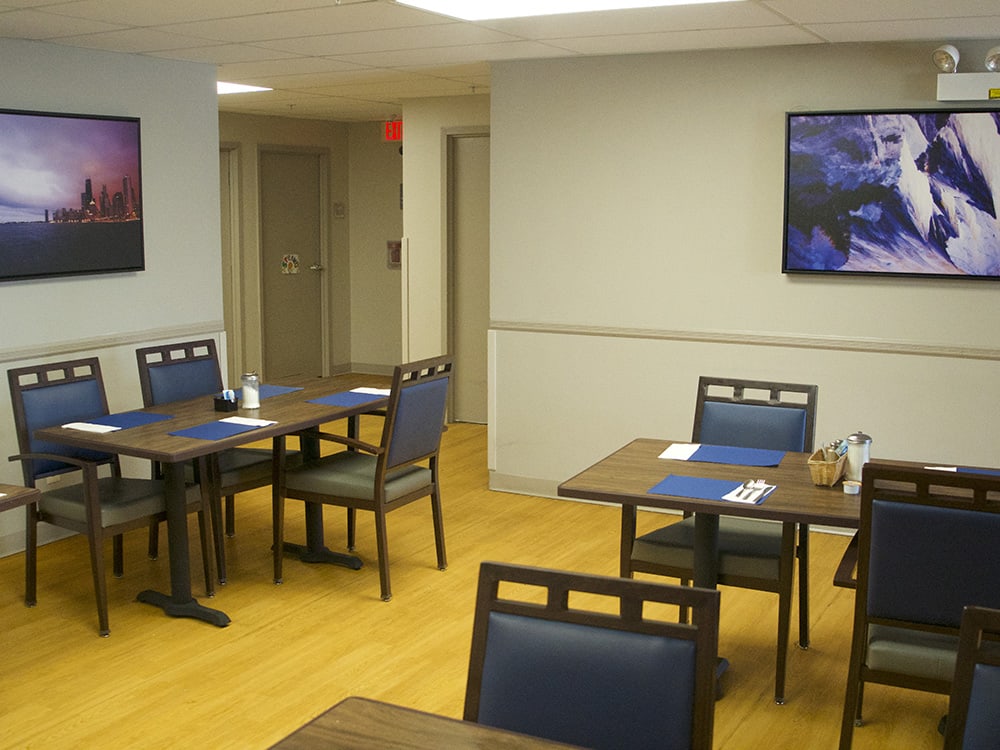
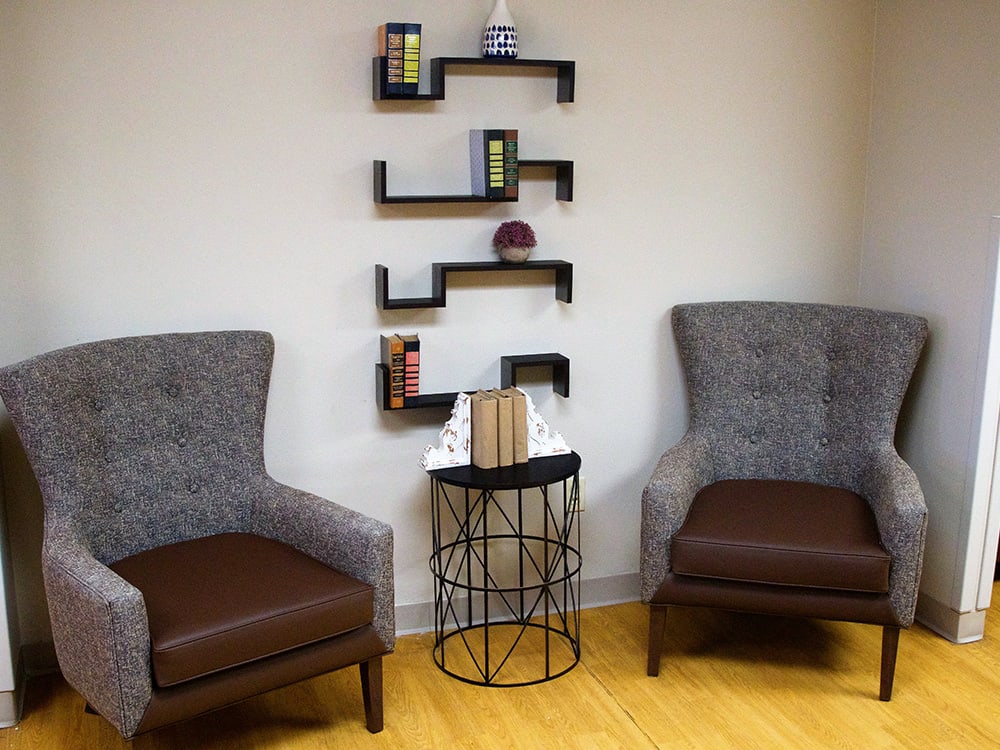
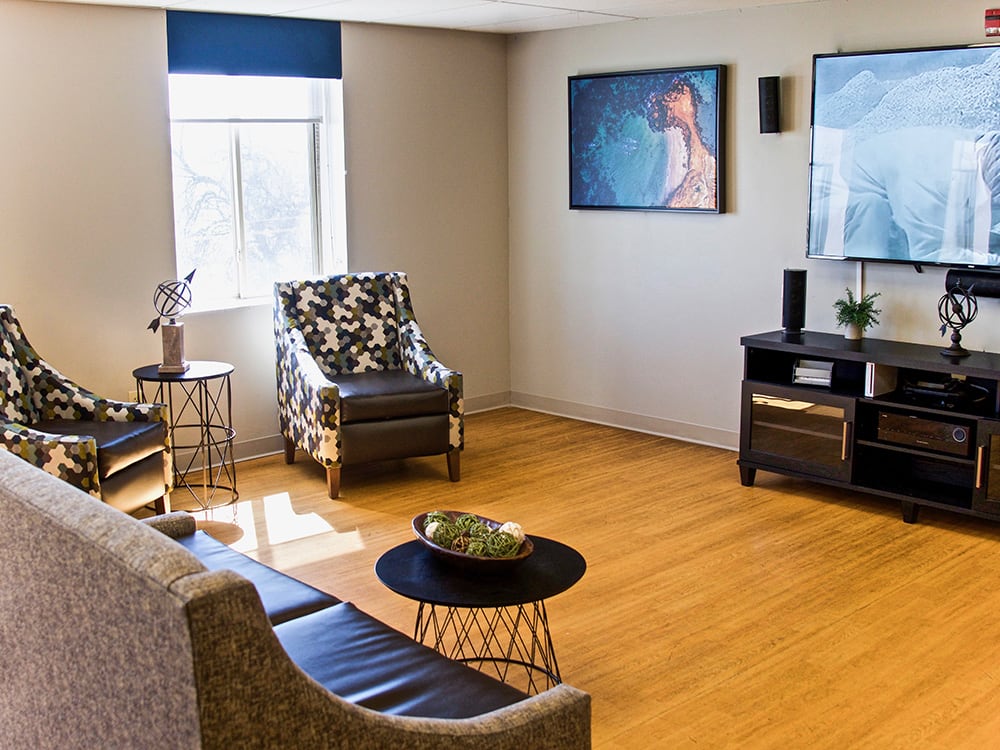
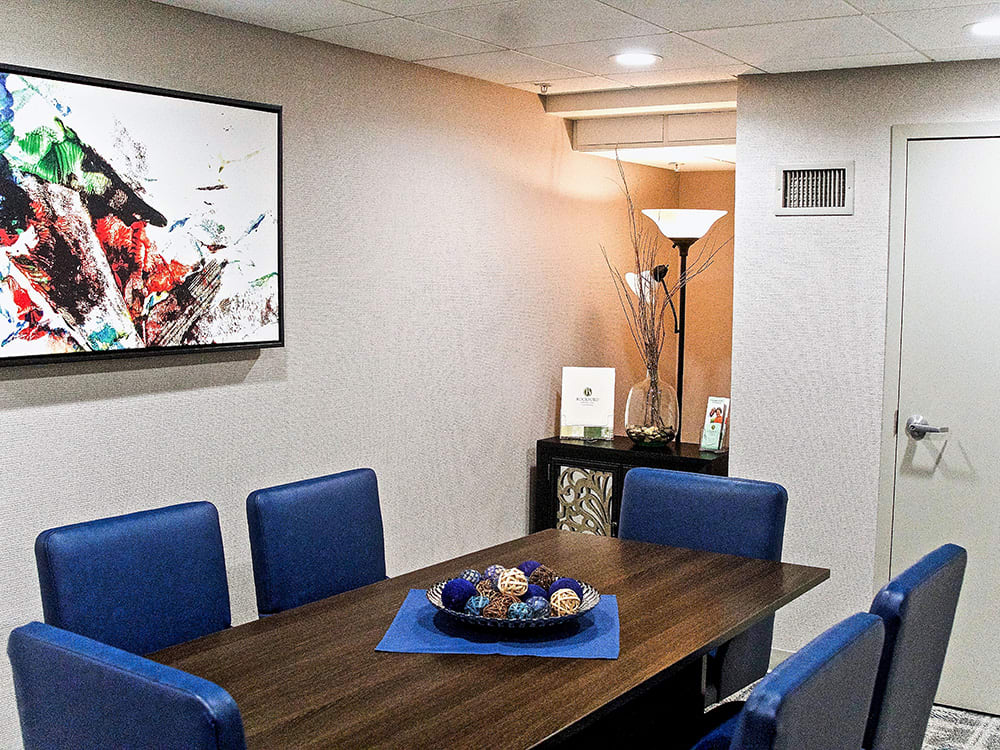
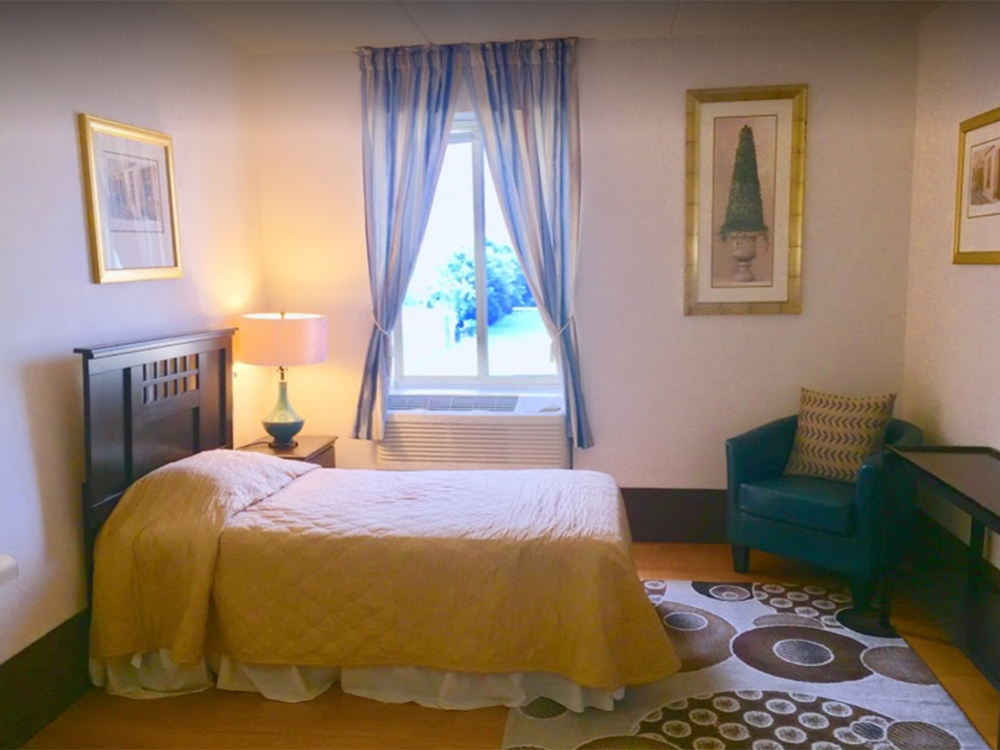
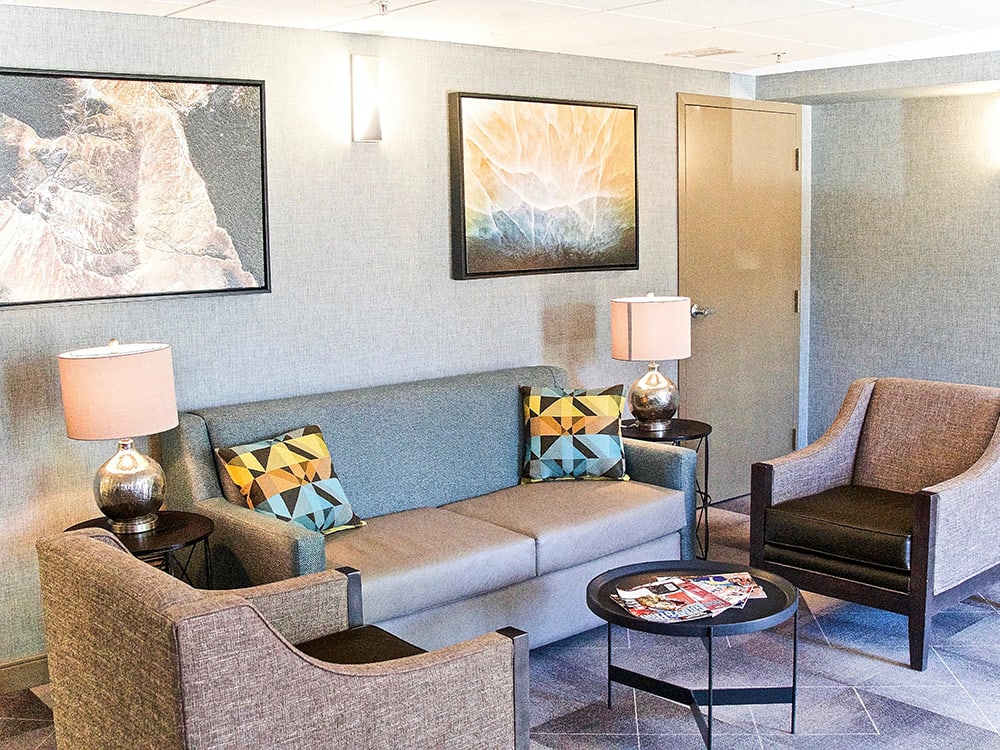
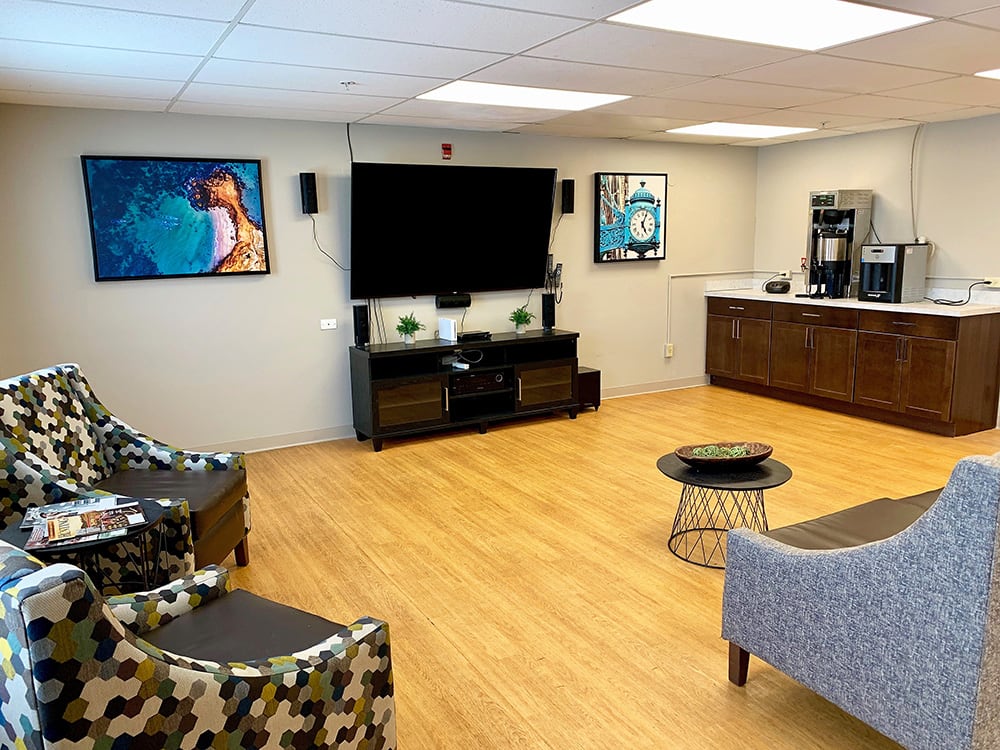
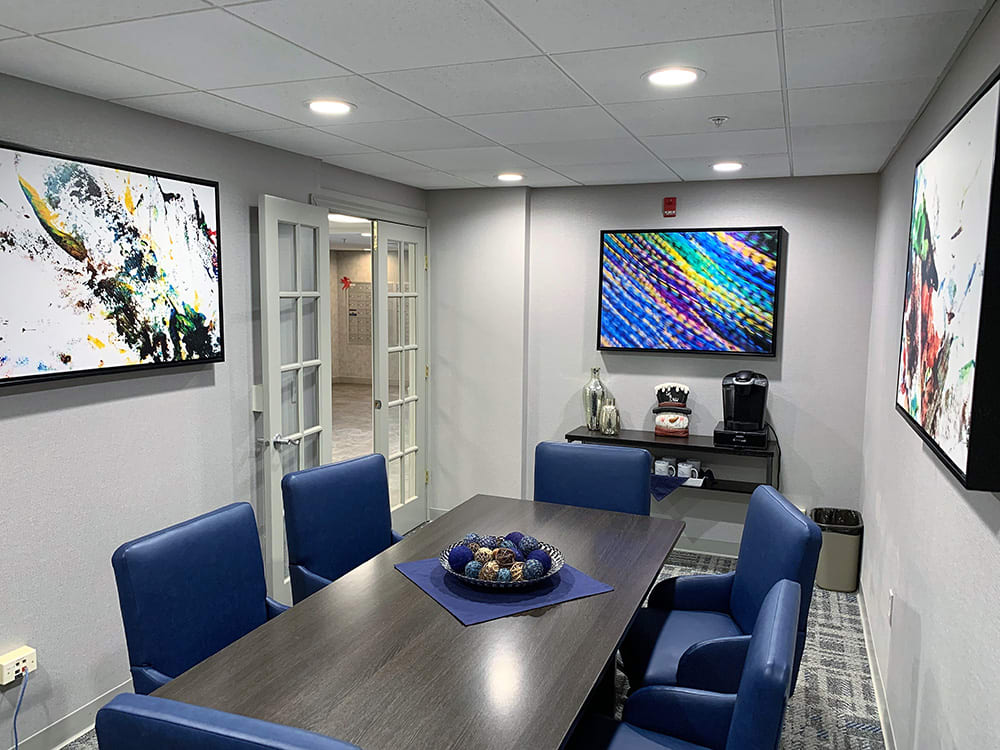
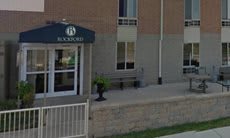
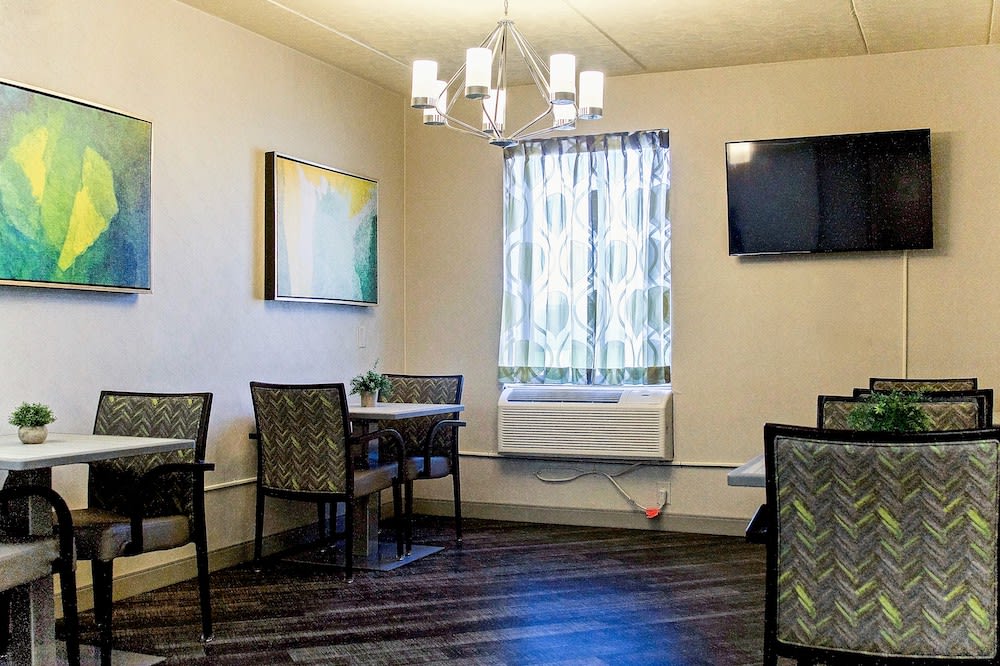
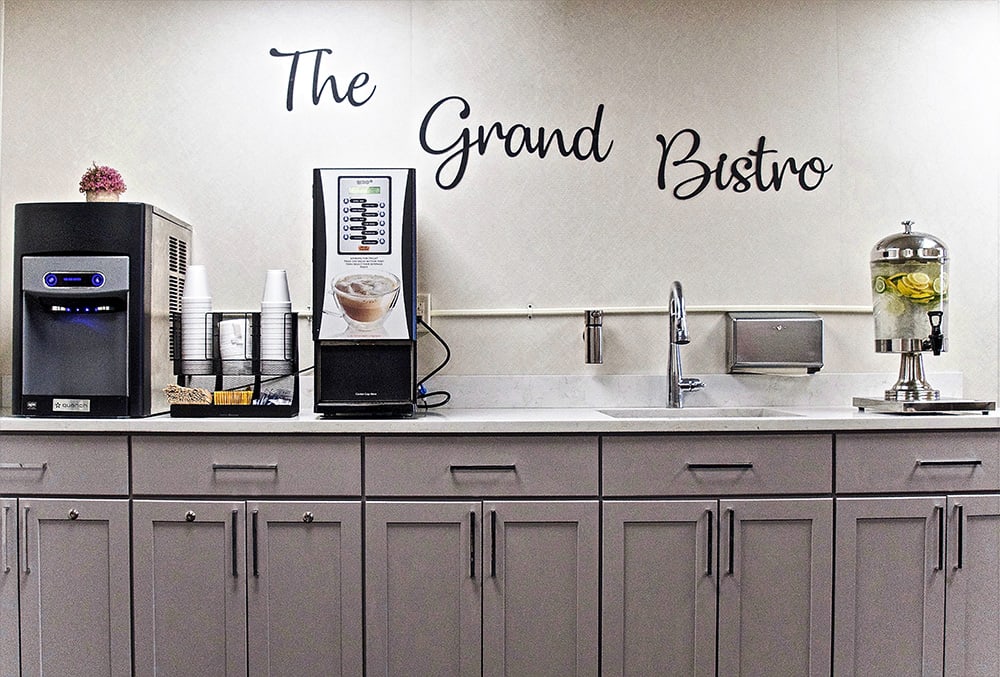
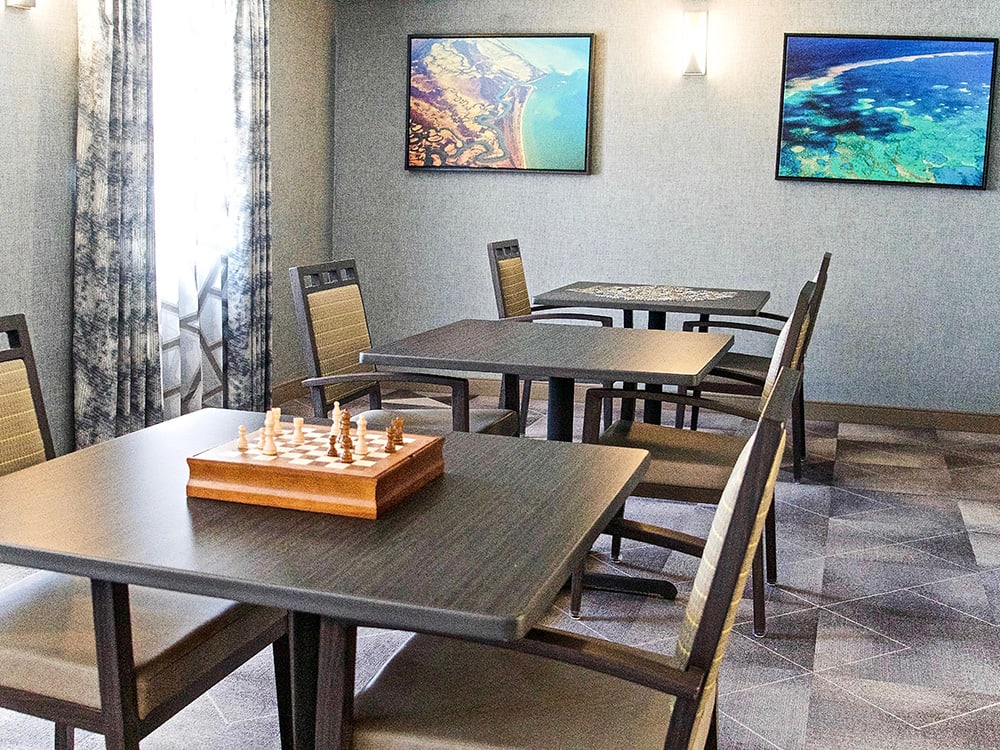
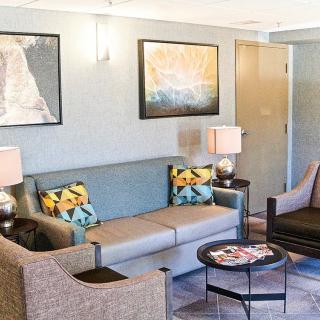
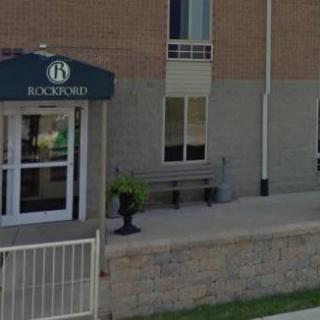
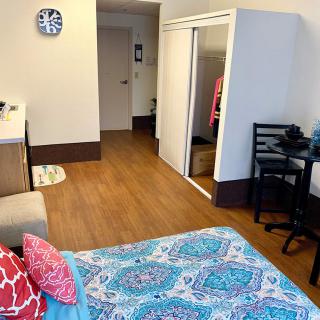
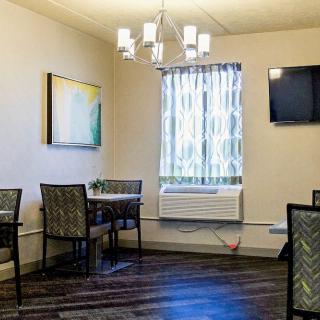
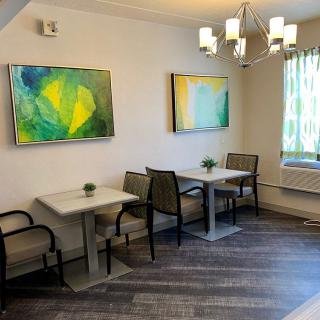
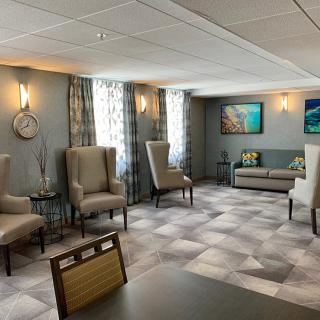
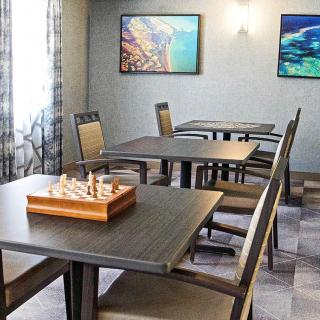
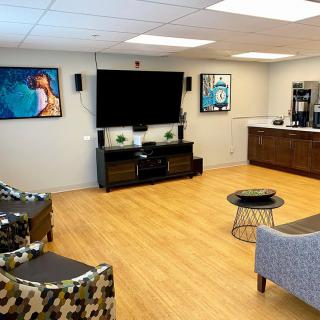
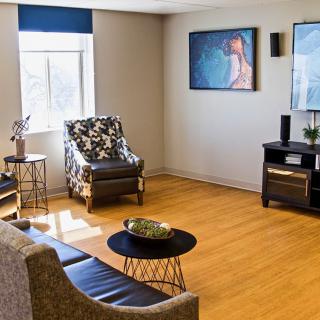
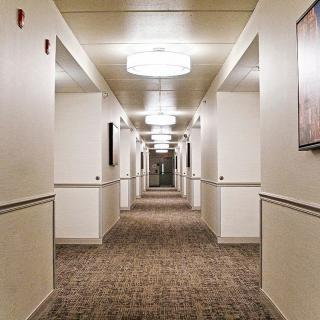
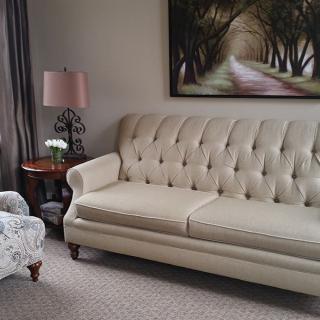
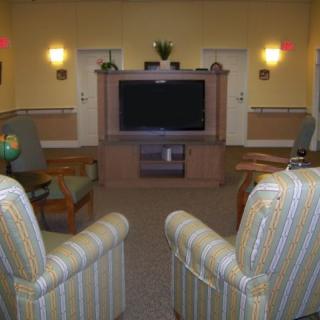
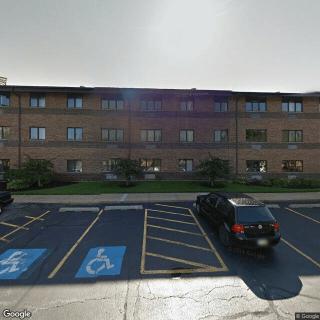
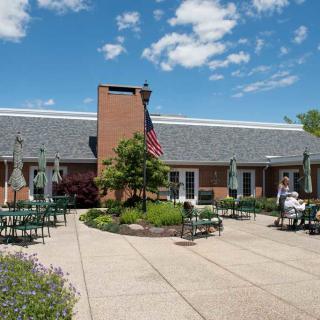
Rockford Supportive Living Center on seniors.fyi includes 24 photos including images showing interior, artwork, dining, decor, living room, windows, bedroom, wall art, and more.
Nearby Communities
Valkommen Plaza
Rockford, IL
3.1 from 18 reviews
Diabetic care with on-site beautician and active social/amenity spaces.
Ken-Rock Apartments
Rockford, IL
3.6 from 9 reviews
Excellent access to amenities and healthcare.
Longwood Plaza
Rockford, IL
Independent living with diabetic care and convenient amenities.
Faust Landmark Apartments
Rockford, IL
3.4 from 22 reviews
$568 to $646 / month
Affordable 55+ living with pet-friendly policy, on-site amenities (beautician, accessible showers), and meals provided.
Luther Center
Rockford, IL
3.6 from 22 reviews
$1,036 to $1,194 / month
Affordable, well-maintained housing with river views and responsive management.
Skyrise Apartments
Rockford, IL
4.1 from 39 reviews
Excellent access to diverse amenities (cafes, parks, pharmacies, restaurants, places of worship) and healthcare services.
Pa Peterson At The Citadel
Rockford, IL
3.3 from 135 reviews
$1,776 to $4,790 / month
Clean, homey environment with knowledgeable staff and engaging activities.
Siena on Brendenwood
Rockford, IL
4.7 from 58 reviews
Well-maintained apartments with in-unit kitchens and active social programs.
Peterson Meadows
Rockford, IL
4.9 from 40 reviews
$2,035 to $2,685 / month
Strong sense of community with friendly staff, good dining, and well-equipped apartments.
Dementia, particularly Lewy body dementia, often involves hallucinations that can significantly distress both patients and caregivers due to disruptions in sensory processing and neurotransmitter imbalances. Effective management includes compassionate communication, environmental adjustments, and a multidisciplinary approach to care while addressing the emotional needs of caregivers.
Alzheimer’s disease is a progressive neurological disorder that significantly impacts memory and cognitive functions, accounting for 60-80% of dementia cases, with early diagnosis being crucial yet challenging. It involves brain changes like beta-amyloid plaques and tau tangles, influenced by genetic and lifestyle factors, and while there is no cure, symptom management and support for caregivers are essential.
Dementia, influenced by aging and certain medications, may be exacerbated by drug classes such as anticholinergics, benzodiazepines, and antipsychotics, which are associated with cognitive impairment. Regular medication reviews by healthcare professionals are crucial for older adults to manage risks and optimize cognitive health.
Get PricingAsk A QuestionSchedule A TourContact Senior Advisor
By clicking submit, you agree to our Partner's Terms of Use. You
also consent to receive calls and texts, which may be autodialed, from our Partner. Your consent is not a condition to
using our Partner's service. Please visit our Partner's Privacy Policy for information about their privacy practices.





 Assisted Living
 Memory Care
 Activities off-site
 Air-conditioning
 Beautician on-site
 Cable or satellite TV
 Devotional services off-site
 Ground floor units
 Indoor common areas
 Kitchenette
 Outdoor common areas
 Wheelchair accessible showers
 Greater Rockford (3 miles away)
 Ambulatory care
 Incontinence care
 Medication management
 Meals provided
 BBQs or picnics
 Birthday parties
 Day trips and outings
 Live musical performances
 Stretching classes
 Trivia games
 Wii bowling
 Diabetic care with on-site beautician and active social/amenity spaces.

 Dementia-Related Hallucinations: Causes, Experiences, and Practical Approaches
 Illuminating Insights About Alzheimer's Disease: Ten Crucial Realities
 A Thorough Discussion of Medications Potentially Linked to Dementia Risk