



13820 Utica Avenue, Robbins, IL 60472
For more information about senior living options: (866) 208-4318
Overall Review of Robbins SL
Pros
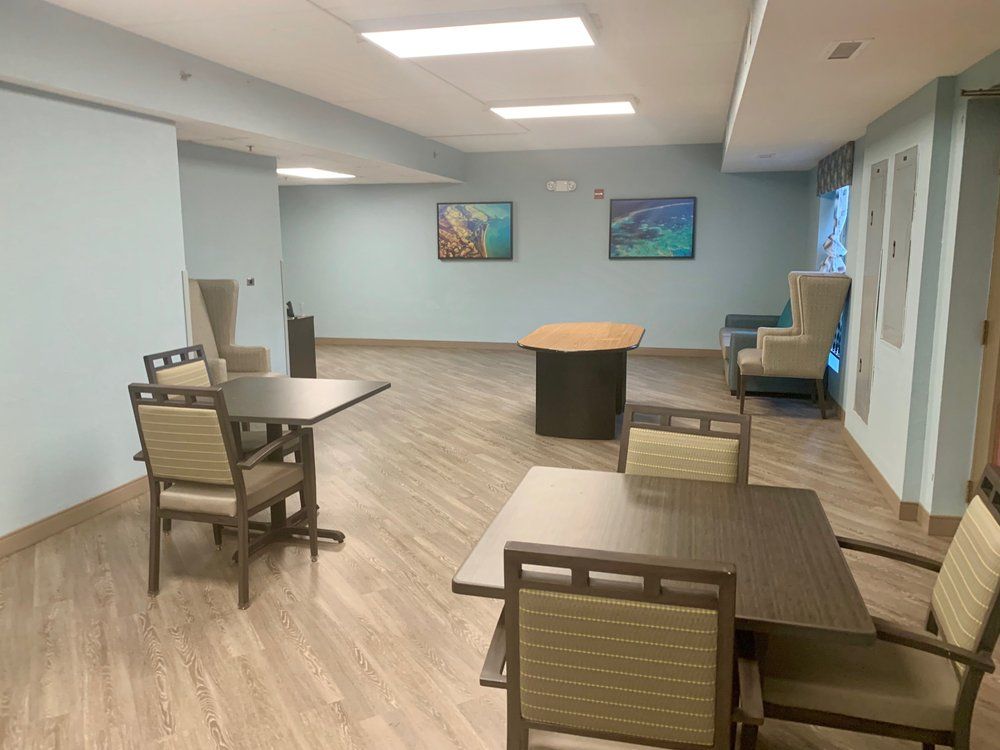
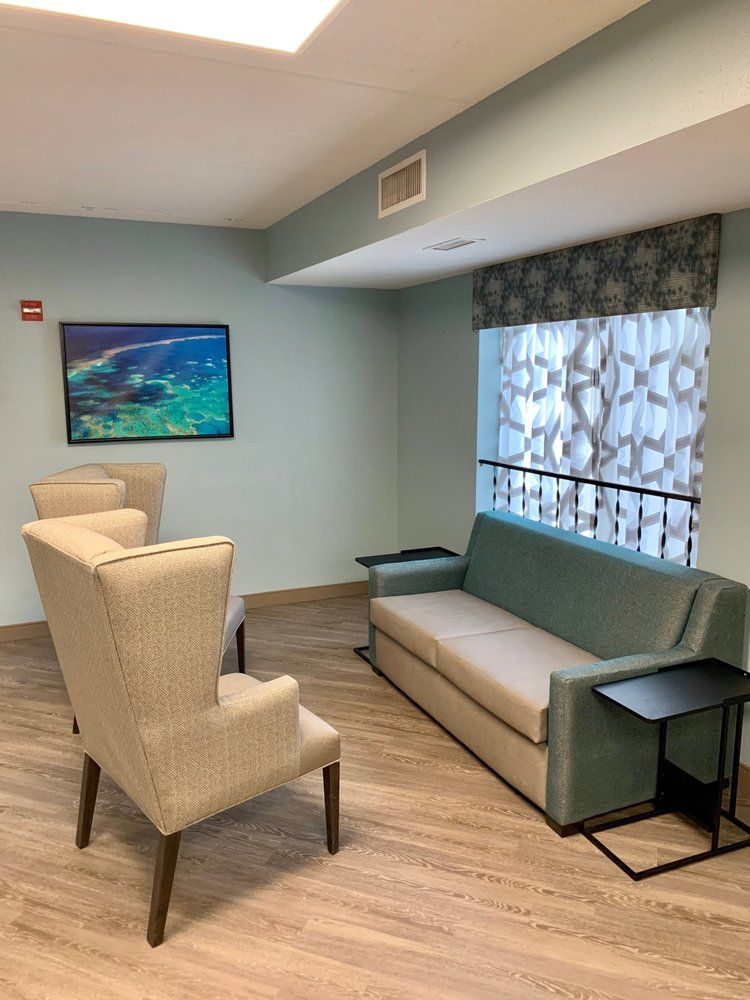
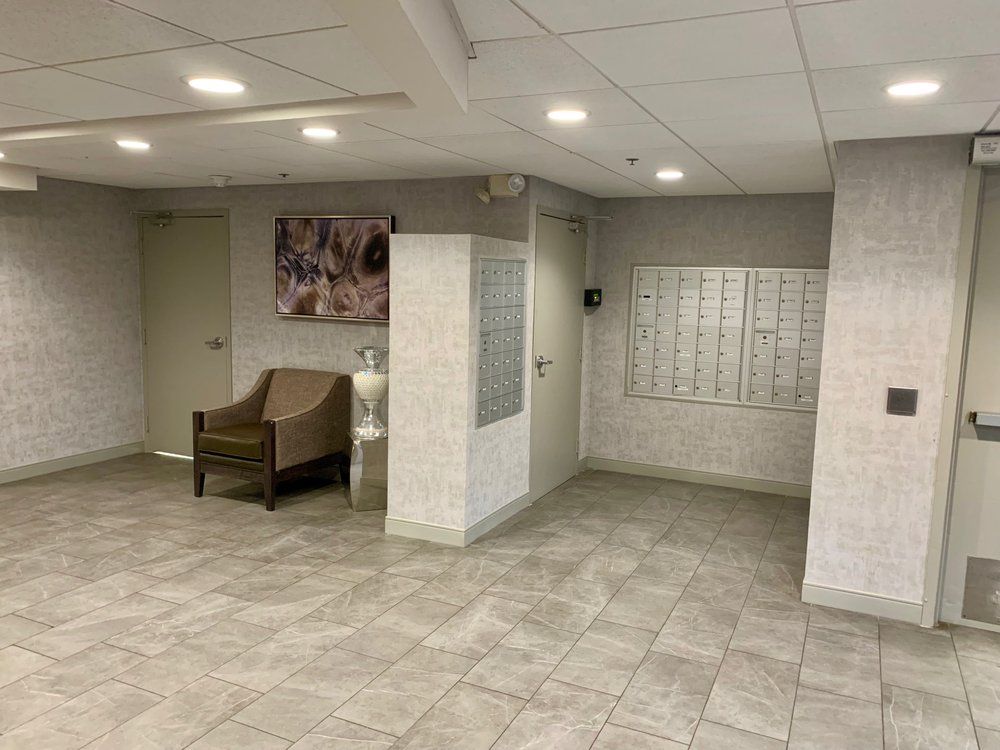
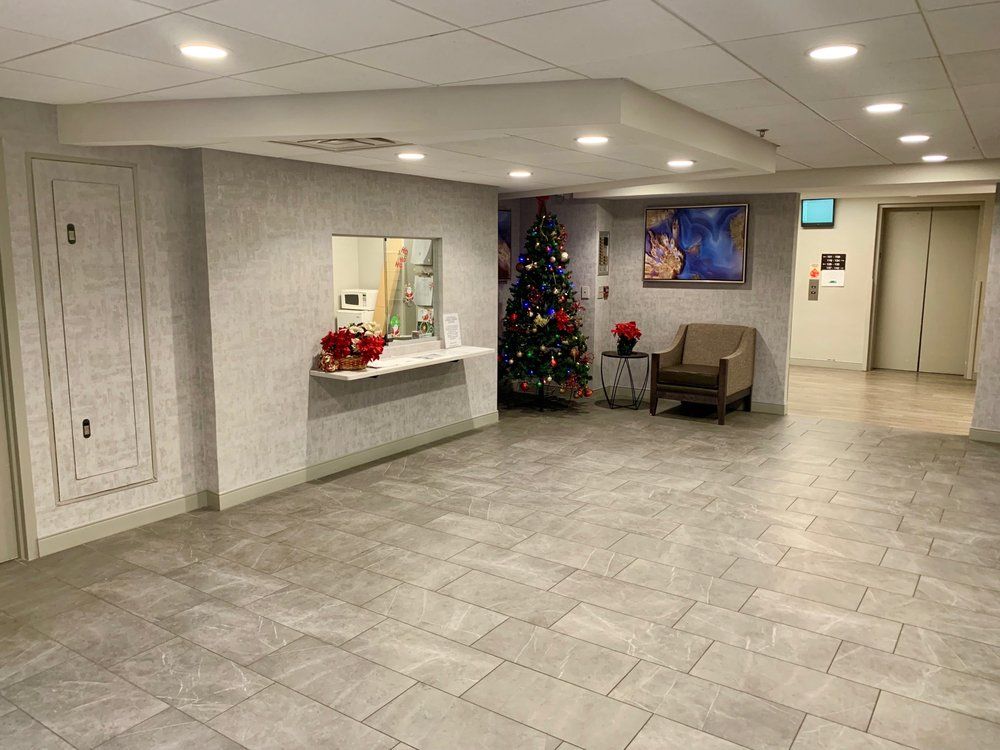
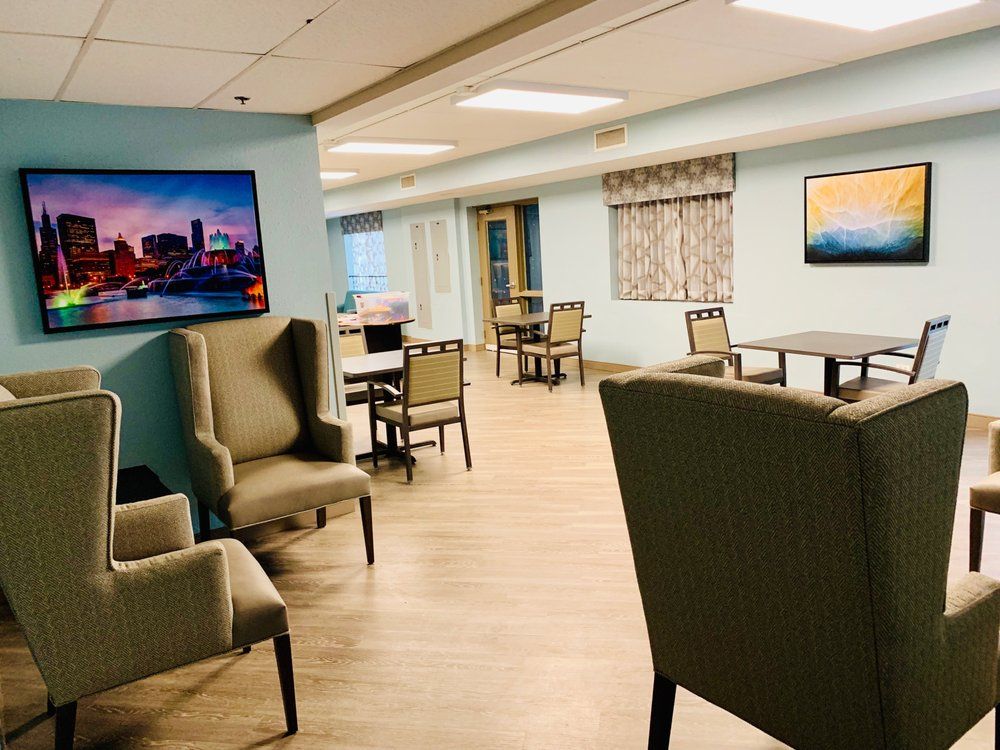
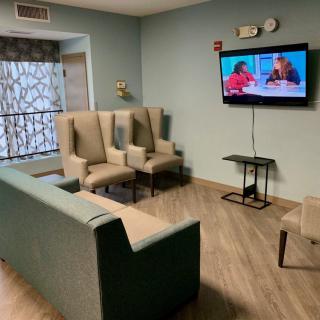
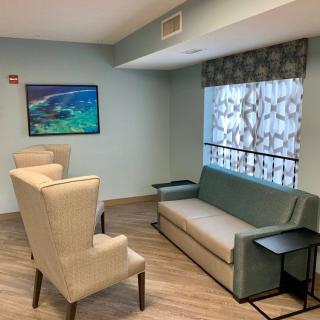
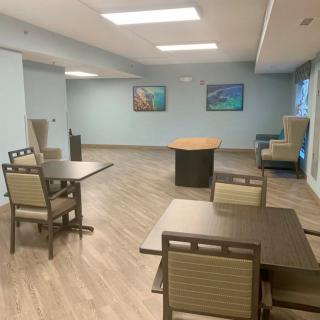
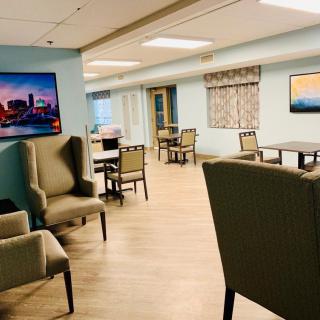
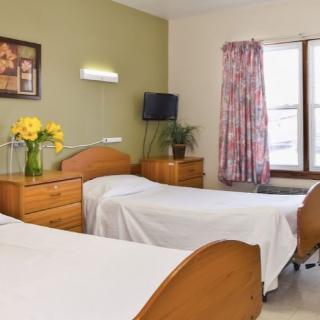
 The facility is bright, cheery, and pleasant smelling.
- Residents appear well looked after.
- The majority of the staff are friendly, concerned, and courteous.
- Meals are prepared fresh, and the overall atmosphere exudes concern for its residents.
- The facility remains a pillar in the community.
- The center has on-site nursing staff available 24/7.
Cons
 The facility is not able to provide services for residents with existing health issues that require extended care and management.
- Even with 24/7 on-site nursing staff, it cannot provide therapy and other serious care services that a nursing home would.
- The limitation means the center falls short for residents who need extended care beyond basic assisted living.
Review
This community is best suited for seniors who are largely independent but value reliable on-site medical oversight and a warm, social living environment. Robbins SL functions as an assisted living center where residents can live with little to no daily hands-on care, yet benefit from 24/7 nursing staff and a visible commitment to resident well-being. The setting is bright, cheerful, and has a fresh meals program, contributing to a sense of daily comfort. The facility’s stability is notable: it has endured a management transition without losing its standing in the neighborhood, and long-tenured residents report continuity in care and community. For families prioritizing ongoing social engagement and predictable daytime support, this rooted, community-focused atmosphere is compelling.
Those who may want to consider alternatives are residents with health issues requiring extended care, therapy, or more intensive medical management. Robbins SL cannot provide therapy services or the level of care typically found in a nursing home, despite having on-site nursing staff available around the clock. This limitation means transitions may be necessary if health status declines or if rehabilitative needs emerge. Families planning for potential future care escalations should entertain nursing homes or higher-acuity facilities that offer on-site therapy, wound care, and more comprehensive skilled services. The absence of these capabilities is a meaningful fork in the road for long-term planning.
The strongest pros lie in the atmosphere and practical care infrastructure. The environment is described as well cared-for, with staff who are friendly, concerned, and courteous. Fresh meals and a resident-focused ambiance reinforce a sense of dignity and daily comfort. The 24/7 nursing presence provides reassurance for minor medical questions, medication management, and prompt response to health fluctuations, even if full rehabilitation programs are not available. The pricing sits at the median for Illinois’ assisted living market, and the facility augments resident finances through a monthly stipend, which can ease ongoing expenses for some households. Taken together, these factors translate into a lower-stress option for families seeking steady social engagement and dependable medical oversight without stepping into a nursing-home level of care.
The primary drawbacks center on care scope. The inability to offer extended-care services or formal therapy narrows the trajectory of care in the face of growing health needs. For residents who anticipate requiring physical therapy, occupational therapy, or skilled nursing interventions on a regular basis, Robbins SL may delay or complicate those plans. While the onsite nursing team provides essential coverage, the gap between assisted living and skilled nursing care remains real. Families should be prepared to explore transitions to a different facility if a resident’s medical needs evolve beyond what this community can support, and to have a contingency plan in place for interim or long-term rehabilitative services.
Nevertheless, the pros align well with the realities of many late-life care paths. The combination of a community-focused setting, personal attention from staff, and dependable medical oversight makes Robbins SL a solid choice when independence is the goal, coupled with reassuringly available nursing support. The presence of a monthly stipend is not a universal perk, but in this case it enhances affordability relative to comparable properties, adding a meaningful financial edge for households navigating fixed incomes. The “pillar in the community” reputation adds a layer of trust, suggesting that residents are valued and relationships are stable, which matters as families consider not only today’s needs but tomorrow’s plans.
In the end, families evaluating options will find Robbins SL to be a practical, confident fit for those who prize independence with a safety net. It is less suitable for anyone whose care requirements include ongoing therapy or advanced medical management typical of a nursing home. For households facing the possibility of escalating health needs, it is prudent to couple this option with visits to facilities that offer robust therapy services and skilled nursing, to keep future transitions manageable. A focused tour, candid conversations about care limits, and a clear long-range care plan will reveal how Robbins SL can best serve current needs while illuminating the path should health concerns intensify.
 6 resident community capacity
 Assisted Living
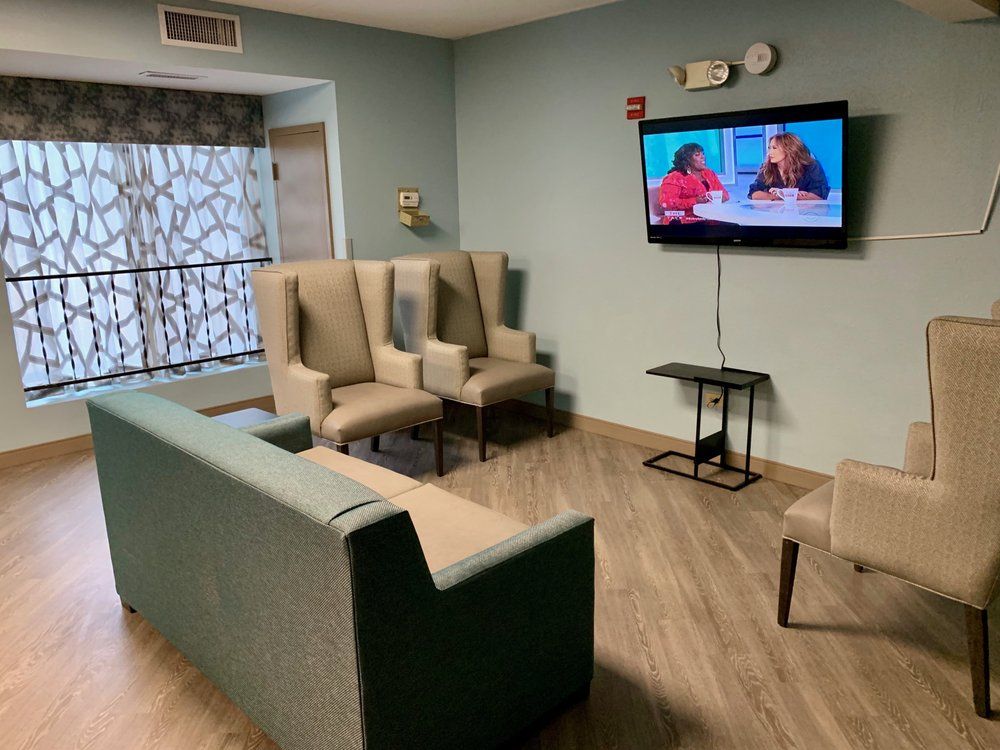
 Cable or satellite TV
 Dining room
 Fully furnished
 Garden
 Housekeeping services
 Move-in coordination
 Outdoor space
 Telephone
 Wi-Fi/high-speed internet available
 Chicago Midway (10 miles away)
 24-hour supervision
 Activities of daily living assistance
 Assistance with bathing
 Assistance with dressing
 Assistance with transfers
 Diabetes diet
 Meal preparation and service
 Medication management
 Special dietary restrictions
 Transportation arrangement (medical)
 Transportation to doctors appointments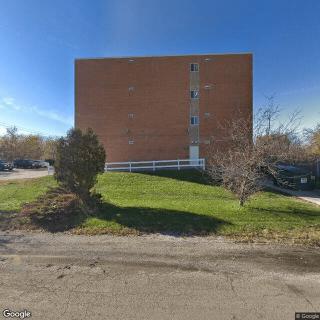





 A Detailed Exploration of Assisted Living Medicaid Waivers Across the United States
 Comprehensive Residential Support and Assisted Living Solutions for Individuals with Disabilities
 Comprehensive Supportive Living Arrangements for Adults with Disabilities