
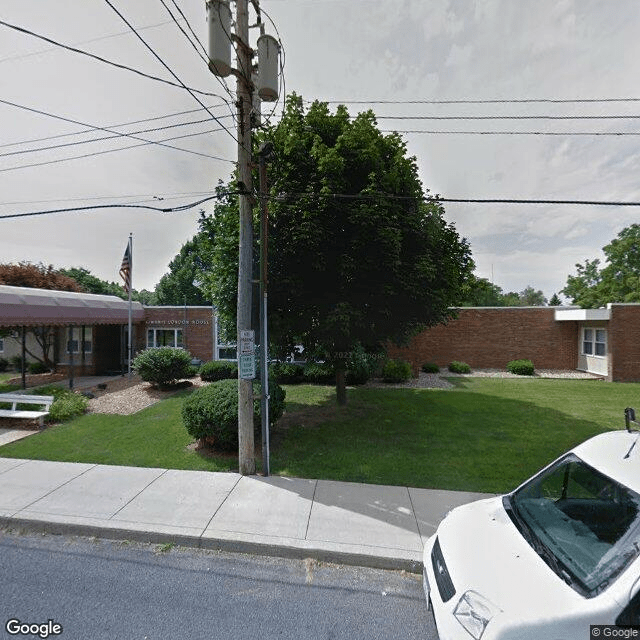
1408 E London Ave, Peoria, IL 61603
To contact a resident: (309) 682-5797
For more information about senior living options: (866) 208-4318
Kiwanis London House Costs & Pricing
Kiwanis London House offers competitive monthly rates for its accommodations, significantly lower than the regional and state averages. For a one-bedroom unit, residents pay just $526, a stark contrast to the Peoria County average of $3,055 and the statewide figure of $3,527. Similarly, two-bedroom options at Kiwanis London House are available for $838, well below Peoria County's rate of $4,115 and Illinois' average of $4,208. These cost-effective offerings make Kiwanis London House an attractive choice for those seeking quality housing without the burden of exorbitant expenses.
| Floor plans | Kiwanis London House | Peoria County | Illinois |
|---|---|---|---|
| 1 Bedroom | $526 | $3,055 | $3,527 |
| 2 Bedrooms | $838 | $4,115 | $4,208 |
Senior living communities with a similar price nearby
-
from +$23 / mo

Snyder Village a CCRC
$549 to $3,275 / month12.4 miles away -
from +$35 / mo

Galena Park Terrace Apartments
$561 to $781 / month1.8 miles away
Overall Review of Kiwanis London House
Pros
 The facility is very nice and well maintained.
- Residents say everyone knows everyone, creating a warm community.
- Staff and tenants are friendly and helpful.
- Utilities are included in the rent.
- It is a nice senior community in a quiet area.
- The floor plan supports independent living and easy daily life.
- Most needs are met within the rent payment.
- Rent includes utilities and is described as wonderful.
- Laundry service is free.
- For many residents, moving here has been life-changing.
Cons
 Her only problem is the bus route to her work.
- The cost is higher than what they paid before.
- They don’t have too many activities.
Review
Kiwanis London House in Peoria is best suited for independent seniors who want a small, quiet, neighborly setting where people know each other and daily life centers on comfort and predictability. The community shines for residents who are ambulatory but appreciate a floor plan that makes independent living feasible with a light layer of support when needed. Apartments are sized for singles, and there are various options in price and layout to fit budgets without sacrificing essential comforts. Utilities included in the rent relieve the month-to-month burden, and the neighborhood itself tends to feel safe and low-stress. This is the kind of place where routines are stable, the pace is calm, and social ties form naturally among long-standing residents. For seniors needing more intensive daily care, broader activity calendars, or transport options beyond occasional events, alternatives are worth evaluating.
Pros start with upkeep and atmosphere: residents and family members repeatedly note a well-maintained environment and a culture where everyone knows everyone. The apartments are comfortable for solo living, and multiple floor plans provide options that remain on one level where possible. Utilities included in the rent simplify budgeting, and the location sits in a quiet, residential stretch that minimizes noise. Staff and residents alike describe a friendly, helpful vibe, and the sense of community is reinforced by regular informal gatherings, potlucks, bible study groups, and shared moments that make living here feel like a small town rather than a corporate campus. A final practical plus: one reviewer highlights free laundry service, which eases daily chores and keeps daily life friction-free.
Another clear strength is the design for independence with light support: the layout suits someone who is ambulatory and wants to succeed with Independent Living. The floor plan is described as conducive to maintaining autonomy while reducing friction in daily routines. Reviewers consistently say the rent covers most basic needs, and the small community size fosters approachable interactions with staff and neighbors. The home sits in a clean, quiet neighborhood and remains close enough to local anchors like War Memorial and Prospect, offering convenient outings without congestion. In short, this is a location where safety, ease of getting around, and a predictable schedule help residents live with dignity and purpose, not just occupy space.
Yet a few notable drawbacks temper the otherwise favorable picture. Some families note that the overall cost can be higher than previous housing, even when utilities are included, which requires careful budget alignment. Activity programming tends to be modest rather than bustling; social life often centers on occasional cookouts and small group events rather than a full calendar of classes or excursions. Transportation logistics can be a sticking point for residents with work or doctor appointments, as one review points out a challenging bus route. The “group” aspects are uneven, residents have their own kitchens, and there isn’t a robust on-site meal plan or many large-group dining opportunities. For those who crave frequent, structured activities or require more frequent transit options, alternatives merit serious consideration.
However, the strengths do offset these concerns in practical, tangible ways. Utilities included at a time of rising bills materially ease monthly budgeting, while the one-level floor plans reduce trip hazards and simplify mobility. The small, friendly community creates a sense of belonging that can outweigh the lack of a heavy activity calendar, especially for residents who value safety, quiet, and predictable rhythms. Staff are described as accommodating, and residents report a high degree of satisfaction with living arrangements and security. Free laundry adds a practical perk, and the overall tone of the community, calm, clean, and neighborly, supports sustained independence without the need for constant monitoring. For many families, those practical harmonies will be decisive.
Bottom line: Kiwanis London House is a strong fit for independent seniors who want a quiet, affordable, small-community atmosphere with included utilities, walkable layouts, and a respectful, familiar environment. It is less suitable for those seeking intensive daily care, abundant programming, or robust transportation options. Prospective movers should verify current pricing against included services, tour several units to compare floor plans, and assess whether the limited activity slate matters given personal social needs. If the goal is steady independence within a supportive, low-stress setting, this community delivers. For families prioritizing more diverse activities, stronger transit links, or higher levels of care, exploring alternatives that scale with those expectations is prudent.
 Active Adult Communities (55+)
 Bath tubs
 Cable or satellite TV
 Indoor common areas
 Outdoor common areas
 Wi-Fi/high-speed internet available
 Greater Peoria Regional (8 miles away)





 Comprehensive Guide to Blood Pressure Charts for Older Adults: Understanding Normal and High Readings by Age
 Financing Long-Term Nursing Home Care Through Social Security: A Thorough Exploration
 Essential Knowledge on Pneumonia in Older Adults