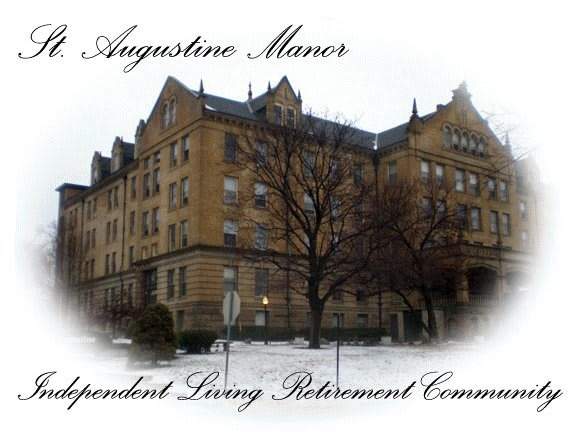


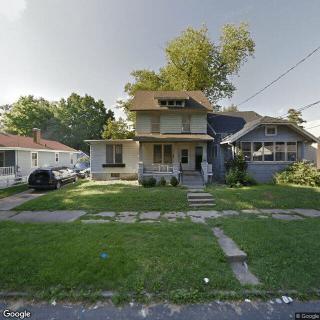
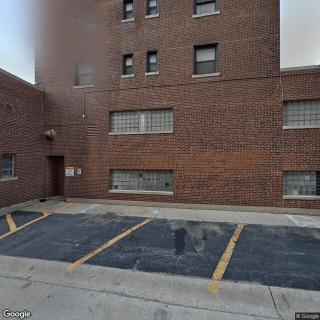
1301 NE Glendale Avenue, Peoria, IL 61603
To contact a resident: (309) 674-7069
For more information about senior living options: (866) 208-4318
St. Augustine Manor Costs & Pricing
St. Augustine Manor offers competitive pricing for its living accommodations, particularly when compared to both Peoria County and the broader state of Illinois. The cost for a one-bedroom unit at St. Augustine Manor is $650 per month, which is significantly lower than the county average of $3,055 and the state average of $3,527. For those seeking more space, the two-bedroom units at St. Augustine Manor are available for $1,700 per month, also presenting savings in contrast to Peoria County's average of $4,115 and Illinois' state average of $4,208. These figures highlight St. Augustine Manor as an affordable option for prospective residents who prioritize both comfort and value in their housing decisions.
| Floor plans | St. Augustine Manor | Peoria County | Illinois |
|---|---|---|---|
| 1 Bedroom | $650 | $3,055 | $3,527 |
| 2 Bedrooms | $1,700 | $4,115 | $4,208 |
Independent Living communities with a similar price nearby
-
from -$101 / mo

Snyder Village a CCRC
$549 to $3,275 / month13.4 miles away
Overall Review of St. Augustine Manor
Pros
 St. Augustine Manor is an all-in-one community with a beautiful on-site church and not-for-profit status.
- Tiffany is an excellent and wonderful staff member.
- The community is reasonably priced and offers the amenities residents look for.
- They provide transportation to doctors and host outings and social events.
- The property is clean and well maintained, and the staff are friendly.
- St. Augustine Manor has a warm, close-knit community with staff who truly care for the residents.
- There is a chapel with daily Mass on-site.
- The building features an elevator, a beauty shop, laundry, and meals prepared fresh on-site; the food is excellent.
Cons
 The reviewer found it appalling that the message board and the property manager refused to allow the family to enter to clean out their father's possessions.
- The reviewer noted that the staff showed no sympathy for their situation and considered it not an emergency to gather their father's possessions.
- The reviewer stated that the property deserves negative stars.
- The reviewer expressed concerns about the neighborhood and location, describing it as not the best and potentially unsettling.
- The reviewer complained that the A/C was not on, leaving the building warm even though outside temperatures were high.
- The reviewer indicated the studio apartment is very small and may not be suitable for some.
- The reviewer mentioned the steep hill, noting it could make driving in and out uncomfortable.
Review
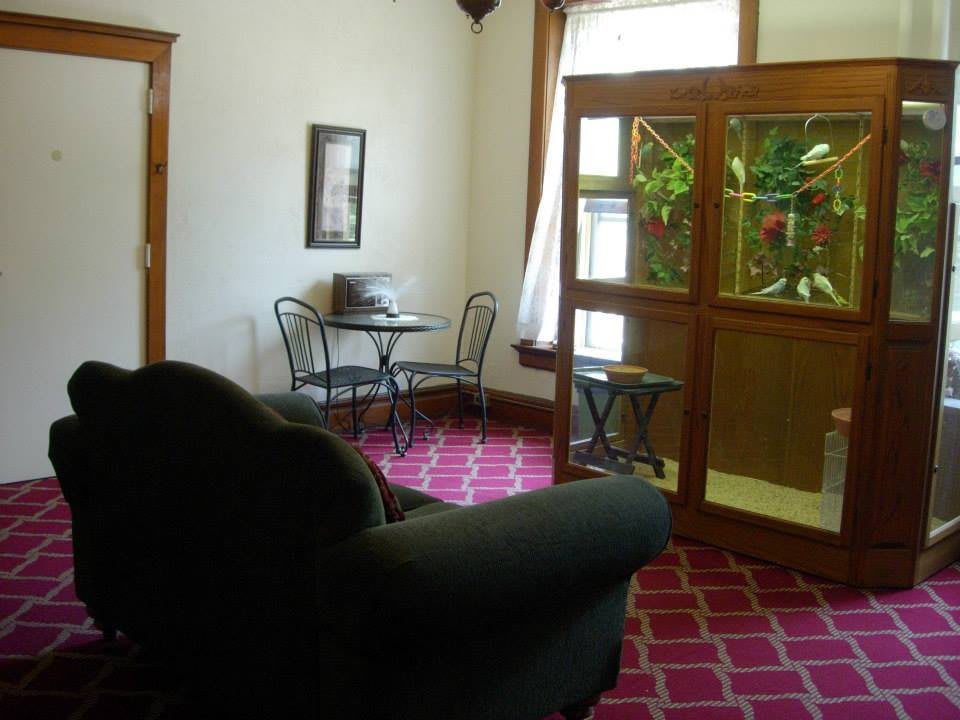
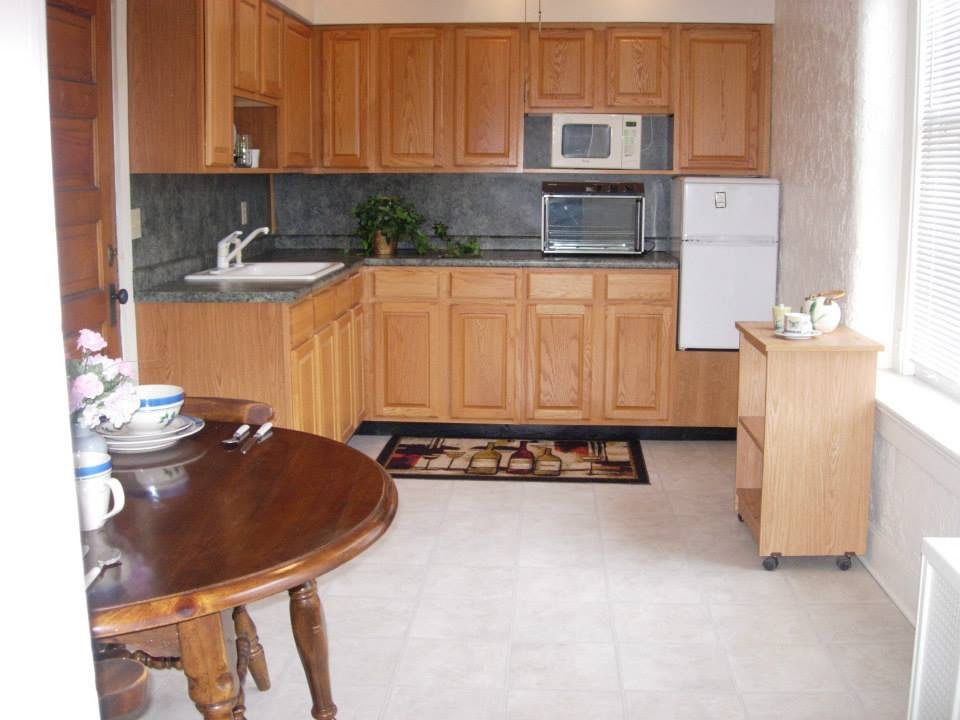
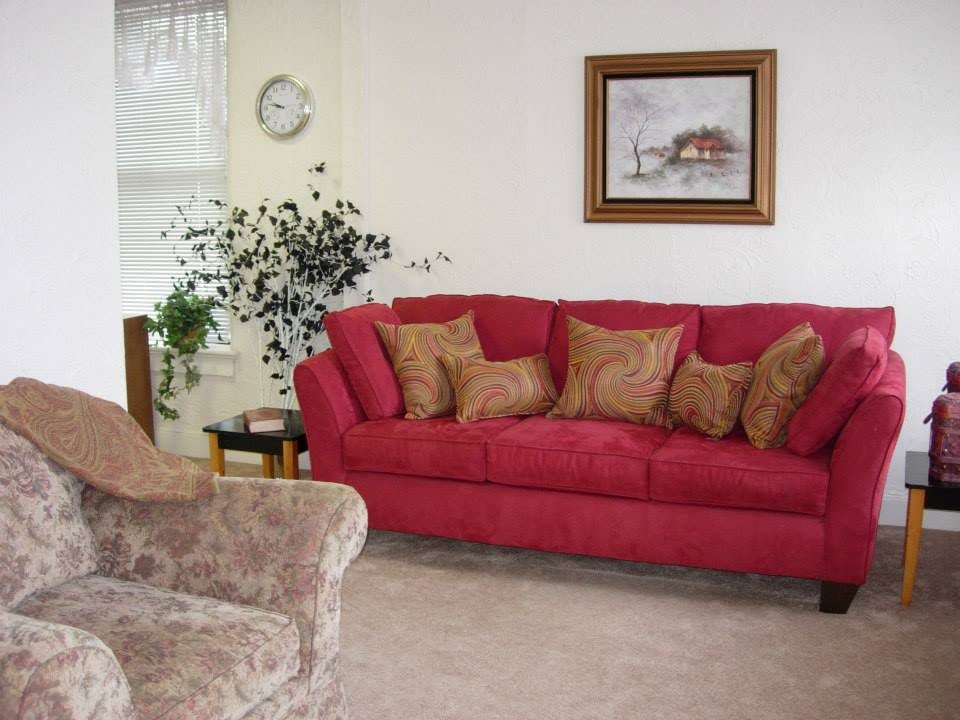
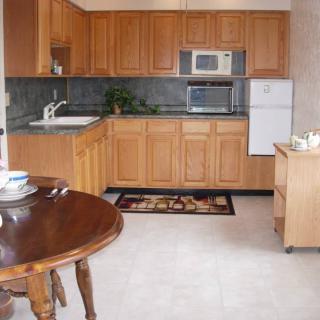
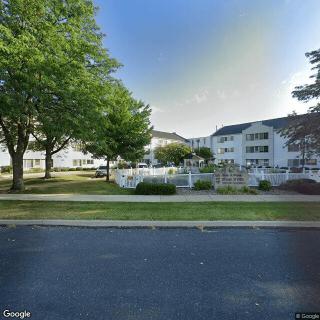
St. Augustine Manor in Peoria is best suited for active, faith‑oriented seniors who want an all‑in‑one, not‑for‑profit living setting that folds a Catholic church, social life, and practical services into a single campus. The on‑site chapel and daily Mass establish a built‑in spiritual routine, while the not‑for‑profit ethos signals a mission driven by residents’ welfare rather than independent profit. Residents benefit from a welcoming, well‑maintained environment with tangible conveniences: on‑site laundry, a beauty shop, a covered garage option, and coordinated transport to medical appointments and outings. The older building’s period furnishings create a warm, homey atmosphere, and unit layouts tend to accommodate a modest amount of belongings, with kitchens that offer flexibility even when a full oven isn’t in the unit.
Those weighing alternatives should note this is not a brand‑new campus with every possible modern amenity. For some, a more contemporary floor plan, steadier climate control across the building, or larger, more open apartments will be decisive. Several reviews reference a steep hill on the property, and the surrounding neighborhood may feel less polished to first‑time visitors. In addition, meals are not included by default and carry extra charges, which can push living costs higher for residents who want all meals bundled. For seniors who require intensive rehab services or highly specialized care, other communities may deliver a more robust care model.
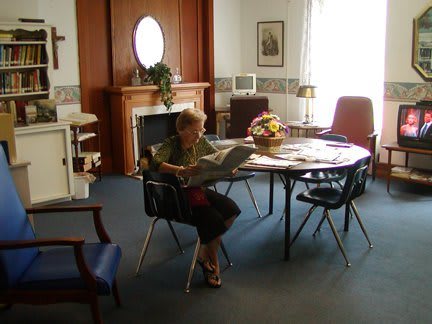
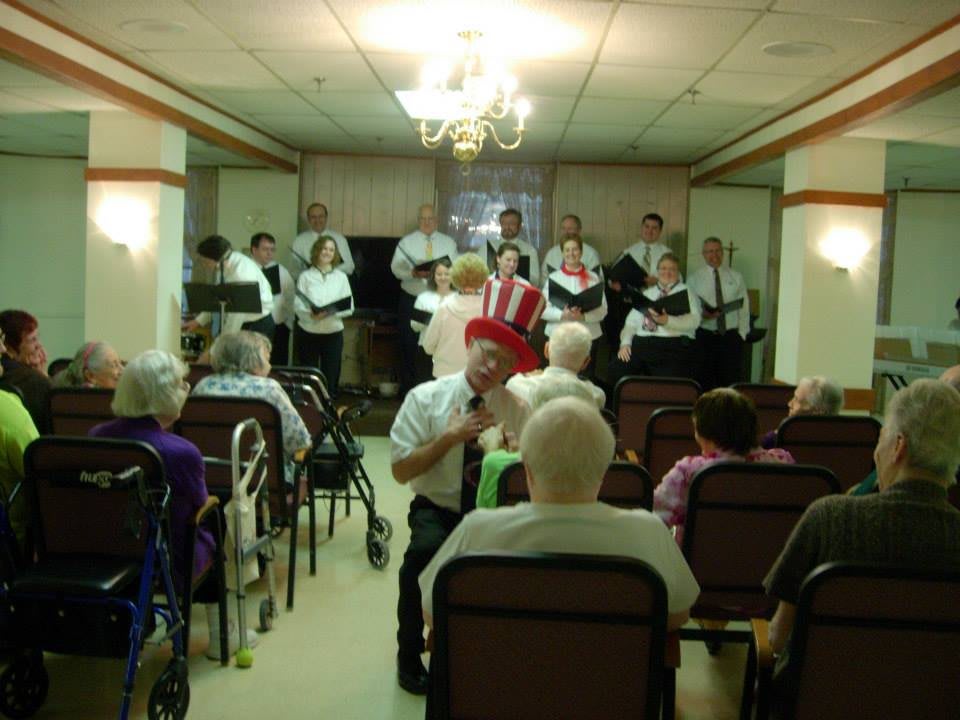
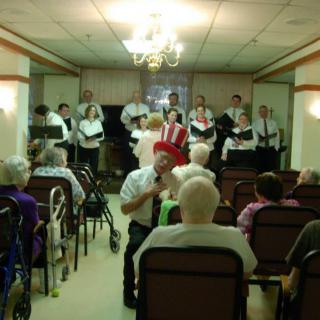
The strongest assets lie in the human fabric of the community. A warm, close‑knit vibe pervades the halls, with staff consistently described as kind, helpful, and genuinely invested in residents’ well‑being. Move‑in processes tend to be smooth, and the team, experienced managers and long‑time volunteers, receives widespread praise for hospitality and accessibility. Residents enjoy a steady stream of social life: organized outings to Walmart, activities in a communal setting, regular on‑site services like a beauty shop and laundry, and the anchor of a Catholic chapel supporting daily Mass. For many families, the sense of belonging and ease of getting things done on campus outweighs other considerations and creates a true sense of home.
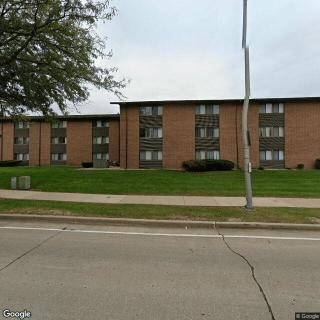
Yet there are genuine tradeoffs. The building’s age translates into smaller or more dated apartments and uneven climate control; some units lack an oven, and meals incur separate charges. The perception of a less convenient neighborhood, plus logistics tied to a hilltop location, can complicate visits or daily errands. A notable critique centers on a moment of rigid policy during a family bereavement, highlighting a gap between procedural norms and compassionate response in extraordinary circumstances. These incidents underscore that, while staff are praised for warmth, policy clarity and flexibility at key moments matter deeply to families evaluating long‑term arrangements.
Despite these caveats, the practical strengths frequently offset the drawbacks. The combination of faith life, communal warmth, and a clear sense of daily rhythm provides stability and social support that many seniors prize. Cleanliness and regular maintenance appear consistently, and the option of transportation to appointments reduces practical stress. The “home” aspect is reinforced by an active resident culture, people greet one another, volunteer energy remains high, and scheduled outings keep mobility and engagement alive. For families prioritizing a caring community with a spiritual dimension, these elements translate into real value that often justifies the tradeoffs of age and occasional inconveniences.
Bottom line: St. Augustine Manor presents a strong choice for Catholic‑leaning seniors who want a welcoming, supportive environment with a built‑in church, a tight community, and practical campus amenities. It is less suited for those seeking a modern, rehab‑heavy campus, or for families prioritizing a flawless, policy‑driven empathy in every crisis moment. The core advantages, warmth, faith integration, convenience, and ease of move‑in, are substantial, but the decision should hinge on appetite for older architecture, variable climate control, and optional meal costs. Prospective visitors should engage with Ruby to arrange a tour, inspect apartment layouts and sizes, inquire about garage pricing and meal plans, and verify that the on‑site church and social life align with the resident’s priorities.
 1-bedroom apartments
 Independent Living
 Cats allowed
 Dogs allowed
 Activities off-site
 Air-conditioning
 Beautician on-site
 Devotional services off-site
 Indoor common areas
 Kitchenette
 Outdoor common areas
 Wheelchair accessible showers
 Greater Peoria Regional (7 miles away)
 Guest meals
 Bible study group
 Day trips and outings
 Educational speakers / life long learning
 Live musical performances
 Live well programs
 Resident band or musicians
 Wii bowling



 Comprehensive Exploration of Living Wills and Other Advance Directives
 A Detailed Exploration of Living Wills and Advance Directives
 Comprehensive Guide to Medicare Coverage for Hospice Care