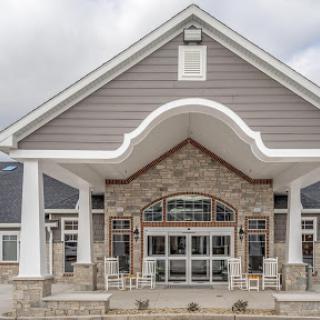
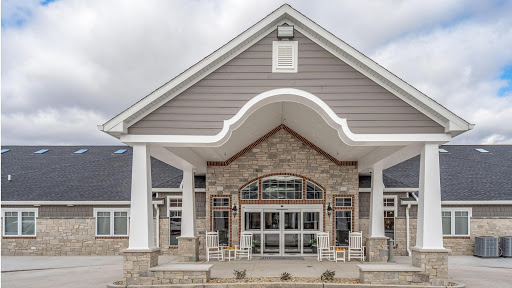
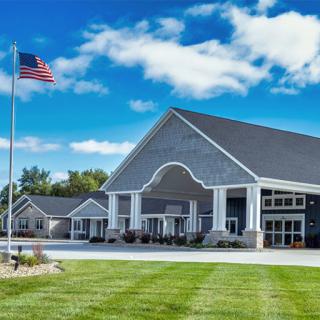
1717 North Main, Morton, IL 61550
For more information about senior living options: (866) 208-4318
Overall Review of Reflections Memory Care - Morton
Pros
 The environment is very clean.
- Reflections' staff go above and beyond for their residents.
- The activities and daily routines are tailored to meet the needs of individuals with cognitive deficits while promoting their independence and dignity.
- The staff truly love their residents.
- Families feel welcomed and supported, as if they have joined an extended Reflections family.
Review
Reflections Memory Care - Morton is best suited for families prioritizing a warm, person-centered memory care environment where staff engagement and daily routines are designed to honor independence and dignity. The community appears especially apt for residents with cognitive deficits who benefit from structured activities, predictable schedules, and a home-like atmosphere. Families seeking a place where caregivers genuinely connect with residents and treat them like extended family will often find this setting aligns with their values. The emphasis on cleanliness and a calm, respectful pace further supports residents who respond well to familiar faces, reassuring routines, and a nurturing social milieu.
Those weighing alternatives should consider options that offer more clinically oriented memory care or different care models. If medical acuity requires more intensive monitoring, more pronounced therapeutic programming, or specialized equipment beyond what a small, intimate setting typically provides, families may want to explore communities with broader on-site medical support or larger staff teams. Similarly, if independence with minimal oversight is a priority, or if there is a need for a different cultural or activity emphasis, other facilities could better match those preferences. It’s prudent to compare care plans, staff-to-resident ratios, and the availability of 24/7 nursing before deciding.
The strongest positives, cleanliness, devoted staff, and highly personalized routines, powerfully offset typical concerns families face in memory care. The staff’s commitment to tailoring activities and daily schedules to cognitive needs helps residents stay engaged without sacrificing dignity. When staffs’ warmth translates into consistent, meaningful interactions, families gain confidence that their loved one is cherished, not merely supervised. Even where two reviews express reservations, the prevailing narrative centers on love, respect, and a tangible sense of community, which often mitigates anxiety about routine monotony or isolation.
The practical benefits are clear in how activities and routines are designed to nurture independence. Residents are not pushed into a one-size-fits-all regimen; instead, programs adapt to individual capabilities and preferences, encouraging participation without frustration. The environment’s cleanliness matters deeply for comfort and safety, reducing stress for families worried about odors, clutter, or safety hazards. The visible affection between staff and residents, described as an extended family dynamic, translates into steadier moods, better cooperation during care tasks, and more predictable days, all of which contribute to a higher quality of life for many residents.
Prospective families should still approach with a plan to verify fit. Ask about specific memory care certifications, staff stability, and how care plans are developed and revised as needs evolve. Inquire about response times, how emergencies are handled after hours, and how family updates are communicated. Visit at different times to observe interactions, meal experiences, and whether activities remain engaging for various stages of memory impairment. Talking to multiple current families can reveal consistency or gaps between the strongest testimonials and everyday practice.
In the end, Reflections Morton stands out for those who prize a genuine, affectionate caregiving culture, a clean and orderly setting, and a memory care model that emphasizes tailored engagement and dignity. For families prioritizing clinical intensity, high-tech supports, or rapid medical escalation, alternatives with larger teams and broader medical oversight may be a better match. The decision should rest on whether the emotional ecosystem, the visible love and daily structure, meets the resident’s needs and the family’s expectations for ongoing communication, responsiveness, and personal connection. Tour, compare notes, and let the impression of the staff’s warmth guide whether this community will feel like home for a loved one.
 32 resident community capacity
 Assisted Living
 Memory Care
 Beauty salon
 Cable or satellite TV
 Dining room
 Fully furnished
 Garden
 Housekeeping services
 Kitchenette
 Move-in coordination
 Outdoor space
 Telephone
 Wi-Fi/high-speed internet available
 Greater Peoria Regional (13 miles away)
 24-hour call system
 Activities of daily living assistance
 Assistance with bathing
 Assistance with dressing
 Assistance with transfers
 Diabetes diet
 Hospice waiver
 Meal preparation and service
 Medication management
 Mental wellness program
 Special dietary restrictions
 Transportation arrangement (medical)
 Transportation to doctors appointments




 Assisted Living and Memory Care: Understanding Their Core Differences
 Choosing the Right Senior Care: A Detailed Exploration of Assisted Living and Nursing Homes
 Safeguarding Your Memory Through the Golden Years: Eight Ways to Preserve Cognitive Health