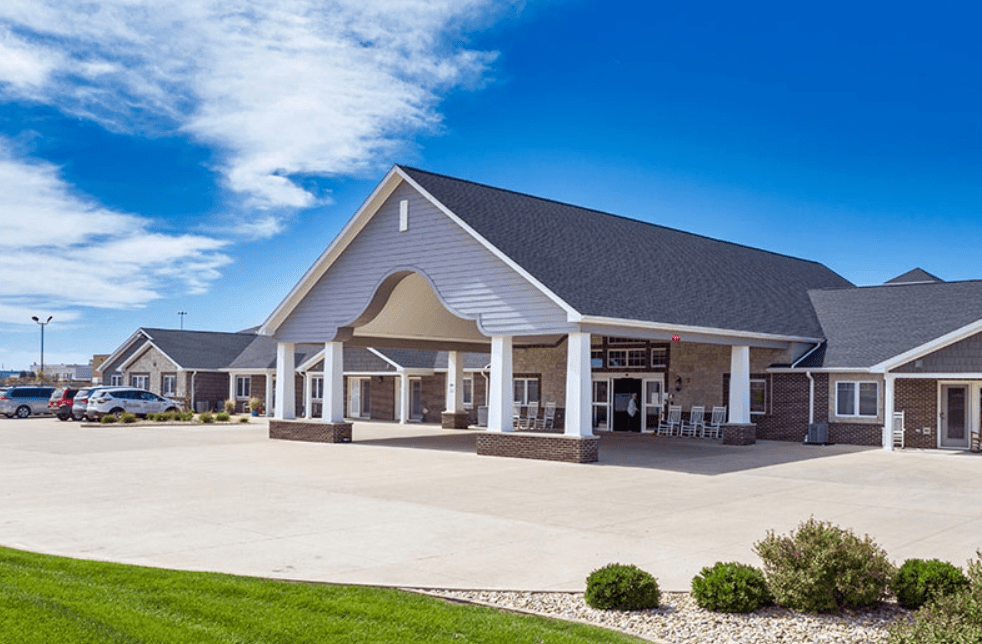
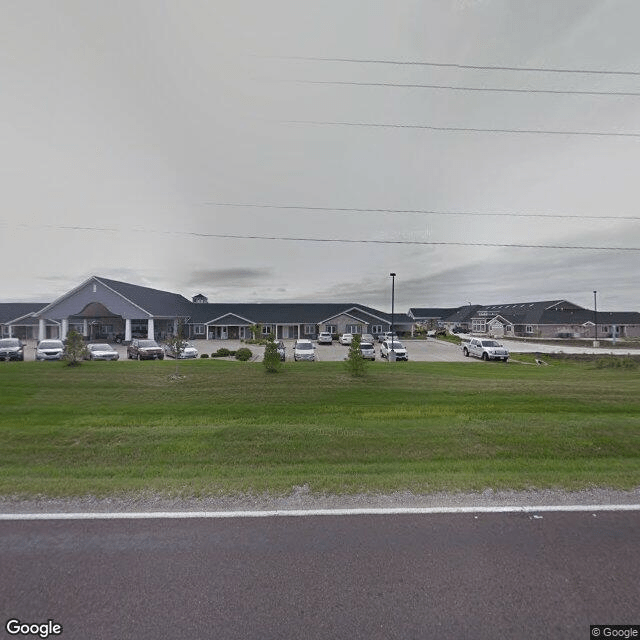
1717 North Main Street, Morton, IL 61550
To contact a resident: (309) 321-8690
For more information about senior living options: (866) 208-4318
The Villas of Holly Brook Reflections Memory Care - Morton Costs & Pricing
The Villas of Holly Brook Reflections Memory Care in Morton offers a comprehensive memory care environment at a monthly rate of $3,800 for a one-bedroom unit. This pricing reflects the specialized care and amenities provided to residents, ensuring they receive individualized attention in a supportive setting. In comparison, the average cost for similar accommodations in Tazewell County is notably lower at $2,772, while the statewide average in Illinois stands at approximately $3,527. While The Villas may be positioned at a higher price point than both local and state averages, it is essential to consider the quality of care and tailored services that accompany this investment in a loved one's well-being.
| Floor plans | The Villas of Holly Brook Reflections Memory Care - Morton | Tazewell County | Illinois |
|---|---|---|---|
| 1 Bedroom | $3,800 | $2,772 | $3,527 |
Memory care communities with a similar price nearby
-
from -$300 / mo
The Lodge at Manito
$3,500 to $4,700 / month21.6 miles away -
from +$700 / mo

Reflections Memory Care Washington
$4,500 to $6,250 / month7.4 miles away -
from +$150 / mo
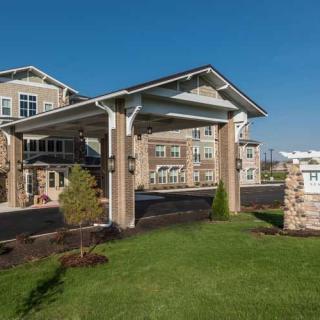
Heartis Village of Peoria
$3,950 to $4,775 / month16.2 miles away -
About the same
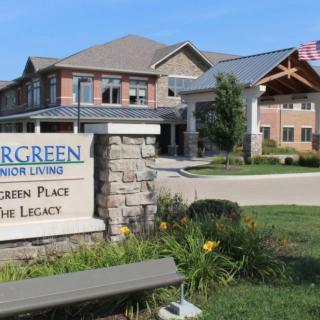
Evergreen Place and The Legacy Memory Care
$3,850 to $5,610 / month20.3 miles away -
from -$750 / mo

Villas of Holly Brook & Reflections - Bellevue
$3,050 to $4,525 / month11.1 miles away
Overall Review of The Villas of Holly Brook Reflections Memory Care - Morton
Pros
 The Villas of Holly Brook was lovely.
- The staff were really helpful in assisting with the paperwork.
- The facility is a great place to be, with great food and great help.
- Morton Reflections Memory Care was nice and clean.
- The staff at Morton Reflections Memory Care were very friendly.
- The facility offers a secure outdoor area and a pleasant space to watch TV.
- The dining area at Morton Reflections Memory Care looked good.
- The facility is conveniently located and bright.
- The care at Morton Reflections Memory Care is very good, and residents are happy.
- The staff focus on residents' interests and keep them active.
- The facility looks warm, homey, and inviting.
Cons
 Some rooms had carpets that were a little worn.
- There weren't many activities offered for residents.
- The reviewer noted that no activities were observed.
Review
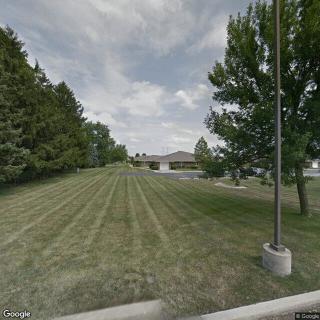
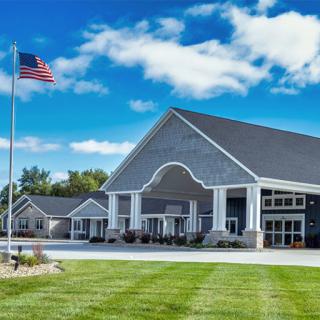
This community is best suited for families seeking memory care in a warm, home-like setting who want it close to home and guided by a staff that personalizes every day. The Morton campus’s memory care option supports residents with dementia in a small, cottage-inspired environment where security and familiarity matter. It is especially strong for seniors who benefit from routine, one-on-one attention, and programming that can bend to individual interests. Prospective families prioritizing proximity for frequent visits will find the commute manageable, and the atmosphere is quietly reassuring for anyone uneasy about handing a loved one to a big, anonymous campus.
Reviewers repeatedly highlight friendly staff that are approachable and helpful, and a setting that feels clean and bright. The outdoor spaces are secure, and the dining area is pleasant and reachable from many rooms, reducing the effort for residents. Rooms are described as a good size, with some flexibility like setting up in a way that resembles a small apartment for a loved one who sleeps in a recliner. Staff also demonstrate a willingness to tailor activities, gardening, music sessions, and simple group events, around individual interests, which helps people stay engaged without an overstimulating schedule.
Several comments note that, while the surroundings are appealing, activity programs within the memory care unit aren’t a constant barrage of events; the emphasis is on what can be done with residents rather than a packed calendar. That fits the intimate, dementia-focused setting but may not satisfy families seeking a high-energy social scene or more structured therapy schedules. Some rooms have carpet wear, and while the facility is new (built around 2018) and attractive, the trade-off is cost, it's not the cheapest option, even if it remains affordable given the amenities.
The strengths, personal attention, security, and a homey vibe, offset the lighter activity calendar by delivering meaningful daily engagement and reliable care. Proximity to a familiar neighborhood means families can participate easily, visit often, and observe care routines without disruption. The staff’s focus on individual interests translates into practical benefits: residents participate in gardening, simple cooking projects, or music programs, which can sustain mood and cognition better than a generic activity lineup. Clean, well-kept spaces and a calm dining area further reduce stress for both residents and visitors, reinforcing the sense of safety.
For families needing a more intensive clinical program, a larger memory care campus with greater staffing density and a broader activity portfolio could be a better fit. Those who require more robust medical oversight or a more bustling daily rhythm may want to compare options with stronger nursing presence or more frequent therapeutic offerings. However, for those who prize a quieter, individualized approach and closer home-base logistics, this Morton option may deliver more consistent day-to-day satisfaction than a bigger, impersonal setting.
Bottom line: this Morton memory-care community suits seniors who thrive on personalization, safety, and a warm, approachable atmosphere, with families who value easy access for visits and a sense of belonging. It is a practical choice for those who want a reasonably affordable option that still includes thoughtful amenities and meaningful activities tailored to the resident. Prospective buyers should tour with questions about staffing ratios, specific activity options tied to dementia care, room layouts, and exact security features, ensuring alignment with the resident’s preferences and care level before moving forward.
 Studio apartments
 Memory Care
 Activities off-site
 Beautician on-site
 Devotional services on-site
 Indoor common areas
 Outdoor common areas
 Respite or short term stays offered
 Wheelchair accessible showers
 Greater Peoria Regional (13 miles away)
 Ambulatory care
 Diabetic care
 High acuity care
 Incontinence care
 Medication management
 Sensory-based programs


 A Thorough Discussion of Medications Potentially Linked to Dementia Risk
 Why Do Dementia Patients Sleep So Much? Understanding Oversleeping, Stages, and Care Approaches
 8 Key Indicators That Suggest It May Be Time to Transition from Assisted Living to Skilled Nursing Care