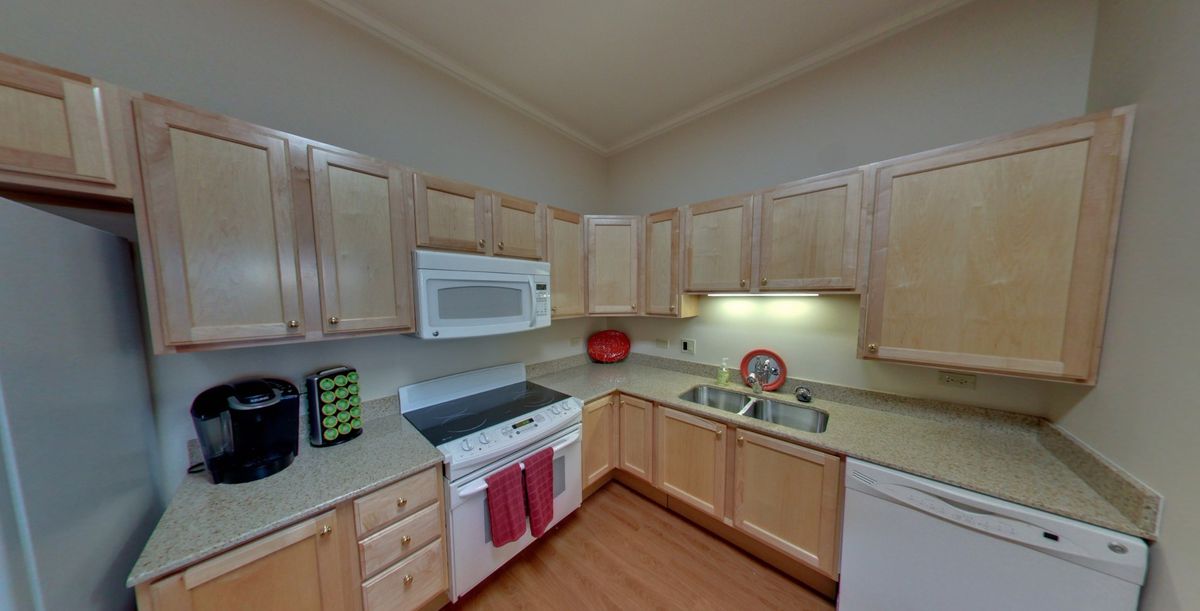
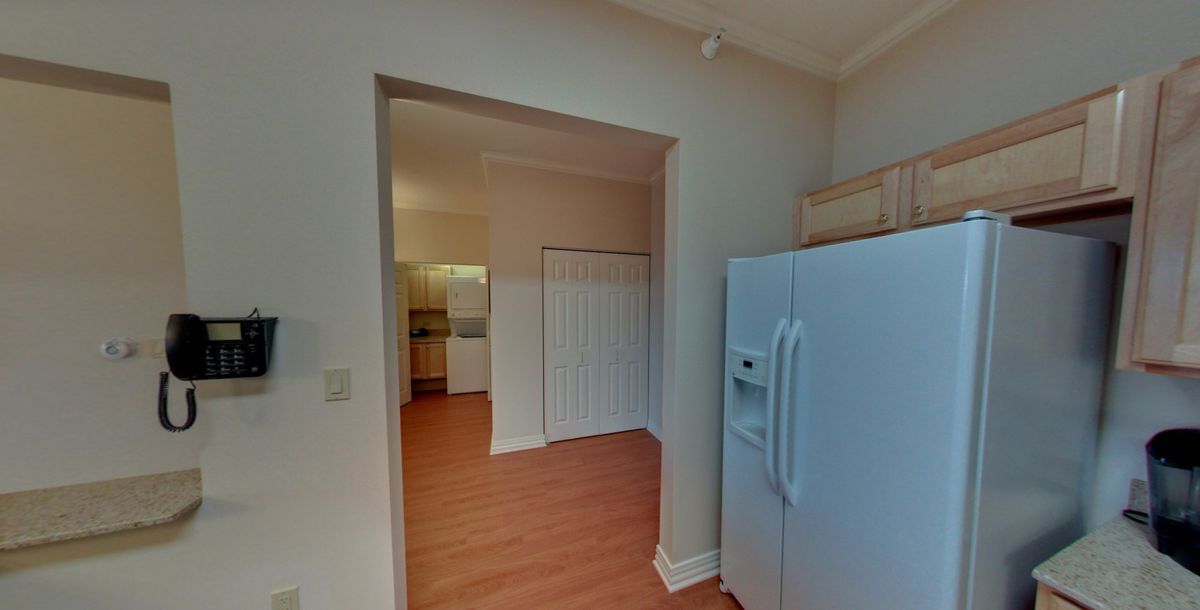
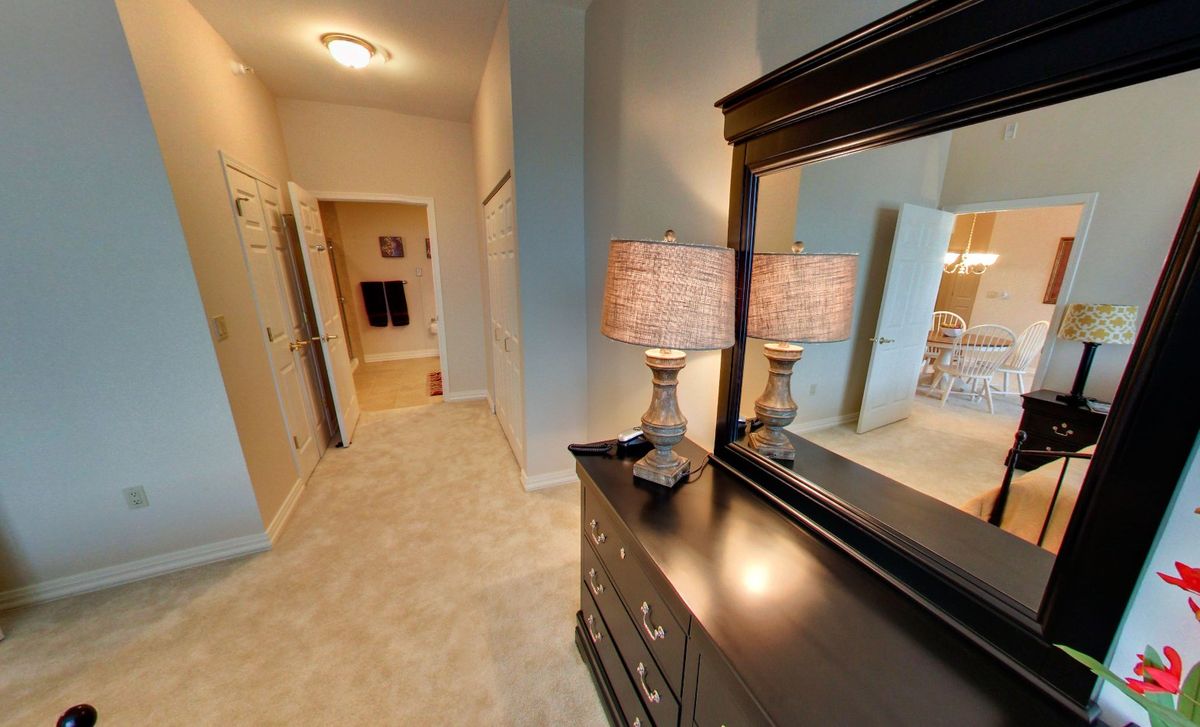
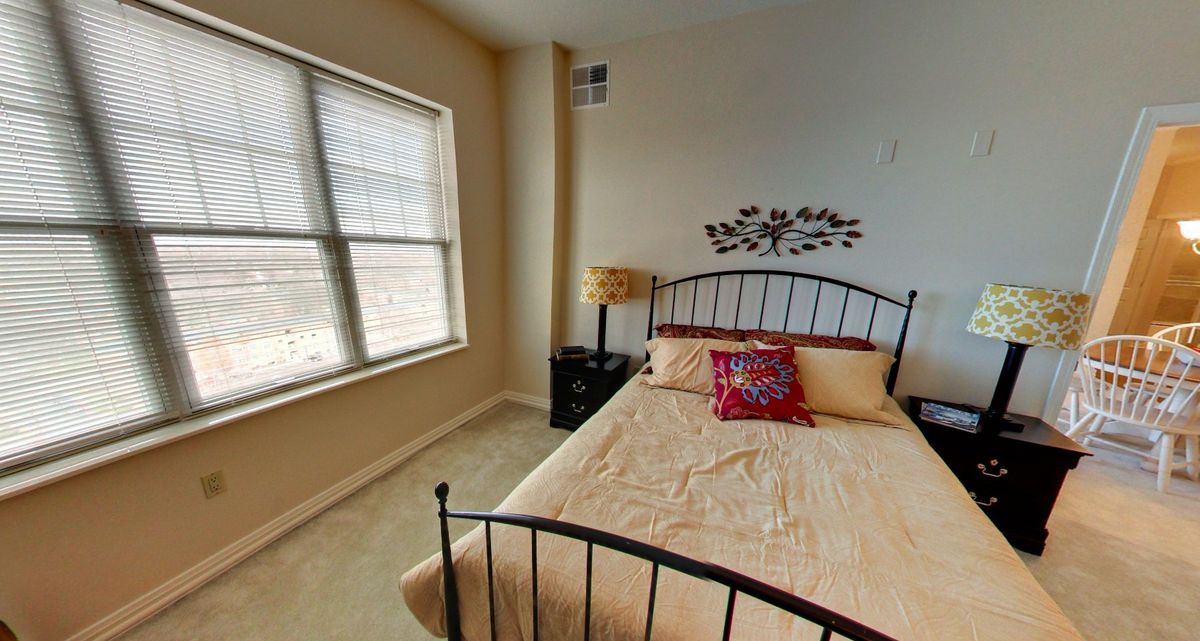
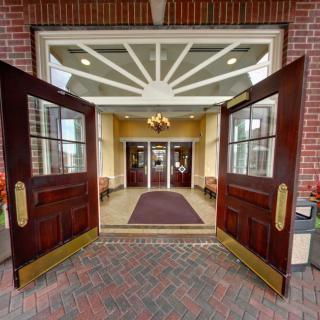

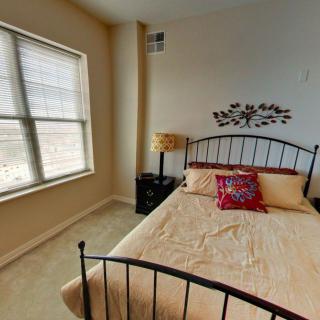

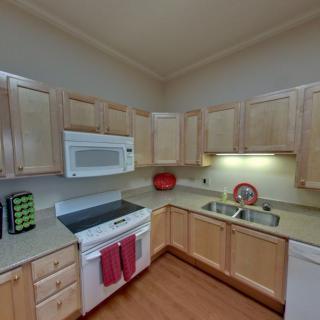






315 North LaGrange Road, La Grange Park, IL 60526
For more information about senior living options: (866) 208-4318
Overall Review of Plymouth Place
Pros
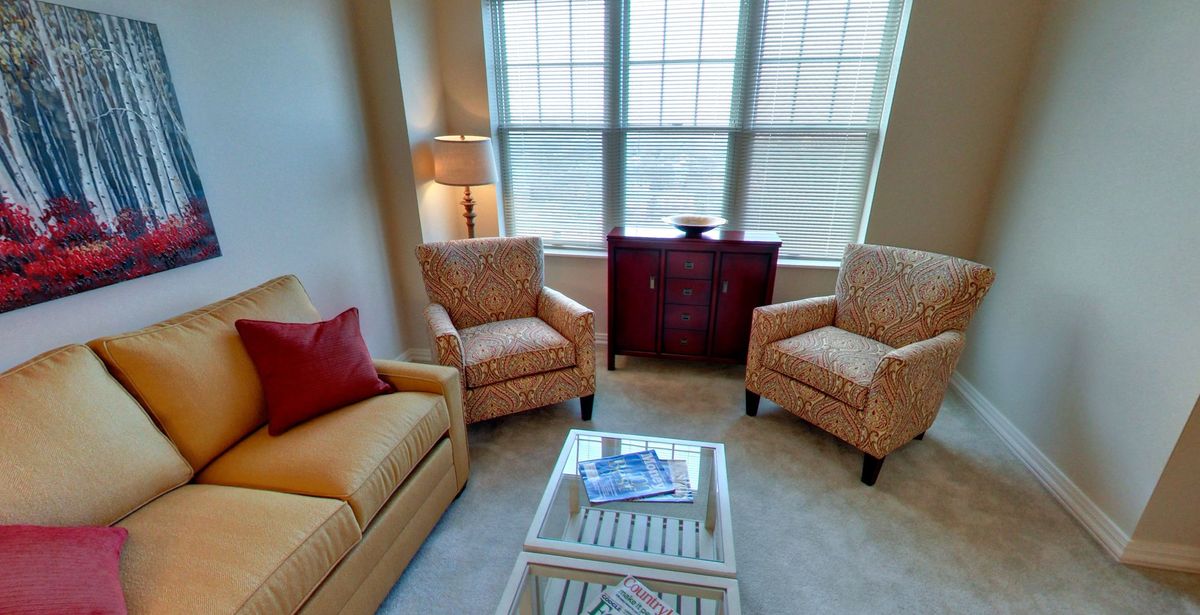
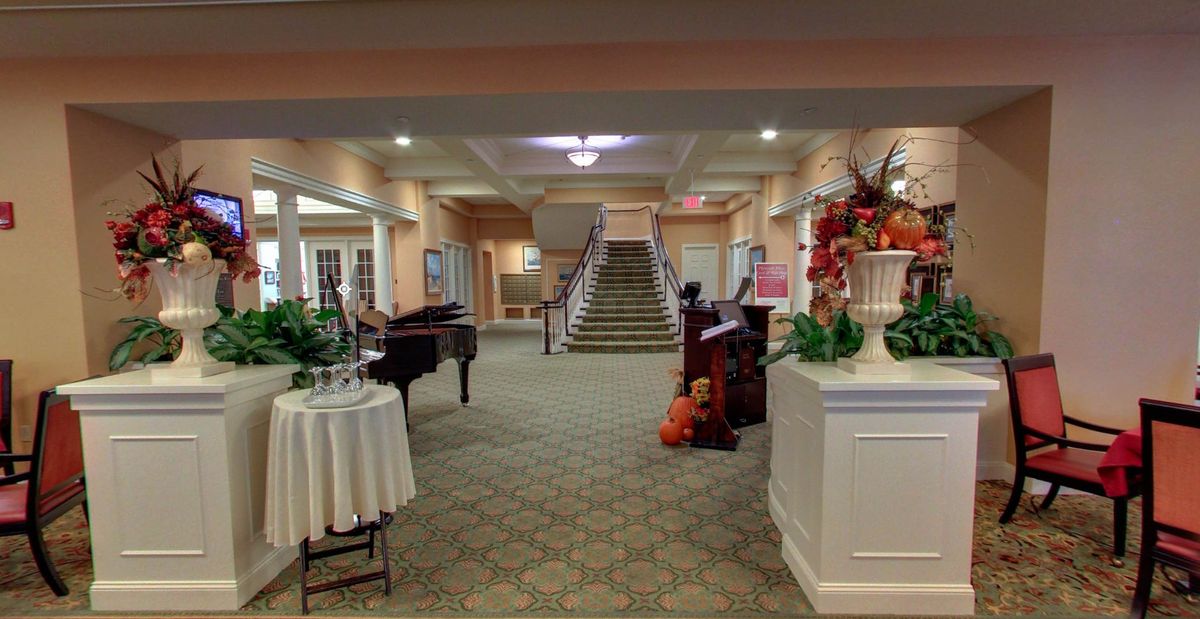
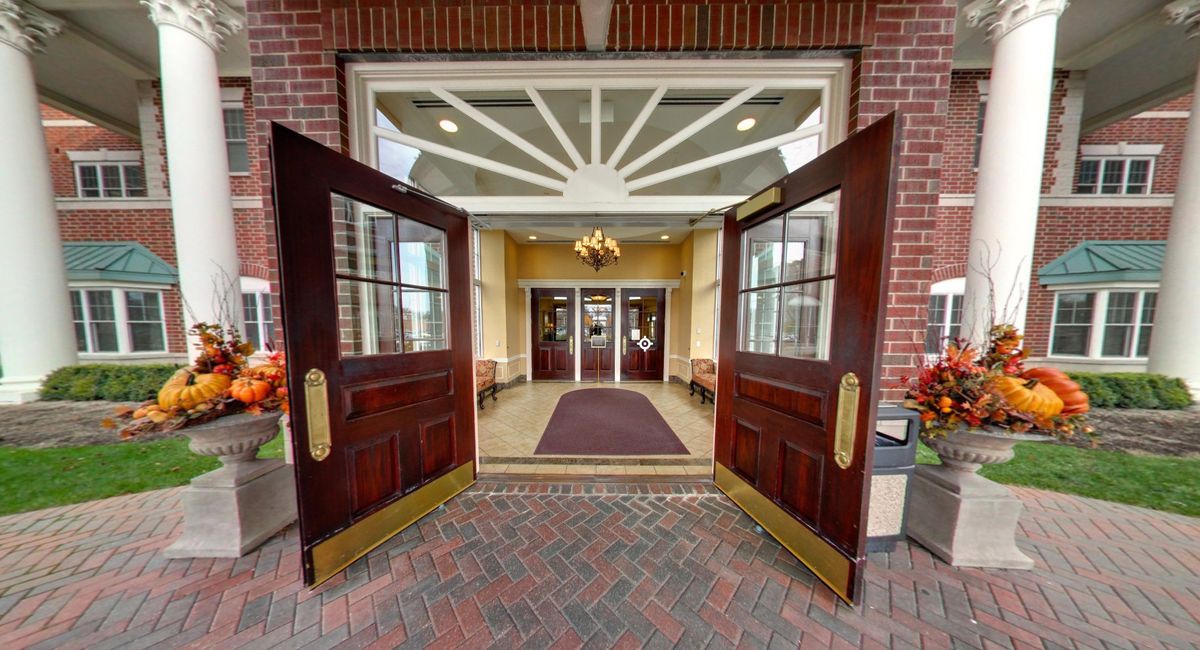
 Plymouth Place is described as clean and well maintained.
 - The staff are professional, friendly, and helpful.
- There are abundant activities led by a dedicated activities coordinator.
- The food is described as above average to excellent.
- It provides a full continuum of care—independent living, assisted living, memory care, and skilled nursing—under one roof.
- The outreach and care from Plymouth Place staff is sincere, meaningful, and helpful.
- Reviewers highly recommend Plymouth Place as a home-like, welcoming community.
Cons
 They were most disappointed that their 97-year-old mother was refused without explanation despite insurance coverage.
 - They warned that if skilled care was needed, one should not choose Plymouth Place.
- They described the nursing as lackadaisical and safety procedures as inadequate.
- They noted that nursing staff take offense when concerns are raised and do not follow through.
- They felt they paid an awful lot of money just to have medications passed out.
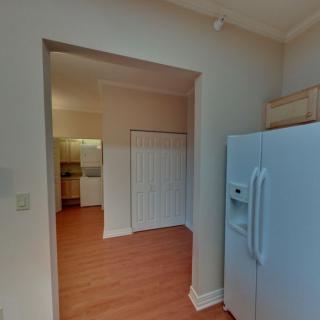
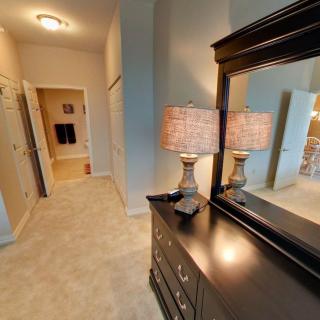
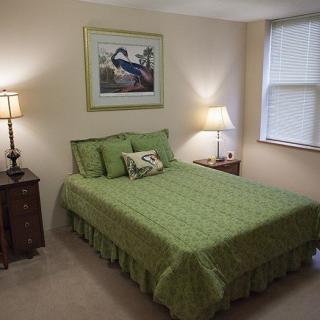
- They observed that the rooms could be very small and the hallways and public areas cramped.
Review
Plymouth Place in La Grange Park is best suited for seniors who want a true continuum of care within one refined campus. It serves those who plan to age in place, moving from independent living to assisted living, memory care, and skilled nursing without leaving the community. The appeal is its non-profit, well-run governance and an upscale environment that supports an active social life, robust programming, beauty services, and regular gatherings, while staying conveniently walkable to downtown La Grange and its train. For families, the promise is a predictable care path, familiar surroundings, and the reassurance that escalating needs can be managed on site rather than through multiple moves.
That clarity, however, comes with a caveat: Plymouth Place may not be the best fit for households prioritizing strict, uniformly coordinated medical oversight on every shift. Several reviews flag variability in nursing responsiveness and adherence to physician directions, with incidents where family members needed to intervene to ensure meds and orders were followed. The price tag and premium amenities also raise the bar for affordability, potentially pricing out budget-conscious families or those seeking a simpler, more intimate setting. Some practical concerns, smaller private rooms, cramped public areas, and visitor parking challenges, can also tilt preference toward alternatives for those prioritizing space and ease of access.
On the upside, Plymouth Place earns high marks for cleanliness, professionalism, and a staff culture described as genuinely caring and approachable. The dining is repeatedly praised as above average, and the activity calendar spans crafts, theatre, movies, trips, fitness, and volunteer options, with ample opportunities for resident talent and peer connection. Beauty salons, weekly gatherings that feel church-like, and a broad array of programs contribute to a vibrant social fabric. The memory-support component, Greg’s Place, is frequently highlighted as compassionate and home-like, a crucial asset for families navigating dementia care.
Another clear strength is the model of graduated care that allows residents to stay in their own apartments as needs change. Families gain the security of continuity, familiar surroundings, established relationships with caregivers, and the possibility to transition to assisted living or memory care without uprooting. The in-house care ecosystem, backed by service-rich amenities and multiple libraries, underpins a sense of reliability and ongoing engagement. This depth of resources helps offset concerns about care quality by offering a framework where governance, oversight, and resident input feel embedded in daily operations rather than added on as afterthoughts.
Yet caution remains. The most persistent warnings center on inconsistent treatment of medical orders and the friction that can arise when families expect a level of oversight that the front-line team does not uniformly deliver. Critics report defensive reactions from some staff when concerns are raised, which can undermine trust in care plans. An admissions issue, an instance of denial despite insurance coverage, signals the need for thorough due diligence and explicit clarity during the decision phase. Practical negatives, smaller rooms, cramped hallways, and limited parking, can affect day-to-day life and the visitor experience, particularly for those accustomed to larger layouts or easy ingress and egress.
For decision-makers, Plymouth Place is a strong, compelling option if the priorities are social vitality, a proven continuum of care, and a community that feels as much like a small town as a campus. Prospective residents should aggressively verify the day-to-day nursing routines, request current care plans, and inquire about nurse-to-resident ratios, especially on the skilled nursing units. A clear, written process for implementing physician orders and tracking changes in condition is essential. Investigate the specifics of Greg’s Place and how memory care is integrated with the rest of the campus, along with options for private rooms, guest accommodations, and parking. If a resident values a dynamic, engaged community and anticipates needing escalating levels of care within the same campus, and can accommodate the price and potential nursing oversight caveats, Plymouth Place stands out as a prudent, well-rounded choice. If tighter cost control, tighter clinical predictability, or a quieter, more intimate setting are paramount, it is prudent to explore other options.
 78 resident community capacity
 Assisted Living
 Continuing Care Retirement Community (CCRC)
 Hospice Agency
 Independent Living
 Memory Care
 Respite Care
 Skilled Nursing Facility
 Air-conditioning
 Beauty salon
 Cable or satellite TV
 Computer center
 Dining room
 Fitness room
 Fully furnished
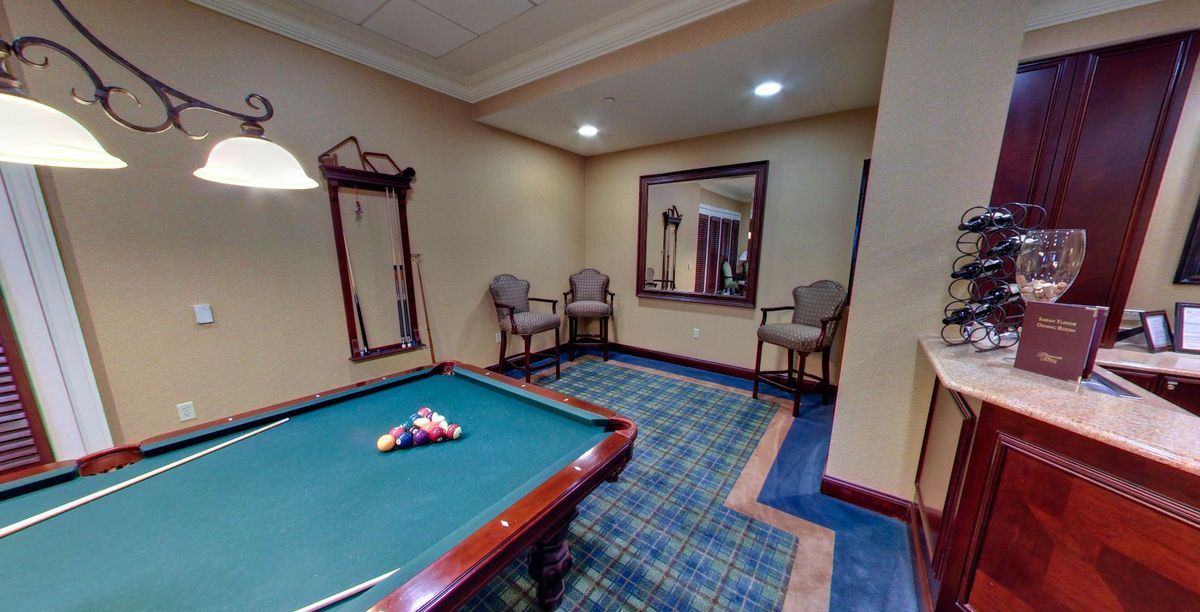
 Gaming room
 Garden
 Housekeeping services
 Kitchenette
 Move-in coordination
 Outdoor space
 Private bathrooms
 Restaurant-style dining
 Small library
 Telephone
 Wellness center
 Wi-Fi/high-speed internet available
 Chicago Midway (6 miles away)
 Community operated transportation
 12-16 hour nursing
 24-hour call system
 Activities of daily living assistance
 Assistance with bathing
 Assistance with dressing
 Assistance with transfers
 Diabetes diet
 Medication management
 Mental wellness program
 Special dietary restrictions
 Concierge services
 Planned day trips





 How and When Medicaid May Cover Assisted Living Costs
 A Detailed Exploration of Assisted Living Medicaid Waivers Across the United States
 Exploring the Contrasts Between Assisted Living and Skilled Nursing