
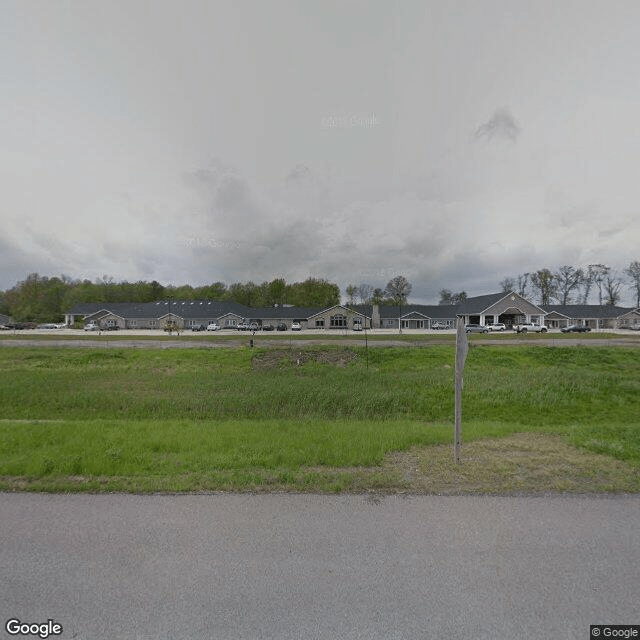
220 Ron Crank Dr, Harrisburg, IL 62946
To contact a resident: (618) 252-9218
For more information about senior living options: (866) 208-4318
Villas of Holly Brook and Reflections Memory Care of Harrisburg Costs & Pricing
At Villas of Holly Brook and Reflections Memory Care of Harrisburg, the monthly costs for various room types reflect a competitive pricing strategy compared to the broader trends seen in Saline County and across Illinois. For a one-bedroom unit, residents can expect to pay $2,950, which is significantly lower than the county average of $4,271 and the state average of $3,527. Studio apartments are priced between $3,500 and $5,500, aligning closely with the county's cost of $3,861 but remaining below the state average of $4,028. Private rooms are offered at a consistent rate of $3,500 - a figure that is notably more affordable than both local ($3,500) and statewide averages ($5,049). The two-bedroom accommodations at this facility are available for $3,750, again showing a favorable comparison against Saline County's median of $4,482 and Illinois's average of $4,208. Lastly, semi-private rooms range from $3,900 to $5,500; while on the higher end they approach county ($4,967) and state prices ($5,146), they still provide value when considering overall offerings in the region. This strategic pricing positions Villas of Holly Brook and Reflections Memory Care as an appealing option for families seeking quality care without compromising financial stability.
| Floor plans | Villas of Holly Brook and Reflections Memory Care of Harrisburg | Saline County | Illinois |
|---|---|---|---|
| 1 Bedroom | $2,950 | $4,271 | $3,527 |
| Studio | $3,500 to $5,500 | $3,861 | $4,028 |
| Private | $3,500 | $3,500 | $5,049 |
| 2 Bedrooms | $3,750 | $4,482 | $4,208 |
| Semi-Private | $3,900 to $5,500 | $4,967 | $5,146 |
Memory care communities with a similar price nearby
-
from -$150 / mo

Sunshine Gardens
$2,800 to $4,100 / month22.9 miles away
Overall Review of Villas of Holly Brook and Reflections Memory Care of Harrisburg
Pros
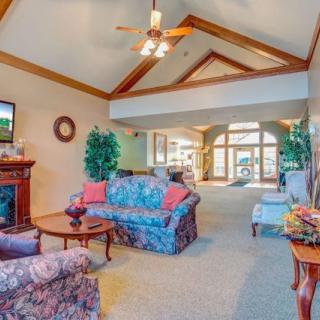
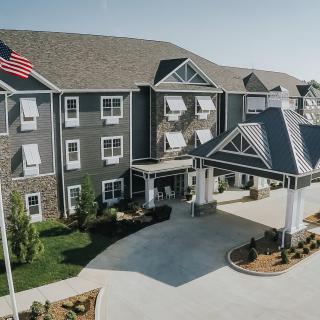
 The Villas of Holly Brook is an absolutely beautiful facility.
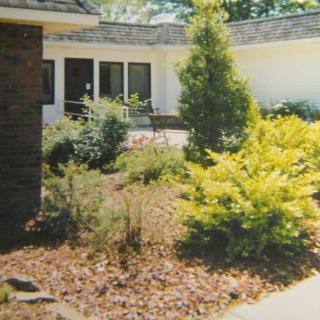
- The community offers great food, well-sized rooms, courtyards, and spacious outdoor areas.
- It has earned five-star ratings.
- The community appears to be a good Christian-based place.
- It is located in residents' hometowns, which is appreciated.
- The experience is described as pretty good so far.
- It offers a wide variety of activities, including in-house programs and field trips.
- The staff are friendly.
- The quality of care is described as exceeding expectations.
- Meals are homemade and prepared with love and compassion.
- Residents have their own theater.
- The setting includes a beautiful koi fish pond.
- Everything is included, such as cable and utilities.
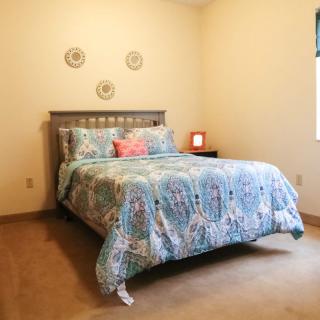
- The apartments are great.
- The reviewer would consider living there and would recommend the community.
Cons
 They have to ask for the room to be cleaned.
- The food is terrible.
- It is not geared for seniors or anyone else.
- The turnover rate is very high.
- They would not choose this community again.
- For almost $3,000 a month, they expected better food, cleanliness, and staff.
- They observed pudding dumped on a saucer in the room.
Review
This community is best suited for families seeking a warm, home-like atmosphere with a strong social calendar, located in the resident’s hometown, and a memory-care option available on site. It clearly serves seniors who want daily-life charm, courtyards, theatres, on-site activities, and a feeling of belonging, over a rigid, clinical setting. Those prioritizing flawless dining and airtight, on-site medical oversight may want to consider alternatives. The campus’ newer status means growing pains are real, especially around staffing consistency and menu development, so a family that can tolerate some variability in day-to-day operations will find this option especially appealing.
The upside is tangible and substantial. The facility presents as beautiful and inviting, with generously sized rooms, inviting outdoor areas, and a sense of “home” that many families seek. Residents enjoy a robust slate of in-house activities and field trips, frequent contact with staff, and a visible emphasis on social engagement. Meals are highlighted as a strength in several reviews, with references to homemade-style cooking and a philosophy of serving three meals daily in a safety-conscious setting. Amenities extend beyond the dining room: a neighborhood-friendly feel, a dedicated theater, a cafe, and wellness-supportive spaces such as exercise rooms and common gathering areas help sustain routines that families value for autonomy and dignity.
On the other hand, the downsides are real and must be weighed carefully. A recurring criticism centers on food consistency, some experiences are strong, while others fall short of expectations, and the quality seems to hinge on the shift or staff in the kitchen. Staffing stability is another theme: turnover is noted, and while the on-site staff are described as friendly and caring, families should anticipate variability in day-to-day coverage and oversight, especially around housekeeping, laundry, and routine medical attention. One review notes the absence of a full-time on-site nurse, a factor that matters for families navigating memory care needs or escalating health issues. The perception of value is mixed when comparing cost to service delivery, with higher expectations for timely, thorough care and clean environments.
Those pros do offset the cons in meaningful, practical ways. The home-like ambiance and the abundance of activities reduce relocation stress for residents and provide meaningful social engagement, a key factor in quality of life for many families. The comprehensive package, three meals a day, utilities included in several room-and-board plans, and convenient on-site amenities such as a theatre and activity rooms, helps simplify finances and daily planning. The proximity to the resident’s own hometown matters deeply for families who want frequent visits, familiar surroundings for the resident, and a community feel aligned with long-time life rhythms. For memory care, the on-site Reflections unit offers a streamlined option for families seeking integrated care without moving to a completely different campus.
For families weighing alternatives, a pragmatic next step is to verify several specifics before committing. Inquire about the menu and kitchen staffing on each shift, and request a recent sample menu to assess consistency and variety. Confirm the current nurse coverage, whether there is a full-time on-site RN or LPN and what medical oversight is available after hours. Probe the staff-to-resident ratio across assisted living and memory care, and ask about turnover trends and staff training, particularly around memory-care protocols and safety. Finally, insist on visiting during different times of day to observe dining, housekeeping, and activity engagement firsthand, and request references from families with residents at similar care levels.
Bottom line: for families prioritizing a stylish, lively, and clearly patient-centered environment, where social programming and a home-like setting can enrich daily life, this Harrisburg campus stands out as a strong option. It delivers meaningful value through ambiance, amenities, and a high level of resident engagement, even as it navigates growing pains common to newer communities. Those who demand unwavering meal consistency, predictable medical oversight, and stringent staffing reliability should approach with careful due diligence or consider alternatives that angle more aggressively toward clinical rigor and routine. In the right match, Villas of Holly Brook and Reflections Memory Care offer a compelling blend of charm, community, and accessible care.
 Assisted Living
 Memory Care
 Cats allowed
 Dogs allowed
 Activities off-site
 Air-conditioning
 Bath tubs
 Beautician on-site
 Cable or satellite TV
 Devotional services off-site
 Ground floor units
 Handicap accessible
 Indoor common areas
 Kitchenette
 Outdoor common areas
 Respite or short term stays offered
 Wheelchair accessible showers
 Wi-Fi/high-speed internet available
 Ambulatory care
 Diabetic care
 Incontinence care
 Medication management
 Anytime dining
 Art classes
 Catholic services
 Cooking classes
 Day trips and outings
 Educational speakers / life long learning
 Karaoke
 Live well programs
 Wine tasting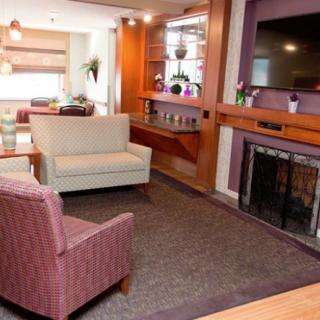


 Comprehending Evening Confusion in Dementia: Causes, Manifestations, and Support
 Delirium and Dementia: Unraveling the Key Differences
 Are Dementia and Alzheimer's Disease Lethal? A Comprehensive Exploration