


1016 W North St, Girard, IL 62640
To contact a resident: (217) 627-9502
For more information about senior living options: (866) 208-4318
Pleasant Hill Village Costs & Pricing
Pleasant Hill Village offers competitive monthly costs for its accommodations, providing an appealing option for residents seeking affordability without compromising on quality. For a one-bedroom unit, the cost is $1,855, significantly lower than the average in Montgomery County at $3,459 and the state average of $3,527. Similarly, the two-bedroom options at Pleasant Hill Village are priced at $2,215, which is also more economical compared to Montgomery County's rate of $3,081 and Illinois' average of $4,208. This pricing structure positions Pleasant Hill Village as an attractive choice for individuals and families looking to balance their housing budget while enjoying the community's amenities and services.
| Floor plans | Pleasant Hill Village | Montgomery County | Illinois |
|---|---|---|---|
| 1 Bedroom | $1,855 | $3,459 | $3,527 |
| 2 Bedrooms | $2,215 | $3,081 | $4,208 |
Assisted Living communities with a similar price nearby
-
from +$345 / mo
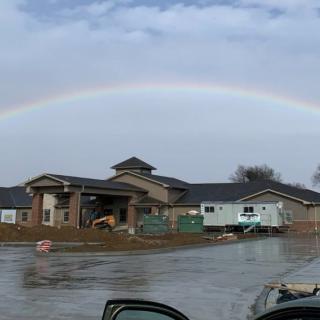
Carriage Crossing Rochester
$2,200 to $5,500 / month24.8 miles away -
About the same
Hickory Glen
$1,800 to $3,200 / month24.9 miles away
Overall Review of Pleasant Hill Village
Pros
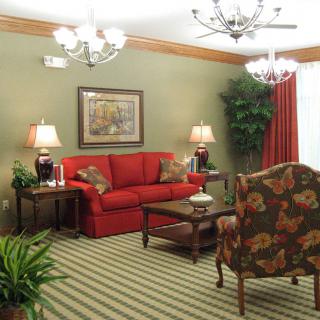
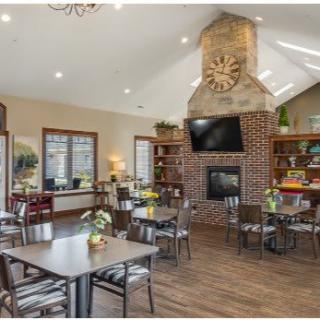
 The facility is very comfortable and well kept.
- The entire staff, from the director to the resident assistants, are very caring and helpful.
- They go above and beyond and really do everything possible to help the residents.
Review
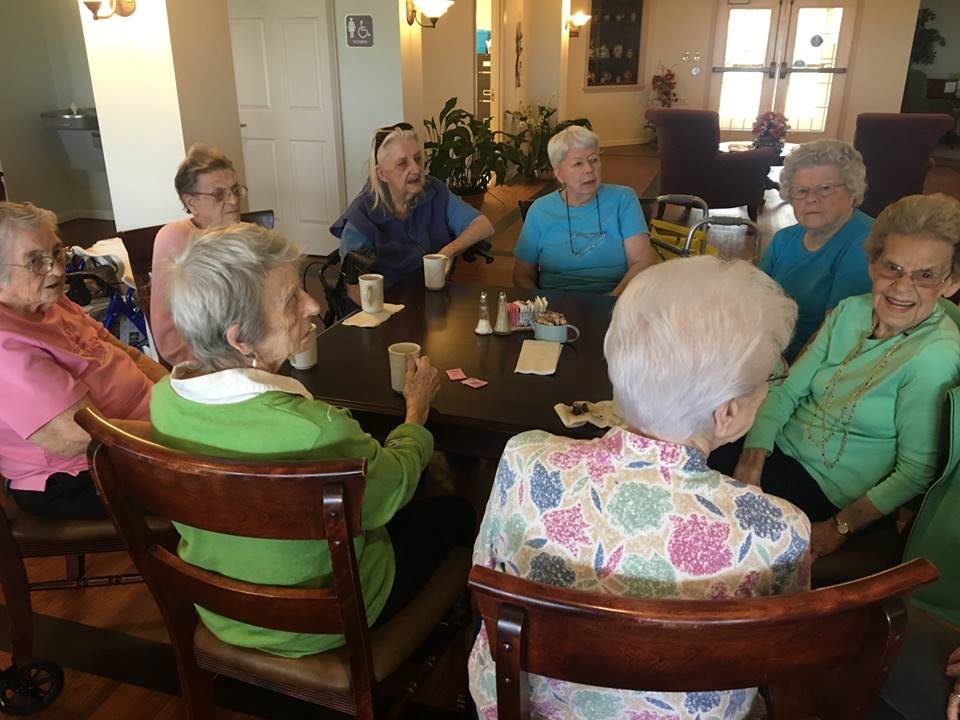
Pleasant Hill Village in Girard, IL is best suited for seniors who prize a warm, home-like environment where comfort and dependable daily life are prioritized. With a single 5-star review to its name, the message is focused and unmistakable: the facility is comfortable and well kept, and the people who run it, from the director to resident assistants, are genuinely caring. The reviewer notes that staff go above and beyond and do everything possible to help residents. For families seeking a setting where attentiveness and a tidy, inviting atmosphere are the backbone of daily living, this community presents a compelling match.
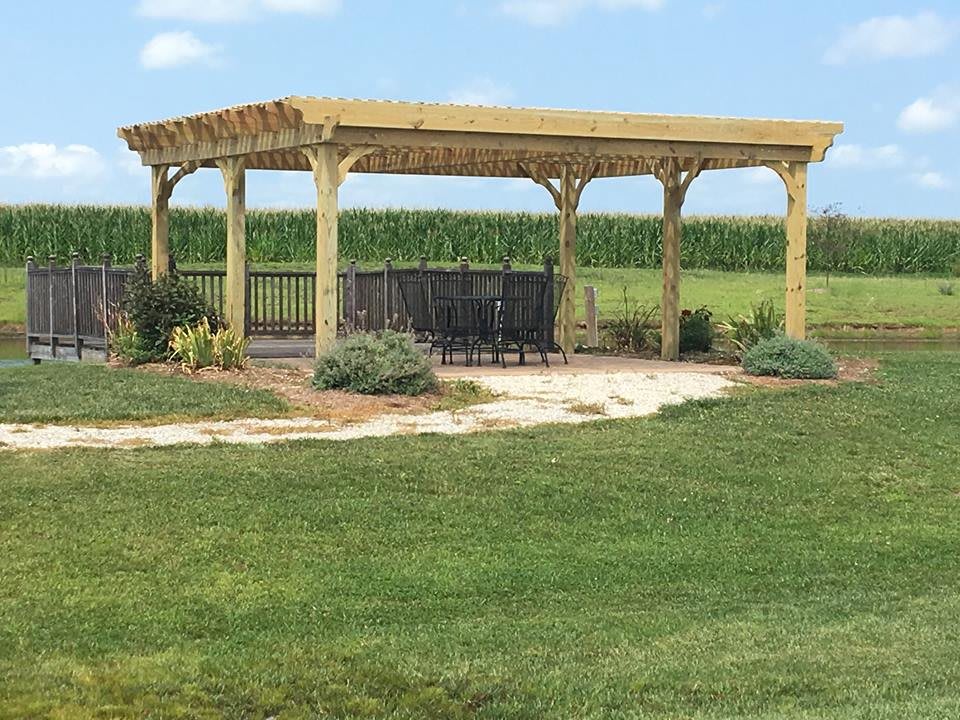
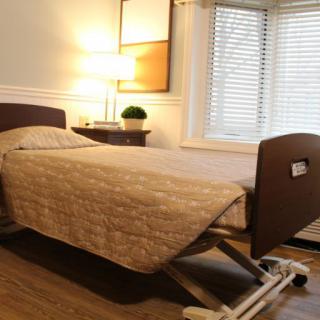
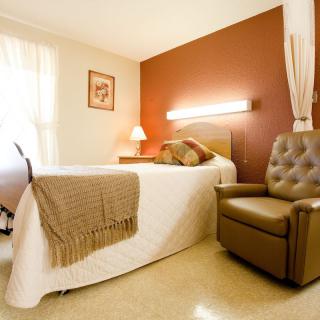
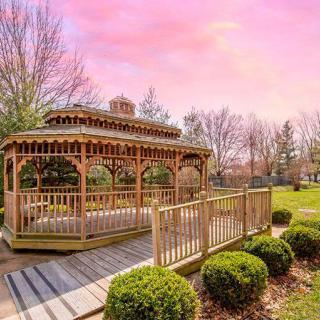
The physical environment stands out as a core strength. The description of the facility as comfortable and well maintained matters in practical terms: predictable routines, clean common areas, safe contingencies, and signs of thoughtful upkeep. A well-run campus translates into fewer daily stressors for residents and visitors alike, reducing vigilance on basic needs and freeing attention for social engagement and personal comfort. Coupled with a staff culture described as caring and helpful, these factors create a sense of trust that can be decisive when choosing between similar options.
Yet the review leaves important questions unaddressed, and those gaps matter for families with specific care requirements. No information is provided about the availability of memory care, advanced medical oversight, or the breadth of on-site services beyond routine assistance. No detail emerges about dining quality, transportation, activity programs, or how flexible care plans are when health needs change. Given the limited feedback, prospective residents should plan to gather additional perspectives through visits, conversations with staff, and references from other families to validate consistency across experiences.
There is a meaningful way in which the reported strengths offset potential concerns. The combination of comfort, a well-kept setting, and a staff that is described as truly devoted and responsive can mitigate typical worries about neglect or indifference. When care teams demonstrate a willingness to “go above and beyond,” this often translates into timely help, personalized attention, and proactive problem-solving, benefits that can significantly enhance quality of life for everyday residents. For families, that level of engagement can compensate for the absence of a broad service menu, provided the resident’s needs align with routine support and the facility’s capacity to respond quickly.
If the decision hinges on concrete next steps, a practical path is essential. Prospective residents should schedule an in-person tour to observe staff interactions, ask about training and turnover, and verify how emergencies are handled and documented. Inquire about the range of care options available on-site and whether care plans can scale with changing health needs. Request sample menus, activity calendars, and transportation arrangements to gauge daily life beyond the basic caregiving framework. And, crucially, seek additional references or second opinions to balance the single positive experience currently documented.
In the end, Pleasant Hill Village offers a strong option for families prioritizing a respectful, well-maintained environment and a caregiving team that appears deeply invested in residents’ well-being. It stands out for warmth and consistency in daily life, factors that often determine satisfaction for long-term living. However, for those whose loved one requires extensive memory support, complex medical oversight, or a broader spectrum of services, alternatives should be evaluated with the same rigor applied here. The right choice will align the resident’s care needs, the family’s expectations, and the proven reliability of the staff and environment.
 25 resident community capacity
 Assisted Living
 Independent Living
 Activities off-site
 Air-conditioning
 Beautician on-site
 Cable or satellite TV
 Devotional services off-site
 Dining room
 Fully furnished
 Garden
 Ground floor units
 Housekeeping services
 Indoor common areas
 Kitchenette
 Move-in coordination
 Outdoor common areas
 Restaurant-style dining
 Small library
 Telephone
 Wi-Fi/high-speed internet available
 24-hour call system
 Ambulatory care
 Assistance with bathing
 Assistance with dressing
 Assistance with transfers
 Diabetes diet
 Diabetic care
 Incontinence care
 Medication management
 Mental wellness program
 Special dietary restrictions
 BBQs or picnics
 Birthday parties
 Day trips and outings
 Karaoke
 Live dance or theater performances
 Live musical performances
 Stretching classes
 Trivia games
 Wii bowling
 Assisted Living Expenses and Long-Term Care Insurance: A Comprehensive Exploration
 Securing Financial Support for Assisted Living: A Comprehensive Overview
 Social Security Benefits and Assisted Living: Navigating Options Across the U.S.