
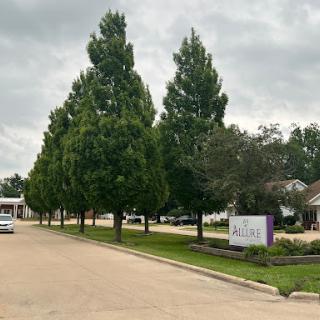
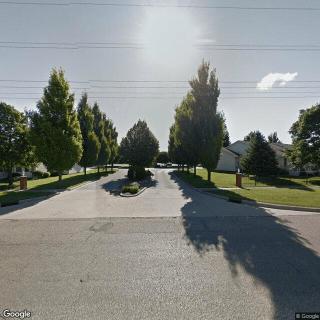
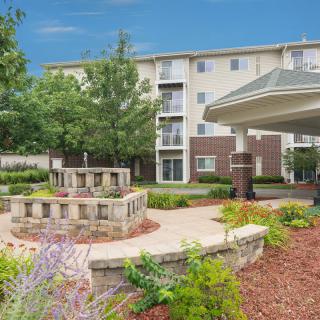
624 E Wells St, Geneseo, IL 61254
To contact a resident: (309) 944-6798
For more information about senior living options: (866) 208-4318
Overall Review of Maple City Apartments
Pros
 It is described as a place to live.
- The time spent there is minimal.
Cons
 They say the time spent there is minimal, questioning its suitability as a place to live.
- They report noise from a small percentage of tenants that ruins any opportunity for respectful enjoyment.
- They observe disturbances occur regularly but are not reported promptly.
- They note recurring illnesses among residents, including a six-week cough spread by others.
- They describe the ventilation system as completely clogged with debris, leaving floors covered daily with light tan and corn particles.
- They warn top-floor tenants must deal with a rooftop fan that shakes the apartment from bedroom to kitchen, counterproductive to the ventilation system.
- They say there is no real clean air except opening windows, which must be kept low to prevent a cat from falling out.
Review
Maple City Apartments in Geneseo is best suited for independent, budget-conscious adults who want a straightforward place to live and can tolerate a few material irritants in exchange for low-friction occupancy. It is not a care community; residents should not expect on-site assistance, routine healthcare oversight, or structured programming. For families seeking a setting where daily living support is readily available or for seniors needing ongoing help with medications, transportation, or mobility, this is not the right fit.
Those who may want to consider alternatives include seniors who require daily or per-need care, rehabilitation or memory-care services, or anyone with respiratory sensitivities or allergies. The review highlights risks around health and air quality, suggesting that viruses and illnesses can spread more easily when ventilation and cleaning standards are inconsistent. Prospective residents with asthma, COPD, or allergies will want a setting with reliable filtration, frequent maintenance, and tighter control of contaminants. Additionally, households prioritizing quiet, predictable environments and prompt maintenance responsiveness should look elsewhere.
The most evident pro is simplicity: Maple City Apartments provides a basic, no-frills place to reside without the burdens of higher-level services. For some, the lack of amenities and care requirements translates into lower costs and fewer expectations beyond keeping a roof over the head. In other words, it functions as a practical dwelling for someone who values independence and minimal obligations over enhanced comfort, facility-level programming, or care coordination.
The drawbacks, however, are substantial and compound over time. Noise from a small share of tenants disrupts everyday living and, crucially, appears to lack timely reporting or remediation, undermining the notion of a peaceful, predictable home. Illnesses cluster year after year, and the description implies that the building’s environment may contribute to recurring respiratory discomfort. The ventilation system is described as clogged with debris, with floors frequently bearing dust-like particulates. A top-floor unit faces a vibration from a roof-top fan that disrupts spaces from bedroom to kitchen, effectively counterproductive to ventilation. When the forced-air system is paired with a clogged ventilation path, design and maintenance shortcomings turn into ongoing discomfort and potential health risks, not isolated incidents.
Against these cons, the core “benefit” of a simple, affordable address does not convincingly offset the enduring air quality issues, persistent noise, and maintenance ambiguities. If the goal is a low-cost, independent-living option without care needs, Maple City may meet basic housing desires. Yet the sum of practical drawbacks, unhealthy air, unreliable acoustics, and questionable upkeep, erodes day-to-day livability and long-term satisfaction. In decision terms, the trade-off is skewed toward looking for alternatives that deliver cleaner air, stronger noise control, and responsive maintenance or, better yet, integrated care options for seniors who may outgrow a purely rental model.
For families weighing assisted living options, Maple City Apartments should be regarded with strong caution. It is not a substitute for a community that offers scheduled assistance, health monitoring, or on-site staff. If proximity to a budget-friendly rental is the primary driver, this may be worth a short-term consideration, but only after confirming recent improvements to ventilation, pest and debris control, and a clear path for timely maintenance responses. In the comparison phase, prioritize communities that demonstrate verifiable air quality measures, consistent noise management, visible housekeeping standards, and accessible caregiving services. Before committing, demand a unit tour during different times of day, inspect for signs of ventilation issues, and verify how complaints are tracked and resolved. This is the critical filter that will distinguish a workable independent option from a setting that undermines comfort, health, and peace of mind.
 Active Adult Communities (55+)
 Activities on-site
 Devotional services off-site
 Indoor common areas
 Quad City (19 miles away)
 Ambulatory care
 Diabetic care
 Meals provided




 Understanding the Nuances of Palliative Care and Hospice: A Comprehensive Exploration
 Fecal Incontinence in Older Adults: A Comprehensive Guide
 Recognizing the Journey: Understanding and Navigating Anticipatory Grief