
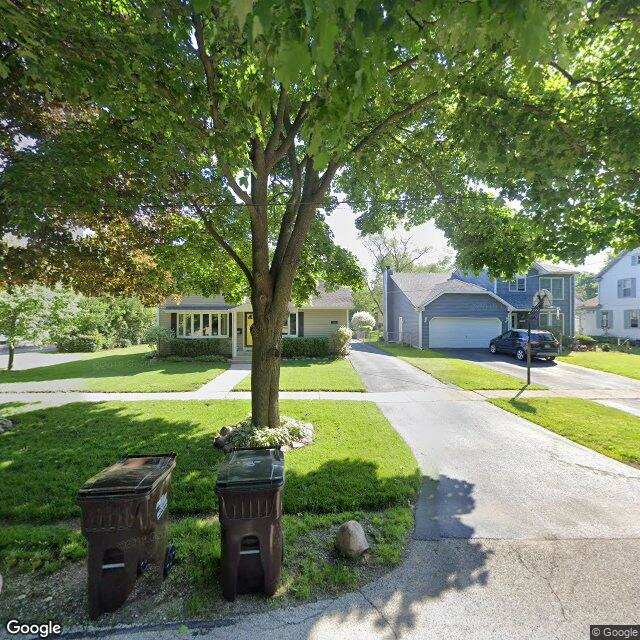
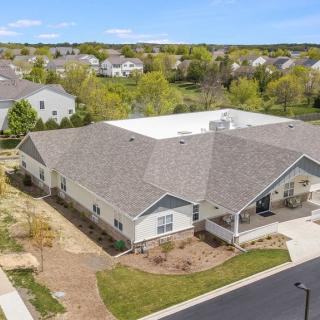
1735 Route 76, Crystal Lake, IL 60014
To contact a resident: (847) 750-6442
For more information about senior living options: (866) 208-4318
Northern Illinois Home Care Costs & Pricing
Northern Illinois Home Care offers a competitive pricing structure compared to broader regional and state averages. With a monthly cost of $3,348 for a private room, it presents significant savings when juxtaposed with McHenry County's average of $5,551 and the statewide average of $5,049. This difference highlights Northern Illinois Home Care's commitment to providing quality care at an accessible price point, beneficial for families seeking home care options without compromising on service quality. By positioning itself well below both county and state averages, Northern Illinois Home Care not only appeals to budget-conscious families but also underscores its dedication to enhancing the affordability of essential health services in the region.
| Floor plans | Northern Illinois Home Care | McHenry County | Illinois |
|---|---|---|---|
| Private | $3,348 | $5,551 | $5,049 |
Senior living communities with a similar price nearby
-
from +$462 / mo

24/7 BrightStar
$3,810 to $5,970 / month18.6 miles away -
from +$152 / mo
Pheasant Branch
$3,500 to $4,000 / month23.4 miles away -
from +$152 / mo

Galloway Senior Living
$3,500 to $6,000 / month23.6 miles away -
from -$248 / mo
Arbor Village of Geneva Crossing
$3,100 / month24.2 miles away -
from -$348 / mo

Robin's Nest Assisted Living
$3,000 to $5,100 / month25.0 miles away
Overall Review of Northern Illinois Home Care
Pros
 The reviewers describe their overall experience with Northern Illinois Home Care as real positive.
- Caregivers are noted for being sensitive to the parents' needs and for coordinating well with one another.
- The staff’s responsiveness in answering questions is highlighted as a positive.
- The main office representative is described as awesome, with proactive follow-ups and effective handling of caregiver changes; she is fantastic.
- The caregiving team is praised for encouraging the dad and providing helpful support.
Cons
 They experienced a little trouble with the caregivers.
- There was some odd weirdness among the caregivers that could have been screened out.
- The emptying of trash at the end of the day and the final cleanup seemed to be lacking.
Review
Northern Illinois Home Care in Crystal Lake is best suited for families seeking reliable, non-medical in-home assistance for an aging parent who needs regular help with daily routines and a coordinated caregiving team. The ideal client values accessible, responsive communication from the agency for questions, schedule changes, and contingency planning. This setup works well when families want hands-on support that preserves familiar home rhythms, backed by prompt follow-up from a dedicated office contact and a team approach among caregivers rather than a single, static caregiver.
The strongest positives center on attentiveness and coordination. Families repeatedly note that questions and concerns are handled promptly, and that caregivers are attuned to the senior’s needs. The team tends to coordinate well, which reduces mixed messages and helps maintain consistent routines for daily activities. A standout asset is the office liaison, described as awesome and fantastic, who follows up on issues and can switch caregivers as needed. This level of responsiveness provides real peace of mind for families juggling multiple responsibilities and helps keep the care plan alive even when personalities or schedules shift.
Yet there are caveats worth weighing. A portion of feedback points to occasional caregiver quirks that suggest screening could be more stringent. While caregivers generally perform well, particularly in encouraging the parent and supporting day-to-day activities, some housekeeping tasks appear inconsistent. Specific concerns, such as end-of-day trash removal and final cleanup, reveal gaps that may reflect broader industry norms rather than isolated missteps. Taken together, these are not catastrophic flaws, but they do color the experience and warrant clear expectations and proactive management.
Despite these downsides, the pros effectively offset the cons for most families. The caregivers’ sensitivity to the senior’s needs and their ability to mobilize a coordinated team create a stable daily rhythm and a sense of safety. The office staff’s proactive follow-ups and willingness to adjust caregivers mitigate the risk of ongoing dissatisfaction and help preserve continuity of care. In practice, families are spared from having to micromanage the care, which translates into reduced stress and greater confidence that the parent’s routine will stay intact.
For families weighing options, it’s important to consider who should explore alternatives. Those requiring deeper medical supervision, specialized tasks, or highly stringent housekeeping standards may find the current model lacking in depth or consistency. A larger agency with broader staffing resources or a transition to an assisted living setting could offer more uniform caregiver coverage and a wider range of medical supports. The decision should hinge on whether non-medical daily support, coordination, and flexible caregiver switching align with the senior’s needs and the family’s tolerance for occasional housekeeping variances.
In practical terms, Northern Illinois Home Care delivers a sensible, experienced solution for Crystal Lake households prioritizing responsive communication and coordinated in-home assistance. The key strengths, empathetic caregivers, a proactive office liaison, and a collaborative team dynamic, generally outweigh the minor housekeeping gaps and caregiver quirks. Families considering NIHC should pursue a candid conversation about caregiver rotation policies, clearly define expectations for routine tasks, and request a face-to-face meet-and-greet with the main office contact to establish shared goals and contingency plans. When the goal is reliable daily support buffered by a capable, responsive office structure, NIHC earns serious consideration.



 Home Health Care Demystified: A Comprehensive Guide for Families and Caregivers
 Seniors and Modern Transportation: Exploring Uber, Lyft, and Other Ride-Hailing Options
 Comprehensive Guide to Qualifying for Home Health Care Services