
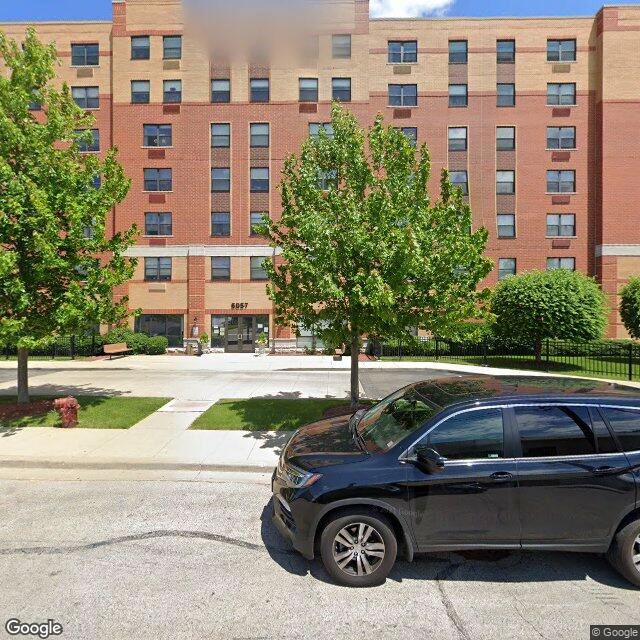
6057 Lincoln Avenue, Chicago, IL 60659
To contact a resident: (773) 267-8000
For more information about senior living options: (866) 208-4318
Lincoln Village Senior Apartments Costs & Pricing
Lincoln Village Senior Apartments offers competitive pricing for both one and two-bedroom units, making it an attractive option for seniors seeking affordable housing. With a monthly cost of $675 for a one-bedroom apartment and $805 for a two-bedroom, residents benefit from significant savings compared to the average costs in Cook County, where one-bedroom apartments reach approximately $3,256 and two-bedrooms average around $4,412. Similarly, the broader Illinois market presents even higher figures, with one-bedroom units costing about $3,527 and two-bedrooms at $4,208. Thus, Lincoln Village not only provides quality accommodations but also helps its residents maintain financial flexibility amidst rising living expenses in the region.
| Floor plans | Lincoln Village Senior Apartments | Cook County | Illinois |
|---|---|---|---|
| 1 Bedroom | $675 | $3,256 | $3,527 |
| 2 Bedrooms | $805 | $4,412 | $4,208 |
Senior living communities with a similar price nearby
-
from +$75 / mo
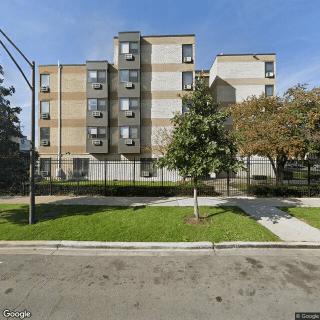
Anathoth Gardens
$750 / month7.9 miles away -
from +$75 / mo
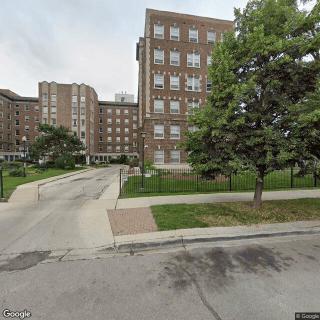
Beth Anne Residence
$750 / month6.8 miles away -
from +$124 / mo

Wood Glen Senior Residences
$799 / month7.0 miles away -
About the same
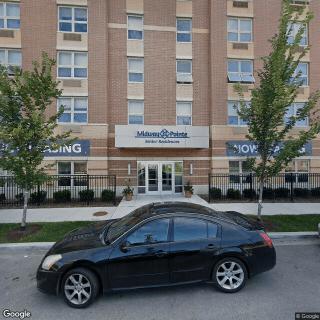
Midway Pointe
$665 to $815 / month13.1 miles away -
from +$97 / mo

Alden Horizon
$772 / month23.9 miles away
Overall Review of Lincoln Village Senior Apartments
Pros
 Lincoln Village is a wonderful place to live.
- The apartments are spacious and have good closet space.
- The hallways are lined with pretty artwork.
- There is a community room where residents can enjoy coffee, tea and breakfast goodies on weekdays.
- There is a laundry room, an exercise room, a library and ample parking.
- The neighbors are friendly and the location is ideal for walking along the River.
- The staff, including the manager and janitor, are very helpful.
- The facility includes a gym for residents.
Cons
 The property is infested with bedbugs, roaches, and mice, and is far from luxury living.
- The manager is described as childish and mostly spent on social media or watching cameras instead of addressing tenantsā€™ concerns.
- The second-in-command is accused of being a pawn in exchange for free rent and instigating trouble among tenants.
- She allegedly instigates conflicts between tenants to divert attention from the real problems.
- The janitor does only half his work and steals during the other half.
- Tenants are frustrated by long delays in repairs, including a broken AC.
- He stole chandeliers and claimed they belonged to the previous tenants.
- There are police reports alleging break-ins and theft, with a master key enabling access to units.
- Management is hard to reach and complaints are met with punishment or neglect.
- The overall living environment is described as dirty, negative, and like miserable ghetto living.
- The owner is described as cheap and failing to address bed bug issues, with employees paid the bare minimum and the property manager rude.
Review
Lincoln Village Senior Apartments in Chicago is best suited for independent, active seniors who want a favorable city location, decent apartment space, and built-in social and fitness amenities. The package includes a spacious living area with ample closet space, a community room, gym, library, laundry facilities, and parking, all within a walkable, river-adjacent neighborhood. This is not a turnkey assisted-living setting; it relies on residents managing their own daily routines and on-site staff primarily handling maintenance and safety. The clear caveat is that management quality and responsiveness vary, and pest-control and security concerns have clouded experiences for a number of residents.
Alternatives should be on the radar for anyone who needs consistent, high-touch oversight or a pest-free environment and a transparent, reliable on-site team. Families considering Lincoln Village will want to compare with other independent-living options that demonstrate steady pest control history, prompt maintenance, and a track record of respectful resident relations. Those with heightened safety concerns about personal belongings, or who require regular housekeeping and care services, may find more suitable configurations elsewhere.
On the plus side, the apartments themselves are described as spacious with good closet space, and the building's common areas feature inviting decor that fosters a sense of neighborhood. Residents cite friendly neighbors, a sense of community, and convenient access to shopping and riverfront walking routes. The gym, library, and social gathering spaces support an active lifestyle, while proximity to local amenities reduces the need for frequent off-site trips. Several accounts highlight practical help from the manager and maintenance staff, and while experiences vary, there is no shortage of tenants who view those on-site teams as responsive when issues are raised.
However, the most consequential downsides appear as pest infestations, bedbugs, roaches, and mice, paired with impressions of frugal ownership and uneven upkeep. Critics describe a cash-constrained owner who cuts prevention corners, and a maintenance rhythm that can be inconsistent. Reports of a janitor implicated in theft or neglect, limited ability to contact the main administrator, and a collective sense of a tense, cafeteria-like atmosphere add to the unease. The perception that a master key access creates vulnerabilities compounds daily anxiety, and the overall mood can feel more like a crisis-management environment than a calm, predictable home. These threads cannot be dismissed; they directly affect comfort, trust, and peace of mind.
Therefore, the value of the positives hinges on risk tolerance and personal priorities. For independent residents who prize the location and social opportunities and can navigate imperfect oversight, Lincoln Village delivers meaningful quality of life and worthwhile amenities at a reasonable price. Its social fabric and activity options can compensate for moments of frustration, provided pest-control histories improve and maintenance responsiveness gains traction. For anyone who cannot endure recurring pest issues or who requires consistently proactive, trusted on-site management, the cons overwhelmingly dilute the appeal, making exploration of alternatives prudent.
Practical steps when evaluating include requesting a written pest-control history and recent remediation records, touring multiple units to observe cleanliness firsthand, and asking to meet the on-site manager and current residents about response times. Review lease terms for service guarantees, penalties, and escalation processes, and verify safety features and security procedures to protect personal belongings. Consider a candid, in-person assessment of how complaints are handled and whether tenants feel heard. In short, Lincoln Village can be a solid choice for the right resident profile, but it demands careful vetting, especially around pest control, maintenance reliability, and management accessibility. If those areas raise red flags, prioritize other independent-living options that offer stronger preventive care and steadier on-site leadership.
 Active Adult Communities (55+)
 Cats allowed
 Dogs allowed
 Chicago O'Hare International (10 miles away)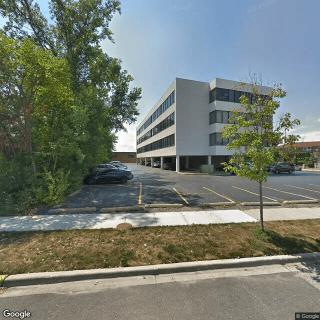




 Navigating the Tax Landscape of Caregiving: Credits, Deductions, and Beyond
 Highly Beneficial Low-Impact Exercises for Senior Living Residents
 Is In-Home Healthcare Tax Deductible? Your Comprehensive Guide