
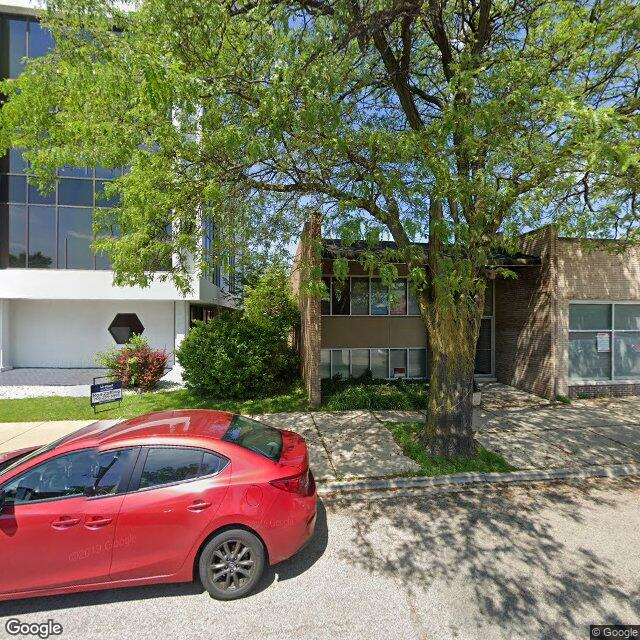
6246 N. Pulaski,, Chicago, IL 60646
To contact a resident: (773) 572-4875
For more information about senior living options: (866) 208-4318
Overall Review of Home for Good Senior Care
Pros
 The senior care is excellent.
- All caregivers have been good for him.
- The caregivers are caring and compassionate.
- The service is friendly.
- Mary is very nice.
Review
Home for Good Senior Care in Chicago is best suited for families seeking intimate, at‑home style support where the emphasis is on seasoned, responsive caregiving and direct, ongoing coordination. This provider appears ideal for seniors or disabled adults who benefit from one-on-one attention, a steady cadre of compassionate caregivers, and a straightforward point of contact for arranging and adjusting care. The clearest fit emerges for clients who want to stay in a familiar environment and value personal warmth and reliability over a campus atmosphere or highly structured institutional programming. In short, this is a strong choice for families prioritizing personal connection, caregiver consistency, and practical, human-scale care.
Those who should consider alternatives are families whose care needs extend well beyond daily living assistance or who require a formal facility setting. If medical oversight must be constant, if 24/7 on-site nursing supervision is non‑negotiable, or if robust, campus-style programming with built-in social activities is essential, a traditional assisted living facility or skilled nursing community will likely serve better. Similarly, if memory care with specialized protocols or more comprehensive on-site therapy services are priorities, exploring larger organizations with dedicated memory care wings or clinical teams would be prudent. The present reviews do not expose red flags, but the nature of in-home care often curves toward different strengths and gaps than a facility-based model.
The strongest pro in these reviews is the caliber of the caregiving team. Caregivers are described as caring, compassionate, and friendly, delivering reliable, personal attention to a disabled veteran and other seniors. The consistent praise for the caregivers, paired with a sense of genuine warmth, translates into meaningful quality of life for the person receiving care. A dedicated coordinator, Mary, emerges as a notable asset, offering approachable, personable contact and a trustworthy conduit for arranging services and adjusting care as needs shift. That combination, capable, kind caregivers plus a reliable single point of contact, produces a tangible edge in daily wellbeing and ease of scheduling.
Given the limited publicly available feedback, potential drawbacks must be anticipated even if not explicitly documented by these four reviews. In-home caregiver services can encounter variability in day-to-day staffing, potential scheduling gaps, and less immediate access to skilled medical oversight than a facility provides. Costs can also rise with the level of one-on-one attention and the number of caregivers required in a given period. Yet these potential drawbacks are largely offset by the very strengths highlighted: highly engaged caregivers who form trusting relationships, and a coordinator who streamlines communication and care plans. The net effect is a practical, human-centered care model that shines where personalization and continuity matter most.
Families weighing alternatives should consider whether they value the flexibility and home‑based intimacy offered here versus the social structure, supervision, and clinical resources of a facility. For seniors who thrive on personal relationships, predictable caregiver interactions, and staying in a familiar home setting, Home for Good Senior Care can deliver peace of mind and real day-to-day benefit. Conversely, those seeking 24/7 nursing supervision, a robust activities calendar, or a formal campus environment should shortlist traditional assisted living or nursing facilities as primary contenders and reserve in-home care appropriate for supplemental or transitional needs.
Practical due diligence will make the decision clearer. Prospective clients should confirm who will be the primary caregiver team, understand the schedule and coverage guarantees, and request a formal care plan outlining tasks, medications, and safety checks. It is wise to ask for current references beyond the quoted testimonials, verify licensing and any applicable certifications, and discuss billing structures, minimum hours, and respite options. Clarify how emergencies are handled after typical business hours and whether Mary, or another coordinator, will remain the single point of contact when shifts change. With those checks, the decision centers on whether the value of compassionate, dependable, home-based care aligns with the family’s care intensity, budget, and long‑term goals. If it does, Home for Good Senior Care delivers a practical, trustworthy path to maintaining independence and dignity in the comfort of home.
 Chicago O'Hare International (9 miles away)






 Powerful Realities of Elder Abuse and the Most Effective Ways to Report It
 Ten Vital Duties of a Senior Caregiver: A Comprehensive Guide
 9 Stimulating Memory Activities for Seniors: Puzzles, Cards, and Much More