
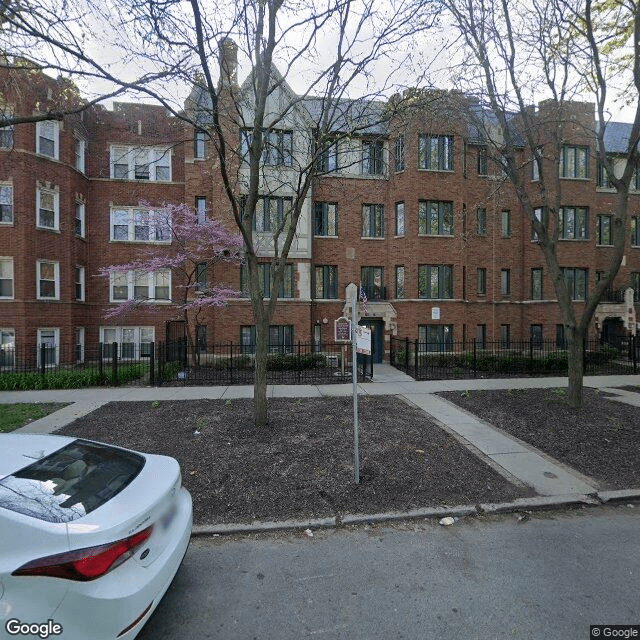
7018 S Cregier, Chicago, IL 60649
To contact a resident: (773) 667-1940
For more information about senior living options: (866) 208-4318
Highlands Tudor Manor Costs & Pricing
Highlands Tudor Manor offers a compelling value for residents seeking one-bedroom accommodations, with monthly costs significantly lower than both the county and state averages. At just $527 per month, Highlands Tudor Manor presents an attractive alternative to Cook County's average of $3,256 and Illinois' overall average of $3,527. This substantial difference in pricing not only highlights the affordability of Highlands Tudor Manor but also underscores its commitment to providing cost-effective living options without compromising on quality or service. Residents can enjoy a more economical lifestyle while still benefiting from the amenities and community spirit that Highlands Tudor Manor fosters.
| Floor plans | Highlands Tudor Manor | Cook County | Illinois |
|---|---|---|---|
| 1 Bedroom | $527 | $3,256 | $3,527 |
Senior living communities with a similar price nearby
-
from +$53 / mo
Hancock House
$580 to $695 / month7.1 miles away -
from +$23 / mo
Montclare Senior Residences of Avalon Park
$550 to $650 / month1.2 miles away -
from +$73 / mo
Robbins Supportive Living
$600 to $4,200 / month10.5 miles away -
from -$16 / mo

Hollywood House Apartments
$511 to $739 / month15.6 miles away -
from +$48 / mo
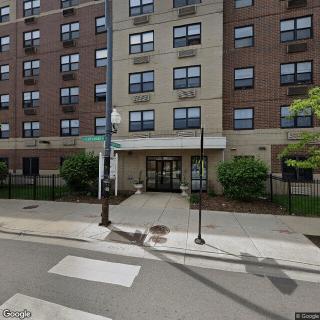
Belmont Place Senior Apartments
$575 / month14.5 miles away
Overall Review of Highlands Tudor Manor
Pros
 They love living there.
- They are glad they checked the reviews first and appreciate the honest feedback.
- They are very happy with the staff, noting that Nichole and Michael address issues promptly.
- Their experience has been pleasant; they love the community and find neighbors kind and caring, and they look forward to Tudor Manor’s upcoming transformation.
- They find the place nice with a friendly neighborhood, enjoy their room, and feel at home.
- They love their community, which is quiet and filled with nice people.
- The dad’s apartment is clean and well maintained, the staff are friendly and take care of needs, and activities are offered to help him.
- They were impressed with the building and studio; the director was polite and professional.
Cons
 They find mice, roaches, and bed bugs unacceptable.
- The building is infested with roaches, mice, and bed bugs.
- The carpet is over 30 years old and half the windows don’t work, which isn’t safe.
- The building has not been updated.
- People walk through the hallway at any time.
- They have not moved because they have nowhere else to go.
- The window opens onto a small alley between buildings.
- Management knows they have problems but doesn’t care.
Review
Highlands Tudor Manor in Chicago is best suited for seniors who want a close-knit, affordable community where neighbors look out for one another and a responsive staff handles day-to-day needs. This is not a luxury destination, but a practical setting where ownership of a personal living space and a steady social routine matter more than pristine finishes. It appeals to residents who value stability, quiet surroundings, and the chance to participate in ongoing activities without paying top-tier prices. For families, the upside is clear: a community environment that can provide reassurance through steady staffing and a sense of belonging, even if some amenities lag behind newer properties.
The strongest positives center on people and pace. Residents repeatedly describe a welcoming neighborhood vibe, with neighbors who are kind and supportive and a staff team that can be quick to respond when something goes wrong. The draw is the daily practicality of living in a place where problems are acknowledged and handled, sometimes by named team members who become trusted points of contact. Several residents note that the common areas are improving and that the building is undergoing a transformation that could lift the overall ambience. In addition, relatives highlight the value of a clean, well-maintained apartment that affords a degree of independence, along with staff-facilitated activities that keep residents engaged and connected to the larger community. The combination of a quiet living environment, personal space, and attentive management creates a foundation that many families find compelling when evaluating options in this price bracket.
However, the most significant drawbacks are hard to overlook. A longstanding pest issue, roaches, bed bugs, and mice, repeats across multiple accounts, with disputes over how promptly and effectively management addresses infestations. Several residents feel that while problems are acknowledged, the action to resolve them has been slow or insufficient. The building itself shows its age: carpet and fixtures are decades old, windows occasionally fail, and some spaces feel cramped or dated. Safety concerns emerge in reviews that describe easy hallway access and limited security, contributing to a sense of vulnerability for residents. Internet reliability also surfaces as a practical irritant in day-to-day life, with residents noting suboptimal service tied to the building’s connection setup. Taken together, these cons create a higher baseline risk for anyone prioritizing a pest-free, modernized, and more consistently secure environment.
The key question becomes whether the positives can offset these core drawbacks in a meaningful, long-term way. For many seniors, a strong sense of community and dependable staff can mitigate a considerable portion of building-age compromises. The fact that staff responsiveness and personal attention have been repeatedly praised helps counterbalance the need for ongoing maintenance and pest remediation. Where Tudor Manor shows visible momentum, cleanliness improvements, regular resident activities, and a director who delivers respectful tours and credible leadership, it signals potential for continued progress. In practice, that means a resident who values social engagement, routine, and straightforward, cost-conscious living may decide the trade-offs are acceptable as long as pest control remains actively managed and improvements continue apace.
Nevertheless, certain individuals should strongly consider alternatives. Those who cannot tolerate recurring pest issues or who require an immediate, comprehensive pest-management solution will likely be uncomfortable here. Prospective residents who demand modern finishes, larger living spaces, or advanced amenities will find the property lacking relative to newer properties. Families with higher medical or memory-care needs should note that this setting does not present as a dedicated care environment; the level of medical support appears limited and not specialized. For anyone who relies on robust, uninterrupted internet or expects consistently secure, up-to-date infrastructure, the current setup may fall short. The CHA waitlist anecdotes and the sense that improvements are ongoing can be a reminder that other properties could offer faster timelines and less compromise on comfort and security.
The decision should hinge on fit: if a sense of community, practical management, and value in a modest, home-like apartment outweigh the discomforts of an aging building and pest challenges, Highlands Tudor Manor can be a good match. Conduct a disciplined visit focused on two critical areas: current pest remediation plans and the timeline for substantial common-area and unit upgrades. Speak with several residents about how issues are handled day-to-day, request a written remediation schedule, and verify what guarantees exist on response times. Inspect a few apartment units for storage, natural light, and window integrity, and test the internet setup in person. Review the service agreement with an eye for escalation procedures, as well as any planned renovation milestones. With clear expectations and disciplined follow-through, this community can still serve as a solid, dependable option for seniors who prioritize companionship and value over showroom polish.
 Active Adult Communities (55+)
 Activities off-site
 Devotional services off-site
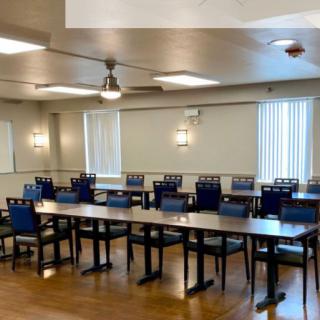
 Indoor common areas
 Outdoor common areas
 Wheelchair accessible showers
 Chicago Midway (9 miles away)


 Top Cars for Senior Drivers and Essential Safety Innovations
 A Closer Look at Private Pay Home Care
 Comprehensive Approaches for Arthritis: A Detailed Guide to Symptoms, Causes, and Care