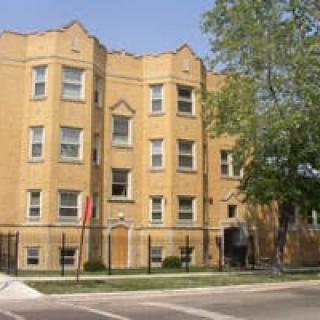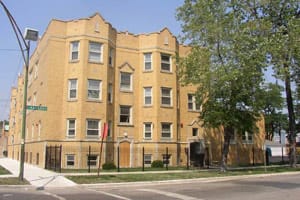
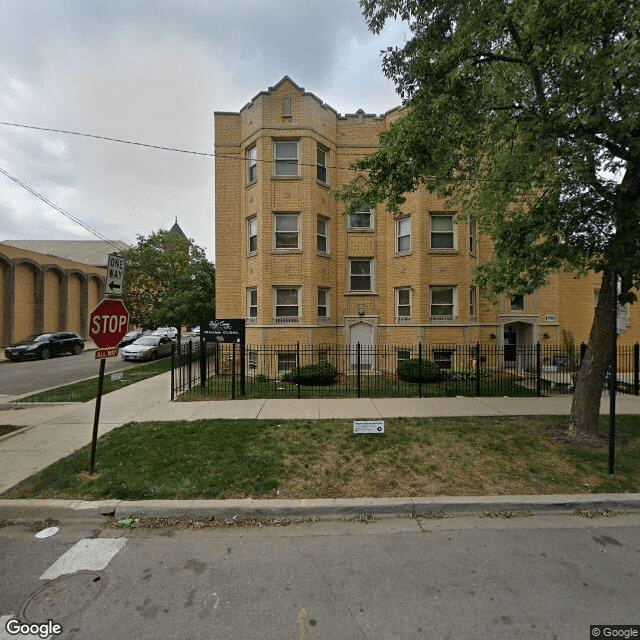
1900 North Karlov, Chicago, IL 60639
For more information about senior living options: (866) 208-4318
Bishop Edwin Conway Residence Costs & Pricing
The Bishop Edwin Conway Residence offers competitive pricing for its accommodations compared to the broader market in Cook County and across Illinois. For a semi-private room, residents can expect a monthly cost of $2,750, significantly lower than the average costs of $5,192 in Cook County and $5,146 statewide. Similarly, the residence's studio units are available at $3,000 per month, which is also more affordable than the county's average of $3,762 and the state's average of $4,028. This makes Bishop Edwin Conway Residence an appealing option for those seeking quality living arrangements without incurring excessive expenses.
| Floor plans | Bishop Edwin Conway Residence | Cook County | Illinois |
|---|---|---|---|
| Semi-Private | $2,750 | $5,192 | $5,146 |
| Studio | $3,000 | $3,762 | $4,028 |
Assisted Living communities with a similar price nearby
-
from +$545 / mo

Clarendale Six Corners
$3,295 to $7,695 / month2.7 miles away -
from -$254 / mo
Sedgebrook
$2,496 to $7,925 / month21.0 miles away -
from +$150 / mo
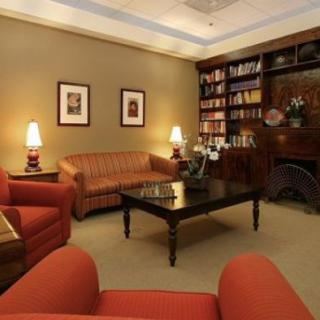
Eden Supportive Living
$2,900 to $3,500 / month4.8 miles away -
from +$275 / mo
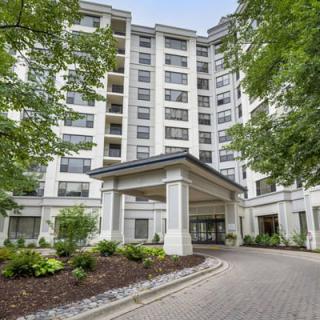
Brookdale Des Plaines
$3,025 to $4,710 / month11.6 miles away -
from +$525 / mo
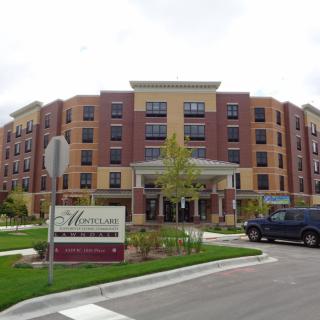
Montclare Supportive Living
$3,275 to $3,605 / month4.1 miles away
Overall Review of Bishop Edwin Conway Residence
Pros
 The community offers a very personal approach to affordable senior living.
- The quaint building showcases great attention to individual care.
Review
Bishop Edwin Conway Residence in Chicago is best suited for seniors who want a highly personal, affordable care experience in a small, home-like setting. It is ideal for residents who primarily need daily assistance and daily oversight but do not want to trade intimacy for size. The building’s intimate scale, combined with a focus on individualized attention, makes it a good fit for those who value predictable routines, direct staff relationships, and a sense of belonging over flashy amenities. Families that prioritize warmth, familiarity, and straightforward care plans will find this community’s approach aligns with those priorities.
Those seeking a wide array of on-site activities, resort-like facilities, or extensive medical amenities may want to consider alternatives. A larger campus with diversified programming, multiple dining venues, and more robust care ecosystems often delivers broader choices. For residents requiring advanced medical coordination or significant specialized services, this community may not provide the depth of resources found in bigger facilities. Additionally, if transportation to off-site appointments or access to a wide social calendar is important, some may prefer a setting with greater volume and reach.
Core strengths emerge in the combination of being “very personal” and “affordable,” with a “quaint” building that keeps care hands-on. Staffers appear to know residents well, tailoring assistance to individual routines, preferences, and dietary needs. The affordable angle reduces financial stress, making ongoing care sustainable rather than a months-long negotiation over costs. The quaint ambiance tends to foster comfort and ease, encouraging residents to settle in without the overwhelming stimuli of a large campus. In practice, that translates into quicker responses to daily needs, fewer bureaucratic layers, and a stronger sense that care is built around the person rather than around a checklist.
Naturally, the intimate scale can imply trade-offs. A smaller footprint may limit variety in dining, programming, and on-site services compared to bigger communities. Fewer staff, quieter corridors, and a compact facility can translate into slower access during peak times or limited hours for certain amenities. For some residents, the lack of visible, rotating activities or specialized offerings could feel static. While the emphasis on individual care mitigates these gaps for many, it is prudent to verify what is included in the monthly rate and what would require extra cost.
Yet the pros tend to offset these potential drawbacks for the right resident. When staff personally know preferences, it reduces the friction of daily routines and lowers the risk of isolation or miscommunication, critical for seniors who thrive on consistency. The affordability wins out for families navigating long-term care budgets, turning what could be an ongoing financial strain into a predictable expense. The home-like setting supports dignity and independence, encouraging residents to participate at their own pace without feeling overwhelmed by institutional formality. In short, the strongest case rests on a precise match between individual care needs and the community’s intimate, budget-conscious model.
Families evaluating Bishop Edwin Conway Residence should enter with a clear checklist: ongoing care needs, preferred level of personal attention, tolerance for a smaller social calendar, and budget constraints. A hands-on tour that probes staff responsiveness, meal options, and care planning will reveal whether the reality matches the description. If these factors align, this Chicago community offers a compelling, credible path to secure, comfortable living with dignity. If not, alternatives with more extensive programming, larger campuses, or specialized services may deliver a closer fit. The decision hinges on balancing the value of individualized attention and affordability against the desire for breadth of amenities.
 22 resident community capacity
 Assisted Living
 Activities off-site
 Air-conditioning
 Bath tubs
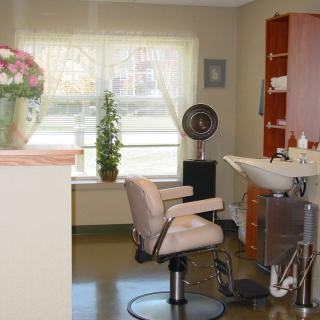
 Beauty salon
 Cable or satellite TV
 Devotional services off-site
 Dining room
 Fully furnished
 Garden
 Housekeeping services
 Indoor common areas
 Kitchenette
 Move-in coordination
 Outdoor common areas
 Telephone
 Wheelchair accessible showers
 Wi-Fi/high-speed internet available
 Chicago Midway (9 miles away)
 24-hour call system
 Ambulatory care
 Assistance with bathing
 Assistance with dressing
 Assistance with transfers
 Diabetes diet
 Diabetic care
 Incontinence care
 Meal preparation and service
 Medication management
 Mental wellness program
 Special dietary restrictions
 Transportation arrangement (medical)
 Transportation to doctors appointments
 Art classes
 BBQs or picnics
 Catholic services
 Day trips and outings
 Happy hour
 Live well programs
 Trivia games
 Wii bowling

 Funding and Affording Assisted Living: A Thorough Overview
 Assisted Living Expenses and Long-Term Care Insurance: A Comprehensive Exploration
 Securing Financial Support for Assisted Living: A Comprehensive Overview