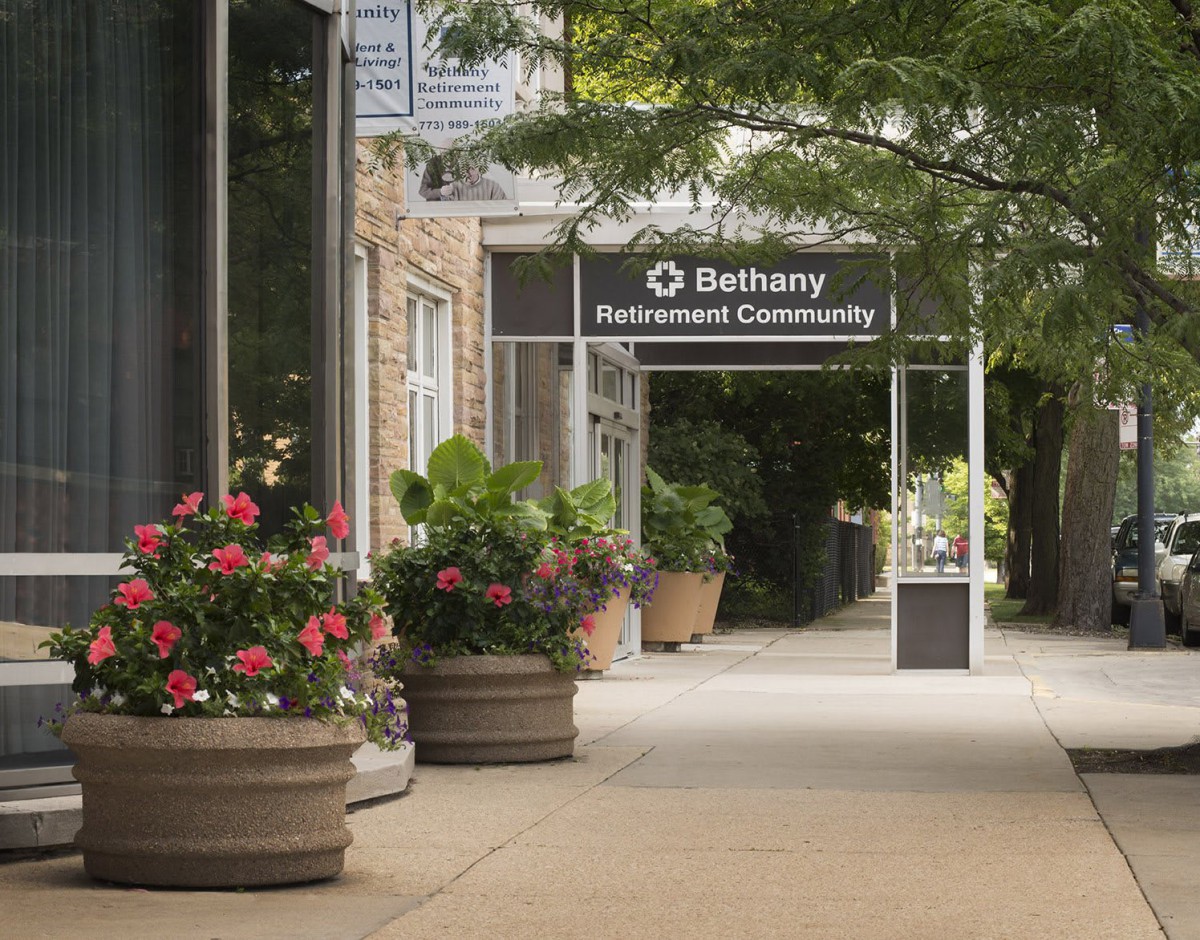
Bethany Retirement Community offers a range of accommodation options at competitive prices when compared to both Cook County and the broader Illinois market. For instance, studio apartments at Bethany range from $1,900 to $4,673, significantly lower than the county's average of $3,762 and the state average of $4,028. Similarly, their one-bedroom units are priced at $2,150, which is notably more affordable than the respective averages of $3,256 in Cook County and $3,527 statewide. The two-bedroom options are available for $3,500, which remains below both local ($4,412) and state averages ($4,208). Even in semi-private accommodations priced at $3,595 and private rooms at $4,314, Bethany presents a cost-effective choice compared to the higher costs seen in Cook County and across Illinois. Overall, Bethany Retirement Community stands out as an attractive option for seniors seeking quality living arrangements without compromising on budget.
Floor plans
Bethany Retirement Community
Cook County
Illinois
Studio
$1,900 to $4,673
$3,762
$4,028
1 Bedroom
$2,150
$3,256
$3,527
2 Bedrooms
$3,500
$4,412
$4,208
Semi-Private
$3,595
$5,192
$5,146
Private
$4,314
$5,168
$5,049
Assisted Living communities with a similar price nearby
Residents like the nearby hospital connection for peace of mind.
Several residents mention the community’s close connection to hospital care, including an attached feel with an easy indoor connection. Others specifically call out that medical personnel are in the building and that a hospital is very close by. For families, that proximity comes up as a practical added benefit, especially when residents have health concerns.
common18 reviews mention this
Staff are consistently described
Staff friendliness and responsiveness come through in many resident stories.
Across the reviews, residents and families repeatedly describe the staff as friendly, caring, and attentive to day-to-day needs. Multiple reviews also describe staff who are respectful and do their best to meet needs, including for memory-related support. A smaller number of comments focus on communication or organization, but the overall staff tone is overwhelmingly positive.
common15 reviews mention this
Activities and outings are a highlight
There’s enough going on to keep residents engaged.
Reviews commonly point to a busy calendar of activities, social programs, and outings as a key reason people feel comfortable there. Some residents describe multiple things to do beyond staying in apartments, with community rooms and planned events. A few reviews also note gaps or changes over time, including concerns that activities may not match every care level.
caveat17 reviews mention this
Dining quality is polarizing
Dining gets mixed feedback, with frequent calls to improve consistency.
Many reviews mention that meals are included and that residents can choose among meal options during the day. At the same time, several residents and families complain about food quality, describing it as processed, not flavorful, or reduced after management changes. Others say the food is delicious or that they like the variety, so results appear to depend on expectations and timing.
caveat5 reviews mention this
Memory care support has limits
Families considering memory-related needs report important limits.
Some reviews describe memory care staff and memory-focused classes as helpful for residents needing some support. Others say the community was no longer equipped as memory needs worsened, including being asked to leave. There are also comments that the community isn’t a fit for Alzheimer’s, so it’s something families appear to have checked very closely before moving in.
differentiator9 reviews mention this
Pricing is positioned as the value
Many families choose Bethany for the strong value relative to other options.
Price comes up often, with multiple reviewers saying it’s economical and a good deal for the neighborhood. Some families explicitly compare it with other Chicago-area options and describe lower costs as a deciding factor. There are also cautions that fees can increase over time, and a couple of reviews encourage looking closely at what’s included as care needs change.
How we summarize
Counts show how many written reviews mention each theme; a review can touch several themes, and only frequently mentioned themes are displayed.
Features
Housing
150 resident community capacity
1-bedroom apartments
Studio apartments
Types of Care
Assisted Living
Independent Living
Memory Care
Skilled Nursing Facility
Amenities
Activities off-site
Activities on-site
Air-conditioning
Bath tubs
Beautician on-site
Beauty salon
Cable or satellite TV
Cafe
Computer center
Devotional services off-site
Devotional services on-site
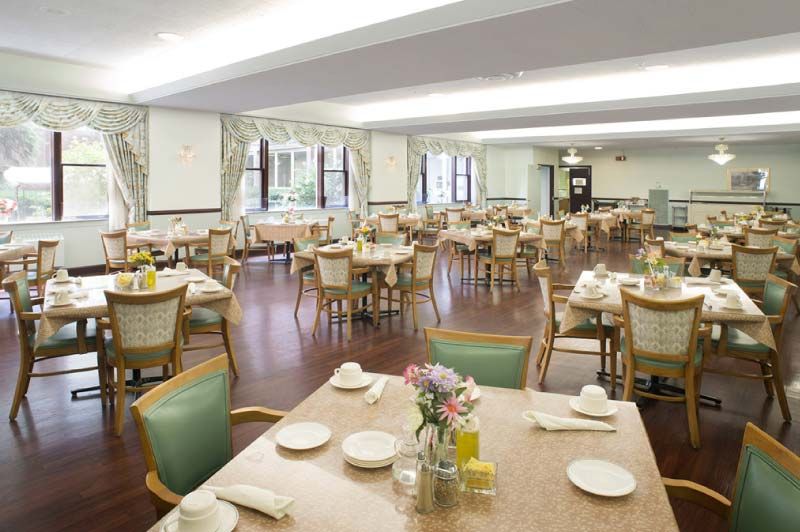
Dining room
Fitness room
Fully furnished
Gaming room
Garden
Handicap accessible
Housekeeping services
Indoor common areas
Kitchenette
Laundry
Move-in coordination
Outdoor common areas
Outdoor space
Private bathrooms
Respite or short term stays offered
Restaurant-style dining
Small library
Telephone
Wellness center
Wheelchair accessible showers
Wi-Fi/high-speed internet available
Transportation
Chicago O'Hare International (12 miles away)
Chicago Midway (14 miles away)
Community operated transportation
Transportation & parking
Transportation arrangement
Care Services
24-hour call system
24-hour supervision
Activities of daily living assistance
Ambulatory care
Assistance with bathing
Assistance with dressing
Assistance with transfers
Diabetes diet
Diabetic care
Incontinence care
Meal preparation and service
Medication management
Special dietary restrictions
Dining
Diabetes diet
Gluten-free
Guest meals
Low / no sodium
Meals provided
No Sugar
Organic
Restaurant style dining
Special dietary restrictions
Activities
Activities off-site
Art classes
Arts and crafts
Catholic services
Community-sponsored activities
Concierge services
Day trips and outings
Devotional activities offsite
Devotional activities on-site
Educational speakers / life long learning
Fitness programs
Games
Gardening club
Happy hour
Karaoke
Live musical performances
Live well programs
Other religious services
Planned day trips
Protestant services
Religious services
Resident-run activities
Scheduled daily activities
Tai Chi
Visiting chaplain or priest
Yoga / chair yoga
Languages Spoken
English
Nearby Places of Interest
This part of Chicago, Illinois, offers a vibrant and diverse community with a variety of amenities within close distance. The area boasts a range of restaurants, cafes, pharmacies, transportation options, hospitals, parks, theaters, and physicians for convenience and accessibility. With numerous dining options nearby such as SoFo Tap and Las Mananitas Mexican Restaurant, residents can enjoy a wide array of culinary experiences. Additionally, with pharmacies like Mariano's Pharmacy and Walgreens in close proximity, access to medications and healthcare services is readily available. The area also provides ample green spaces for outdoor activities and relaxation in parks like Horner Park and Warren Park. For cultural entertainment, theaters like Regal Webster Place are easily accessible. Overall, this neighborhood provides a well-rounded environment that caters to your lifestyle needs for senior living.
Restaurants
SoFo Tap (0.1 miles)
Little Bad Wolf (0.8 miles)
Murphy's Bleachers (1.8 miles)
Cell Block (1.9 miles)
Las Mananitas Mexican Restaurant (2.1 miles)
Hydrate (2.1 miles)
Roscoe's (2.3 miles)
Pharmacies
Mariano's Pharmacy (0.3 miles)
Walgreens (0.5 miles)
CVS Pharmacy (0.5 miles)
Walgreens (0.6 miles)
CVS Pharmacy (0.6 miles)
Walgreens (1 miles)
Walgreens (1 miles)
Cafes
Starbucks (0.6 miles)
Starbucks (0.8 miles)
Starbucks (1 miles)
Starbucks (1.9 miles)
Starbucks (3.1 miles)
Starbucks (3.2 miles)
Little Beans Cafe (3.9 miles)
Transportation
Cta (0.7 miles)
Cta (1.9 miles)
CTA - Belmont (2.4 miles)
CTA Jarvis (3 miles)
Cta (3.2 miles)
CTA - Fullerton (3.4 miles)
Cta (4.7 miles)
Hospitals
Swedish Covenant Hospital Cancer Care (1.5 miles)
Advocate Illinois Masonic Medical Center (2.6 miles)
Bethany Retirement Community offers a range of accommodation options at competitive prices when compared to both Cook County and the broader Illinois market. For instance, studio apartments at Bethany range from $1,900 to $4,673, significantly lower than the county's average of $3,762 and the state average of $4,028. Similarly, their one-bedroom units are priced at $2,150, which is notably more affordable than the respective averages of $3,256 in Cook County and $3,527 statewide. The two-bedroom options are available for $3,500, which remains below both local ($4,412) and state averages ($4,208). Even in semi-private accommodations priced at $3,595 and private rooms at $4,314, Bethany presents a cost-effective choice compared to the higher costs seen in Cook County and across Illinois. Overall, Bethany Retirement Community stands out as an attractive option for seniors seeking quality living arrangements without compromising on budget.
The features offered by Bethany Retirement Community are integral to providing comprehensive support for residents dealing with dementia or Alzheimer's disease. With 24-hour supervision, staff can closely monitor residents' safety and well-being, ensuring immediate assistance is available when needed. The assistance with activities of daily living, including bathing, dressing, and transfers, helps maintain residents' dignity while promoting independence as much as possible. Incontinence care is also crucial in preserving comfort and hygiene, which can significantly affect emotional well-being. Meal preparation and service ensure that nutritious meals are provided consistently, catering to individual dietary needs, while medication management ensures adherence to prescribed treatments--an essential component for managing symptoms effectively. Together, these services create a structured environment that fosters both physical care and emotional support tailored to the unique challenges faced by individuals with cognitive impairments.
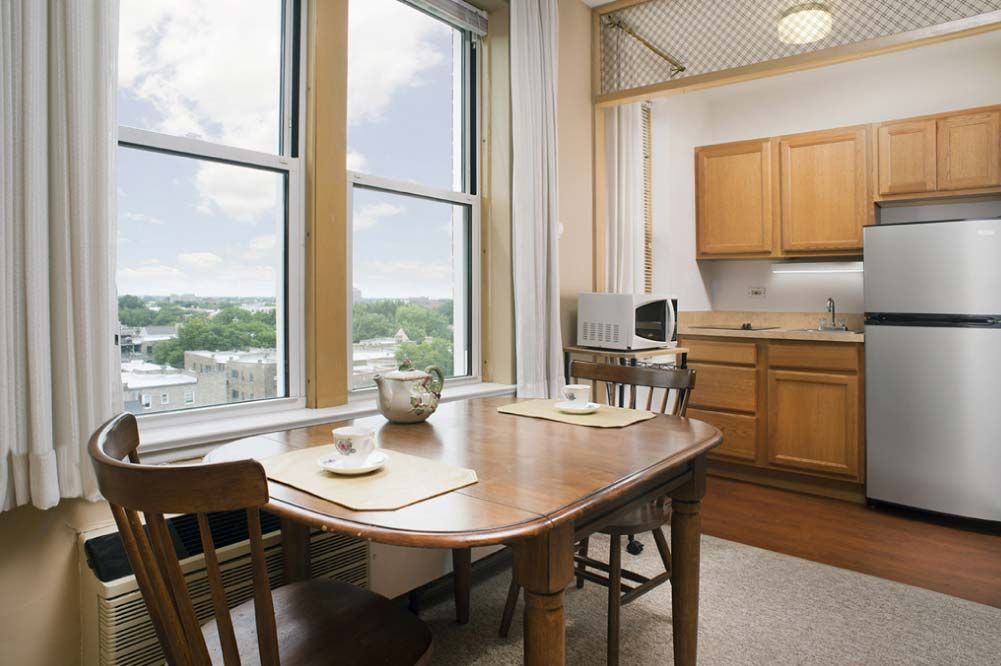
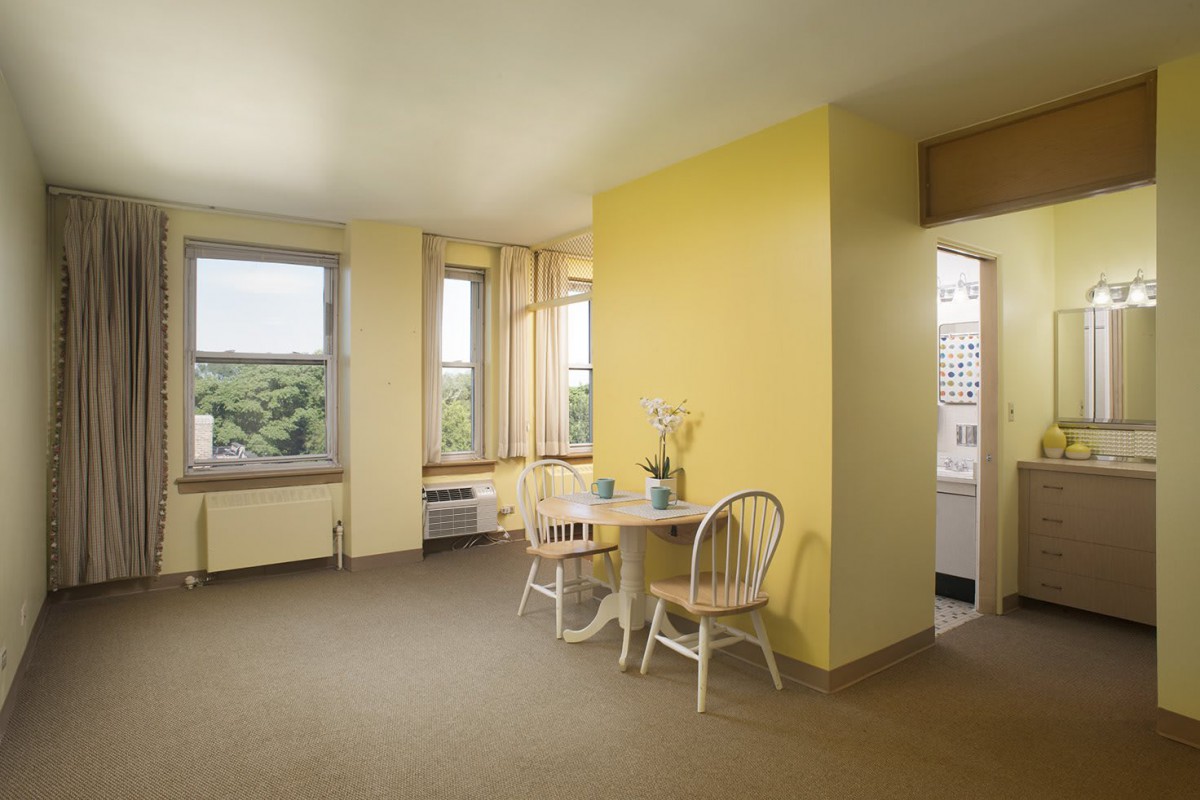
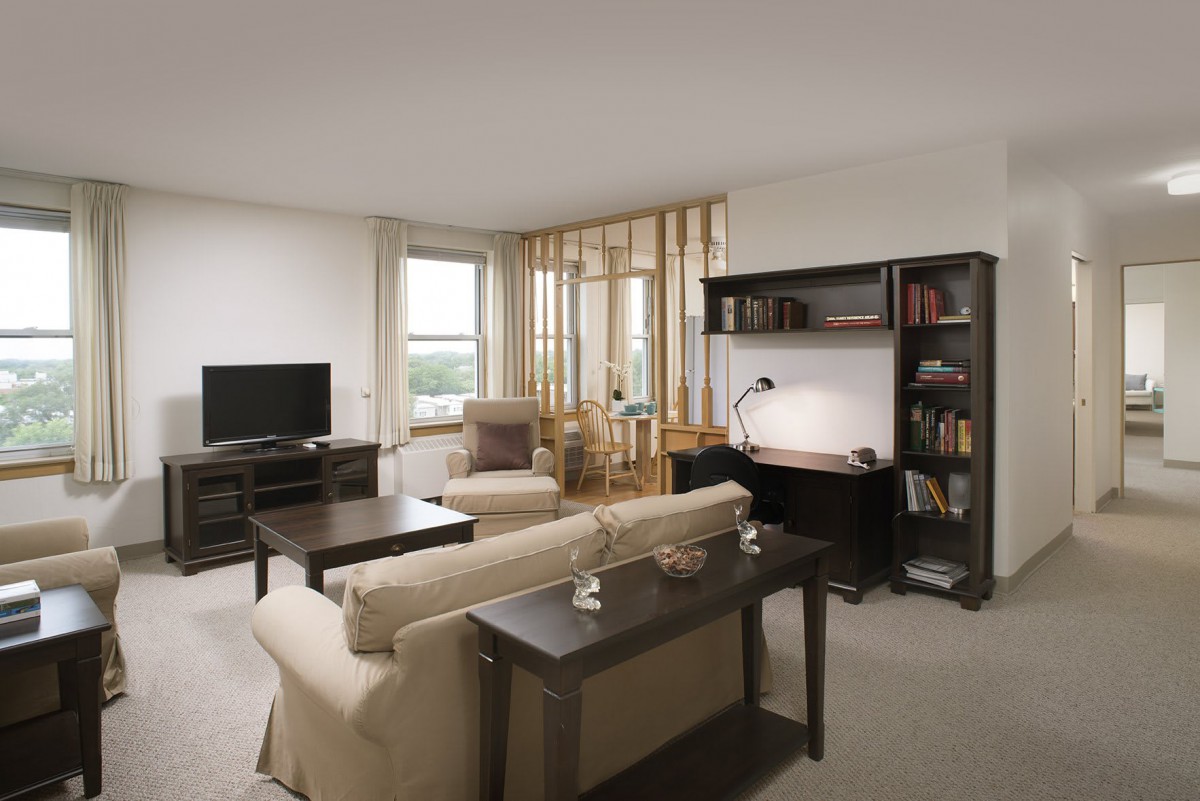
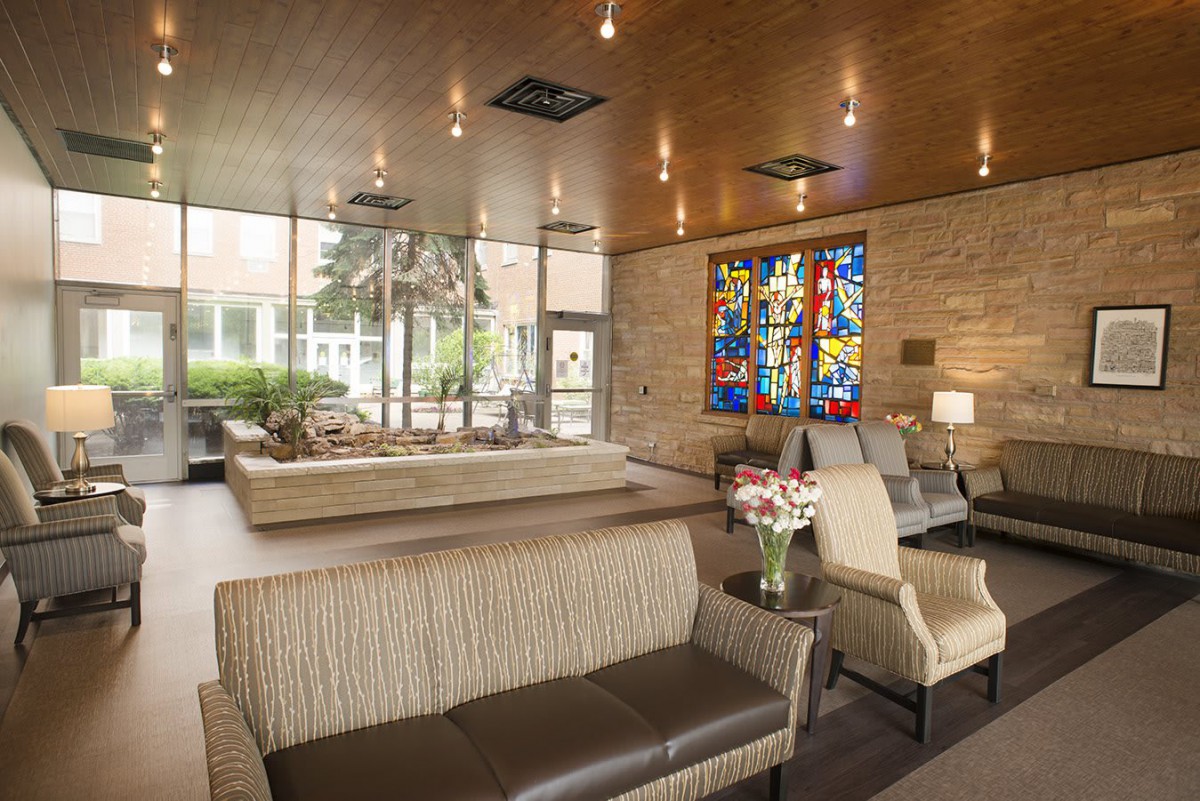
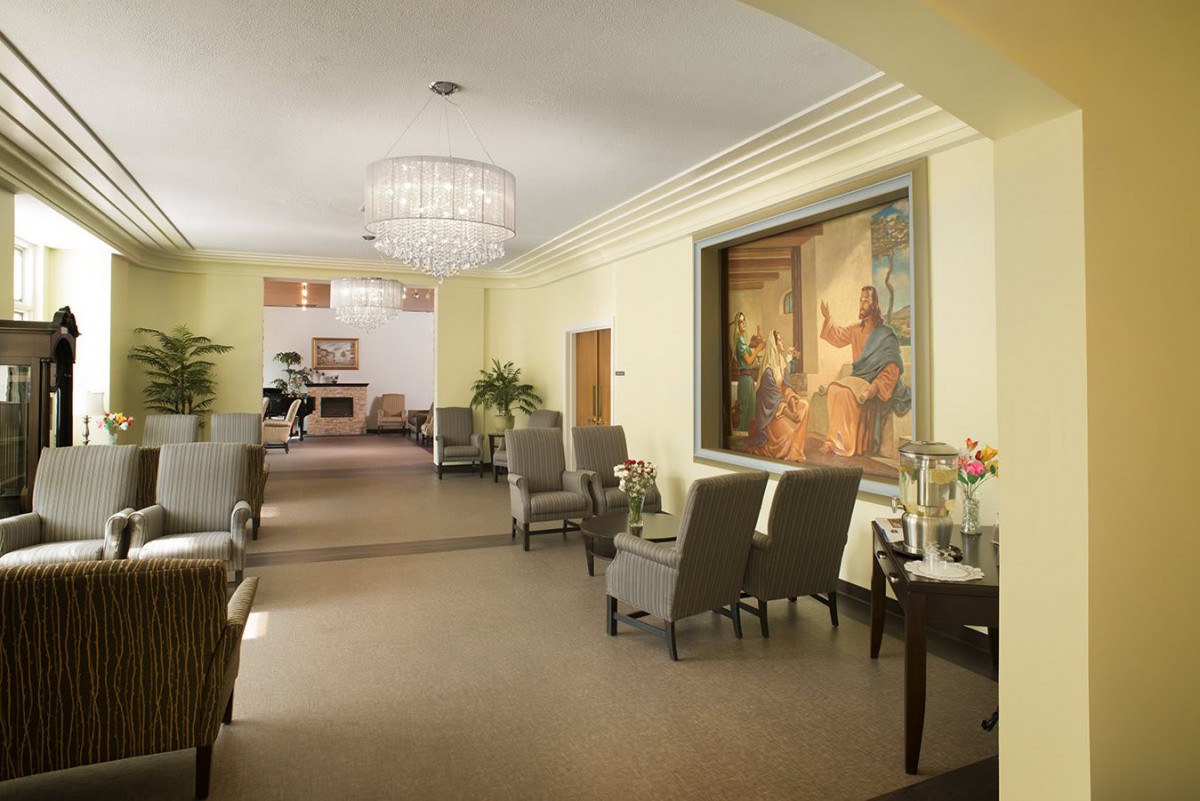
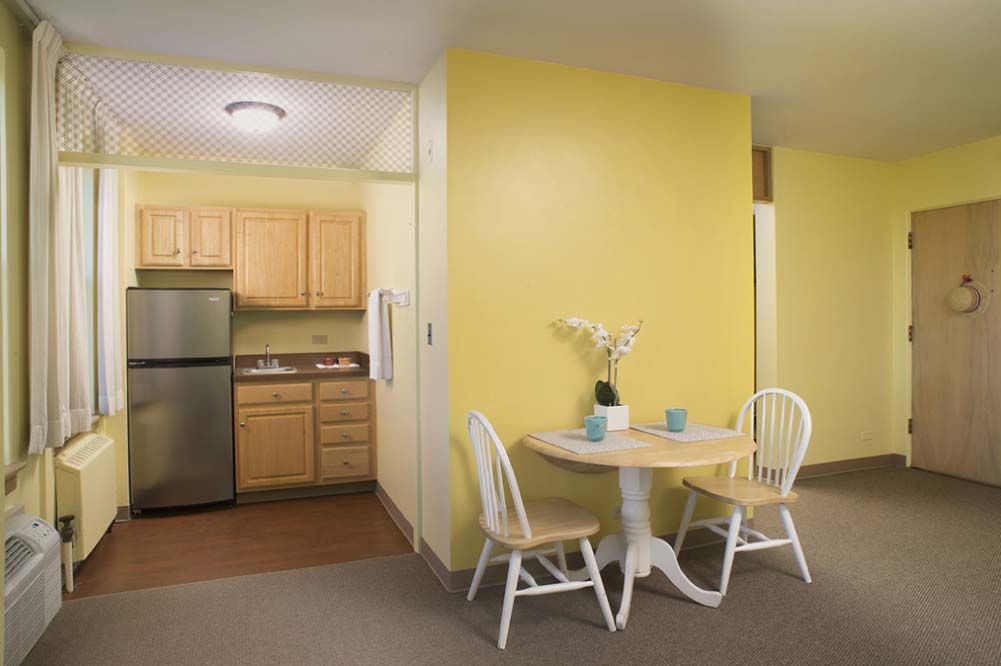
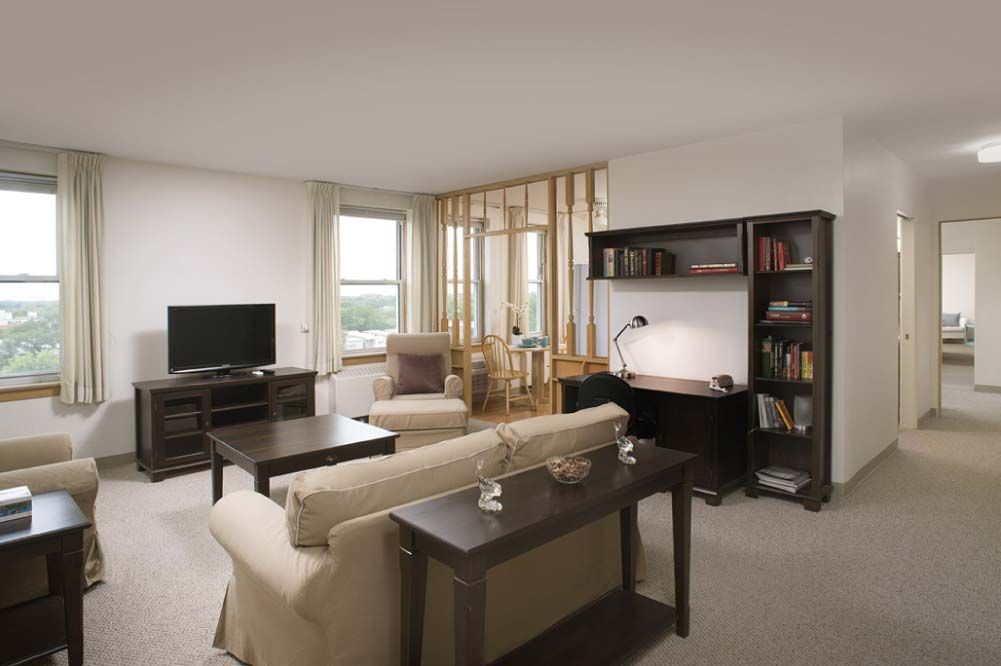
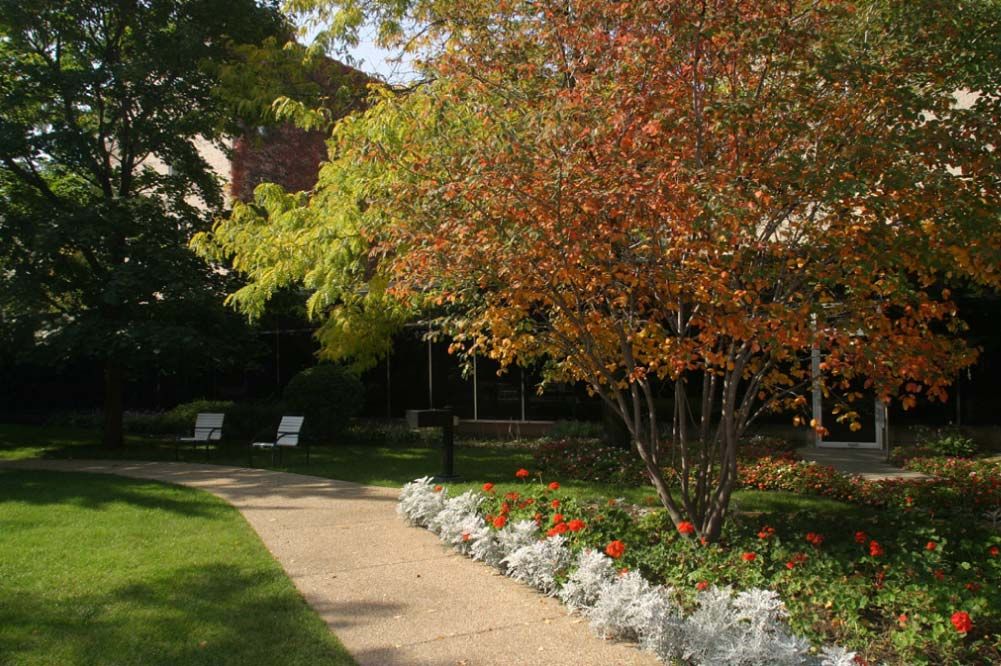
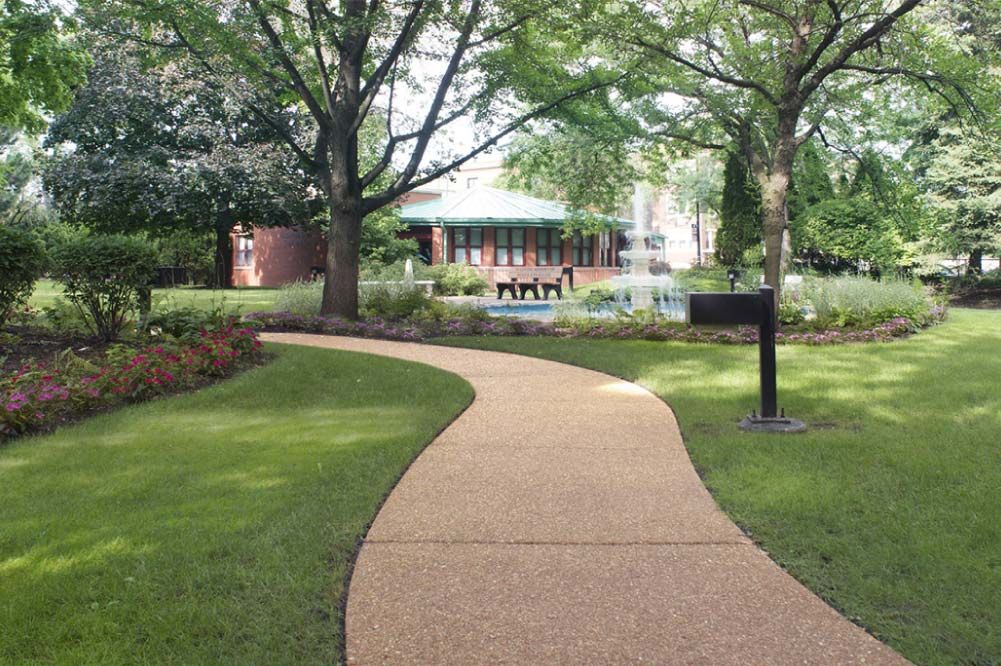
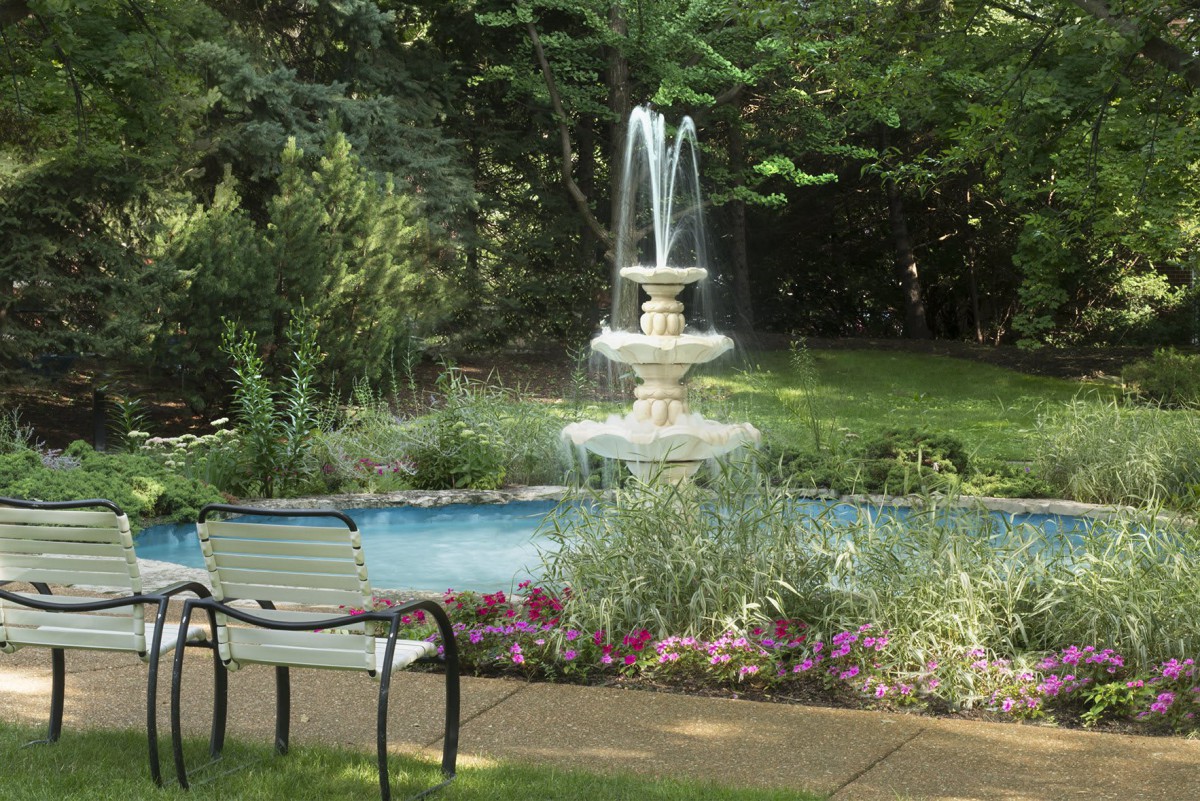
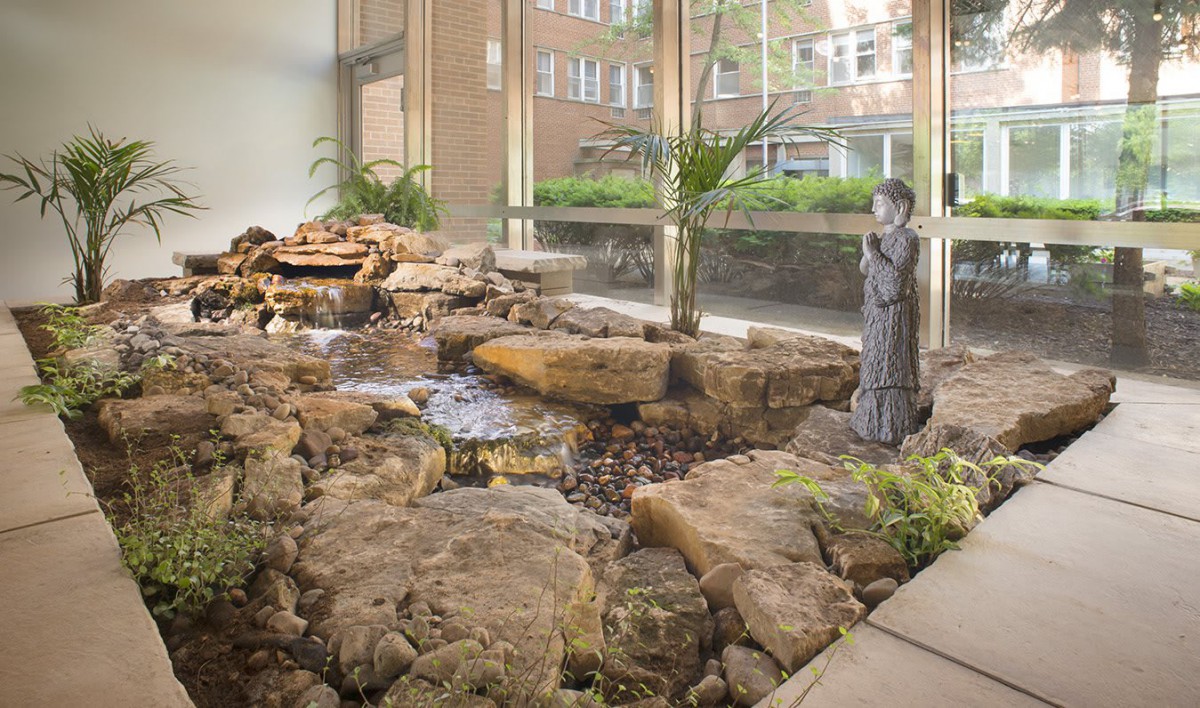
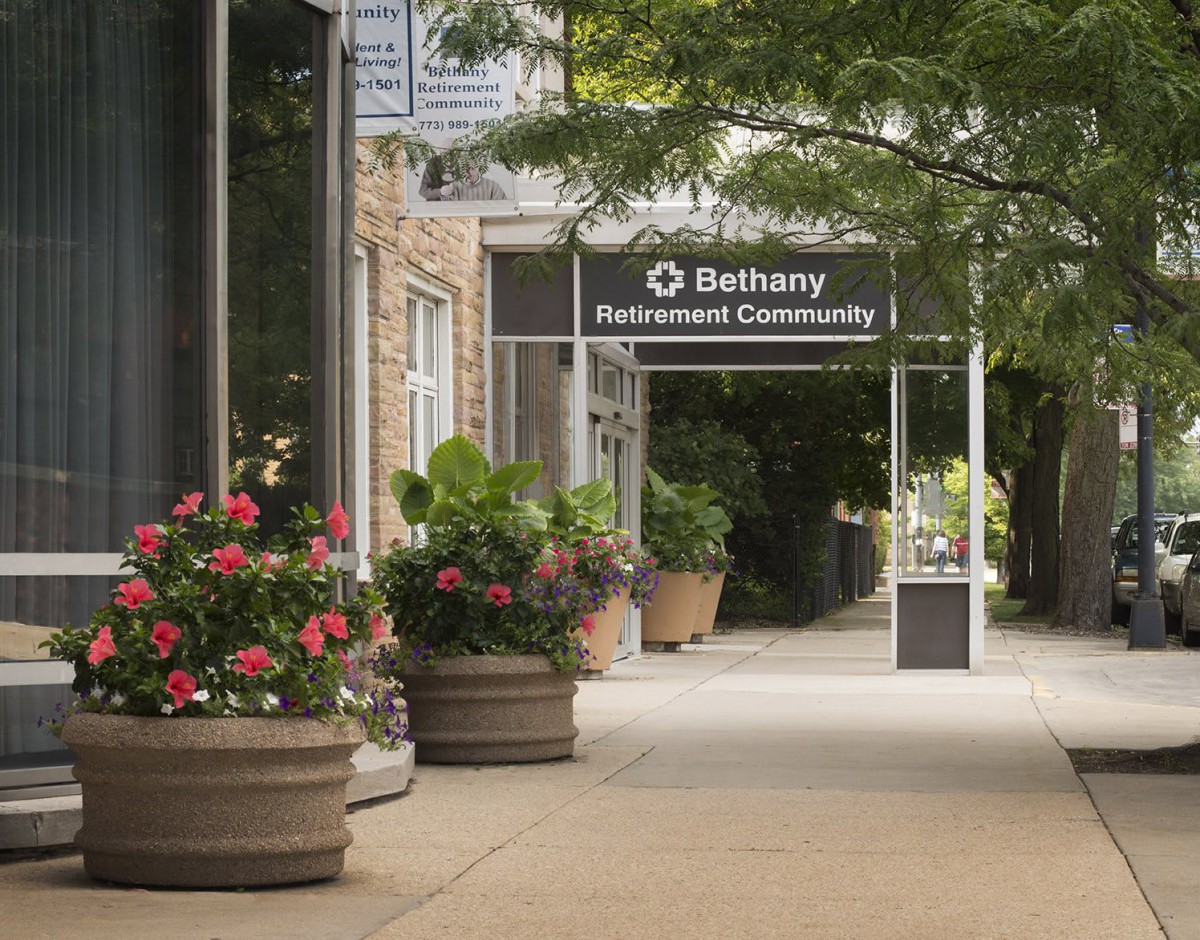
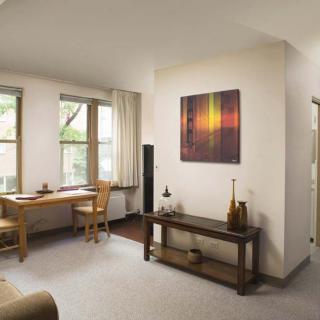
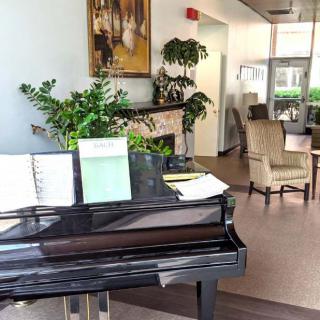
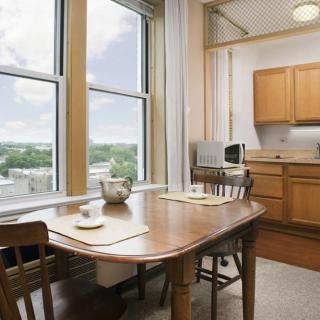
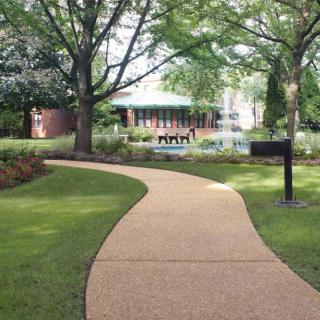
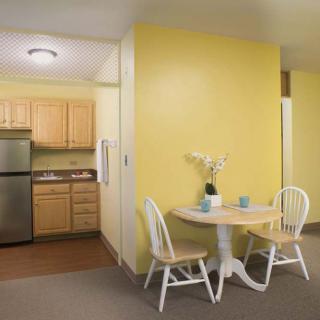
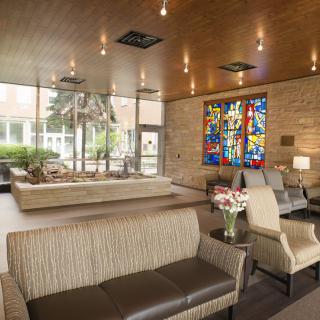
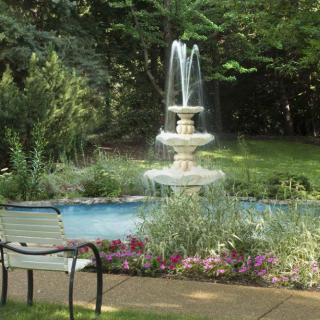
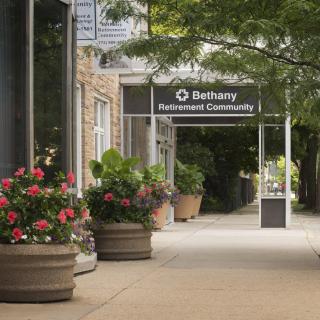
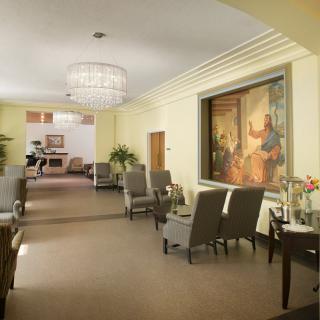
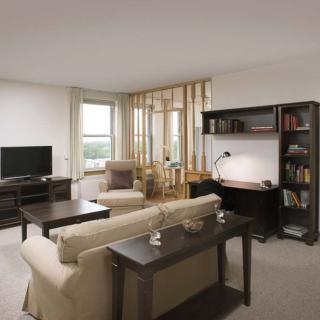
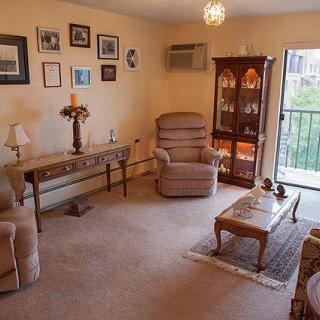
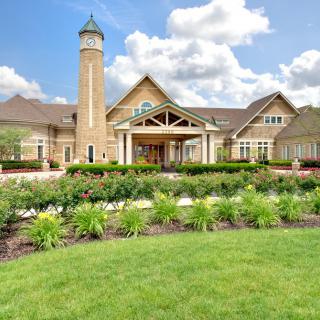
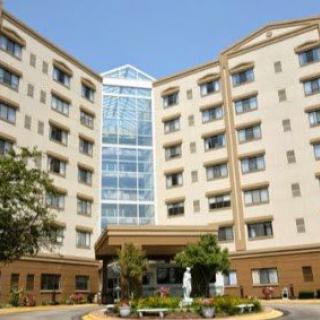
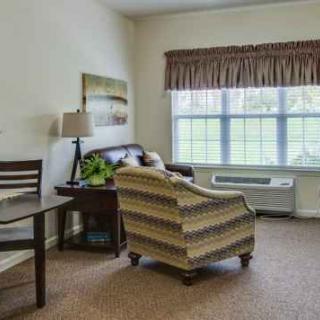
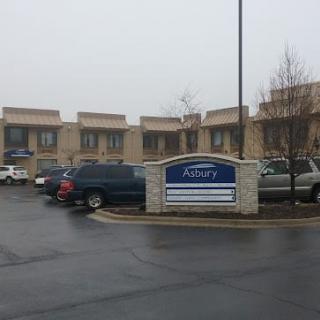
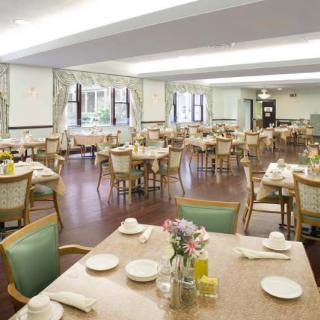
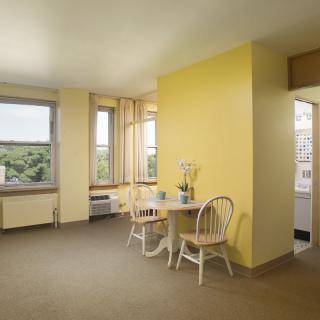
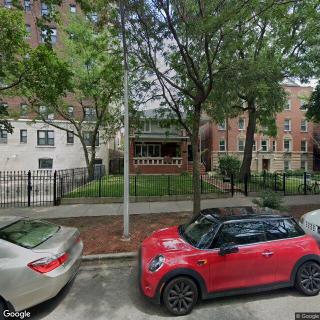
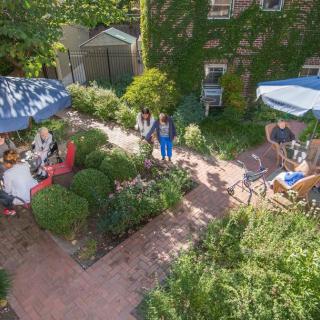
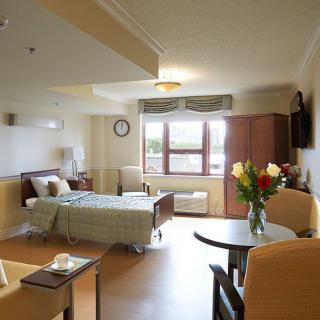
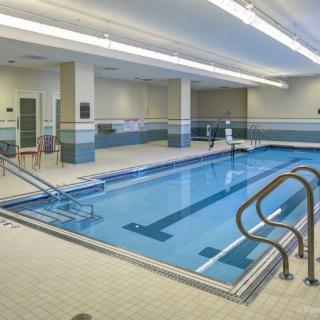
Bethany Retirement Community on seniors.fyi includes 21 photos including images showing interior, dining, trees, landscaping, windows, garden, living room, outdoors, and more.
Nearby Communities
Ravenswood Supportive Living
Chicago, IL
4 from 46 reviews
$4,500 / month
Brand-new facility with modern amenities and an intimate size.
Wesley Place
Chicago, IL
3.8 from 58 reviews
Wesley Place Rehabilitation
Chicago, IL
3.9 from 81 reviews
$4,710 / month
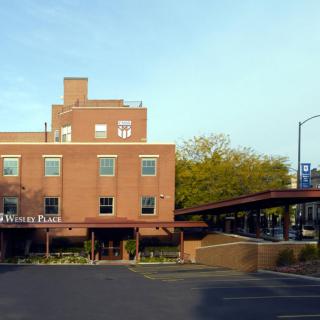
Responsive staff and a clean, welcoming environment.
Birthways Inc
Chicago, IL
4.7 from 35 reviews
Dedicated onsite staff and an engaged manager create a warm, professional care environment.
Beacon Health Center
Chicago, IL
3.4 from 52 reviews
$4,500 / month
Affordable pricing with comprehensive amenities and care.
VA nursing homes, or Community Living Centers (CLCs), offer tailored long-term care for veterans, featuring medical attention and rehabilitation in a supportive environment. The guide covers facility types, eligibility criteria, financial assistance options, quality of care standards, and alternatives to full-time nursing home placement.
At-home dementia care expenses vary widely based on care levels, location, and caregiver expertise, with monthly costs for home health aides exceeding $4,500 and specialized care potentially surpassing $100,000 annually. While families favor in-home care for its comfort and personalized attention, they must consider financial planning and the challenges of caregiver fatigue.
The article discusses the late stages of dementia, detailing the progression from mild to severe impairment and highlighting key characteristics such as profound cognitive decline and dependency in daily activities. It emphasizes care strategies focused on comfort and dignity, the importance of advance directives, and the emotional support needed for family caregivers facing this challenging journey.
Get PricingAsk A QuestionSchedule A TourContact Senior Advisor
By clicking submit, you agree to our Partner's Terms of Use. You
also consent to receive calls and texts, which may be autodialed, from our Partner. Your consent is not a condition to
using our Partner's service. Please visit our Partner's Privacy Policy for information about their privacy practices.





 150 resident community capacity
 1-bedroom apartments
 Assisted Living
 Independent Living
 Memory Care
 Skilled Nursing Facility
 Activities off-site
 Air-conditioning
 Bath tubs
 Beautician on-site
 Cable or satellite TV
 Cafe
Cafe Computer center
 Devotional services off-site
 Dining room
 Fitness room
 Fully furnished
 Gaming room
 Garden
 Handicap accessible
 Housekeeping services
 Indoor common areas
 Kitchenette
 Laundry
 Move-in coordination
 Outdoor common areas
 Private bathrooms
 Respite or short term stays offered
 Restaurant-style dining
 Small library
 Telephone
 Wellness center
 Wheelchair accessible showers
 Wi-Fi/high-speed internet available
 Chicago O'Hare International (12 miles away)
 Community operated transportation
 24-hour call system
 Ambulatory care
 Assistance with bathing
 Assistance with dressing
 Assistance with transfers
 Diabetes diet
 Diabetic care
 Incontinence care
 Medication management
 Special dietary restrictions
 Art classes
 Catholic services
 Concierge services
 Day trips and outings
 Educational speakers / life long learning
 Games
Games Happy hour
 Karaoke
 Live musical performances
 English
 Brand-new facility with modern amenities and an intimate size.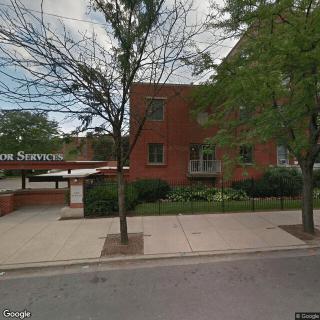
 Comprehensive Guide to VA Nursing Homes: A Crucial Long-Term Care Resource for Veterans
 Estimating the Expenses of At-Home Dementia Care: A Detailed Exploration
 Comprehensive Insights on the Late Stages of Dementia: What to Expect and How to Provide Care