For more information about senior living options: (866) 208-4318
3 from 38 reviews
5 stars
9
4 stars
6
3 stars
11
2 stars
0
1 stars
12
Cougill Senior Apartments Costs & Pricing
At Cougill Senior Apartments, the monthly cost for a one-bedroom unit is competitively priced at $600, which stands in stark contrast to the average rates observed in Coles County and across Illinois. In Coles County, the typical cost for similar accommodations reaches approximately $3,453, while the state average climbs even higher to around $3,527. This significant difference highlights Cougill Senior Apartments as an attractive option for seniors seeking affordable living arrangements without compromising on quality or community. With such favorable pricing relative to local and state averages, residents can enjoy a comfortable lifestyle while maintaining their financial independence.
Floor plans
Cougill Senior Apartments
Coles County
Illinois
1 Bedroom
$600
$3,453
$3,527
Senior living communities with a similar price nearby
About the same
Mattoon Tower
4 from 2 reviews
$600 / month
15.8 miles away
Overall Review of Cougill Senior Apartments
differentiator3 reviews mention this
Rent feels more affordable
Rent is described as affordable for older residents on fixed income.
Several residents describe the rent as affordable, including one review that says rent is based on income for people on a fixed budget. One review also mentions a rent increase of about $200 per month and rising electric costs. Another resident disputes that rent is based on income, saying it is not set that way.
caveat4 reviews mention this
Security and rules are questioned
Residents describe weak enforcement of building access rules.
Some reviews say the building is not truly secure after hours, with guests able to enter without following the expected sign-in and resident accompaniment steps. Residents also describe problems with entry doors and security features, including cameras being described as not effective. Multiple reviews mention drug activity and frequent police presence, and at least one describes lease or safety-related rules not being enforced consistently.
caveat11 reviews mention this
Cleanliness and upkeep concerns
Reviews frequently mention dirty common areas and an aging building.
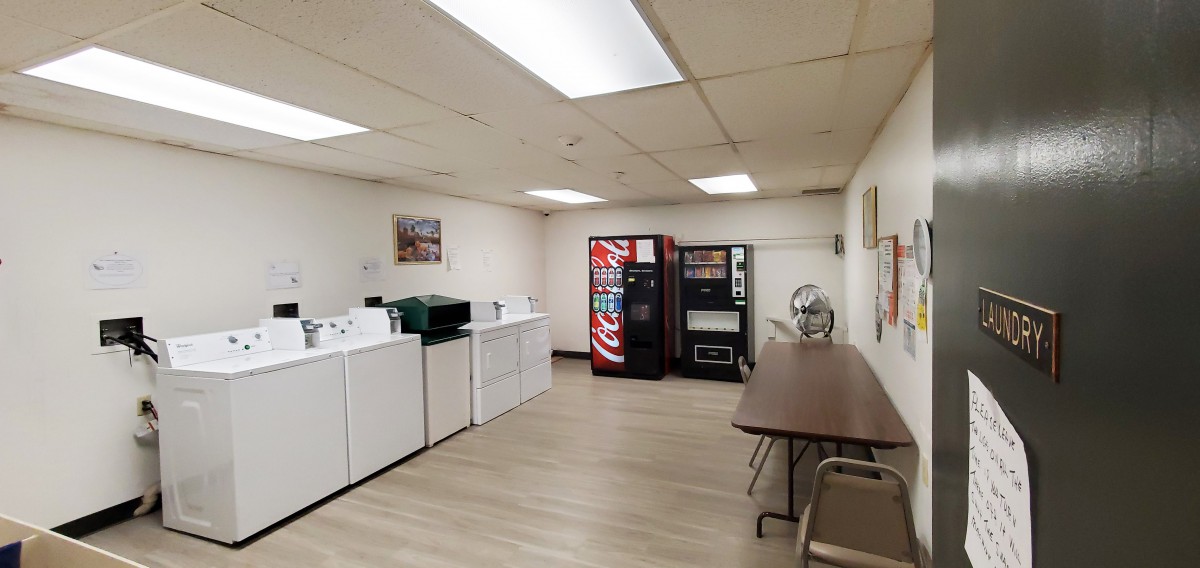
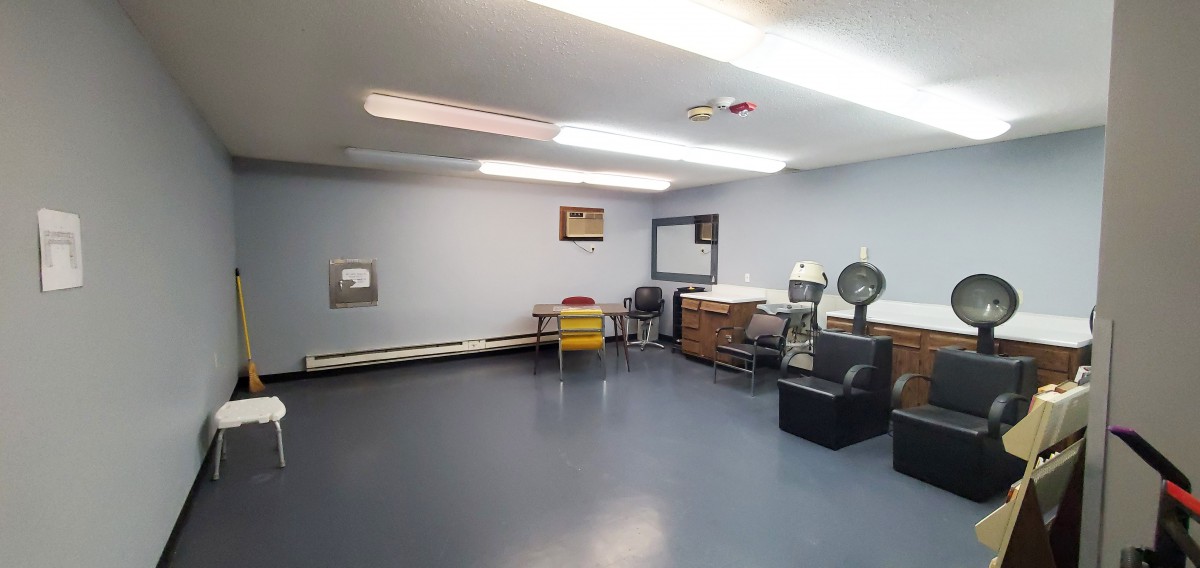
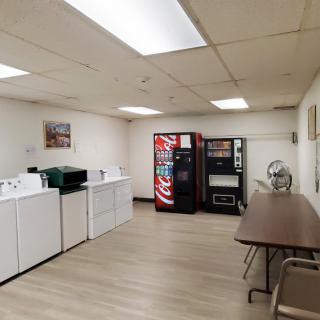
Many residents describe the property as needing major updates, and several mention that hallways and common areas are unclean. Multiple reviews point to strong or unpleasant odors, trash or debris, and ongoing maintenance issues. Some also mention pests and ongoing problems like smoke issues, and one review says laundry facilities were not functioning reliably.
caveat6 reviews mention this
Management actions draw criticism
Several residents report management feels disorganized or unprofessional.
A number of reviews criticize management for being rude or combative and for handling paperwork or tenant communications poorly. Others describe enforcement as limited to rent and utilities, with broader concerns going unresolved. One review also links the situation to the management company taking over and says the property is run poorly, while another criticizes consequences for tenant behavior and background checks.
common4 reviews mention this
Staff and resident support stand out
Residents describe the office and staff as helpful and welcoming.
While some reviews are highly critical of management, others say the office personnel are fantastic and responsive when residents need something. One resident also describes the day-to-day environment as friendly, and another praises the ladies working there as top notch. Several residents also describe positive social connection among residents, including regular activities like Bingo.
How we summarize
Counts show how many written reviews mention each theme; a review can touch several themes, and only frequently mentioned themes are displayed.
Features
Types of Care
Active Adult Communities (55+)
Pets
Cats allowed
Dogs allowed
Amenities
Air-conditioning
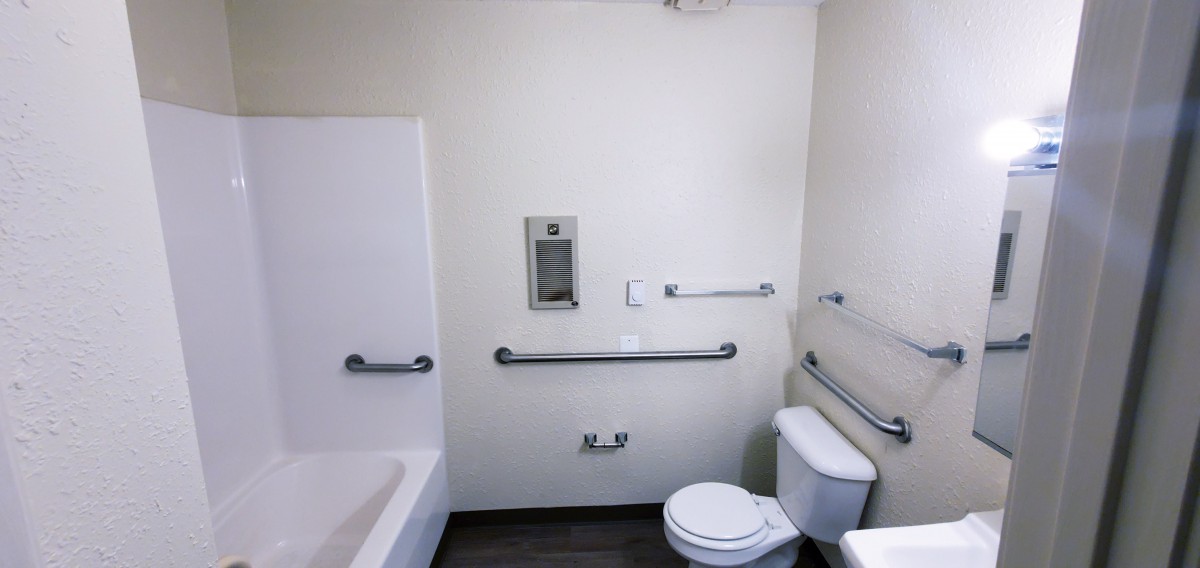
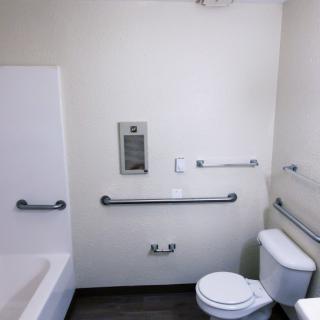
Bath tubs
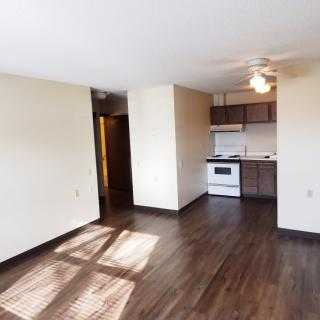
Full kitchen
Ground floor units
Handicap accessible
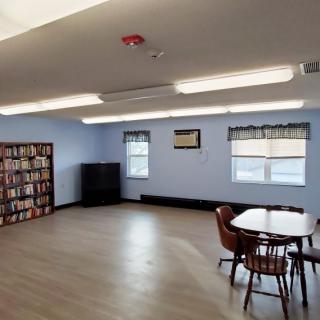
Indoor common areas
Outdoor common areas
Nearby Places of Interest
This part of Charleston, Illinois offers a peaceful and welcoming atmosphere for senior living. With various places of worship nearby such as Oak Grove Baptist Church and Enon Baptist Church, residents have opportunities for spiritual fulfillment. The availability of restaurants like Steve & Shirley's and transportation services from U-Haul Neighborhood Dealer and Budget Truck Rental make daily errands convenient. Parks like Baker Field and Morton Park provide outdoor recreational activities, while cafes including Jackson Avenue Coffee offer social settings for relaxation. Access to pharmacies such as Walmart Pharmacy and healthcare providers like Charleston Family Practice ensures easy access to medical services. Additionally, the presence of reputable hospitals like Sarah Bush Lincoln Health Center and Carle Foundation Hospital ensures quality healthcare facilities in close proximity. Overall, this area in Charleston, Illinois provides a balanced blend of amenities suitable for senior living.
Places of Worship
Oak Grove Baptist Church (3 miles)
Oakland Christian Church (5.3 miles)
Enon Baptist Church (7.7 miles)
Church of Christ (7.8 miles)
Southern Baptist Convention (8.1 miles)
New Life Apostolic Church (8.3 miles)
Charleston Community Church (8.5 miles)
Restaurants
Steve & Shirley's (5.3 miles)
The Place (6.5 miles)
Fili's Station (8.5 miles)
KFC (8.6 miles)
Monical Pizza Restaurant (8.6 miles)
Alexander Briggs (8.6 miles)
Dq Grill & Chill (8.6 miles)
Transportation
Eastern Illinois Railroad (8.1 miles)
U-Haul Neighborhood Dealer (8.5 miles)
Budget Truck Rental (9.5 miles)
Cummins Taxidermy (9.9 miles)
U-Haul Neighborhood Dealer (11.9 miles)
Coles County Memorial Airport (MTO) (12.8 miles)
Parks
Baker Field (8.1 miles)
Morton Park (9.2 miles)
Woodyard Conservation Area (10.2 miles)
Douglas-Hart Nature Center (13.6 miles)
Fox Ridge State Park (14 miles)
Ridge Lake (14.1 miles)
Memorial Park (14.7 miles)
Cafes
Jackson Avenue Coffee (8.5 miles)
Starbucks (9.4 miles)
Starbucks (14.9 miles)
Pharmacies
Walmart Pharmacy (8.8 miles)
Walgreens (9.4 miles)
CVS Pharmacy (9.4 miles)
Imminent Fitness & Nutrition (9.6 miles)
Browne's Pharmacy (12.3 miles)
Prairie Medical Pharmacy (12.3 miles)
Physicians
Martinez, Jaime Dr-SBL Charleston Clinic East (8.9 miles)
At Cougill Senior Apartments, the monthly cost for a one-bedroom unit is competitively priced at $600, which stands in stark contrast to the average rates observed in Coles County and across Illinois. In Coles County, the typical cost for similar accommodations reaches approximately $3,453, while the state average climbs even higher to around $3,527. This significant difference highlights Cougill Senior Apartments as an attractive option for seniors seeking affordable living arrangements without compromising on quality or community. With such favorable pricing relative to local and state averages, residents can enjoy a comfortable lifestyle while maintaining their financial independence.
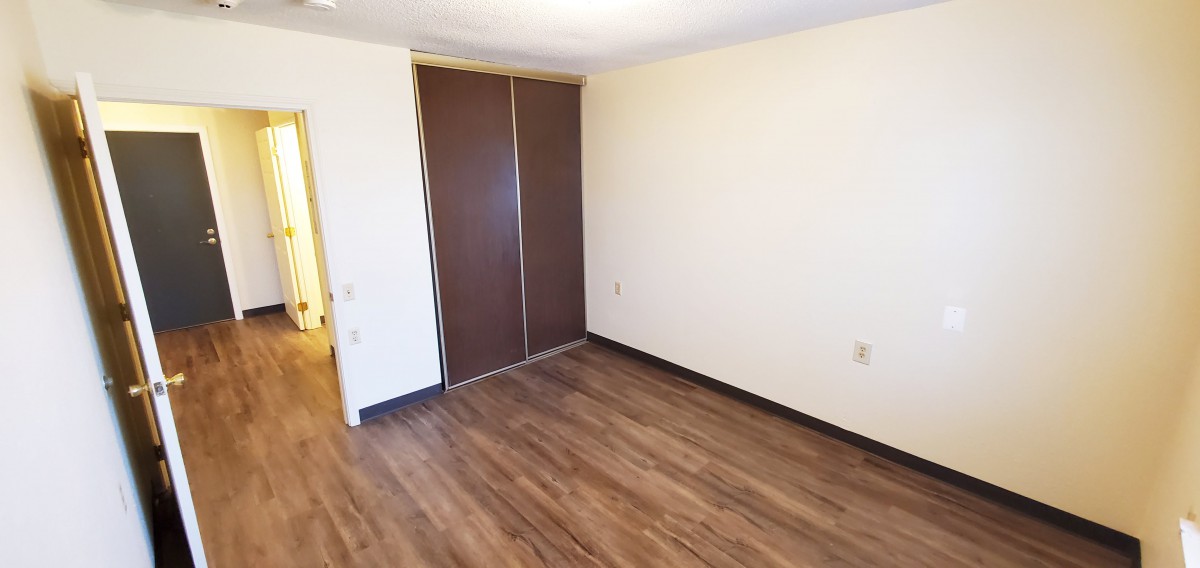
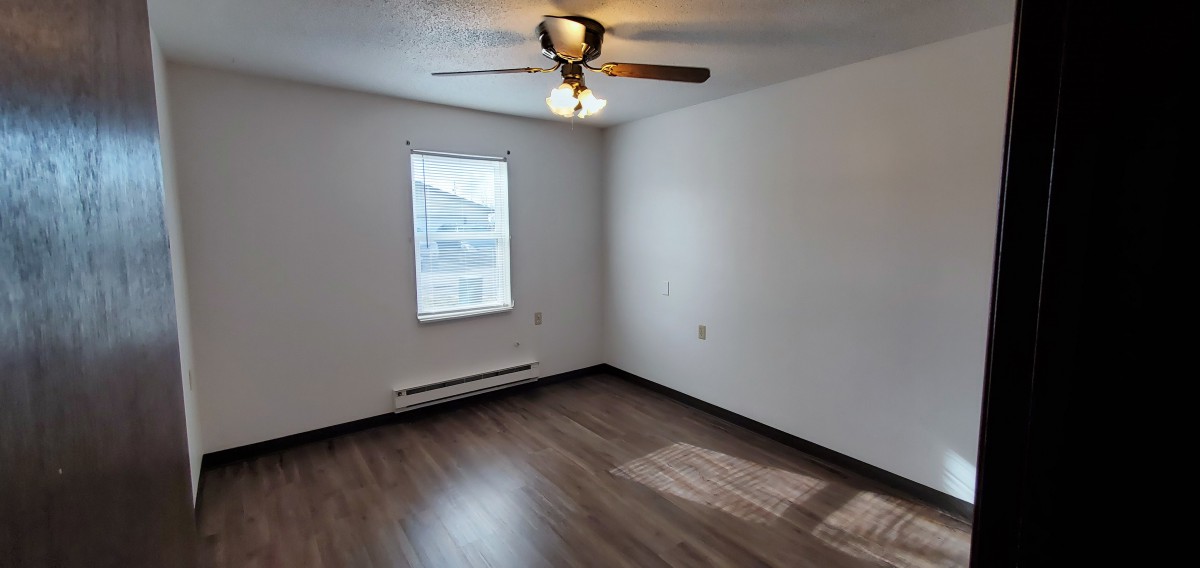
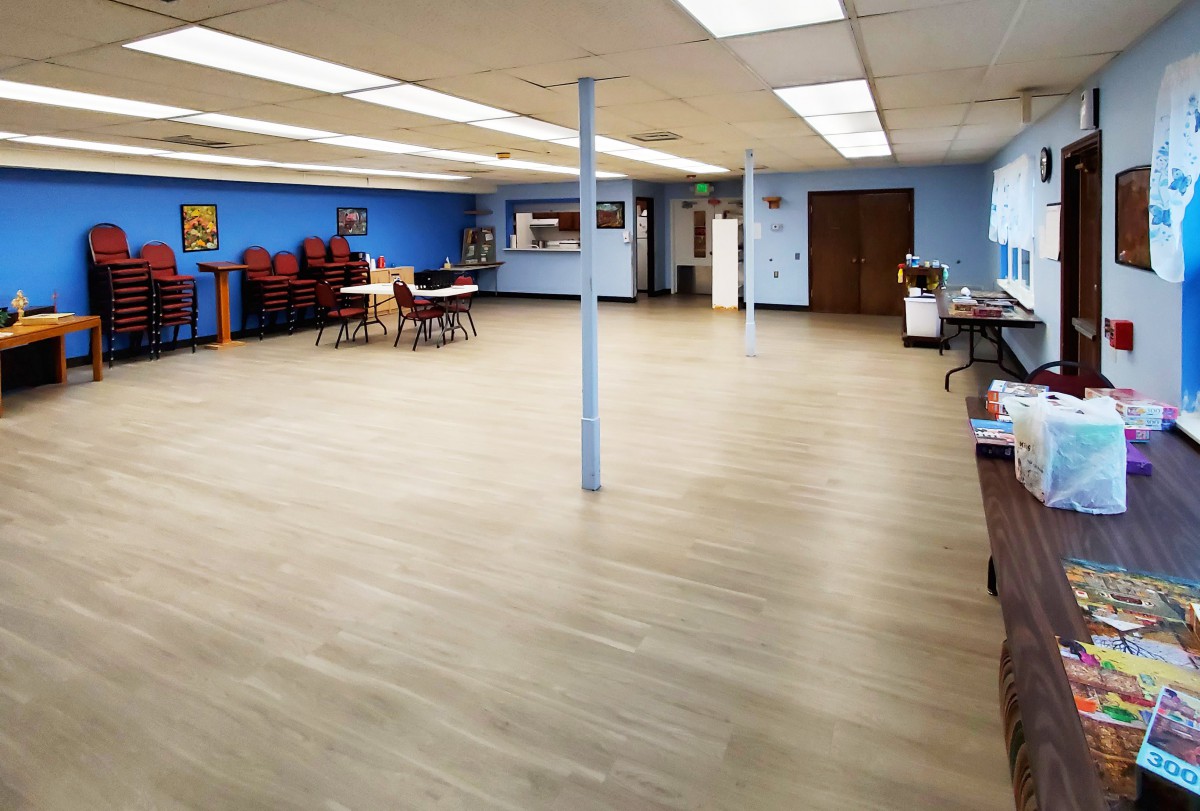
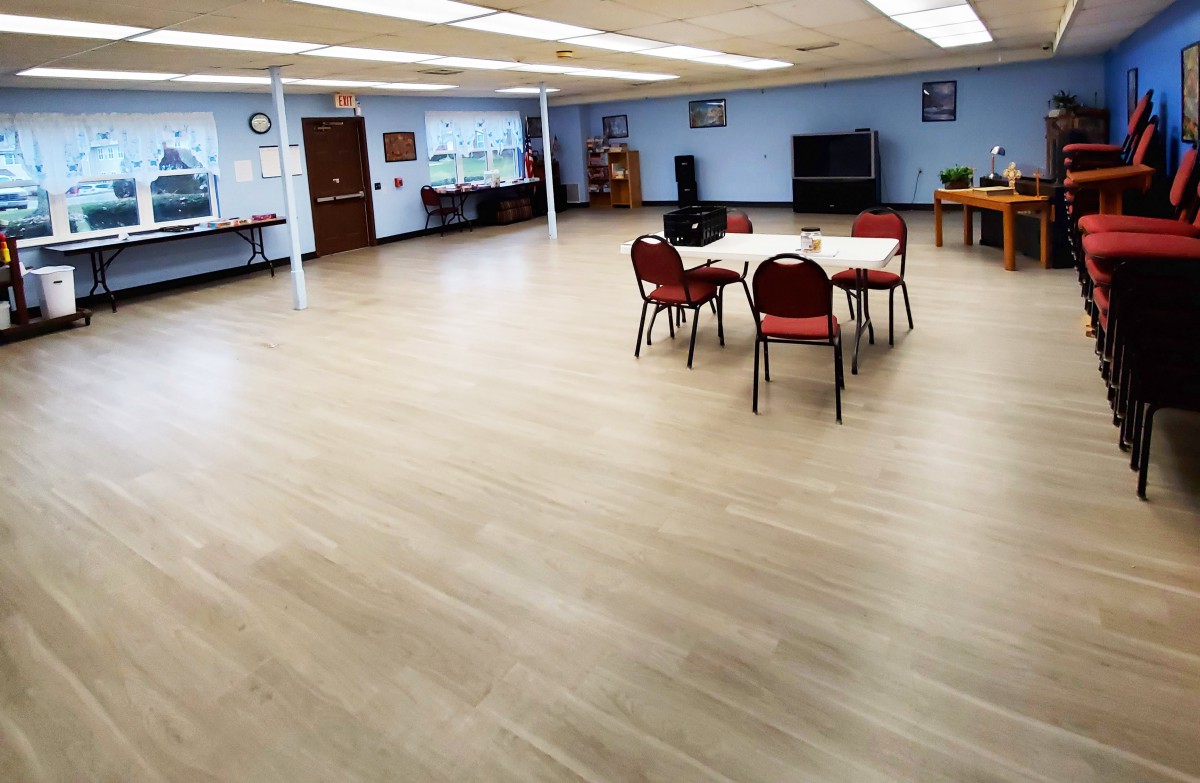
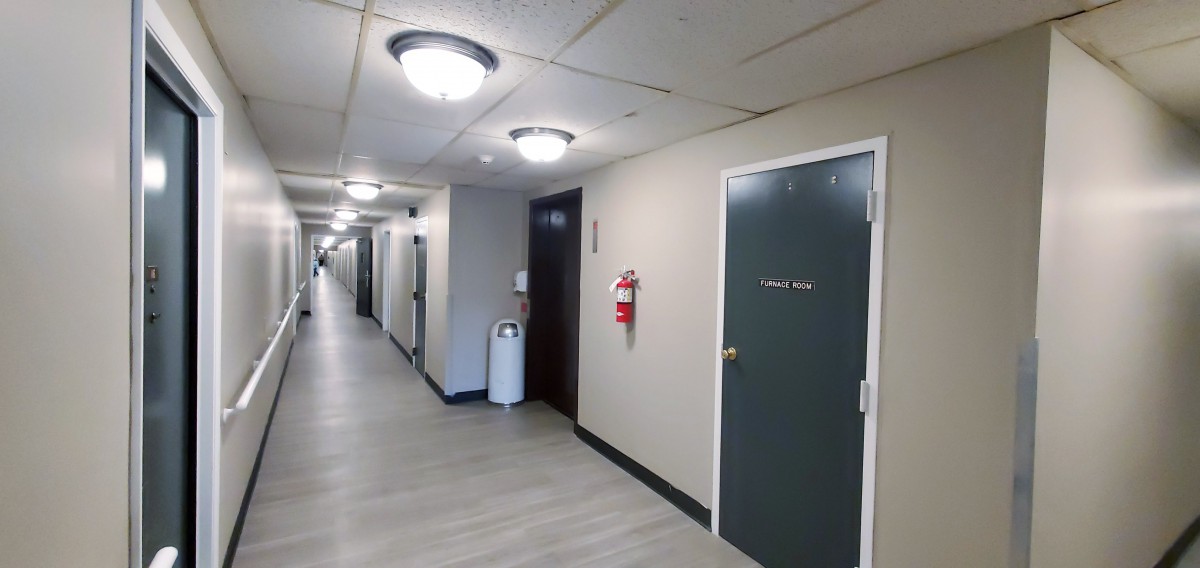
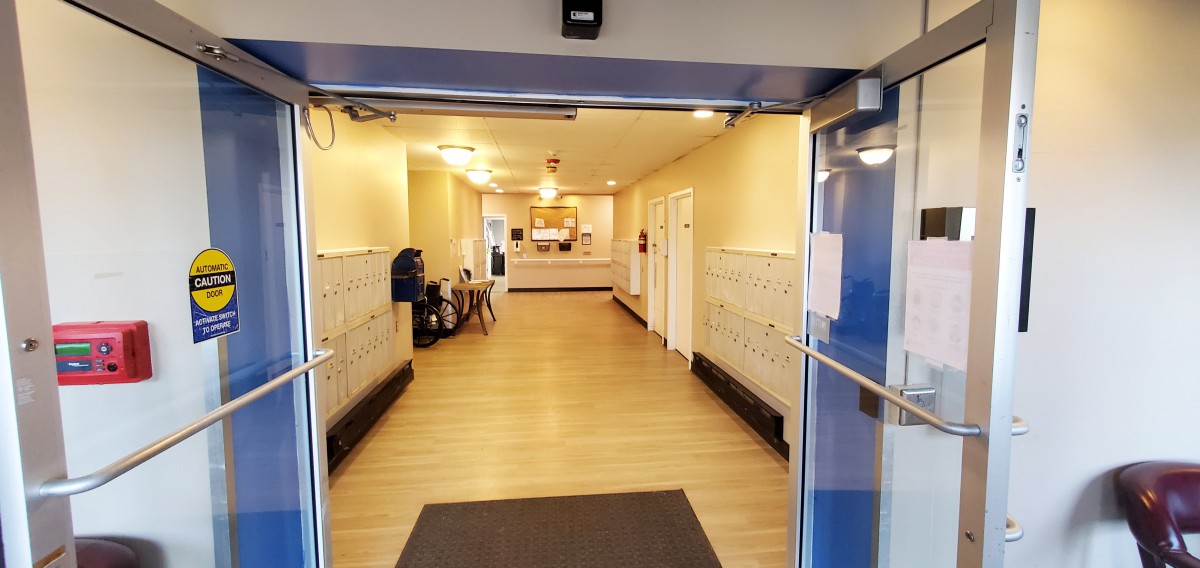
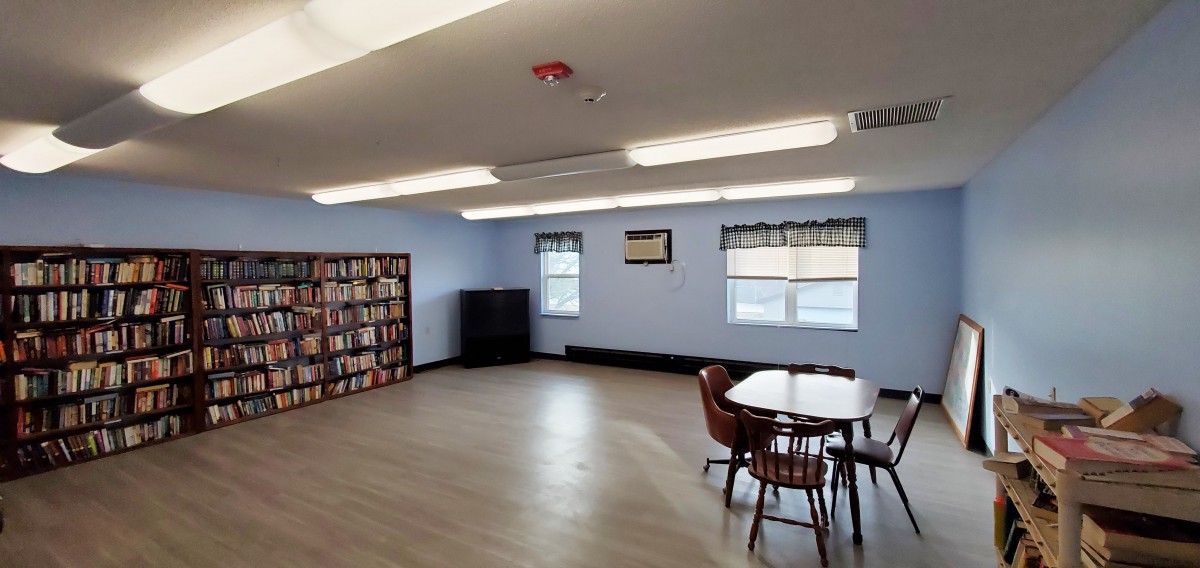
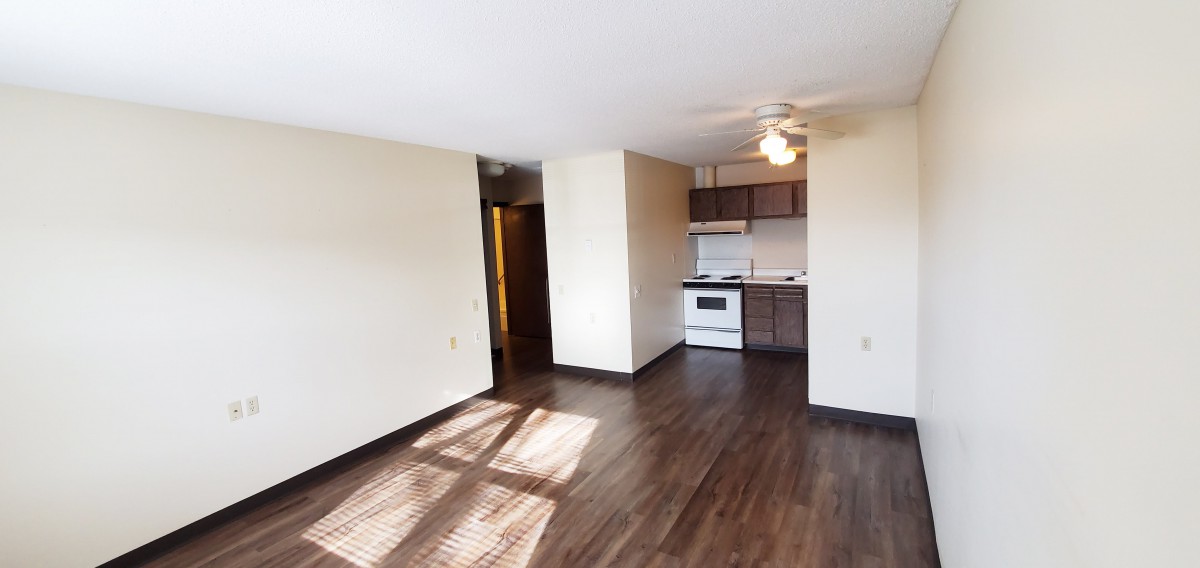
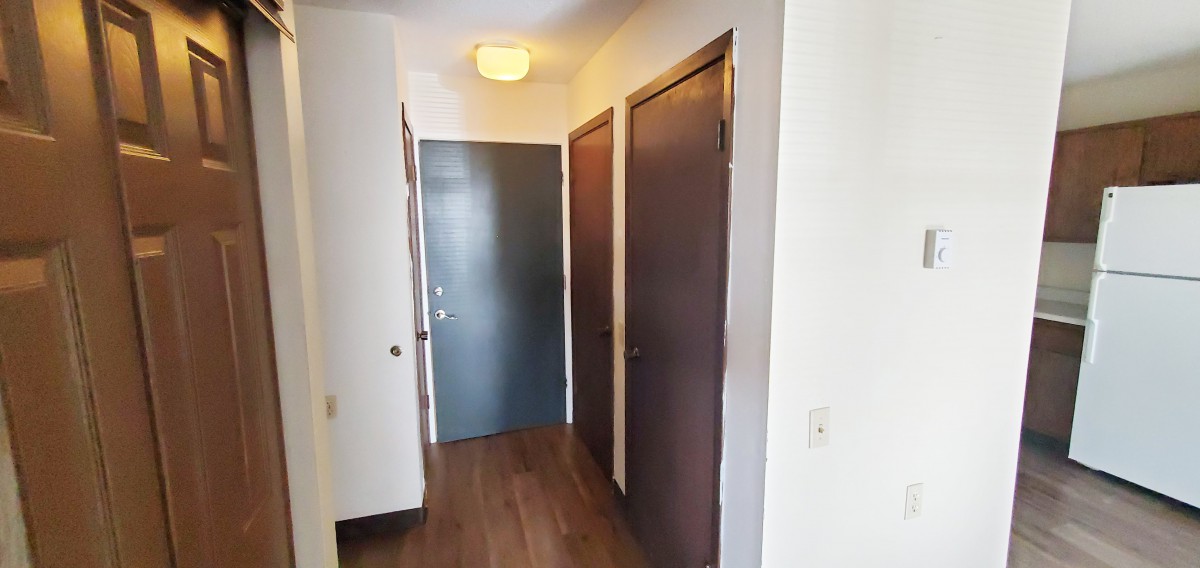
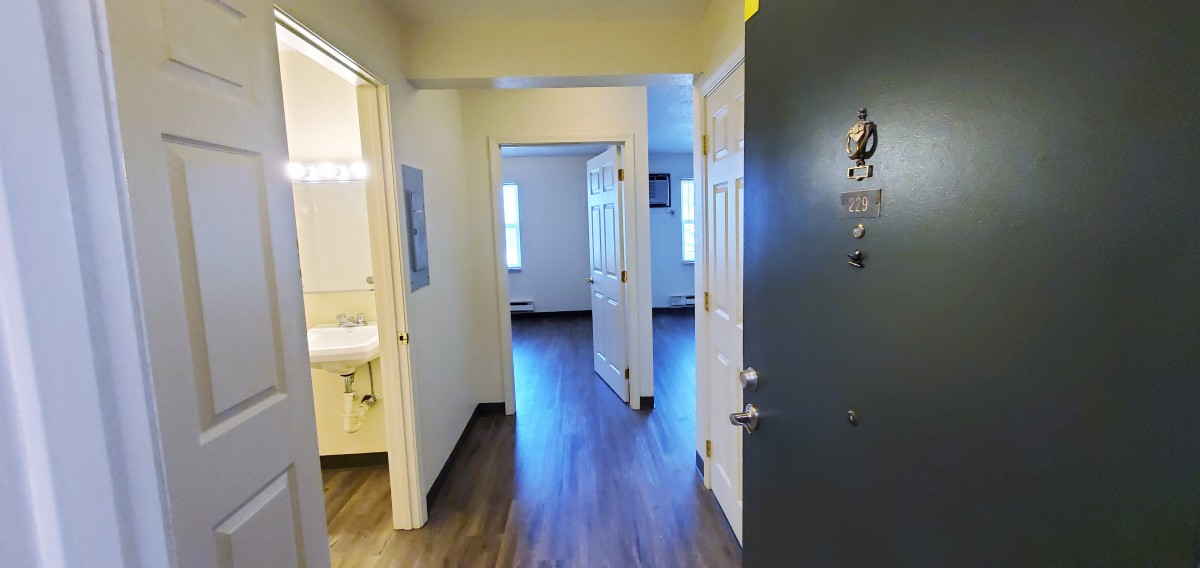
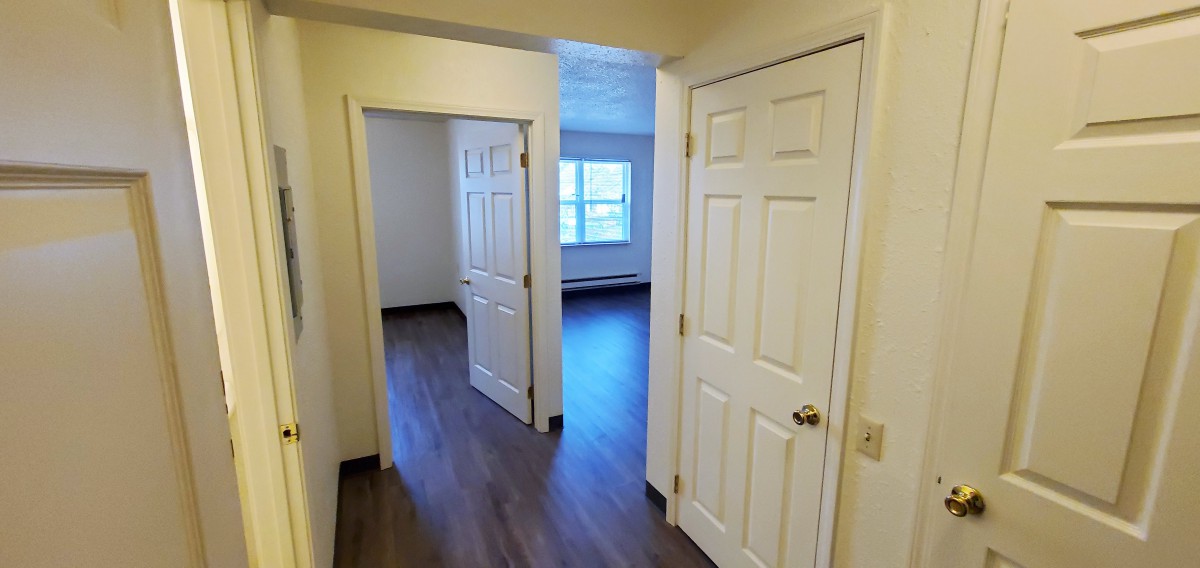
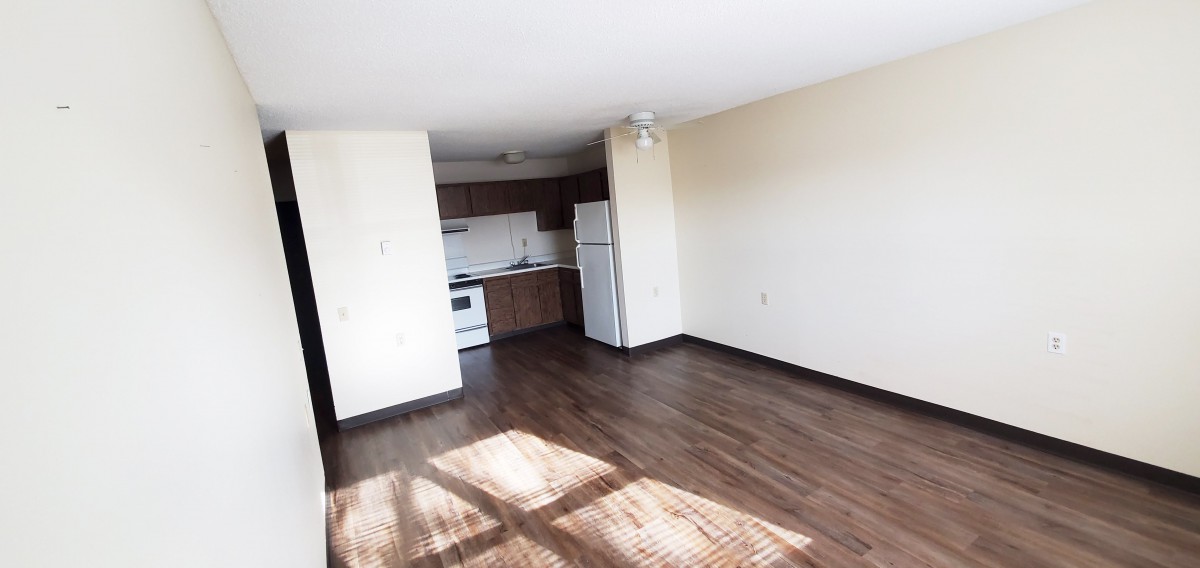
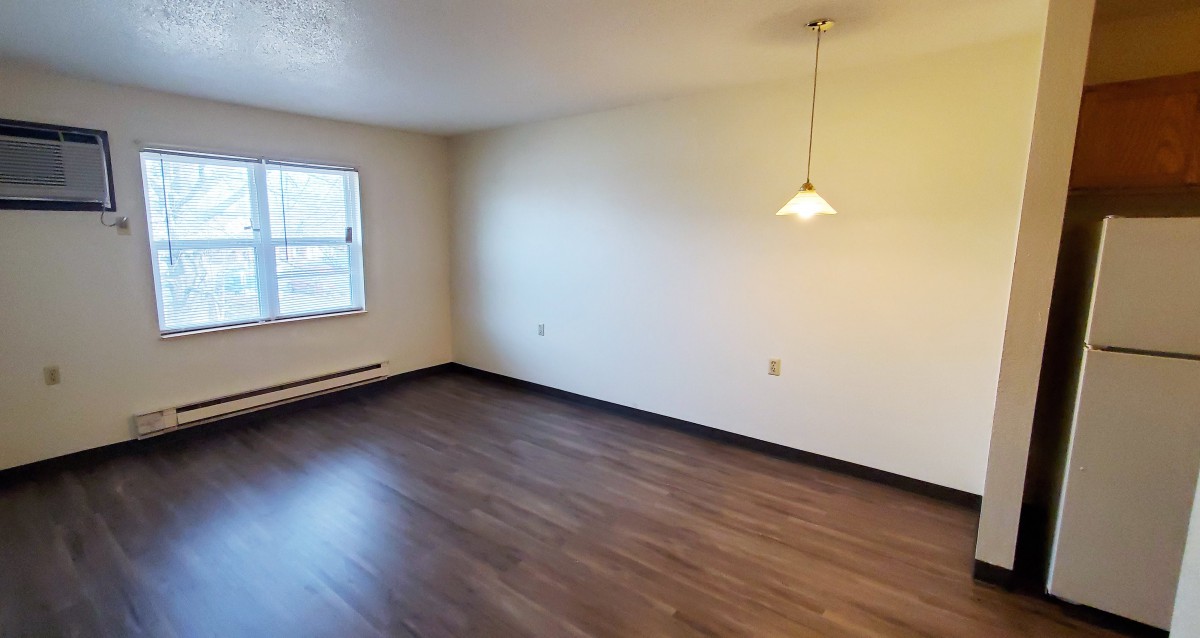
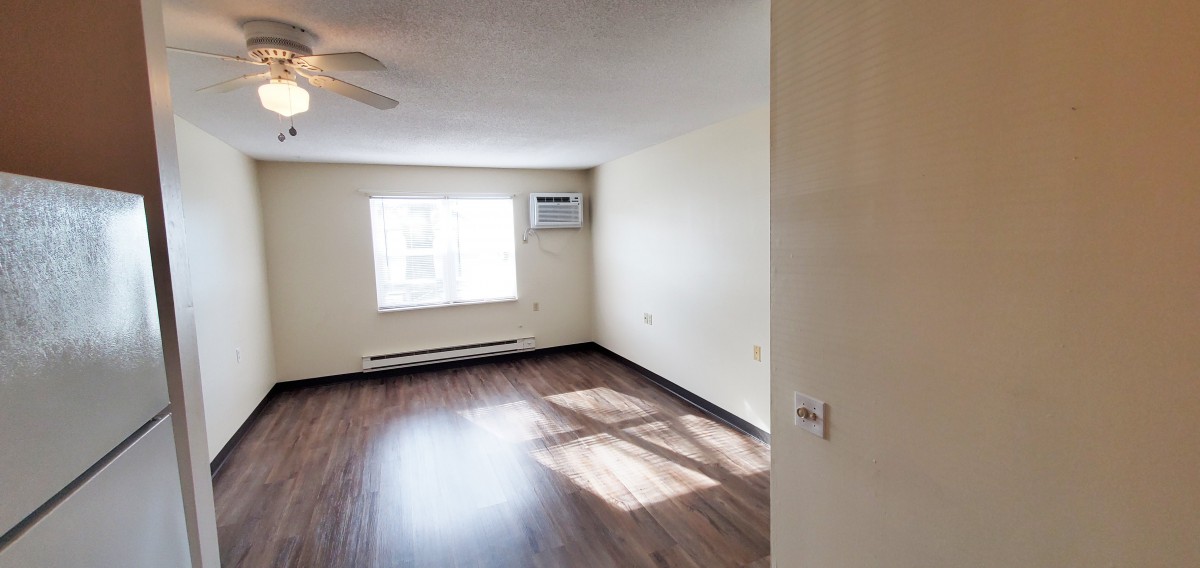
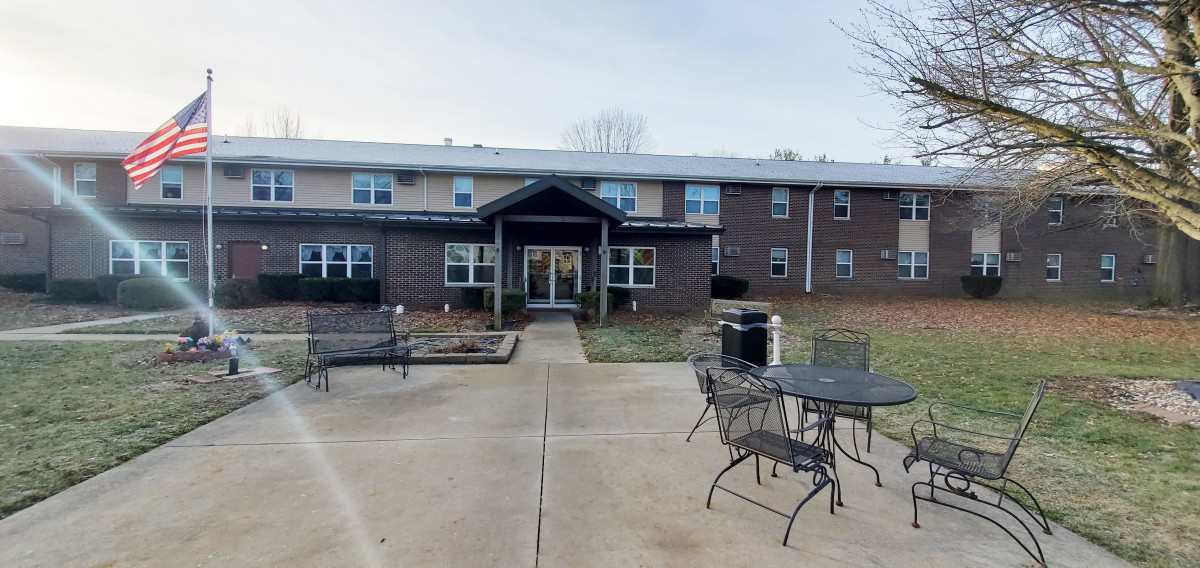
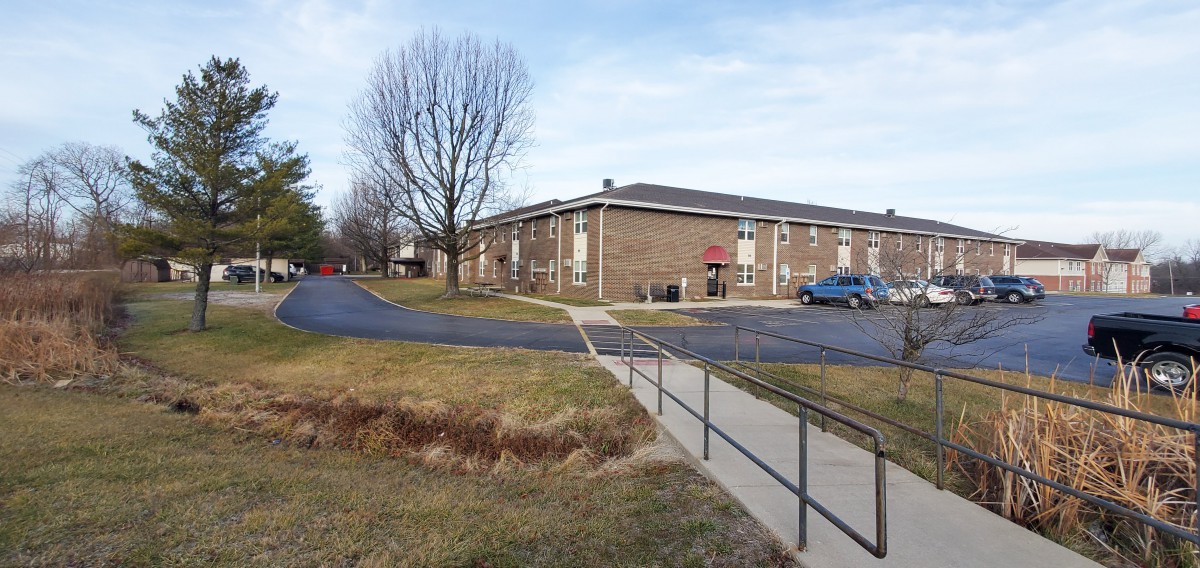
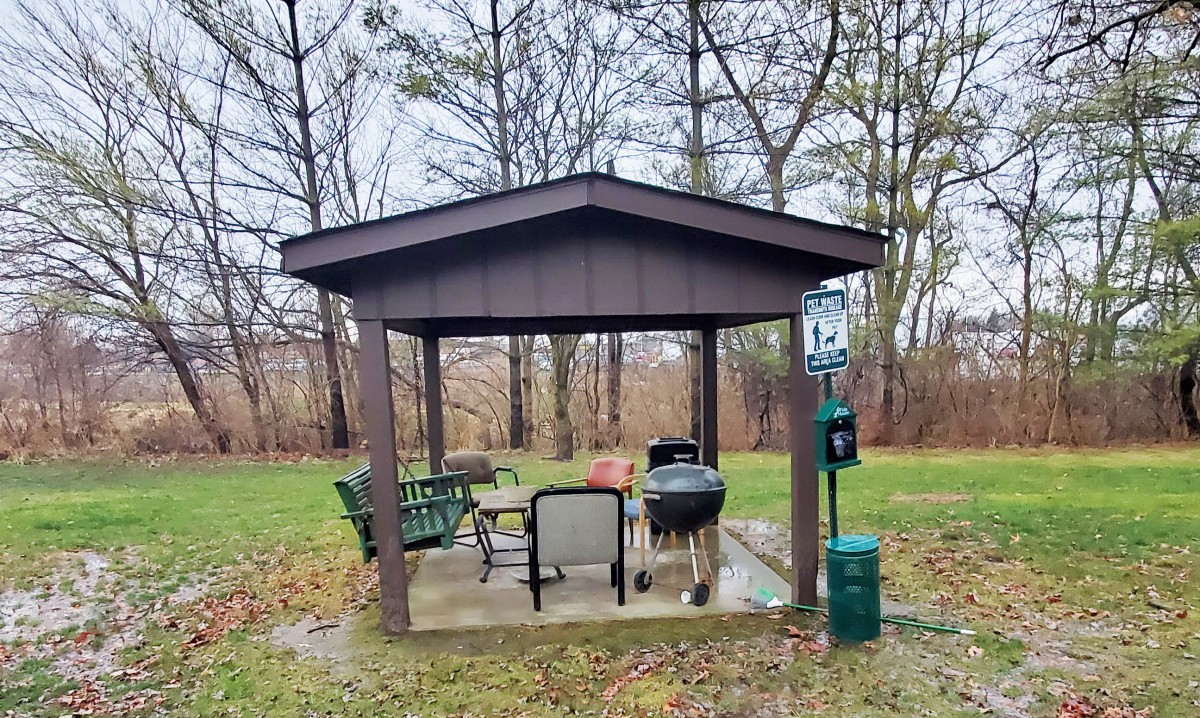
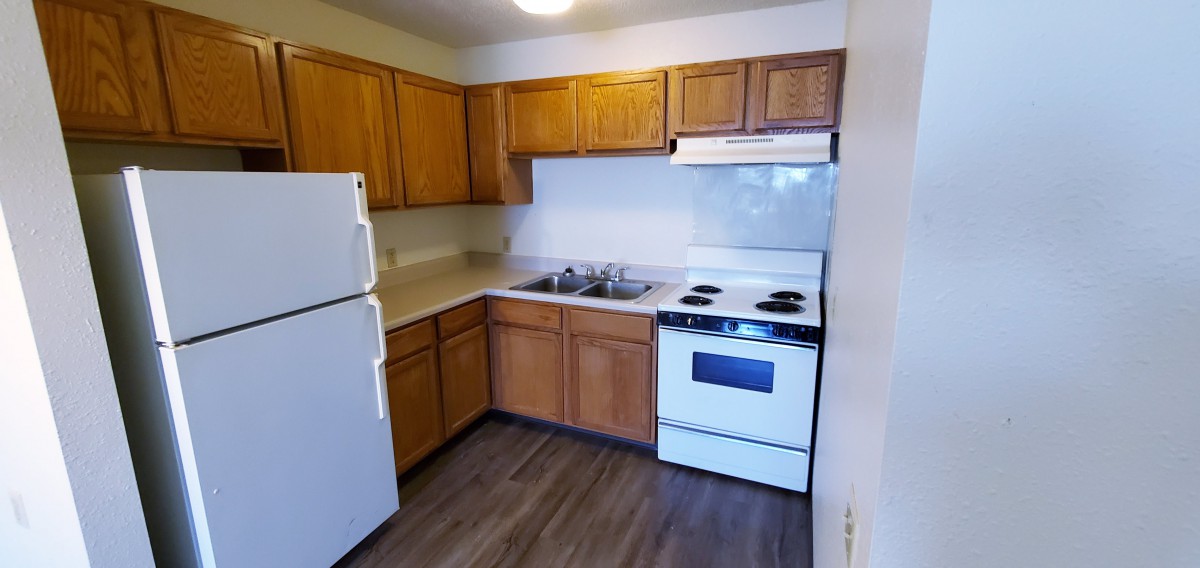
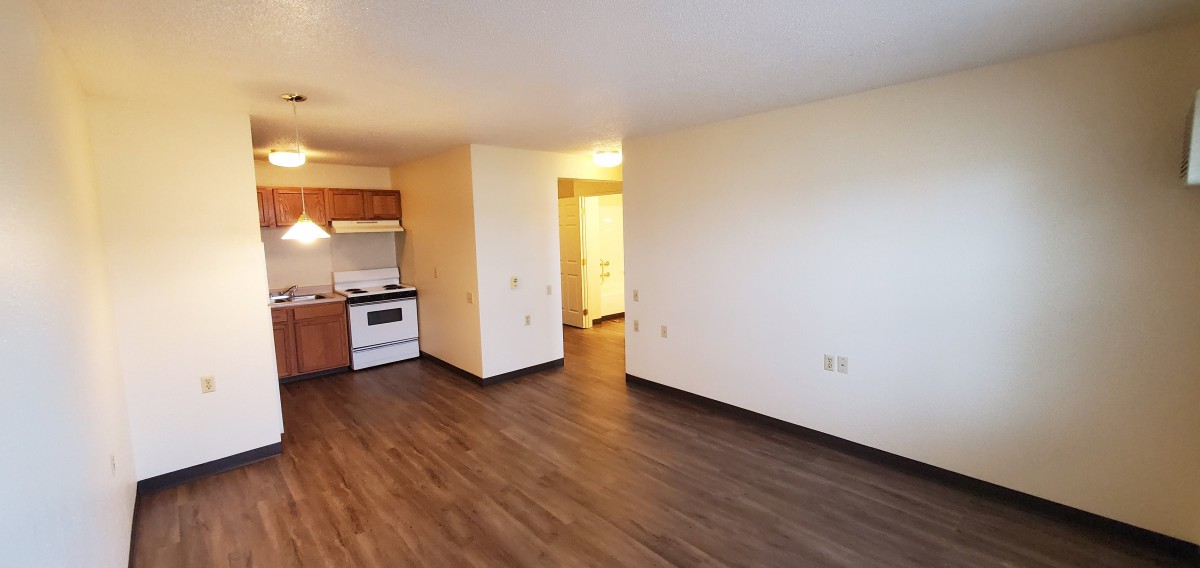
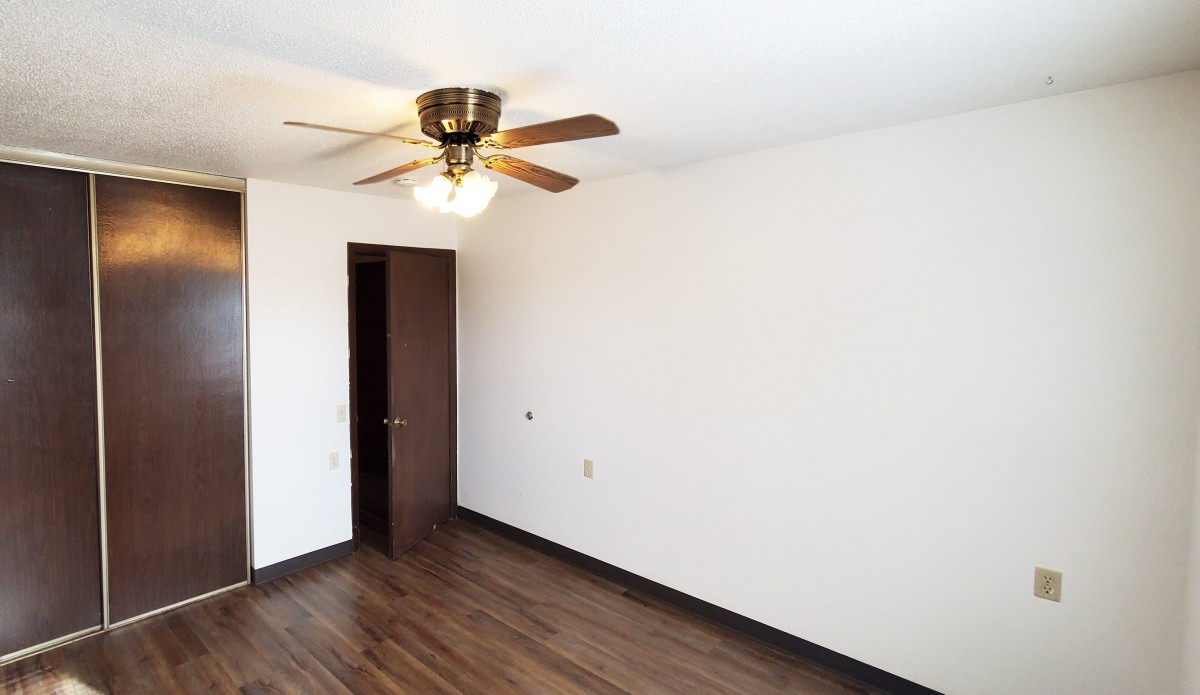
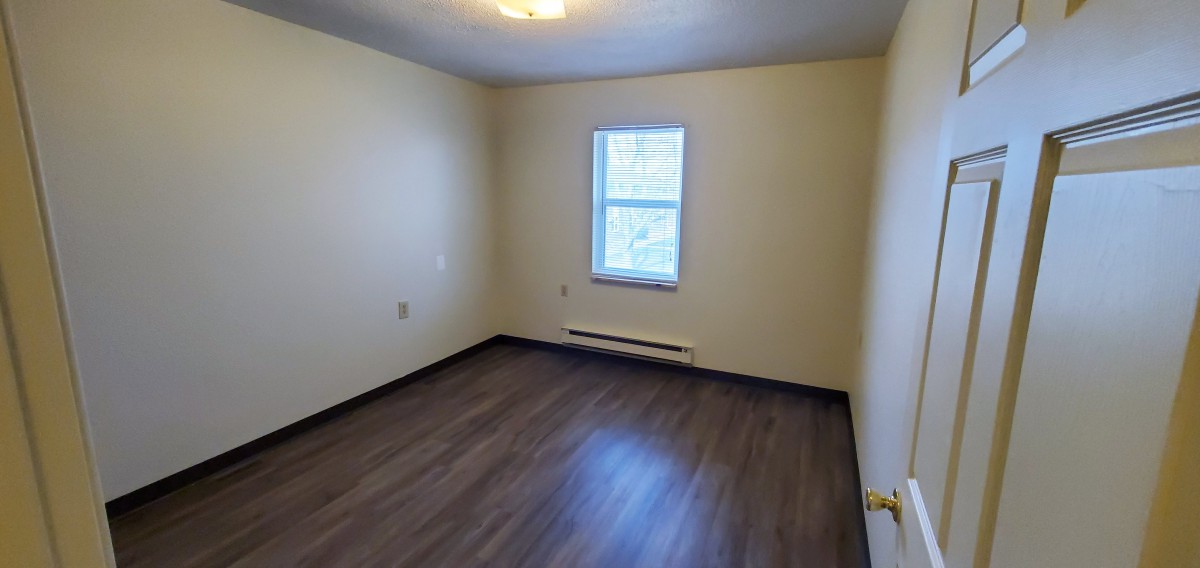
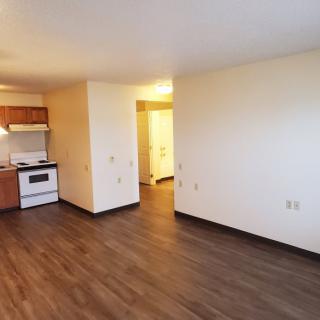
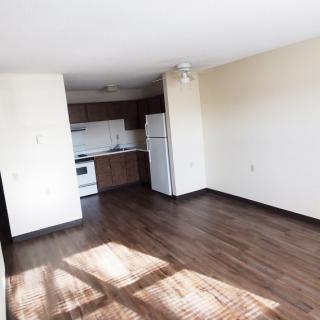
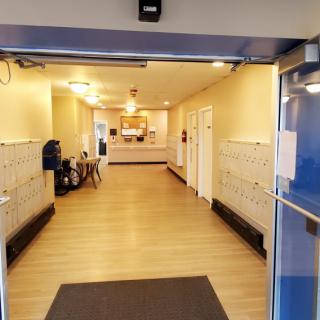
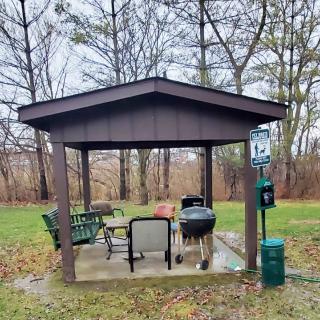
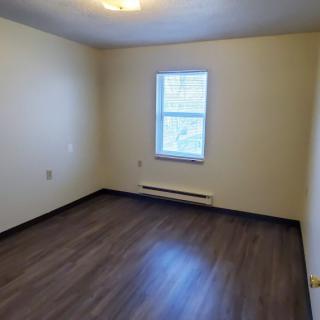
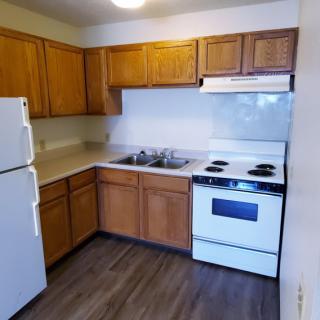
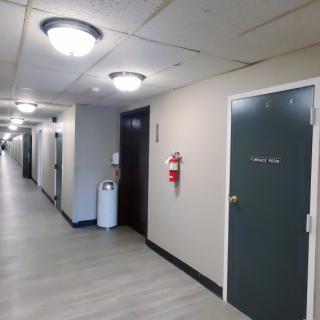
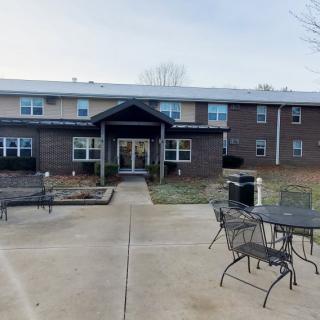
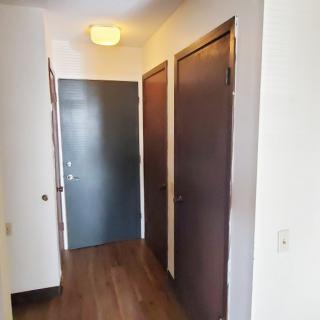
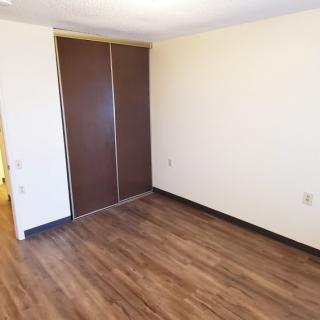
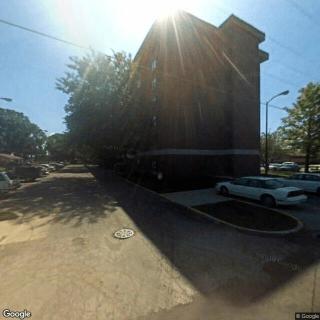
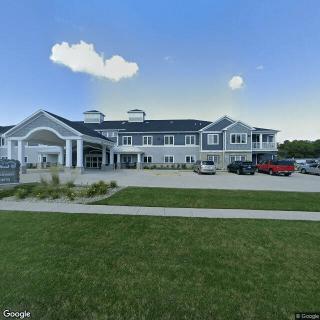
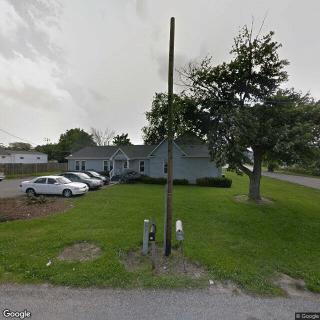
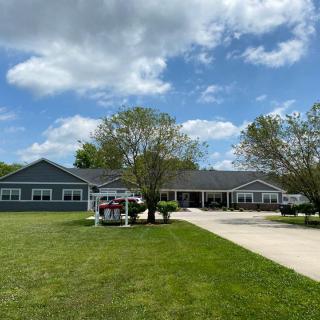
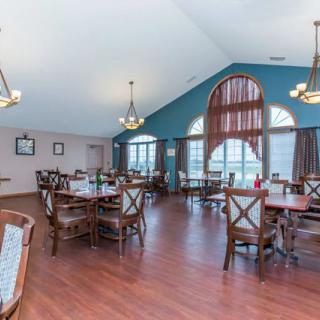
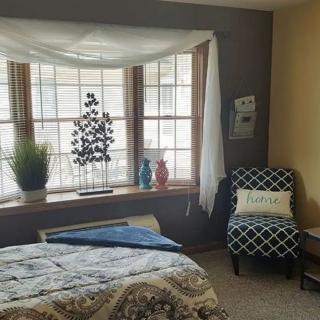
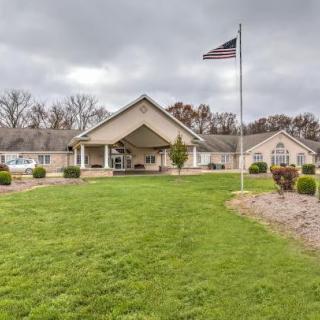
Cougill Senior Apartments on seniors.fyi includes 25 photos including images showing interior, windows, hardwood floor, hallway, kitchen, living room, entrance, building, and more.
Nearby Communities
The Oaks Manor
Oakland, IL
5 from 38 reviews
$2,600 to $3,200 / month
Family-like environment with caring staff, clean facilities, and a homey atmosphere.
Villas of Holly Brook & Reflections - Charleston
Charleston, IL
5 from 3 reviews
$2,750 to $4,375 / month
Attentive staff, clean facility, strong hospice collaboration, and appealing amenities (parking, movie theater, quality meals).
Charleston Rehab & Health Care Center
Charleston, IL
3.5 from 8 reviews
Extensive on-site amenities and comprehensive care services.
Reflections Memory Care - Charleston
Charleston, IL
5 from 5 reviews
Specialized memory care with convenient nearby services.
Smith House
Charleston, IL
$8,250 / month
Excellent access to nearby amenities (cafes, parks, pharmacies, doctors, restaurants, transit, and places of worship).
Arbor Rose of Charleston
Charleston, IL
4.7 from 17 reviews
$5,500 to $6,500 / month
Small, intimate setting with personalized care and home-style meals; families are welcome to join meals.
Brookstone Estates Of Tuscola
Tuscola, IL
4.8 from 23 reviews
24/7 nursing and supervision with private, furnished apartments and restaurant-style dining.
Brookstone Estates Of Mattoon North
Mattoon, IL
4.4 from 34 reviews
$4,340 to $4,700 / month
Friendly, attentive staff and a warm, close-knit community with varied activities.
Caregiver exhaustion, or burnout, stems from the relentless demands of caregiving, leading to emotional and physical depletion characterized by stress, frustration, and neglect of personal needs. Addressing this burden is essential to prevent long-term consequences, with early recognition and support being crucial for caregivers to maintain balance and implement self-care.
Hospice care at home provides specialized end-of-life support that focuses on comfort and dignity for individuals with life-limiting illnesses, offering a range of services including medical management, emotional and spiritual support, and logistical assistance tailored to the family's needs. It involves collaboration to create individualized care plans and extends to bereavement support after a loved one's passing.
The guide outlines the rising costs of 24/7 in-home care, ranging from $10,000 to over $20,000 monthly, driven by factors such as location and caregiver qualifications. It discusses the limited coverage by Medicare and private insurance, potential Medicaid support, and the emotional and living condition considerations influencing families' decisions on care arrangements.
Get PricingAsk A QuestionSchedule A TourContact Senior Advisor
By clicking submit, you agree to our Partner's Terms of Use. You
also consent to receive calls and texts, which may be autodialed, from our Partner. Your consent is not a condition to
using our Partner's service. Please visit our Partner's Privacy Policy for information about their privacy practices.

 Active Adult Communities (55+)
 Cats allowed
 Dogs allowed
 Air-conditioning
 Bath tubs
 Full kitchen
 Ground floor units
 Handicap accessible
 Indoor common areas
 Outdoor common areas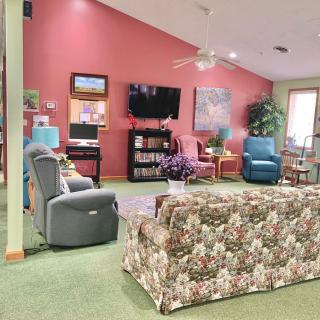
 Family-like environment with caring staff, clean facilities, and a homey atmosphere.

 Caregiver Exhaustion: Recognizing the Signs and Restoring Your Well-Being
 Understanding Hospice Care at Home: Comprehensive Services, Key Benefits, and Eligibility
 Understanding the Full Cost of 24/7 In-Home Care: A Detailed Overview