For more information about senior living options: (866) 208-4318
4.5 from 35 reviews
5 stars
28
4 stars
3
3 stars
0
2 stars
0
1 stars
4
Overall Review of Villas of Holly Brook Bloomington Fox Creek
common21 reviews mention this
Staff care and responsiveness stand out
Residents and families frequently describe staff as professional, supportive, and attentive.
Across many reviews, families say staff members stay professional and supportiveā€”especially during the move-in period and when challenges come up. Multiple reviewers describe staff as attentive and caring, with day-to-day interaction that helps residents feel comfortable. A few comments are more negative, citing issues like inconsistent staffing or help with basics, but the overall pattern emphasizes strong personal attention.
common10 reviews mention this
Cleanliness and upkeep are frequent
Reviews repeatedly point to a clean, well-kept facility and rooms.
Several reviewers highlight cleanliness and an updated feel, including comments about clean common areas and rooms that are kept functioning properly. Others mention the facility looking fresh, bright, and well arranged. One negative review describes odor and cleaning lapses, including rooms not being cleaned for hours, which is the main outlier against the otherwise consistent upkeep feedback.
common5 reviews mention this
Activities keep residents engaged
Residents are described as staying engaged through frequent, varied activities.
Multiple reviews mention that activities are consistently happening, with residents participating in programs and group time. Families describe a lively calendar that can include music programs, bingo, and gardening. A reviewer also observed residents watching TV and music playing during a visit, reinforcing the sense of a structured, social environment.
differentiator4 reviews mention this
Dementia and memory care get focus
Residents in memory care are specifically praised for dementia support.
Reviews that mention memory care or dementia describe a dedicated focus on support in that setting. One reviewer calls out great dementia care, while others note their loved ones are in memory care and are doing well there. A review from someone who worked in the memory care department also reflects positively on that area.
How we summarize
Counts show how many written reviews mention each theme; a review can touch several themes, and only frequently mentioned themes are displayed.
Features
Housing
71 resident community capacity
1-bedroom apartments
2-bedroom apartments
Studio apartments
Types of Care
Assisted Living
Memory Care
Amenities
Air-conditioning
Beauty salon
Cable or satellite TV
Computer center
Dining room
Fitness room
Full kitchen
Fully furnished
Gaming room
Garden
Housekeeping services
Kitchenette
Move-in coordination
Outdoor space
Private bathrooms
Respite or short term stays offered
Restaurant-style dining
Small library
Telephone
Wellness center
Wi-Fi/high-speed internet available
Transportation
Central Illinois Regional (6 miles away)
Community operated transportation
Transportation arrangement
Care Services
24-hour call system
24-hour supervision
Activities of daily living assistance
Assistance with bathing
Assistance with dressing
Assistance with transfers
Diabetes diet
Meal preparation and service
Medication management
Mental wellness program
Mild cognitive impairment
Special dietary restrictions
Specialized memory care programming
Dining
Diabetes diet
Special dietary restrictions
Activities
Community-sponsored activities
Concierge services
Fitness programs
Planned day trips
Resident-run activities
Scheduled daily activities
Languages Spoken
English
Videos
Nearby Places of Interest
Parks
Pepper Ridge Park (0.4 miles)
PJ Irvin Park (1.1 miles)
Franklin Park (3 miles)
Franklin Square Historic District (3 miles)
White Oak Park (3.2 miles)
The Playground at Rollingbrook Park (4.3 miles)
Restaurants
McDonald's (1.5 miles)
Denny's Doughnuts & Bakery (1.9 miles)
Harmony Korean BBQ (2.3 miles)
Pizza Payaa (2.3 miles)
Taco Bell (2.4 miles)
Cracker Barrel (2.4 miles)
McDonald's (2.4 miles)
Transportation
U-Haul Moving & Storage (1.8 miles)
Pharmacies
Walgreens (2 miles)
Ryan Pharmacy (2.8 miles)
Merle Pharmacies (2.8 miles)
Walmart Pharmacy (3 miles)
CVS Pharmacy (3.1 miles)
Walgreens (3.3 miles)
Jewel-Osco Pharmacy (3.4 miles)
Physicians
Mclean County Anesthesiology (2.5 miles)
Specs Around Town (2.5 miles)
Professional Associates of Illinois (2.6 miles)
Chestnut Health Systems (2.7 miles)
American Vision Center: Jay Tallis, OD (3 miles)
Gailey Eye Clinic (3 miles)
Central Illinois Neuro Health Sciences (3.1 miles)
Places of Worship
Wesley United Methodist Church (2.6 miles)
Cafes
Starbucks (2.6 miles)
Starbucks (4 miles)
Starbucks (4.1 miles)
Theaters
Marcus Theatres (3.1 miles)
Hospitals
Advocate Bromenn H2o (3.5 miles)
Advocate BroMenn Women's Health Center (3.6 miles)
Advocate Bromenn Medical Center (3.6 miles)
Osf Healthcare System (4 miles)
OSF St Joseph Medical Center Materials Management (4.1 miles)
The features at Villas of Holly Brook Bloomington Fox Creek are meticulously designed to cater to the unique needs of residents facing memory challenges, such as dementia or Alzheimer's disease. Assistance with dressing and bathing not only promotes personal dignity but also helps maintain a routine that residents can rely on, which is crucial for their sense of stability. Medication management ensures that residents receive the correct dosages at the right times, minimizing the anxiety often associated with missed medications. Meal preparation and service focus on nutritional needs while considering individual preferences, fostering an environment where residents feel cared for through familiar foods. By facilitating activities of daily living and transfers, staff members enhance physical safety and comfort, reducing frustration for both residents and caregivers. The 24-hour supervision provides continuous support, allowing families peace of mind regarding their loved ones' safety. Additionally, a mental wellness program paired with specialized memory care programming addresses cognitive decline through engaging activities tailored to various stages of impairment, promoting social interaction and mental stimulation essential for quality of life. These features work in concert to create a nurturing atmosphere that respects individual needs while encouraging independence within a safe framework.
Nearby Communities
Villas of Holly Brook & Reflections - Bloomington South
Bloomington, IL
4.6 from 48 reviews
$3,600 to $6,400 / month
Caring, attentive staff with engaging activities in a well-maintained community.
Luther Oaks
Bloomington, IL
4.5 from 56 reviews
$3,054 to $9,138 / month
Friendly staff, clean facilities, and engaging activities with good dining.
Mae's In-Home Daycare
Bloomington, IL
5 from 1 review
Reliable scheduling and a caregiver who met the client's needs.
Bloomington Rehabilitation and Health Care Center
Bloomington, IL
4.1 from 77 reviews
Dedicated staff and accessible corporate support.
Bloomington Rehabilitation & Health Care Center
Bloomington, IL
4.1 from 76 reviews
Extensive on-site amenities and 24/7 care with restaurant-style dining and engaging activities.
Lincoln Towers
Bloomington, IL
5 from 13 reviews
Diabetic care with on-site activities and strong nearby amenities.
The Village at Mercy Creek
Normal, IL
4.8 from 46 reviews
$4,738 to $5,584 / month
Clean, welcoming environment with attentive staff, engaging activities, and high-quality dining.
Evergreen Place Assisted Living
Normal, IL
4.7 from 54 reviews
$3,980 to $5,335 / month
Attentive staff and a warm, family-like atmosphere with engaging activities.
Holiday Blair House
Normal, IL
4.3 from 131 reviews
$2,439 to $4,849 / month
Friendly staff, beautifully renovated apartments, excellent dining, and a vibrant activities program.
Dementia affects memory and cognitive function in older adults, presenting challenges for caregivers due to behavioral changes such as confusion and mood swings. Compassionate, person-centered care that considers individual history and preferences, along with effective communication and environmental modifications, is essential for supporting both patients and their caregivers.
Dementia leads to cognitive impairment and can cause emotional and behavioral changes, including aggression that arises from frustration, confusion, or fear. Effective coping strategies for caregivers include understanding dementia's nature, recognizing triggers, using empathetic communication, and employing non-pharmacological interventions like music and art therapy.
Dementia causes cognitive decline and challenging behaviors that caregivers must manage, necessitating an understanding of the neurological basis of these issues. Effective strategies and self-care for caregivers can enhance support for those with dementia and improve their daily lives.
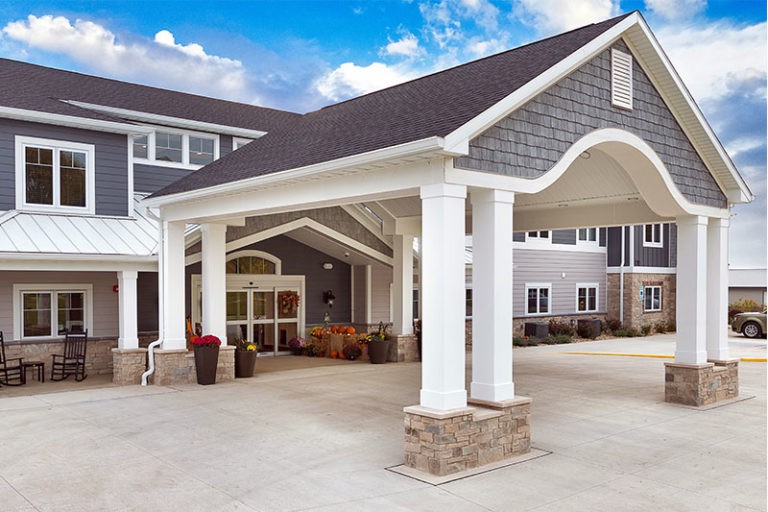
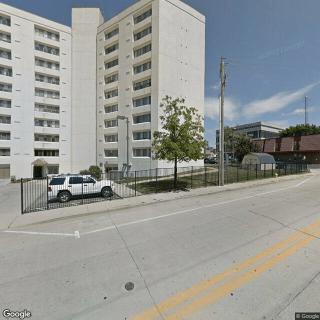
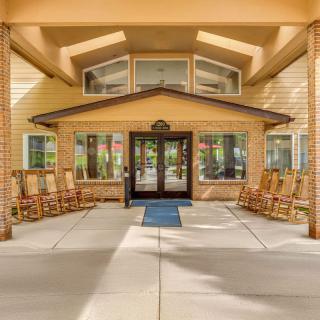
Villas of Holly Brook Bloomington Fox Creek photos
×
Building
Architecture
Landscaping, Outdoor, and Clouds
Building, Architecture, and Entrance
Exterior and Porch
Get PricingAsk A QuestionSchedule A TourContact Senior Advisor
By clicking submit, you agree to our Partner's Terms of Use. You
also consent to receive calls and texts, which may be autodialed, from our Partner. Your consent is not a condition to
using our Partner's service. Please visit our Partner's Privacy Policy for information about their privacy practices.


 71 resident community capacity
 1-bedroom apartments
 Assisted Living
 Memory Care
 Air-conditioning
 Beauty salon
 Cable or satellite TV
 Computer center
 Dining room
 Fitness room
 Full kitchen
 Fully furnished
 Gaming room
 Garden
 Housekeeping services
 Move-in coordination
 Outdoor space
 Private bathrooms
 Respite or short term stays offered
 Restaurant-style dining
 Small library
 Telephone
 Wellness center
 Wi-Fi/high-speed internet available
 Central Illinois Regional (6 miles away)
 Community operated transportation
 24-hour call system
 Activities of daily living assistance
 Assistance with bathing
 Assistance with dressing
 Assistance with transfers
 Diabetes diet
 Medication management
 Mental wellness program
 Special dietary restrictions
 Concierge services
 Planned day trips
 English
 Caring, attentive staff with engaging activities in a well-maintained community.



 Understanding Dementia Behaviors: Practical Insights and Strategies for Caregivers
 When Dementia Sparks Anger and Aggression: Understanding the Connection and Ways to Cope
 Dementia Behaviors: In-Depth Understanding and Effective Coping Strategies