






144 Stockham Boulevard, Rigby, ID 83442
For more information about senior living options: (866) 208-4318
Overall Review of The Wildflower of Rigby
Pros
 The employees are caring and love the residents.
- The administrator is a loving person who truly cares about the facility.
- The owners strive to make the facility the best for both employees and residents.
- Wildflower Assisted Living is an amazing facility.
- The place is very well taken care of and has amazing residents and staff.
- The administrator is the best.
- The facility has amazing food and offers fun activities.
- The back yard is great for everyone to visit and play games.
- The staff and administrative team are incredibly caring; the facility is exceptional.
- The facility feels like home.
Cons
 The reviewer believed the previous facility was the worst place ever and would not recommend it unless significant changes occurred.
- The reviewer stated they left two other assisted-living facilities because their mother was lost in the shuffle.
- The reviewer suggested there had been leadership issues at the earlier time and hoped for a different director.
Review
TheWildflower of Rigby is best suited for families seeking a warm, home-like assisted living or memory‑care environment where staff depth and administrative visibility are core strengths. This community shines for residents who value genuine, day-to-day compassion from caregivers, consistent kindness from leadership, and a livable, social atmosphere that makes aging in place feel less clinical and more like belonging. The setting and culture cater to those who want reliable daily care paired with engaging activities, good meals, and a sense of independence within a supportive framework.
Families weighing alternatives should consider whether the loved one requires higher clinical acuity or more rigid medical oversight. If a resident needs frequent skilled nursing, complex medical management, or highly specialized memory-care protocols, other communities with deeper on-site medical staff may be a better fit. Leadership stability is another consideration: a past reviewer pointed to concerns about management and suggested a change in director, so prospective families should verify who is currently at the helm, how accessible that administrator remains, and what changes have occurred recently. If memory-care programming needs are very specific or intense, confirm that the current program matches those needs.
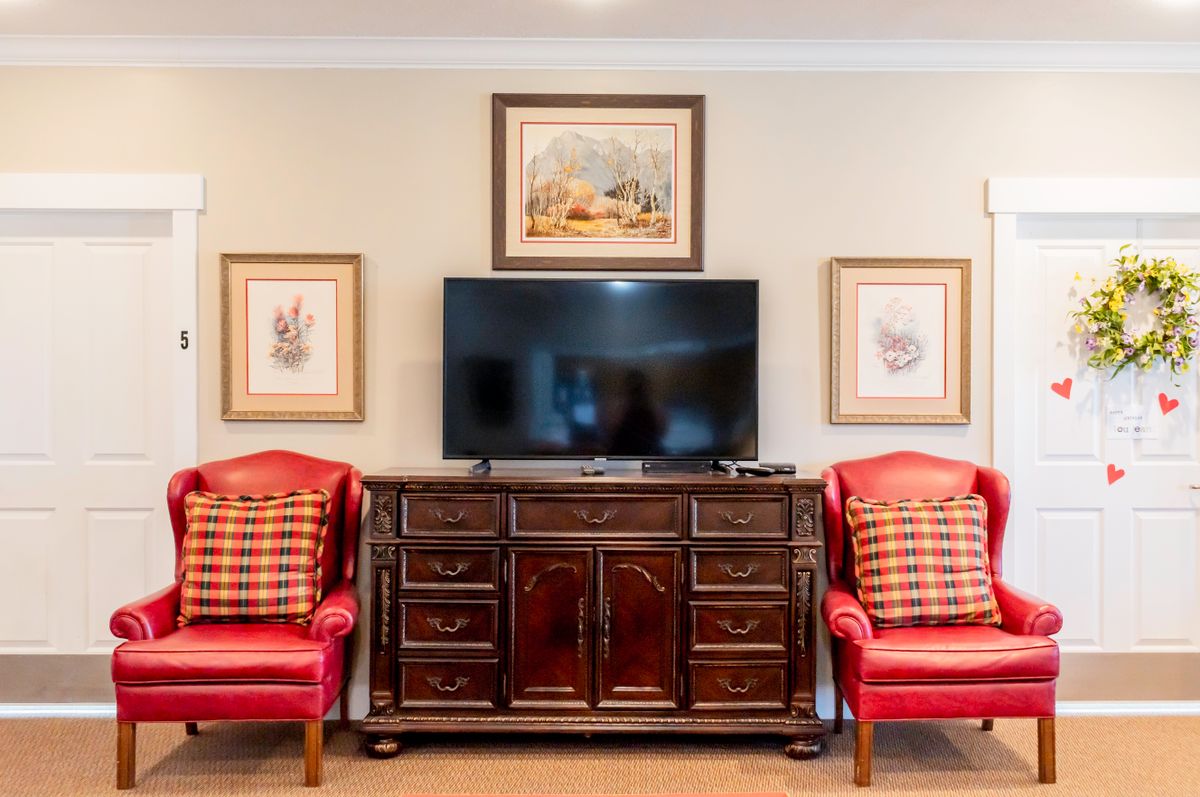
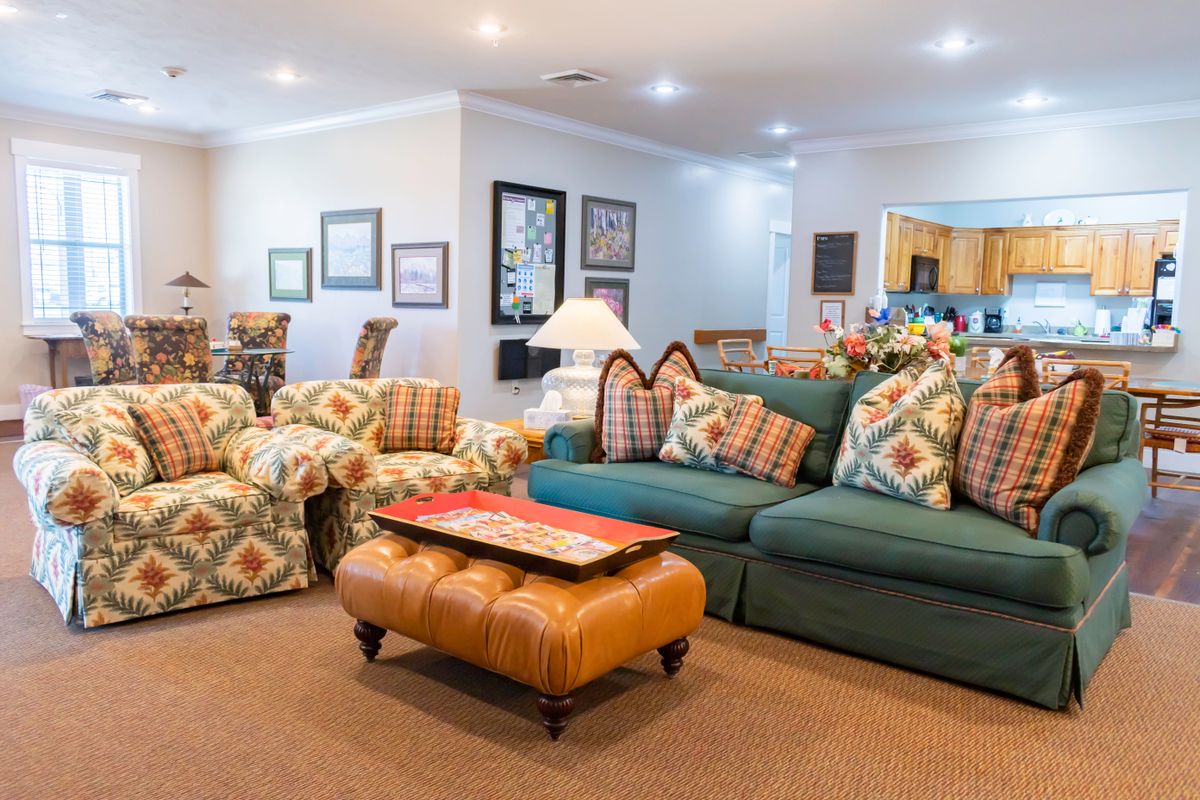
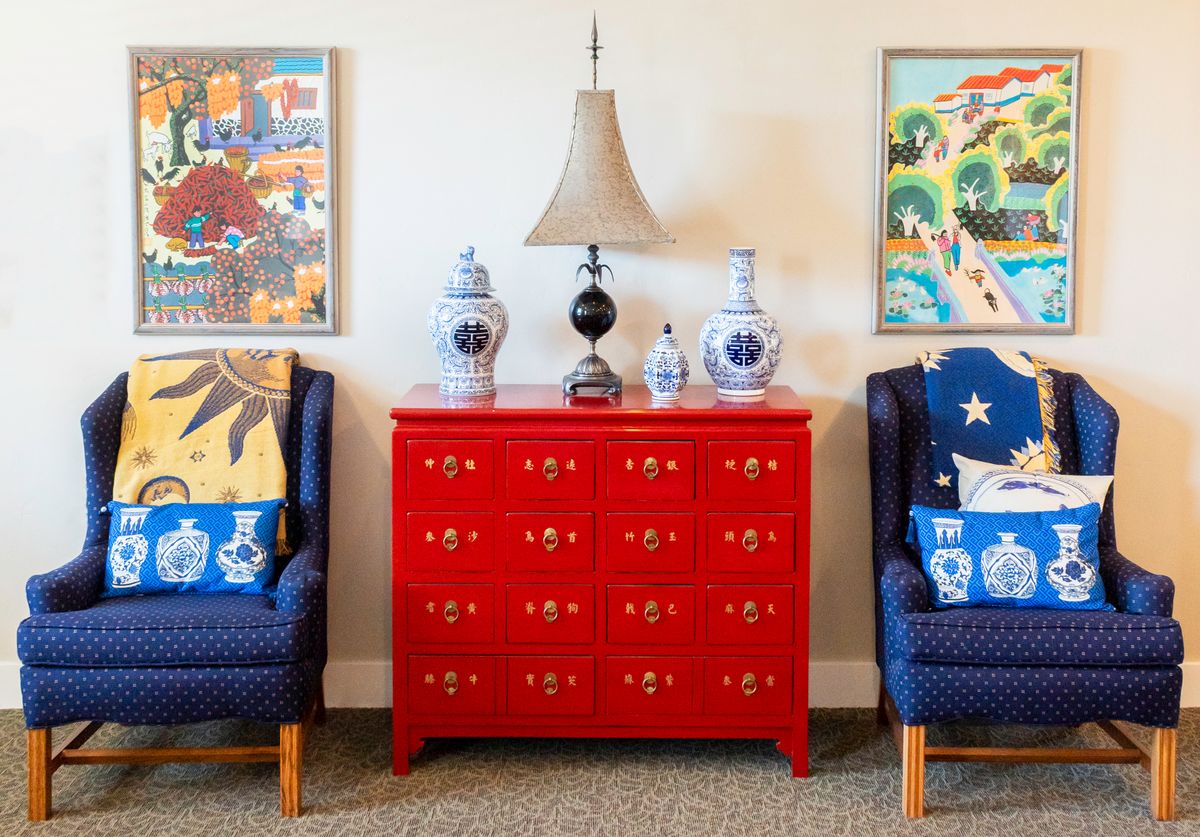
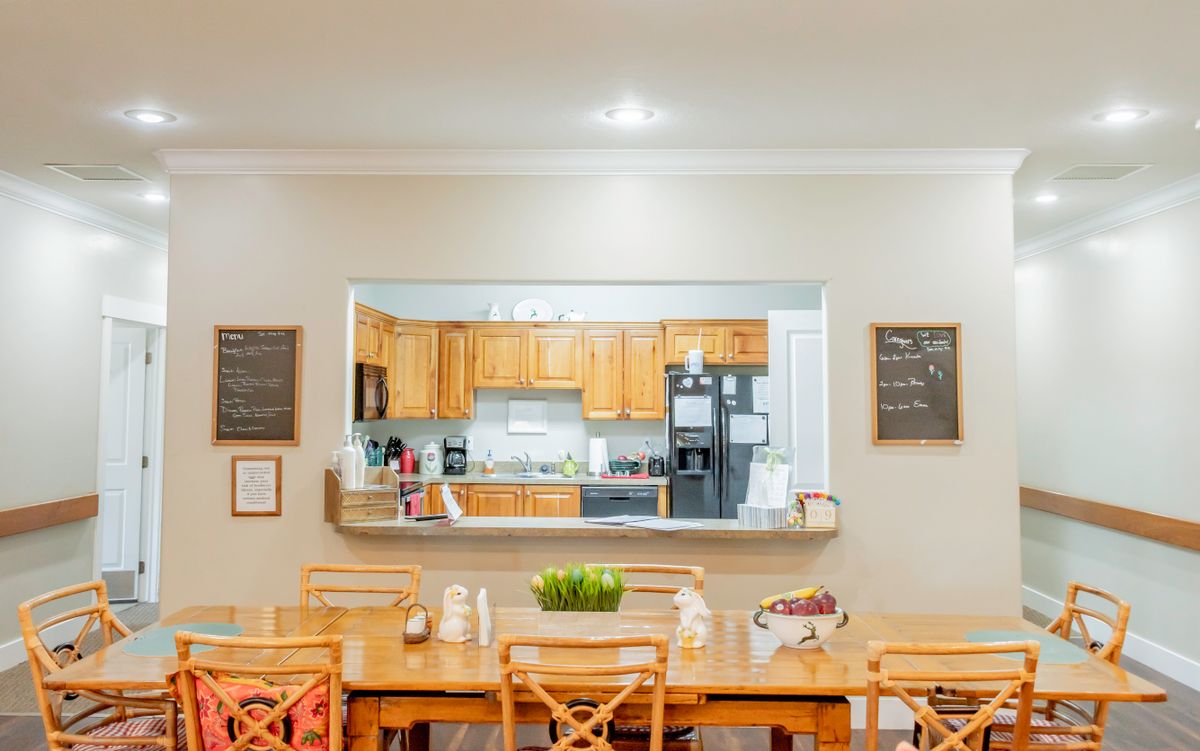
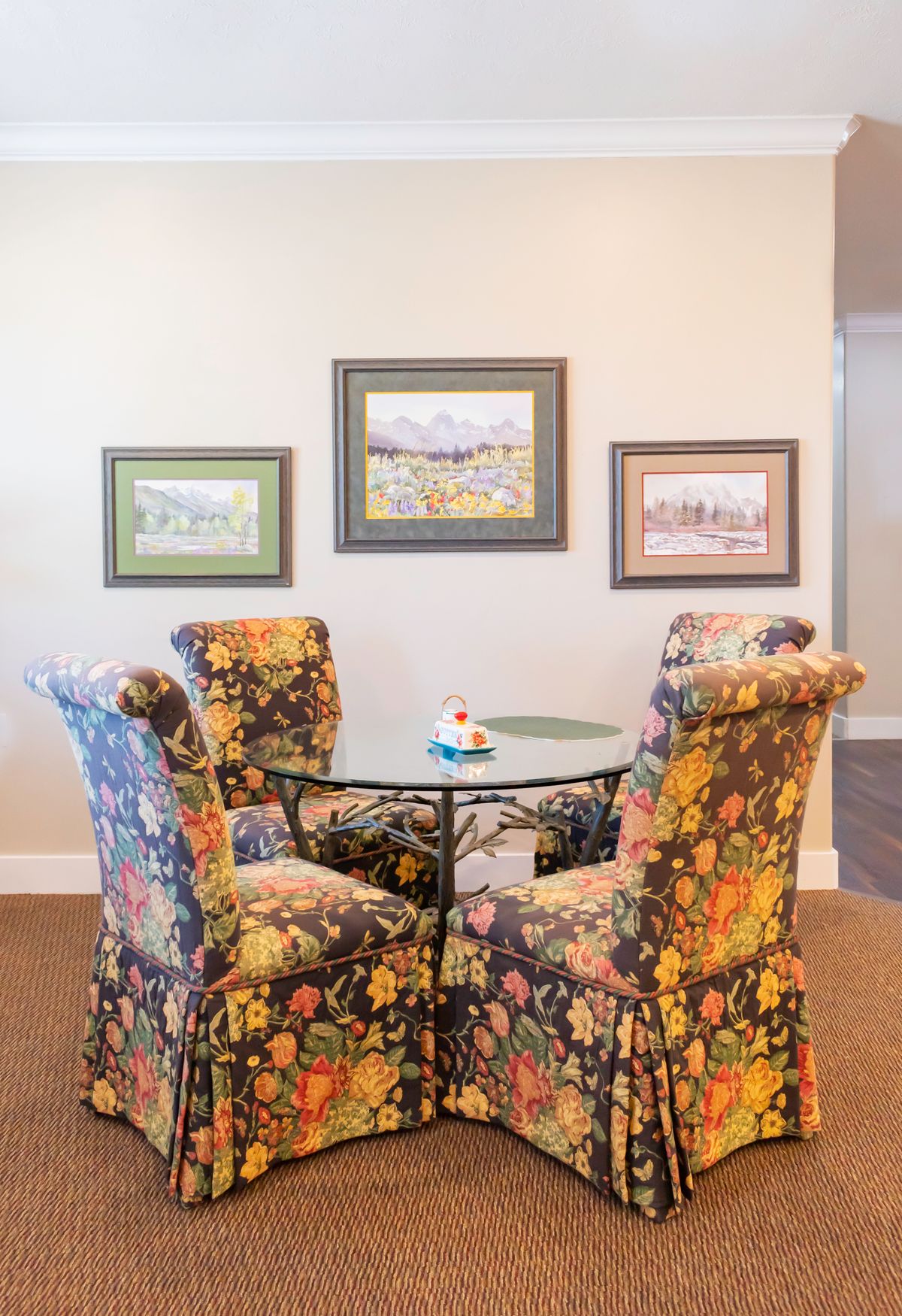
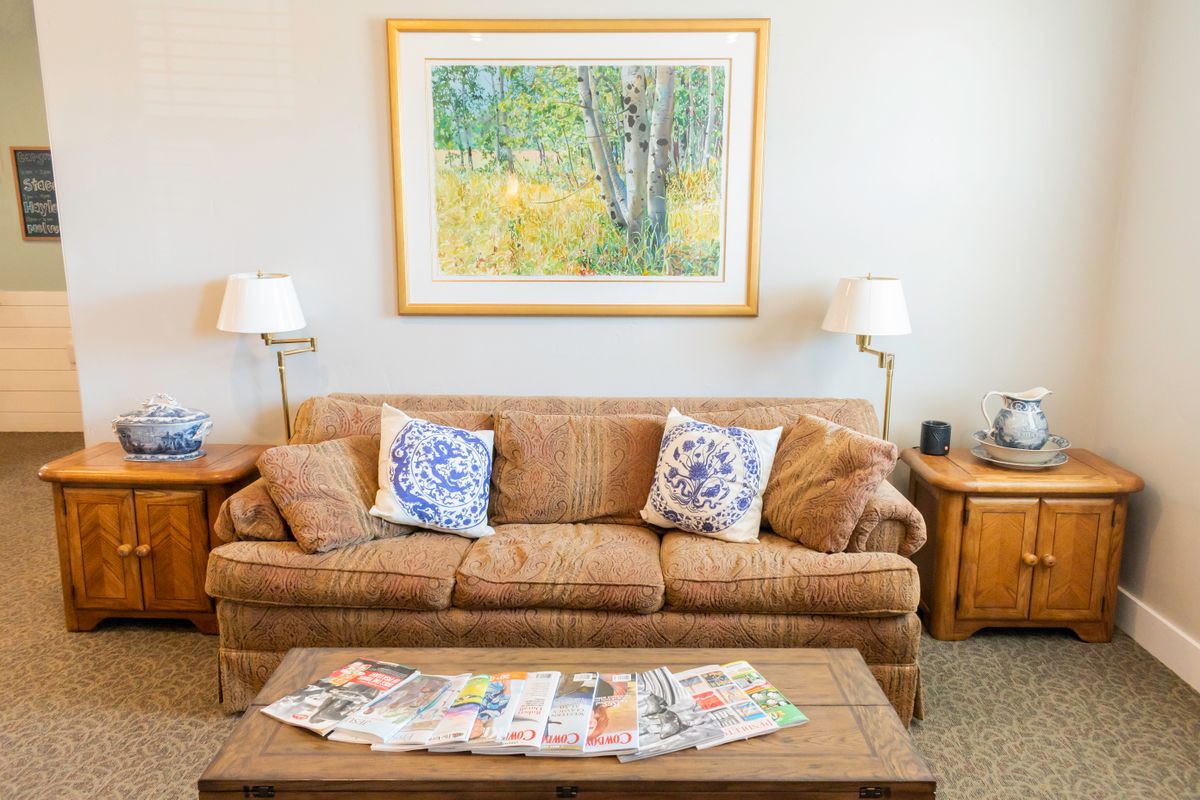
The strongest positives center on people. The staff consistently receives high praise for genuine care, warmth, and engagement, with administrators who are described as caring and involved. The care culture feels attentive rather than perfunctory, and residents repeatedly express happiness with daily interactions and the overall mood of the community. The environment itself reinforces this sentiment: well-maintained common areas, a welcoming backyard, and a layout that supports independent living alongside assisted routines. Food quality and the availability of meaningful activities round out the experience, contributing to residents feeling well cared-for and socially integrated.
Where the reviews show caution, the main thread is leadership continuity and communications. A minority of reviews recount concerns about leadership in the past and the risk that a caregiver team could feel “lost in the shuffle” during transitions. Yet the overwhelming consensus is that the current culture is nurturing, with many staff members who stay long enough to foster trust. Therefore, the offset hinges on verification: prospective families should meet the administrator in person, tour with staff, and ask pointed questions about turnover, policy changes, and how resident needs are tracked and escalated. If peace of mind hinges on stable leadership, this step is non-negotiable.
Practical due diligence matters. Tour timing should pair with conversations with caregivers and a few residents or families who can speak to day-to-day routines. Inquire about memory-care programming specifics, resident-to-staff ratios during peak hours, and how meals are customized for dietary restrictions. Confirm room configurations, including private bathrooms, and confirm what “freedom” and autonomy look like in practice, how much choice residents have in activities, dining, and daily scheduling. Clarify costs, what services are bundled, and any potential add-ons that might affect long-term affordability. These concrete checks will reveal whether the care philosophy aligns with the loved one’s preferences and risk tolerance.
In the end, The Wildflower of Rigby stands out as a compelling choice for families seeking a facility where care is real, staff are personable, and life inside the community feels hopeful and sociable. It is especially well-suited for residents who thrive on daily encouragement, enjoy structured activity, and appreciate a home-like feel with attentive supervision. For those needing more intensive medical care or guaranteed leadership stability, or for families with highly specialized memory-care requirements, exploring a few additional options is prudent. A deliberate site visit, framed by candid questions about leadership, staffing, and programming, will reveal whether this community can truly meet the loved one’s long-term needs.
 22 resident community capacity
 Assisted Living
 Board and Care Home
 Memory Care
 Beauty salon
 Cable or satellite TV
 Dining room
 Fully furnished
 Garden
 Housekeeping services
 Kitchenette
 Move-in coordination
 Outdoor space
 Telephone
 Wi-Fi/high-speed internet available
 Idaho Falls Regional (14 miles away)
 24-hour call system
 Activities of daily living assistance
 Assistance with bathing
 Assistance with dressing
 Assistance with transfers
 Diabetes diet
 Meal preparation and service
 Medication management
 Mental wellness program
 Special dietary restrictions
 Transportation arrangement (medical)
 Transportation to doctors appointments







 Dementia, Paranoia, and Caregiver Guidance: Understanding the Connection
 Engaging Memory Care Activities That Enhance Quality of Life
 When to Transition from Assisted Living to Memory Care: Key Indicators, Steps, and Finding the Right Community