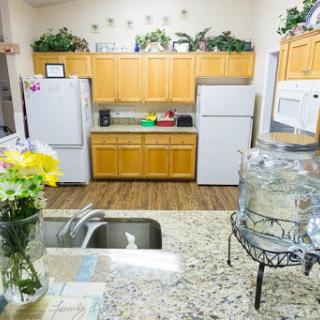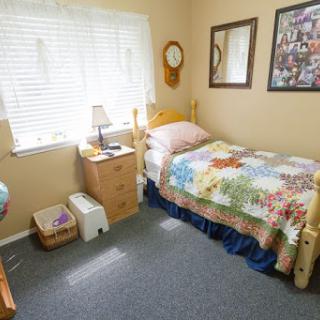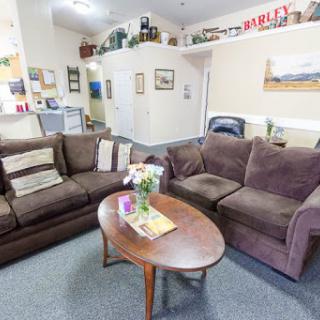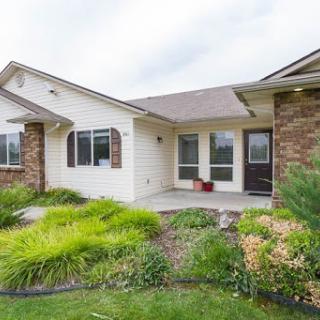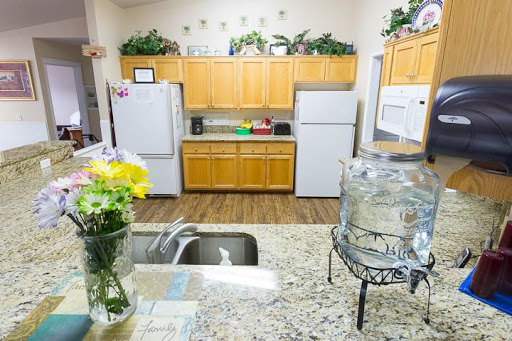
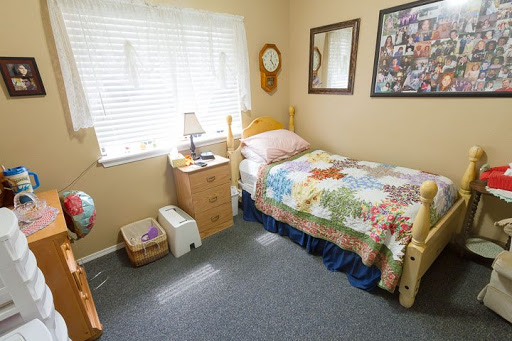
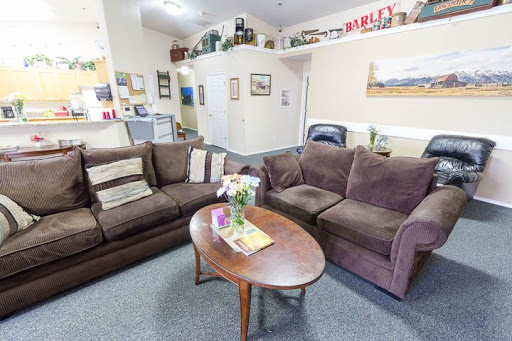
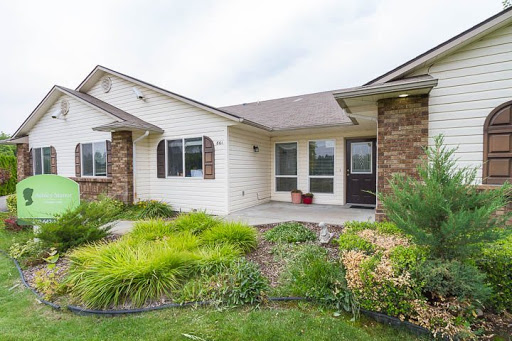
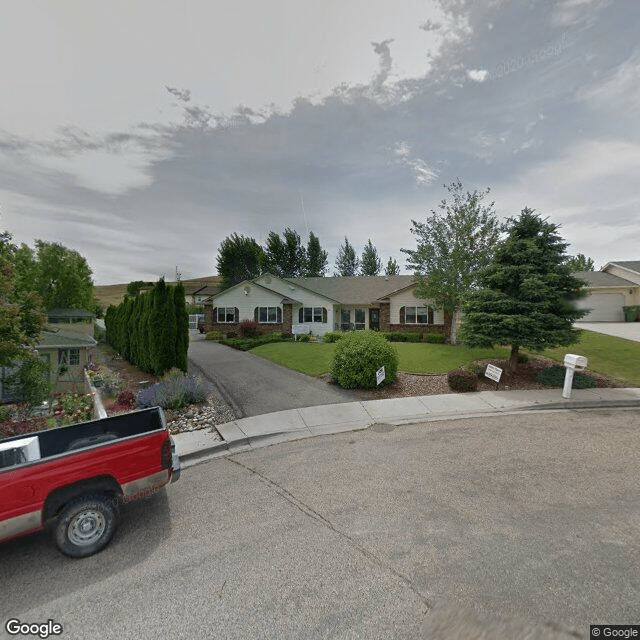
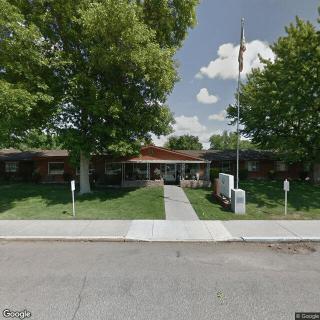
861 Beverly Hills Drive, Payette, ID 83661
For more information about senior living options: (866) 208-4318
Ashley Manor Beverly Hills Costs & Pricing
Ashley Manor Beverly Hills offers competitive pricing for its accommodations when compared to both Washington County and the broader state of Idaho. For a semi-private room, residents can expect to pay $2,900 per month, which aligns with the rates in Washington County but is notably lower than the Idaho average of $3,026. Meanwhile, the studio option at Ashley Manor is priced at $3,200, slightly above Washington County's rate of $3,160 yet still favorable in comparison to the statewide average of $3,213. This positioning underscores Ashley Manor's commitment to providing quality care at reasonable costs within a desirable location.
| Floor plans | Ashley Manor Beverly Hills | Washington County | Idaho |
|---|---|---|---|
| Semi-Private | $2,900 | $2,900 | $3,026 |
| Studio | $3,200 | $3,160 | $3,213 |
Memory care communities with a similar price nearby
-
from -$500 / mo
The Cottages of Payette
$2,400 to $2,600 / month1.3 miles away -
from +$100 / mo
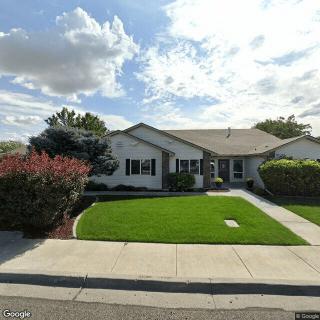
Ashley Manor - Alameda
$3,000 / month4.7 miles away -
from -$550 / mo
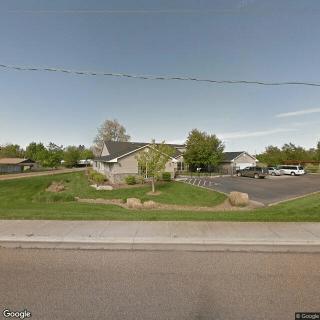
The Cottages of Weiser
$2,350 to $2,600 / month13.2 miles away -
from -$300 / mo
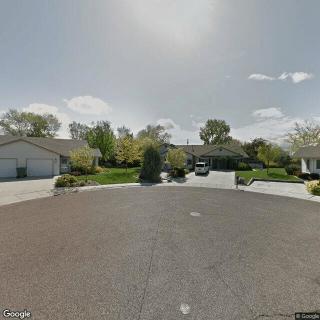
Ashley Manor - Well Springs
$2,600 to $3,100 / month4.7 miles away
Overall Review of Ashley Manor Beverly Hills
Pros
 The staff are compassionate and go the extra mile for residents.
- The facility feels like home, with a warm and welcoming atmosphere.
- They provide timely updates to families, including photos from celebrations.
- The care team treats residents like family and genuinely cares about their well-being.
- The administration and staff are dedicated to safety and high-quality care.
- The meals are prepared with care, and residents look happy and well cared for.
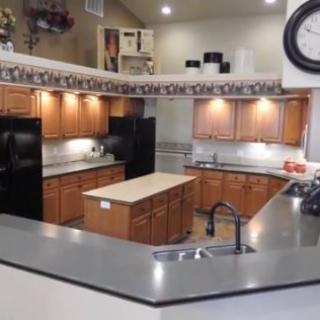
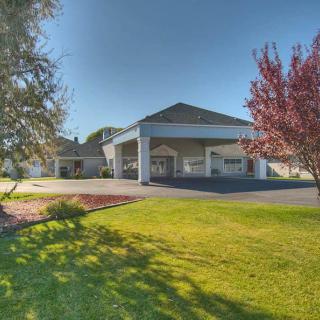
- The facility is beautiful, clean, and well-decorated.
Cons
 The administrator and corporate office care more about covering their butts and maintaining power.
- A lot of residents are not being told when their medications change.
- The administrator also tends to accuse before knowing any facts, affecting residents and staff.
- Higher-level staff don't care about anything but themselves.
- Food is horrible, and the staff are lazy and impersonal.
- They will fire residents or staff with false accusations to save their own mistakes.
- The bosses let residents sit at the dinner table for hours with snot running from their noses instead of helping them eat.
- The bosses spend the majority of their time on cell phones.
Review
Ashley Manor Beverly Hills in Payette, Idaho, is best suited for families seeking a warm, home-like assisted living where daily care feels personal and family updates arrive without prompting. It fits residents who need help with activities of daily living and routine medical oversight, but who still want a setting that feels more like a caring household than a clinical facility. The community’s practical strengths, availability when needed, and a doctor arrangement that includes monthly in-home check-ins, make it a dependable option for relatives balancing schedules and concerns. Families that prize visible affection from staff, regular communication through texts and photos, and a sense that caregivers treat residents as family will find this option compelling. Those seeking a highly formal, hospital-like environment or ultra-strict dining programs may want alternatives.
Pros clearly center on frontline caregiving. Multiple reviews describe staff as compassionate, attentive, and willing to go the extra mile, with administrators who seem engaged in daily care. Families appreciate timely updates, celebration photos, and the feeling that communication never stops when questions arise. The setting is consistently described as clean, decorated, and peaceful, a genuine home atmosphere that supports dignity and safety. The combination of caring interaction and accessible medical oversight, via a recommended local physician and monthly visits, helps residents maintain function and receive timely attention. When conditions improve or stabilize after a move, the data points suggest the care team is capable of nurturing meaningful gains.
Yet, a recurring theme in reviews concerns the administrative layer. Several accounts allege gaps or delays in communicating medication changes, and some describe a climate where accountability appears centered on protecting the organization rather than transparency with families. While frontline staff are praised, friction at the top levels, perceived self-protection, or a focus on control, colors the trust equation for a portion of families. The result is a mixed signal: spectacular bedside care on the floor, tempered by concerns about how information is shared or documented at the administrative tier. This dynamic will matter most for families who require precise, timely medication management and unambiguous care decisions.
Given these dynamics, some families may want alternatives. Those who demand faultless medication reconciliation, conflict-free medication changes, or a dining program that consistently ranks high may prefer communities with stronger administrative transparency and stronger menus. Households seeking a more regimented, less personal environment, or one with a different balance of clinical oversight versus relational care, might also find other options a better fit. The decision hinges on whether the immediate, day-to-day warmth and family-style communication offset the potential for administrative friction.
Prudent due diligence can clarify fit. Prospective residents should meet the administrator, chat with frontline caregivers, and observe a mealtime to gauge interactions and pacing. Inquire about how medication changes are communicated, who documents them, and how families receive updates. Request current references, and review the cadence of monthly physician involvement. Ask about staffing ratios, turnover, and staff training in memory support and safety. Verifying these factors helps separate the strong personal care from the administrative risk and aligns expectations with real-world operations.
In sum, Ashley Manor Beverly Hills offers a practical, compassionate option for families prioritizing a home-like environment, visible staff engagement, and straightforward care coordination. The standout strengths, personal attention, frequent family updates, and integrated medical oversight, often translate into steady, positive resident experiences. The cautions center on administrative transparency and dining quality, with occasional concerns about consistency in medication communication. If these trade-offs fit the family’s risk tolerance, the community delivers reliable care in a setting that feels like home. For those seeking a more rigid governance structure or a dining program with consistently standout meals, it remains wise to compare alternatives before deciding.
 22 resident community capacity
 Assisted Living
 Board and Care Home
 Memory Care
 Beauty salon
 Cable or satellite TV
 Dining room
 Fully furnished
 Garden
 Housekeeping services
 Kitchenette
 Move-in coordination
 Outdoor space
 Respite or short term stays offered
 Telephone
 Wi-Fi/high-speed internet available
 24-hour call system
 Activities of daily living assistance
 Assistance with bathing
 Assistance with dressing
 Assistance with transfers
 Diabetes diet
 Hospice waiver
 Meal preparation and service
 Medication management
 Mental wellness program
 Special dietary restrictions
 Transportation arrangement (medical)
 Transportation to doctors appointments


 Five Subtle Dementia Indicators to Observe: An In-Depth Guide to Understanding “Does My Mom Have Dementia?”
 Dementia, Paranoia, and Caregiver Guidance: Understanding the Connection
 Engaging Memory Care Activities That Enhance Quality of Life