Prestige Senior Living At Karcher Estates in Nampa, ID

Save

  • Interior

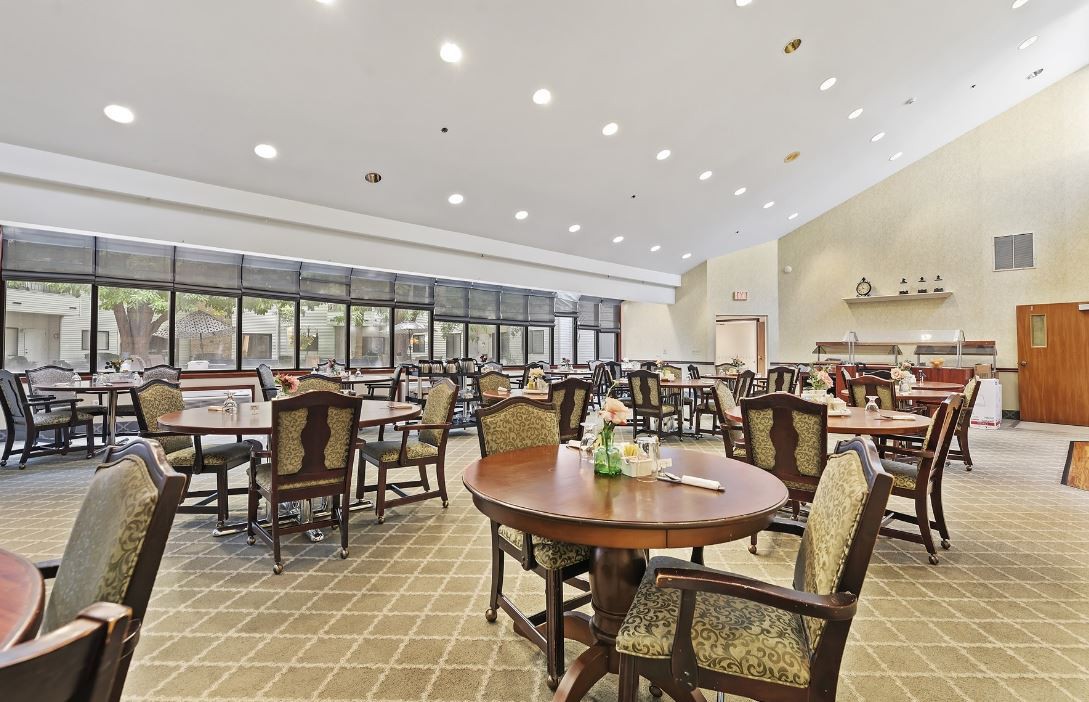
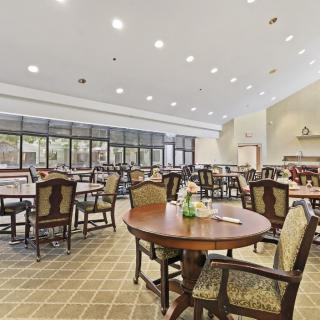
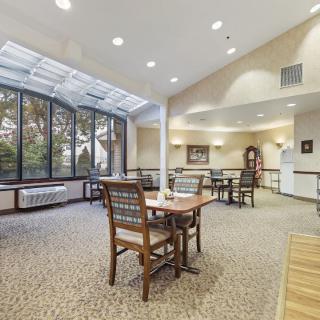
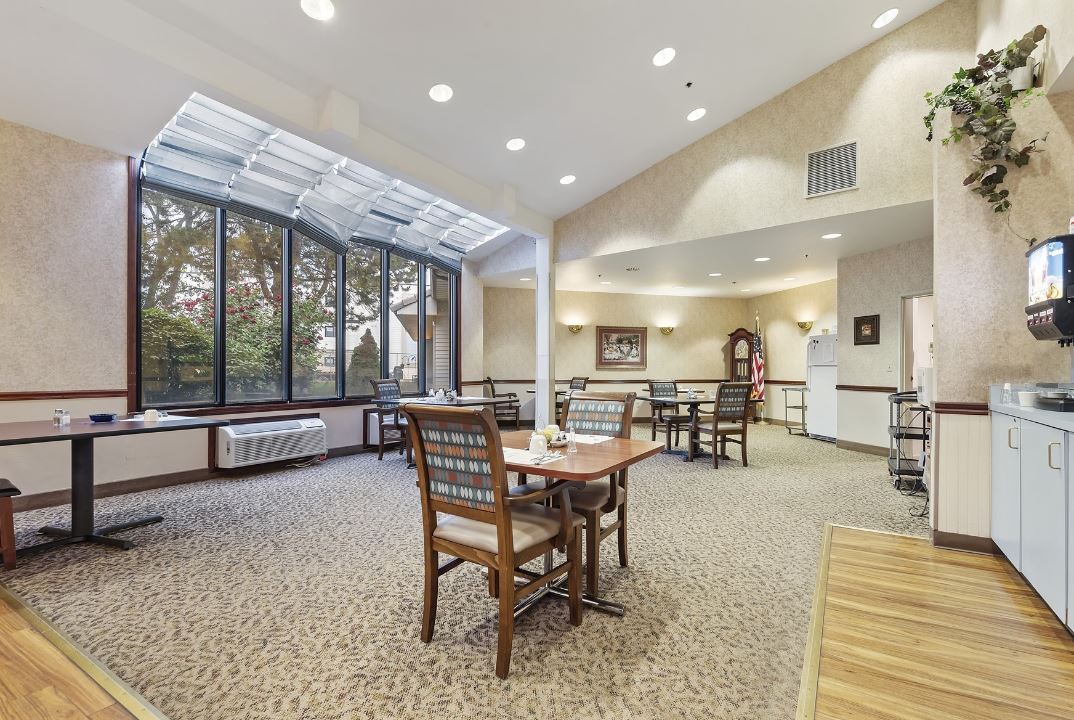
    A spacious dining area with multiple tables and chairs, featuring large windows and ample lighting.
  • Decor

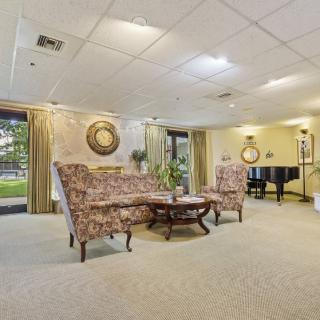
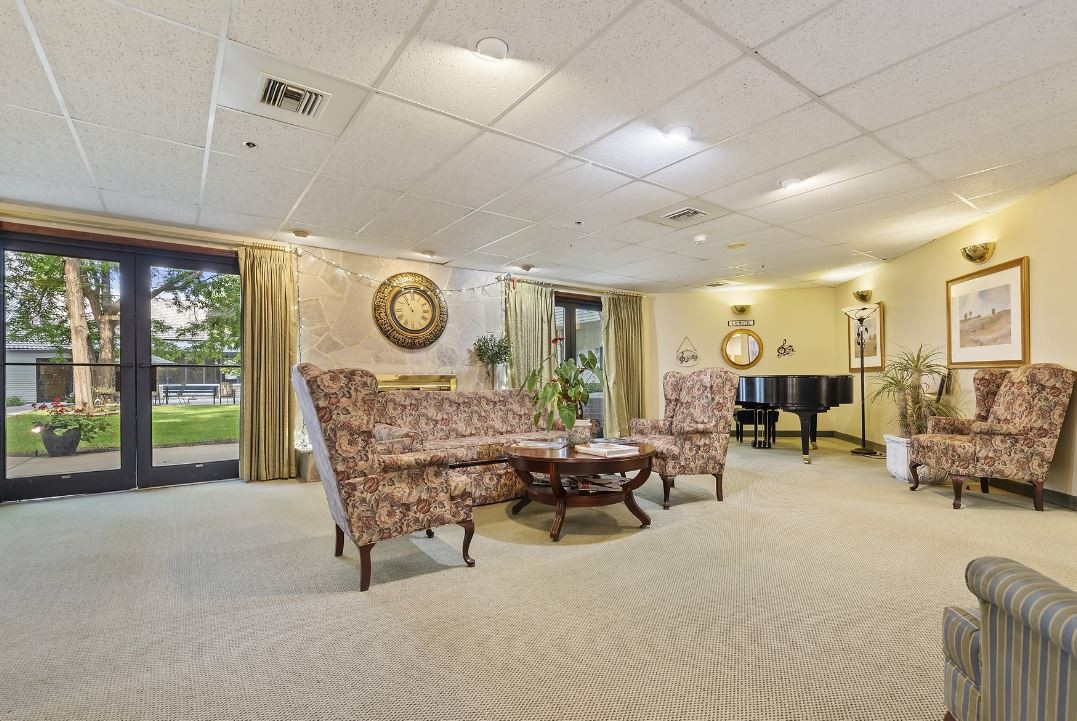
    A cozy living room featuring a floral sofa, coffee table, and a piano in the background.
  • Building

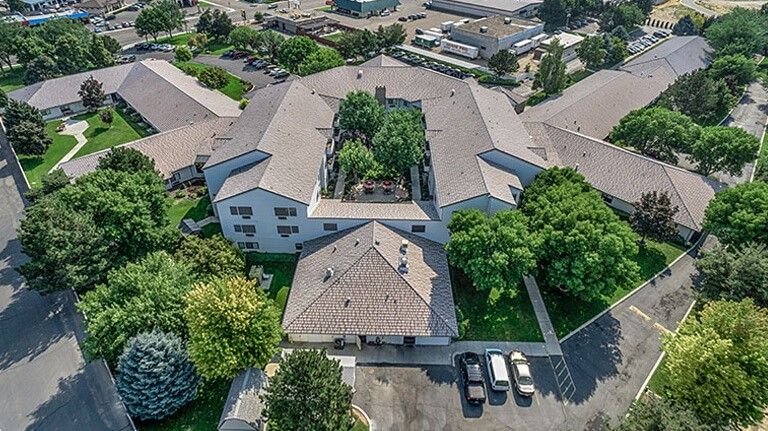
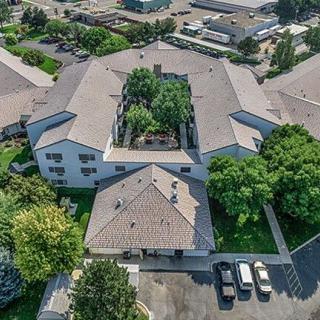
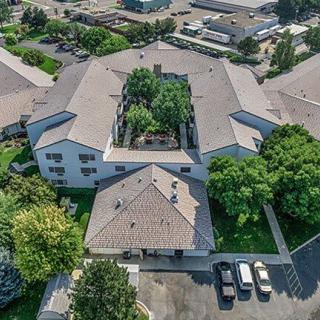
    Aerial view of a residential complex surrounded by trees and a parking lot.
  • Architecture

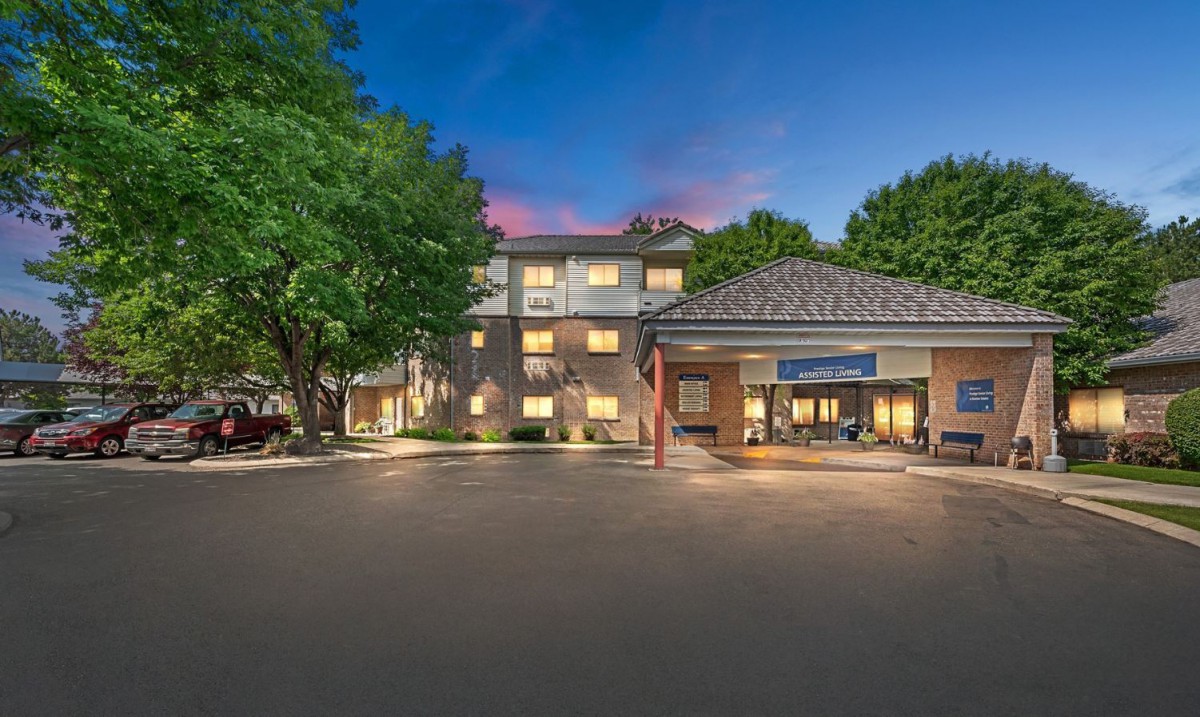
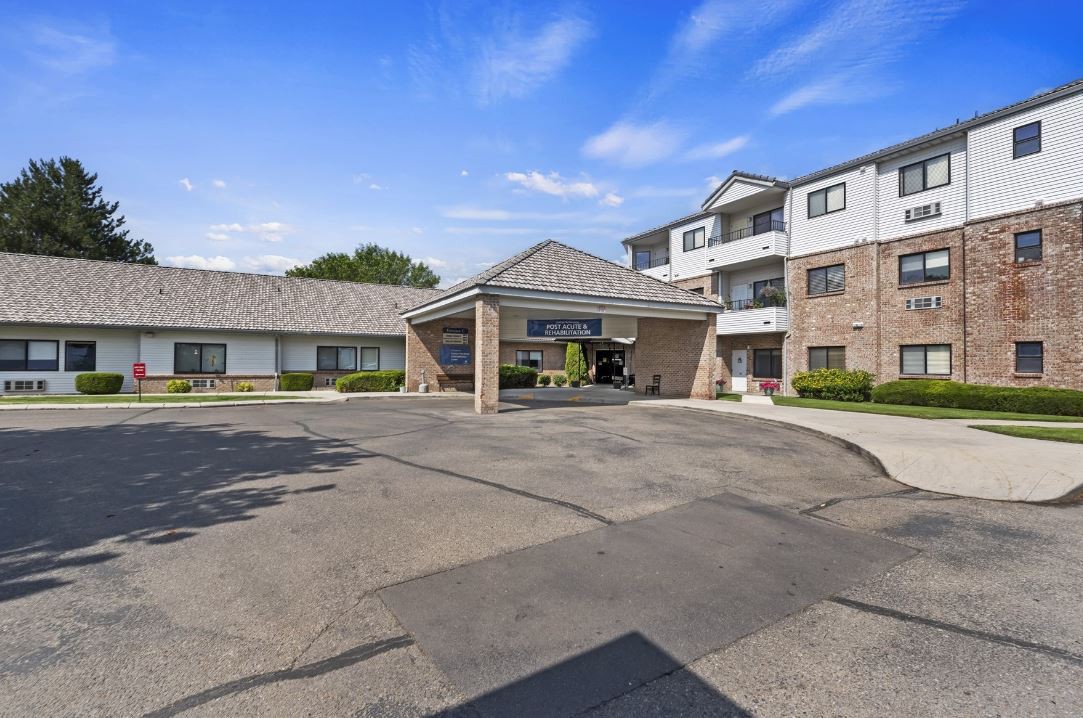
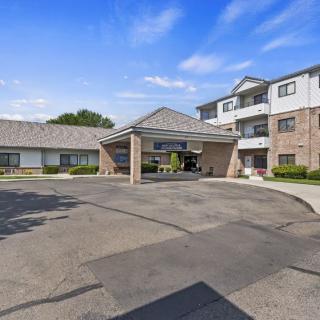
    A residential apartment complex with a prominent entrance and spacious parking area.
  • Trees

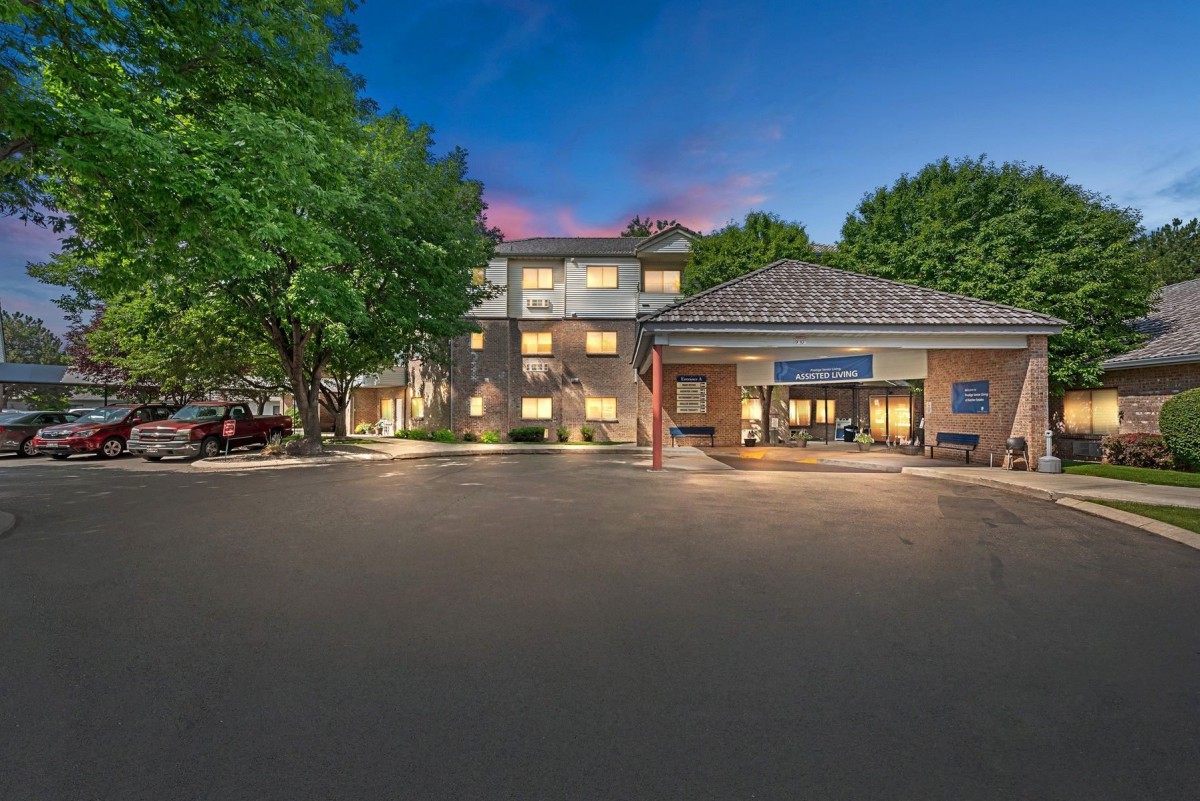
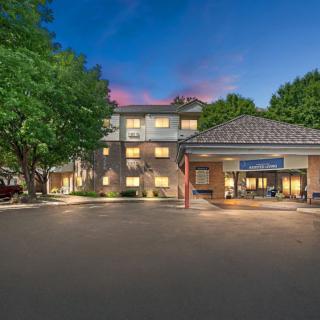
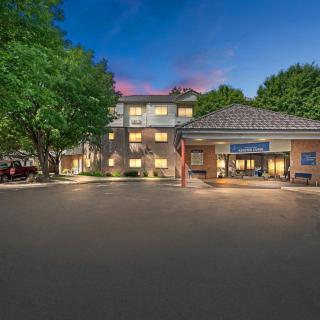
    A well-lit building entrance surrounded by trees at dusk.
  • Windows

    A bright and spacious dining area with large windows allowing natural light to fill the room.
  • Dining

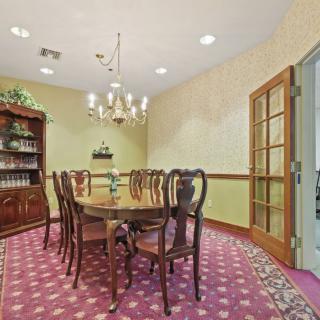
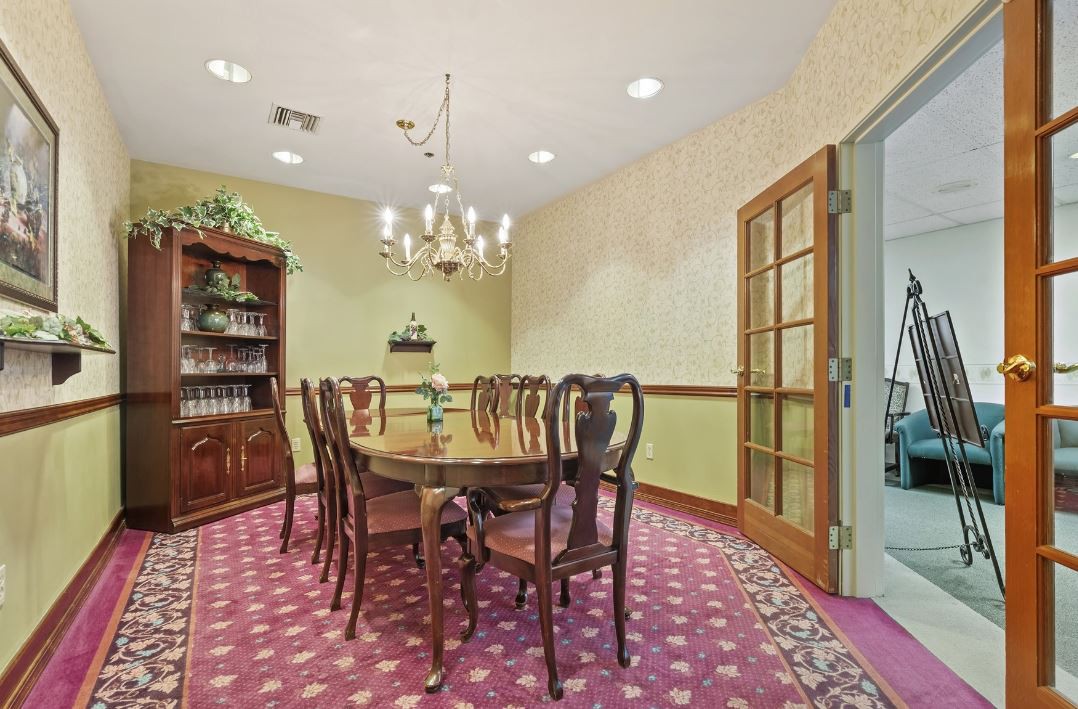
    A formal dining room with an elegant wooden table and chairs, a chandelier overhead, and a patterned carpet underfoot.
  • Entrance

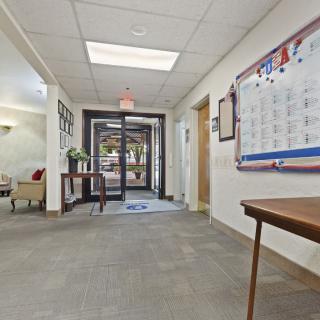
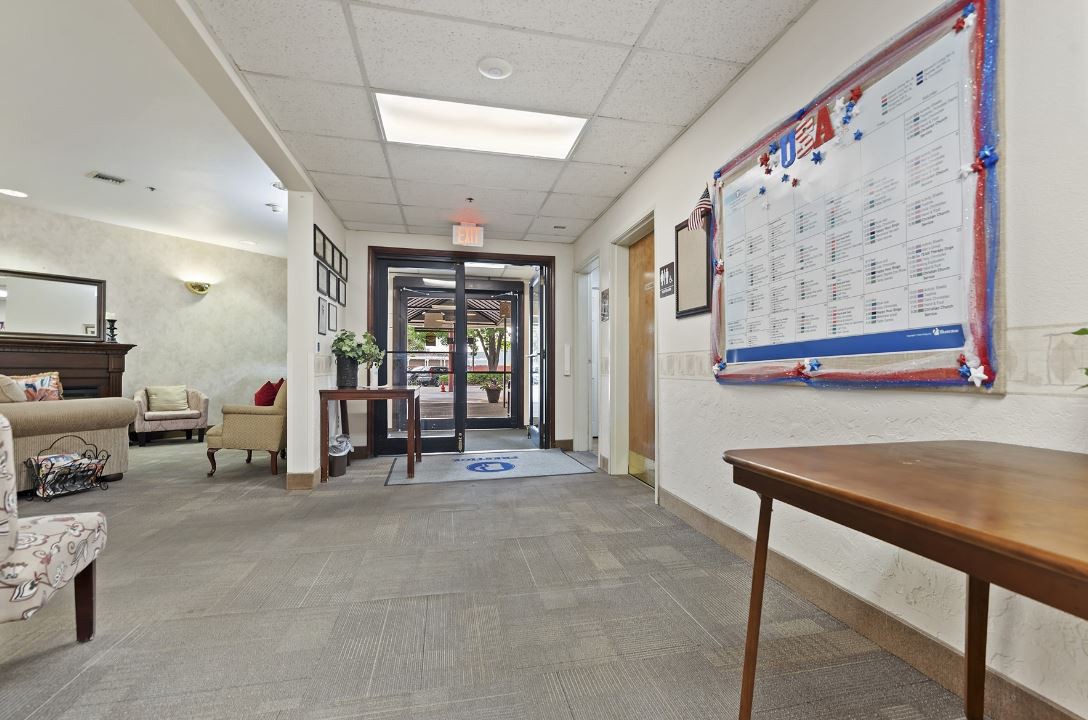
    A spacious office hallway with an entrance door and a wall-mounted calendar.
  • Bookshelves

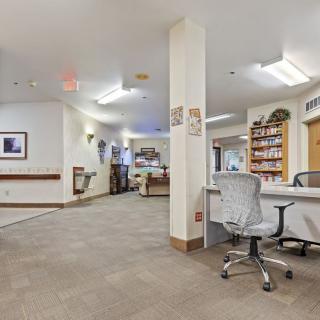
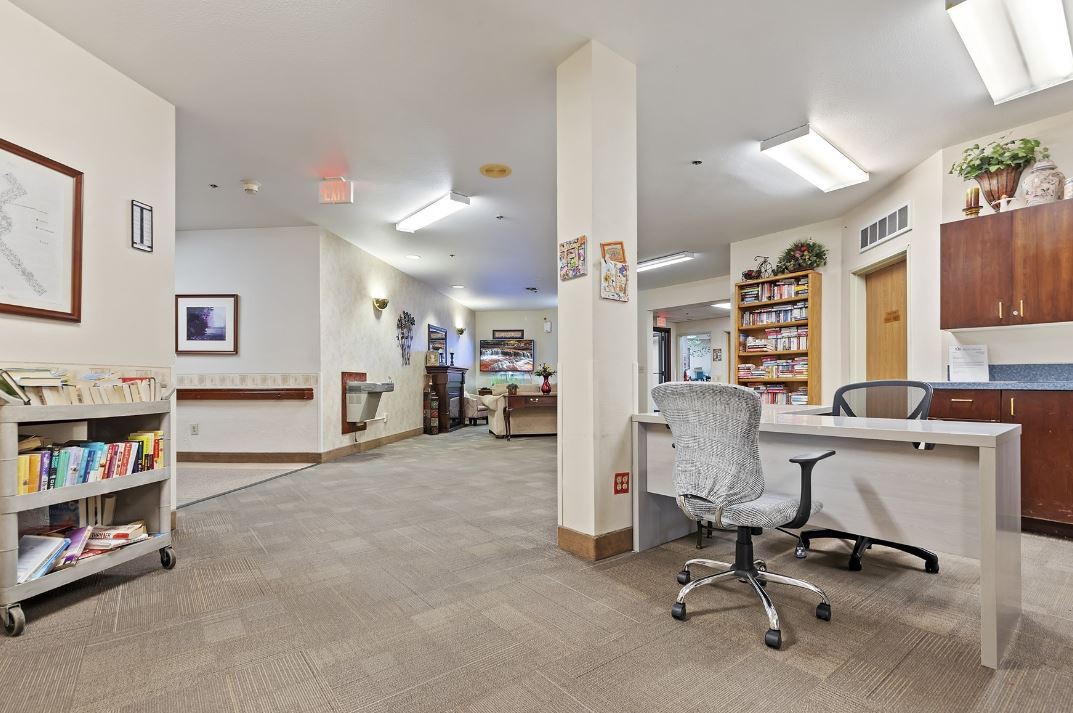
    A spacious office interior with desks, chairs, and bookshelves in a reception area.
  • Flag

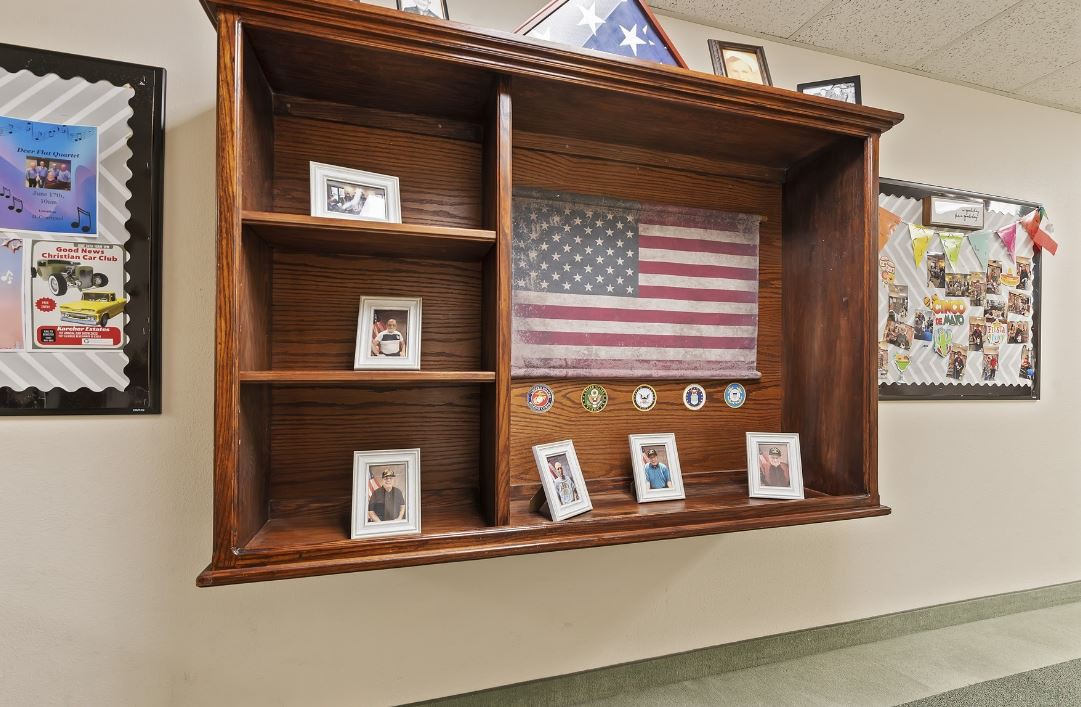
    A wooden display case featuring an American flag, photographs, and military medals.
  • Lights

    An illuminated hotel building with a parking area at dusk.

Prestige Senior Living At Karcher Estates in Nampa, ID

Information last verified:

1127 Caldwell Boulevard, Nampa, ID 83651

For more information about senior living options: (844) 490-3973

4 from 88 reviews
5 stars
50
4 stars
14
3 stars
7
2 stars
5
1 stars
12

Overall Review of Prestige Senior Living At Karcher Estates

Pros

  • pro The community sets the standard for compassionate, high-quality senior care.
  • pro The staff are knowledgeable, attentive, and genuinely invested in residents’ well-being.
  • pro Residents receive personalized care, dignity, and respect at every level.
  • pro Families have real peace of mind knowing loved ones are safe, supported, and treated like family.
  • pro The dining experience is excellent, with nutritious, well-prepared meals that feel home-cooked.
  • pro Engaging activities, social events, and wellness programs help residents stay active, connected, and fulfilled.
  • pro The community provides a balanced environment of independence and support.
  • pro The staff are friendly, caring, and genuinely dedicated to residents.
  • pro The facility is well maintained, clean, and welcoming.

Cons

  • pro They killed his uncle by not calling an ambulance when they should have.
  • pro They don’t care about their patients.
  • pro The facility is terrible and overpriced, described by some as a geriatric rent mill.
  • pro They are not equipped to take care of the elderly.
  • pro The facility is severely understaffed and hard to reach.
  • pro The front desk staff ignored visitors and were unfriendly.
  • pro Care for oxygen patients is neglected and medications are given sporadically, reflecting extreme understaffing.
  • pro Management is horrible; the lower staff are great but managed horribly.
  • pro Rent is incredibly expensive with large annual increases, and meals have tiny portions.

Review

Prestige Senior Living at Karcher Estates in Nampa is best suited for families seeking a true continuum-of-care campus where independent living, assisted living, memory care, and rehab sit under one roof. The community rewards residents with a warm, engaging environment, a clearly resident-centered approach, and staff who consistently demonstrate attentiveness, dignity, and respect. For seniors who value personalized care and daily opportunities to stay connected with activities, social events, and wellness programs, Karcher Estates offers a balanced blend of independence and support. The campus design, well-maintained apartments, and inviting common spaces foster a sense of belonging, while the on-site dining and robust activity schedule provide meaningful structure that often reduces isolation and disengagement. This is a setting where families can feel confident that their loved ones are in a place that treats them like individuals, not numbers, and where care plans can evolve without disruptive moves.

Those who may want to consider alternatives include families facing tight budgets or strict Medicaid constraints, as several reviewers flag the monthly rents and annual increases as a major burden. The same affordability concern appears alongside questions about long-term value, given comments that some units and services are priced well above peers in the region. Prospective residents who prioritize the latest campus construction or brand-new interiors may also prefer other options, since Karcher Estates is an older facility that has been kept up but does not present as a new-build. Additionally, families with heightened concerns about staffing levels or inconsistent caregiving experiences should carefully vet current operating realities, as several accounts point to periods of understaffing and variability in care across wings and shifts. In short, while the community shines for many, it is not the obvious fit for those who cannot tolerate price volatility or doubts about staffing consistency over time.

The strongest arguments in favor of Prestige revolve around the real, day-to-day strengths of the frontline team and the atmosphere they create. Reviews repeatedly highlight knowledgeable, compassionate staff who are genuinely invested in residents’ well-being, with notable praise for how team members communicate, respond, and coordinate care across disciplines. Residents and families report clean facilities, comfortable apartments, appetizing meals tailored to dietary needs, and a broad menu of activities, from card games and puzzles to exercise classes and outings. The dining experience is regularly described as robust and homey, with staff who accommodate requests and ensure residents feel attended to during meals. The bottom-line value here is the sense that care is relationship-driven: staff know residents by name, families feel welcome, and the community cultivates a feeling of family and safety that can be hard to find elsewhere.

That said, the cons raised in the reviews are far from negligible, and they must be weighed with candor. A recurring concern is staffing: several accounts describe periods of being understaffed, with complaints that response times lag, administrative coverage falters, or some residents’ needs go unmet in peak times. Complaints about administration, particularly around staffing levels and turnover, undercut otherwise strong impressions and can erode confidence for families who must rely on this team for essential support. Price sensitivity compounds the dilemma; many prospective residents will find rent structures and increases challenging, especially when appetite for high-quality care is coupled with a fixed income. In addition, there are vocal criticisms about inconsistent care experiences and, in the most alarming statements, serious allegations regarding neglect. While these views should be weighed against the extensive positive feedback, they create legitimate guardrails for families performing due diligence.

When it comes to rehab and memory-care performance, impressions are mixed but often favorable. The rehab program is frequently praised for its therapists, nursing staff, and the integration of services that help residents regain strength and return home. Several families credit staff with the ability to coordinate appointments, manage wounds, and provide emotional support during recovery, which is a powerful advantage for those needing post-acute care or ongoing therapy. Memory care and assisted-living teams are described as patient and attentive, with residents who appear engaged and content. Yet, a handful of reviews caution that even within the same campus, experiences can diverge, suggesting that care quality may hinge on which shift is present, how caseloads are managed, and the degree of individual attention available at any given time. The take-away is clear: the rehab and memory-care offerings can be excellent when staffing aligns with resident needs, but they are not immune to the broader staffing and management realities described in other parts of the campus.

For families evaluating Prestige, the practical path is to insist on up-to-date conversations about current staffing levels, caregiver ratios, and the specific care plan for their loved one. Tour multiple neighborhoods on different days, speak with several frontline staff, and request to meet with a supervisor or the administrator to understand how they handle crisis-level needs, medication management, and emergency response. Probe the dining program for portion sizes and nutritional options if appetite is a concern, and assess whether the activity calendar aligns with the resident’s interests and energy. Confirm the availability of different apartment layouts, cooling and heating controls, and accessibility features, as well as the policy on rent escalations and what services are included in base rates versus add-ons. If Medicaid or other assistance is a consideration, verify eligibility and transition options early in the process to avoid sticker shock later.

In the end, Prestige Senior Living at Karcher Estates presents a compelling, practical option for families who want a single campus where care can adapt with the aging journey and where staff generally earn trust through consistent, respectful engagement. It is a community that rewards families who prioritize warmth, personal connection, and a proactive care philosophy, with real opportunities for social engagement and meaningful activity. However, the decision hinges on comfort with current staffing realities, price expectations, and the consistency of care across shifts. For those who can navigate the financial considerations and who want the security of a campus that can scale with needs, from independent living to rehab, the potential payoff is substantial. For families prioritizing low cost, maximum predictability in staffing, or the newest facility décor, more research may yield better-aligned choices. The clock is best spent evaluating current operations, speaking candidly with staff and residents, and ensuring the match between care goals and the everyday lived experience on campus.

Features

Housing

  • 22 resident community capacity 22 resident community capacity

Types of Care

  • Assisted Living Assisted LivingAssisted living facilities provide crucial support and care for seniors who may need help with daily tasks such as medication management, bathing, and meal preparation. These communities offer a safe and comfortable environment where seniors can maintain their independence while receiving the assistance they need to thrive in their golden years.
  • Independent Living Independent LivingIndependent living communities are important for seniors because they offer a safe and supportive environment where older adults can live independently while still having access to amenities and services that enhance their quality of life. These communities provide social opportunities, recreational activities, and assistance with daily tasks, promoting overall well-being and allowing seniors to maintain their independence for as long as possible.
  • Skilled Nursing Facility Skilled Nursing FacilitySkilled Nursing Facilities are crucial for seniors as they provide round-the-clock medical care, rehabilitation services, and assistance with daily activities. These facilities ensure that seniors receive the specialized care they need to maintain their health and well-being as they age.

Amenities

  • Beauty salon Beauty salonBeauty salons are important for seniors because they provide a space for them to feel pampered, socialize, and maintain their personal grooming and hygiene. Regular visits to a beauty salon can help boost seniors' self-esteem and overall well-being.
  • Cable or satellite TV Cable or satellite TVCable or satellite TV is important for seniors because it provides entertainment, news, and companionship, helping to combat loneliness and boredom. It also offers a wide range of programming options tailored to different interests and preferences.
  • Dining room Dining roomDining rooms are important for seniors as they provide a space for socialization, connection, and nutritious meals. They offer opportunities for residents to bond over shared meals, foster a sense of community, and promote healthy eating habits. Dining rooms also ensure that seniors have access to well-balanced meals tailored to their dietary needs and preferences.
  • Fully furnished Fully furnishedFully furnished senior living communities are important for seniors because they provide convenience, comfort, and a hassle-free moving experience. Seniors can easily settle into their new living space without the stress of having to buy and move furniture. This allows them to focus on enjoying their new home and community.
  • Gaming room Gaming roomGaming rooms are important for seniors as they provide a fun and engaging environment for socializing, cognitive stimulation, and physical activity. Games can improve memory, problem-solving skills, and overall mental well-being while fostering friendships and reducing feelings of isolation.
  • Garden GardenGardens are important for seniors as they provide a peaceful and therapeutic environment for relaxation, physical activity, and socialization. Being in nature has been shown to reduce stress, improve mood, and promote overall well-being. Gardens also offer opportunities for seniors to engage in gardening activities, which can improve mobility, flexibility, and cognitive function. Additionally, gardens create a sense of community and connection with others who share a passion for plants and outdoor spaces.
  • Housekeeping services Housekeeping servicesHousekeeping services are important for seniors because they help maintain a clean and safe living environment, promote independence, and reduce the risk of accidents or illnesses. Additionally, having assistance with household chores can alleviate physical strain and allow seniors to focus on other aspects of their well-being.
  • Kitchenette KitchenetteKitchenettes are important for seniors living in senior living communities because they provide the convenience and independence of being able to prepare simple meals and snacks in the comfort of their own living space. This can help promote a sense of autonomy and well-being for seniors, allowing them to maintain some level of control over their dietary choices and daily routines.
  • Move-in coordination Move-in coordinationMove-in coordination is important for seniors because it helps ease the transition into their new living environment. It ensures that all logistics, such as packing, organizing movers, and setting up utilities are taken care of, allowing seniors to focus on settling in and adjusting to their new home. Having a smooth move-in process can alleviate stress and anxiety, making the transition smoother and more enjoyable for seniors.
  • Outdoor patio Outdoor patioOutdoor patios are essential for seniors as they provide a safe and peaceful space for them to enjoy the outdoors, socialize with friends and family, engage in physical activity, and soak up natural sunlight which promotes overall well-being and mental health.
  • Outdoor space Outdoor spaceOutdoor spaces are important for seniors as they provide opportunities for physical activity, social interaction, exposure to natural light and fresh air, and a sense of connection to nature. Having access to outdoor spaces can improve overall well-being and quality of life for older adults living in senior communities.
  • Pet friendly Pet friendly"Pet friendly" senior living communities are important for seniors because pets provide companionship, reduce feelings of loneliness and depression, promote physical activity and mental stimulation, and offer a sense of purpose and responsibility. Pets can improve overall well-being and quality of life for seniors in many ways.
  • Private bathrooms Private bathroomsPrivate bathrooms are important for seniors in senior living communities because they provide independence, dignity, and comfort. Having a private bathroom allows seniors to maintain their personal hygiene routines without the need for assistance, promoting a sense of autonomy and privacy. Additionally, private bathrooms help prevent the spread of infections and provide a safe and clean environment for seniors to navigate safely.
  • Restaurant-style dining Restaurant-style diningRestaurant-style dining is important for seniors because it allows them to enjoy delicious, nutritious meals in a social and upscale setting. This enhances their dining experience, promotes healthy eating habits, and fosters socialization with fellow residents, ultimately contributing to their overall well-being and quality of life.
  • Telephone TelephoneTelephones are important for seniors as they provide a lifeline for communication with loved ones, emergency services, and healthcare providers. They offer a sense of security and independence, enabling seniors to stay connected and access assistance when needed.
  • Wi-Fi/high-speed internet available Wi-Fi/high-speed internet availableWi-Fi/high-speed internet is important for seniors to stay connected with loved ones, access online resources, and participate in virtual activities to combat feelings of loneliness and isolation. It also allows them to easily manage healthcare needs, access entertainment, and engage in lifelong learning opportunities.

Transportation

  • Boise Air Terminal (19 miles away) Boise Air Terminal (19 miles away)

Care Services

  • 24-hour call system 24-hour call system24-hour call systems are important for seniors because they provide peace of mind and immediate assistance in case of emergencies. This technology ensures that help is always available, promoting safety and security for elderly individuals living alone or in assisted living facilities.
  • 24-hour supervision 24-hour supervision24-hour supervision is important for seniors to ensure their safety, well-being, and access to immediate assistance in case of emergencies or health issues. This constant support provides peace of mind for both seniors and their loved ones, allowing them to age in place with dignity and security.
  • Activities of daily living assistance Activities of daily living assistanceActivities of daily living assistance are important for seniors because they provide essential support with tasks such as eating, bathing, dressing, and mobility. This assistance helps seniors maintain their independence, dignity, and overall quality of life as they age.
  • Assistance with bathing Assistance with bathingAssistance with bathing is crucial for seniors as it helps maintain personal hygiene, prevents infections, and ensures their overall well-being and comfort. It also provides a sense of dignity and independence for seniors who may struggle with this task on their own.
  • Assistance with dressing Assistance with dressingAssistance with dressing is important for seniors because it helps maintain their independence, promotes personal hygiene, prevents accidents and injuries, and improves overall quality of life. This service ensures that seniors can continue to dress comfortably and confidently, despite any physical limitations they may have.
  • Assistance with transfers Assistance with transfersAssistance with transfers is crucial for seniors as it helps prevent falls and injuries, maintains their independence, and ensures they can safely navigate their living environment. It also provides peace of mind for both seniors and their loved ones.
  • Coordination with health care providers Coordination with health care providersCoordination with health care providers is crucial for seniors to ensure proper medical care, medication management, and overall well-being. This collaboration helps prevent overlapping treatments, track progress more effectively, and provide comprehensive support tailored to individual needs.
  • Diabetes diet Diabetes dietA diabetes diet is crucial for seniors as it helps manage blood sugar levels, reduce risks of complications, and improve overall health and well-being. By following a balanced and nutritious diet tailored to their specific needs, seniors can better control their diabetes and enhance their quality of life.
  • Hospice waiver Hospice waiverHospice waivers are important for seniors because they allow individuals to receive specialized end-of-life care and support at home or in a hospice facility. This waiver ensures that seniors can access the necessary resources and services to maintain comfort and dignity during their final days.
  • Meal preparation and service Meal preparation and serviceMeal preparation and service are crucial for seniors as they may have limited mobility or energy to cook nutritious meals. Having access to healthy and convenient food options can ensure they are getting the proper nutrition needed to maintain their overall health and well-being.
  • Medication management Medication managementMedication management is crucial for seniors to ensure they are taking the right medications at the correct dosages and times. This helps prevent adverse drug interactions, reduces the risk of medication errors, and promotes overall health and well-being. Proactive management also allows for adjustments as needed based on changing health conditions or new prescriptions.
  • Mental wellness program Mental wellness programMental wellness programs are essential for seniors as they promote cognitive stimulation, emotional support, and social engagement. These programs help prevent isolation, depression, and cognitive decline, ultimately enhancing the overall quality of life for older adults.
  • Respite program Respite programRespite programs provide short-term relief for family caregivers and allow seniors to receive temporary care in a safe and supportive environment. These programs help prevent burnout among caregivers, promote socialization for seniors, and offer a break from the challenges of daily caregiving responsibilities.
  • Special dietary restrictions Special dietary restrictionsSpecial dietary restrictions are important for seniors because age-related changes in metabolism and health conditions can make it difficult for their bodies to process certain foods. By following a diet tailored to their specific needs, seniors can maintain their overall health and well-being, manage chronic conditions, and reduce the risk of complications such as malnutrition or food interactions with medications.
  • Transportation arrangement (medical) Transportation arrangement (medical)Transportation arrangements for medical purposes are essential for seniors as they may have difficulty driving themselves to appointments or accessing public transportation. Having reliable and safe transportation options ensures that seniors can receive timely medical care and maintain their health and well-being.
  • Transportation to doctors appointments Transportation to doctors appointmentsTransportation to doctors' appointments is crucial for seniors as it ensures they have access to necessary medical care and support for their health needs. Without reliable transportation, seniors may struggle to attend important appointments, leading to potential delays in treatment and health complications. Providing transportation services helps seniors maintain their overall well-being and quality of life.
Dining

  • Diabetes diet Diabetes dietA diabetes diet is crucial for seniors as it helps manage blood sugar levels, reduce risks of complications, and improve overall health and well-being. By following a balanced and nutritious diet tailored to their specific needs, seniors can better control their diabetes and enhance their quality of life.
  • Special dietary restrictions Special dietary restrictionsSpecial dietary restrictions are important for seniors because age-related changes in metabolism and health conditions can make it difficult for their bodies to process certain foods. By following a diet tailored to their specific needs, seniors can maintain their overall health and well-being, manage chronic conditions, and reduce the risk of complications such as malnutrition or food interactions with medications.

Activities

  • Community-sponsored activities Community-sponsored activitiesCommunity-sponsored activities are important for seniors as they provide opportunities for social interaction, mental stimulation, and physical activity. These activities can help improve overall well-being, combat loneliness and isolation, and promote a sense of belonging and purpose among older adults.
  • Resident-run activities Resident-run activitiesResident-run activities are important for seniors as they encourage social interaction, creativity, and a sense of autonomy. These activities empower seniors to stay engaged and active in their community while fostering meaningful connections with their peers.
  • Scheduled daily activities Scheduled daily activitiesScheduled daily activities are important for seniors because they provide structure, socialization, mental stimulation, and physical activity. Engaging in regular activities can improve overall well-being and quality of life for seniors living in a community setting.

Description

Prestige Senior Living At Karcher Estates in Nampa, ID is a vibrant assisted living community that offers a range of care services to meet the individual needs of our residents. With both Independent Living and Skilled Nursing Facility options available, we provide personalized care and support for our residents.

Our community boasts an array of amenities designed to enhance the quality of life for our residents. Each apartment is fully furnished and includes cable or satellite TV, a private bathroom, and Wi-Fi/high-speed internet access. Residents can enjoy delicious meals in our restaurant-style dining room and take advantage of additional assistance with meal preparation and service if needed. Our on-site kitchenette enables residents to prepare snacks or light meals at their convenience.

We prioritize the mental and physical well-being of our residents by offering various activities and programs. Resident-run activities create opportunities for socializing and building connections with fellow residents, while scheduled daily activities ensure there is always something engaging to participate in. For those seeking tranquility, our garden, outdoor patio, and spacious outdoor space provide peaceful places for relaxation.

At Prestige Senior Living At Karcher Estates, we understand the importance of maintaining health care relationships. Therefore, we offer coordination services with health care providers, including transportation arrangements to medical appointments.

Our compassionate staff provides 24-hour supervision along with assistance in activities of daily living such as bathing, dressing, and transfers. Medication management ensures that medications are taken correctly, while diabetes diets can be catered to specific dietary requirements. We also offer a hospice waiver for individuals who require end-of-life care.

With multiple cafes, parks, pharmacies, physicians' offices, restaurants, places of worship nearby, as well as proximity to hospitals within the vicinity, our community provides easy access to amenities beyond our campus.

Prestige Senior Living At Karcher Estates is committed to creating a warm and welcoming environment where seniors can live comfortably while receiving the support they need.

Nearby Places of Interest

Restaurants

  • Taco Bell (0.1 miles)
  • Applebee's (0.3 miles)
  • TGI Friday's (0.7 miles)
  • Jalapeno's Mexican Restaurant (0.7 miles)
  • The Habit Burger Grill (0.7 miles)
  • Sodalicious (0.8 miles)
  • Crumbl Cookies - Nampa (0.8 miles)

Cafes

  • Starbucks (0.2 miles)
  • Espressoly Yours (0.4 miles)
  • Dutch Bros Coffee (0.8 miles)
  • Flying M Coffee Garage (2.5 miles)
  • Dutch Bros Coffee (2.9 miles)
  • Starbucks (3.3 miles)
  • Moxie Java (3.6 miles)

Hospitals

  • Davita Healthcare (0.3 miles)
  • St Luke's Center for Breast Imaging (1.3 miles)

Pharmacies

  • CVS Pharmacy (0.8 miles)
  • Albertsons Pharmacy (2.3 miles)
  • Walgreens (2.4 miles)
  • Walmart Pharmacy (2.5 miles)
  • Walmart Pharmacy (3.3 miles)
  • Caremark Rx (3.4 miles)
  • Good Neighbor Pharmacy (3.4 miles)

Parks

  • Lions Park (1.1 miles)
  • The Park (5.4 miles)

Physicians

  • St Luke's Clinic Family Medicine: Nampa, W St Luke's Dr (1.2 miles)
  • St Luke's Clinic Occupational Health (1.3 miles)
  • St Luke's Clinic Obstetrics and Gynecology (1.3 miles)
  • Saint Alphonsus Medical Group Family Medicine (2.2 miles)
  • Chatterbox Pediatric Therapy Center (2.3 miles)
  • Primary Health Medical Group - South Nampa (3.2 miles)
  • Robert Buxton, DO (3.4 miles)

Places of Worship

  • Church of Jesus Christ of Latter Day Saints (2.4 miles)
  • College Church of the Nazarene (2.9 miles)
  • Crossroads Community Church (4.7 miles)
  • Iglesia Damasco (5.2 miles)
  • First Baptist Chruch of Caldwell (6 miles)
  • Boone Memorial Presbyterian Church (6 miles)
  • Northwest Yearly Meeting Caldwell (6 miles)

Frequently Asked Questions

Where is Prestige Senior Living At Karcher Estates?
What photos are available for Prestige Senior Living At Karcher Estates in Nampa, Idaho?

Nearby Communities

  • Karcher Estates

    Karcher Estates

    Nampa, ID

    4.1 from 73 reviews
    $2,400 to $3,425 / month

    pro Caring staff and an active, social community.
  • Brookstone Village Assisted Living

    Brookstone Village Assisted Living

    Nampa, ID

    4 from 16 reviews
    $1,700 to $2,850 / month

    pro Engaging activities and friendly staff in a clean, affordable setting.

  • Heron Place

    Heron Place

    Nampa, ID

    4.1 from 74 reviews
    $3,495 to $5,563 / month

    pro Small, friendly community with personalized care and engaging activities.

  • Silver Crest Estates II

    Silver Crest Estates II

    Nampa, ID

    3.9 from 36 reviews
     

    pro Excellent access to healthcare, pharmacies, dining, and places of worship nearby.

  • Orchards Of Cascadia

    Orchards Of Cascadia

    Nampa, ID

    4.2 from 105 reviews
    $4,620 to $5,130 / month

    pro Compassionate, patient staff with thorough care and a clean, activity-rich environment.

  • Meadow View Nursing

    Meadow View Nursing

    Nampa, ID

    4.6 from 114 reviews
     

    pro Excellent, attentive staff and effective rehabilitation programs.

  • Cascadia of Nampa

    Cascadia of Nampa

    Nampa, ID

    4.7 from 130 reviews
     

    pro Caring, friendly staff; clean facility; effective therapy services.

  • Streamside Assisted Living

    Streamside Assisted Living

    Nampa, ID

    4.2 from 98 reviews
    $2,000 to $2,150 / month

    pro Caring, attentive staff in a clean, well-maintained facility with engaging activities.

  • Wellspring of Cascadia

    Wellspring of Cascadia

    Nampa, ID

    1 from 4 reviews
     

    pro Convenient access to healthcare, dining, and local services, with on-site amenities like a beautician and meals.

Related Resources

  • when to move from assisted living to nursing home8 Key Indicators That Suggest It May Be Time to Transition from Assisted Living to Skilled Nursing Care

    The transition from assisted living to skilled nursing care is often prompted by complex medical needs that assisted living cannot meet, with key indicators including frequent health declines, increased falls, severe memory issues, and caregiver burnout. Families should recognize these signs early to discuss options with healthcare providers and prepare for the emotional and logistical aspects of moving to a facility that offers comprehensive medical support.

  • active senior livingVibrant Senior Living: A Comprehensive Guide for Active Older Adults

    Vibrant Senior Living emphasizes active senior living communities that promote independence and engagement through diverse amenities and activities, fostering wellness and social interaction among older adults. These communities range from independent to assisted living, with a focus on personal growth, family involvement, financial planning, and leveraging technology to enhance residents' experiences.

  • when to move from assisted living to memory careWhen to Transition from Assisted Living to Memory Care: Key Indicators, Steps, and Finding the Right Community
    Transitioning from assisted living to memory care is driven by an individual's cognitive decline and specific needs, requiring careful evaluation of indicators like increased confusion and wandering. The process involves consulting medical professionals, researching suitable communities, considering financial and legal aspects, and ensuring effective communication for personalized care plans.