
1401 North Polk Street, Moscow, ID 83843
For more information about senior living options: (866) 208-4318
Palouse Hills Assisted Living Costs & Pricing
At Palouse Hills Assisted Living, the costs for various room types are competitively set, particularly when compared to the broader rates in Latah County and across Idaho. For both studio and semi-private rooms, residents can expect to pay $2,462 per month - this rate aligns with the local county costs but remains notably lower than the state average of $3,213 for a studio and $3,026 for a semi-private room. Additionally, the cost for a one-bedroom unit at Palouse Hills is set at $3,070, which again positions it favorably against the Idaho average of $3,774. This pricing structure reflects Palouse Hills' commitment to providing affordable yet quality assisted living options that cater to the needs of its residents while remaining accessible within the region.
| Floor plans | Palouse Hills Assisted Living | Latah County | Idaho |
|---|---|---|---|
| Studio | $2,462 | $2,462 | $3,213 |
| Semi-Private | $2,462 | $2,462 | $3,026 |
| 1 Bedroom | $3,070 | $3,070 | $3,774 |
Memory care communities with a similar price nearby
-
from +$488 / mo
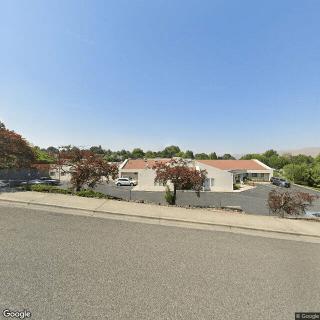
Wedgewood Terrace Provident Resources Group
$2,950 to $3,950 / month24.3 miles away -
About the same
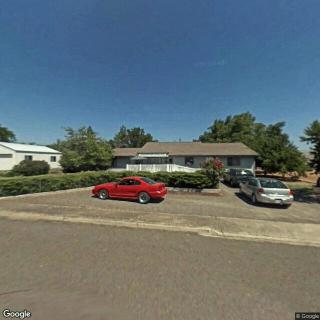
Pleasant Valley Shelter
$2,500 / month23.9 miles away
Overall Review of Palouse Hills Assisted Living
Pros
 Palouse Hills is a nice facility with dedicated staff and lower costs.
- The turnover is very low, with long-tenured staff.
- The facility's new look is great, and the staff and residents are happy.
- The father loves it there and is doing very well.
- The caregivers are amazing and do a very good job of caring for residents.
- The administrator is active and participates in many activities.
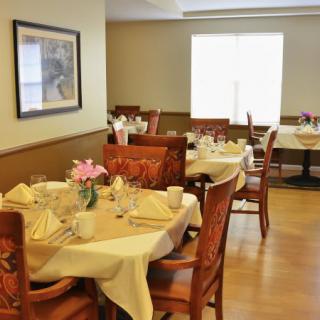
- The meals are good.
- The community is cheerful and caring, invested in residents' well-being.
Cons
 The reviewer claimed the mother developed bed sores and that social security checks were taken after she was moved out.
- They wondered who else the facility might be taking social security from.
- The reviewer found the facility very expensive and noted Medicare wasn’t accepted.
- They were not impressed with the staff training.
- They were disappointed with the quality of the food most of the time.
- They stated there should be more real nurses handling medications.
Review
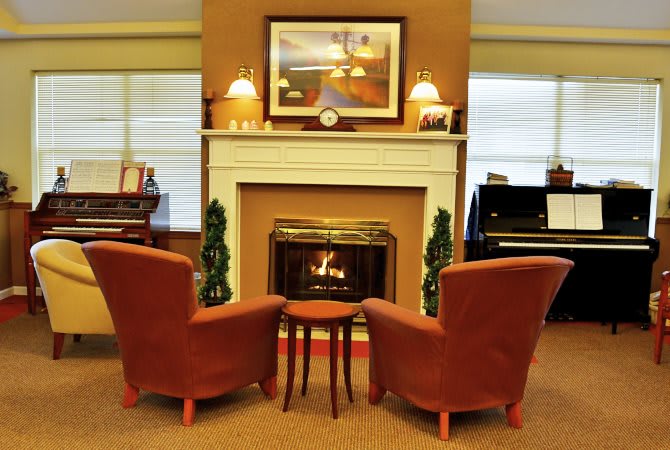
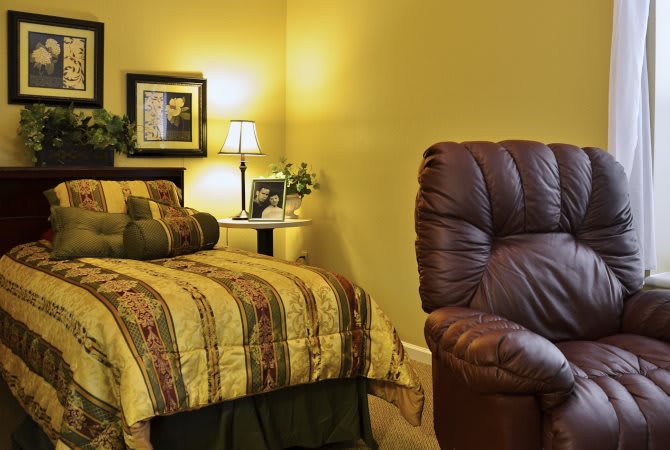
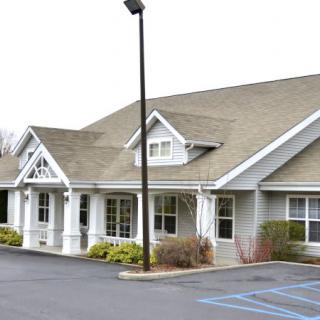
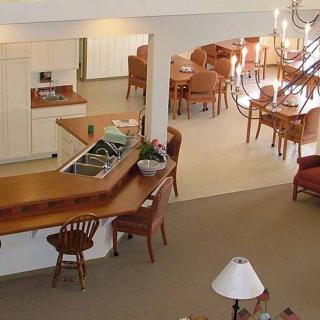
Palouse Hills Assisted Living in Moscow is best suited for seniors who want affordability paired with a warm, community-focused atmosphere. It fits families pursuing a budget-conscious option that still emphasizes social engagement, regular activities, and a home-like environment. The facility tends to be clean, with a fresh look that reinforces a welcoming vibe. A long-tenured operator and a surprisingly low staff turnover mean residents often see familiar faces during care moments, and a large cadre of volunteers expands the sense of connectivity and daily interaction. Those who value a steady routine, accessible activities, and a supportive peer network will likely feel at home here, provided care needs stay within the community’s scope.
Alternatives are worth considering for families prioritizing Medicare coverage or robust nursing oversight. Palouse Hills does not accept Medicare, and several reviews flag inconsistent staff training and variable medication handling. For residents requiring frequent medical interventions, skilled nursing, or a facility with stronger clinical governance, other options may deliver greater peace of mind. Potential residents should also scrutinize the financial practices closely, given at least one report alleging social security deductions after a move. If transparency on billing and a more formal care-management structure are non-negotiable, a different community may prove more reliable.
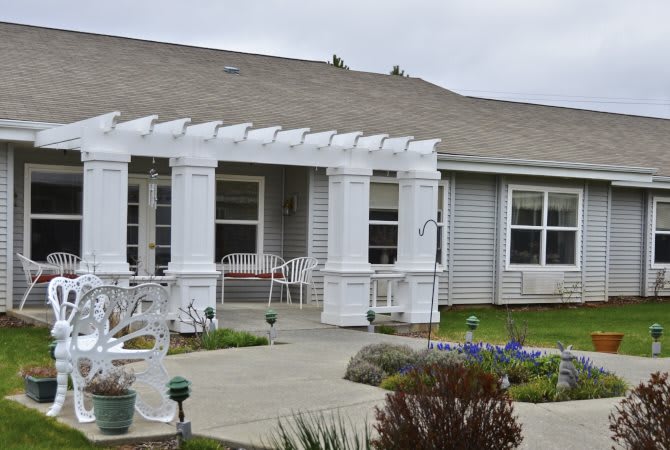
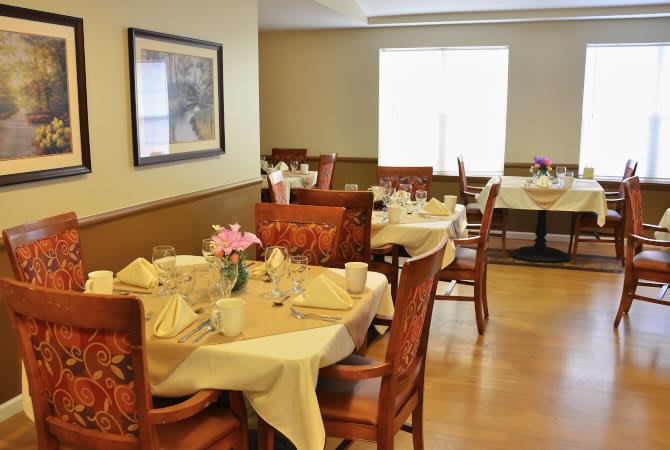
On the upside, affordability relative to nearby options stands out. The price point helps families stretch limited resources, especially when combined with low turnover and the presence of many volunteers, which supports a favorable staff-to-resident interaction. Residents consistently describe the atmosphere as cheerful and the premises well maintained. Caregivers are praised for their attentiveness and the overall quality of daily care, and families note a level of engagement from management, especially as the administrator has become more active in programming. A new facility appearance often pairs with improved morale among staff and residents, enhancing daily life and the likelihood of consistent routines and meals.
Yet meaningful concerns temper the optimism. A serious safety and ethical shadow appears in reports alleging bed sores and post-move social security deductions, signaling potential lapses in medical attention and prudent financial oversight. The price tag itself is repeatedly cited as high for the value delivered. Training of staff and reliance on non-nurse personnel for medication administration raise questions about clinical rigor and safety. The administration, while improving under new leadership, has had early missteps that residents’ families must monitor actively. Food quality is a mixed bag in reviews, with some positive notes, and others pointing to inconsistent dining experiences. These issues collectively argue for careful, hands-on due diligence before a move.
Overall, the strong social framework and consistent staffing resources partially offset the risk areas, but not completely. The volunteer-driven support and long-tenured team contribute to steadiness and a sense of community that many families seek, and the clean, cared-for environment reinforces comfort and routine. However, the absence of Medicare coverage, concerns about billing integrity, and variable clinical oversight limit the degree to which affordability can compensate for gaps in medical governance. Prospective residents should verify how medications are managed, request detailed staffing qualifications, and insist on clear, written policies regarding finances and discharge planning. Without that clarity, the positives risk being outweighed by preventable problems.
In decision-making terms, Palouse Hills is a viable choice for budget-conscious families who prioritize social interaction, a stable staff presence, and a pleasant living environment, provided diligent verification is performed. It suits residents who can function with moderate medical needs and whose families are prepared to monitor billing practices and care quality closely. Alternatives should be on the table for those who require Medicare coverage, stronger clinical oversight, or more rigorous governance. If this community is pursued, schedule extended visits, speak with residents and caregivers multiple times, and demand a formal care plan with measurable outcomes. That due diligence turns a reasonable option into a solid, informed decision.
 22 resident community capacity
 Assisted Living
 Board and Care Home
 Memory Care
 Cats allowed
 Dogs allowed
 Activities off-site
 Air-conditioning
 Bath tubs
 Beautician on-site
 Cable or satellite TV
 Devotional services on-site
 Dining room
 Fully furnished
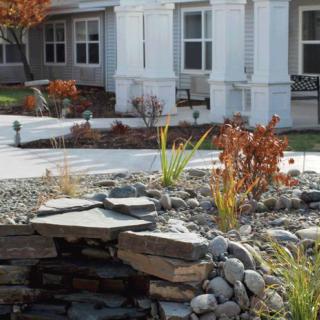
 Garden
 Ground floor units
 Handicap accessible
 Housekeeping services
 Indoor common areas
 Kitchenette
 Move-in coordination
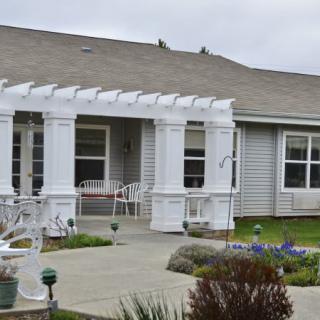
 Outdoor common areas
 Respite or short term stays offered
 Telephone
 Wheelchair accessible showers
 Wi-Fi/high-speed internet available
 24-hour call system
 Assistance with bathing
 Assistance with dressing
 Assistance with transfers
 Diabetes diet
 Diabetic care
 Hospice waiver
 Incontinence care
 Meal preparation and service
 Medication management
 Mental wellness program
 Special dietary restrictions
 Transportation arrangement (medical)
 Transportation to doctors appointments
 BBQs or picnics
 Birthday parties
 Day trips and outings
 Educational speakers / life long learning
 Happy hour
 Live musical performances
 Pet-focused programs
 Wii bowling

 22 Remarkable Caregiver Support Groups Available Online and In-Person
 Understanding Medicaid Coverage for Assisted Living: A Comprehensive Guide
 How and When Medicaid May Cover Assisted Living Costs