



640 North Eisenhower Street, Moscow, ID 83843
For more information about senior living options: (866) 208-4318
Overall Review of Good Samaritan Moscow Village Mickey Assisted Living Center
Pros
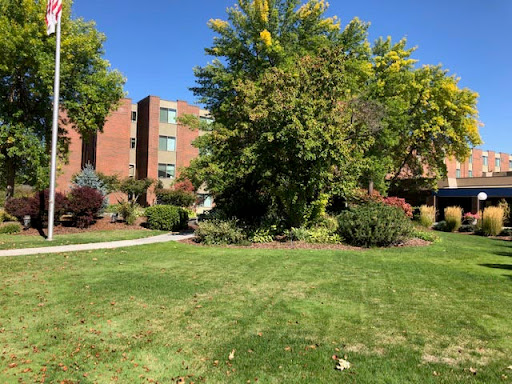
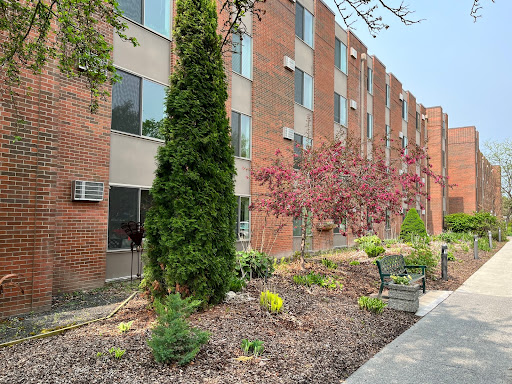
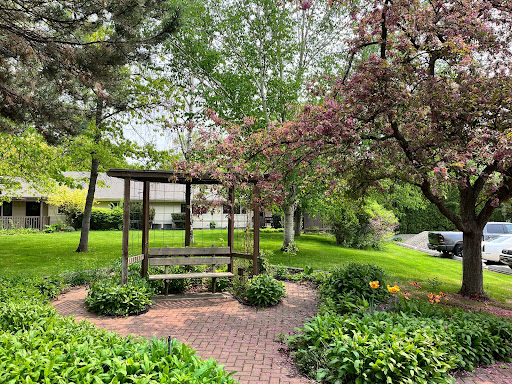
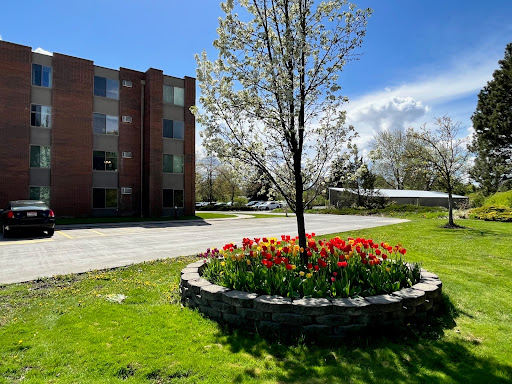
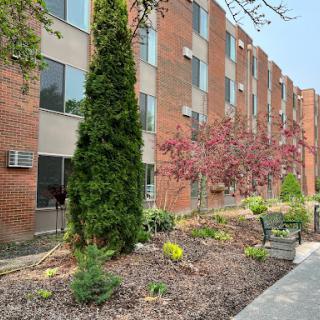
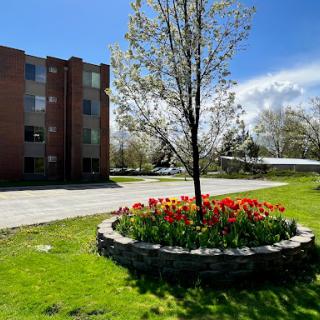
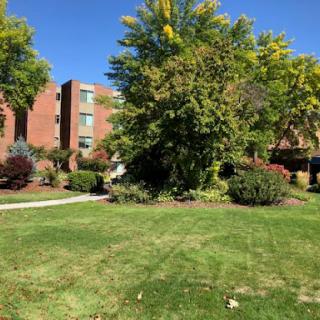
 The grounds are serene and inviting, with gardens, a large deck, and abundant plants for residents to enjoy.
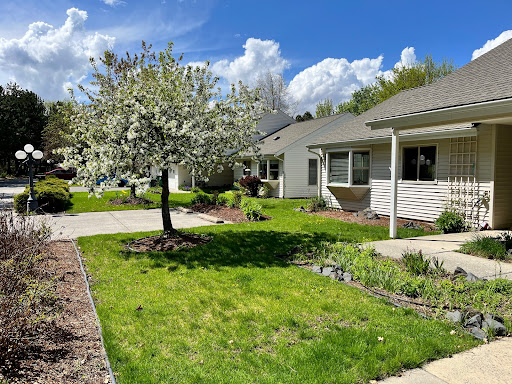
- The five duplexes are arranged in a circle, creating a homelike and pleasant layout.
- The library is large, the dining area is convenient, and there is a bus service to the shops, which enhances accessibility.
- The staff consistently treats residents with smiles, kindness, and respect, explaining questions in detail and offering helpful advice.
- The caregivers are diligent, caring, and loving, reflecting the facility’s mission that everybody is somebody loved by Christ.
- The two-room units provide comfortable living options, and the community offers movie nights, outings, and social activities.
- The overall environment is clean, welcoming, and friendly, with staff who help residents feel cared for and valued.
- Residents can maintain independence, such as going outside to the patio on their own, while still being treated with dignity.
Cons
 They didn't have a big social area or meeting place.
- There were no residents sitting around due to the virus.
- The food left a bit to be desired, and the diabetic meals weren't always up to par with what the rest of the residents were eating.
- He had an annoying roommate.
- The staff took their time responding to the call button, sometimes causing him to miss the restroom.
- The rooms seemed a little small.
Review
Good Samaritan Moscow Village is best suited for seniors who want a compact, neighborly setting where staff devotion to residents shows up in daily care, dignity, and a warm, faith-informed culture. It works well for those who value clean, well-kept grounds, a quiet campus layout, and easy access to town via an on-site bus. The “duplex circle” and garden areas create a home-like feel that supporters will appreciate, while still offering clear places for independence. For families prioritizing personal attention, manageable size, and a strong sense of community, this village delivers a reassuring level of consistency in everyday life and in how residents are treated.
On the upside, the strongest asset is the staff’s plain-spoken commitment to residents’ well-being. Across several accounts, caregivers are described as attentive, professional, and genuinely caring, often going the extra mile to explain care decisions, address questions, and treat every resident with respect. The same dedication is echoed by independent visitors who note a consistently clean, orderly environment and a culture that honors dignity, even for those who are challenging or demanding. The nursing and assisted living teams are praised for being hardworking and capable, with a mission-driven ethos that makes residents feel valued and understood. For families seeking reliable, compassionate day-to-day care, these operational strengths are hard to beat.
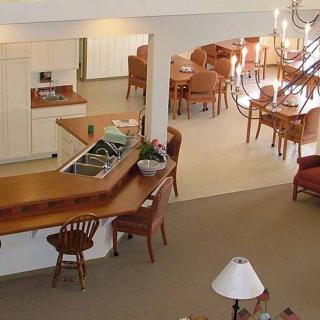
Equally important are the practical conveniences that support ongoing independence. The community features a large library and a central dining area, which help anchor social life without forcing residents into expansive, unfamiliar spaces. The town bus service expands mobility beyond the campus, allowing residents to participate in errands or social outings without driving themselves. The architecture, a compact footprint with accessible paths, keeps trips simple and reduces frustration for residents who may tire easily. For memory care or post-acute recovery scenarios, the available staff depth and continuity can yield a sense of safety and familiarity that’s hard to replicate in larger, flashier setups.
Yet several meaningful drawbacks temper the overall appeal. The facility is described as lacking a truly large social area or dedicated meeting space, making it feel more intimate than expansive, a potential shortfall for residents who crave constant group activities or bustling common areas. Some families report slow response times when call buttons are pressed, and occasional lapses in routine cleanliness or room upkeep, notably when a room assignment proves troublesome or when a roommate situation is disruptive. Food quality emerges as variable: while meals can be adequate and tailored when needed (including diabetic accommodations), several observers note room for improvement in taste, home-style satisfaction, and kitchen presentation. A few reviews also flag smaller room sizes and a rough-edged kitchen staff impression, which can influence overall satisfaction for those who prize savory, comforting meals and more private space.
These pros offset the cons most effectively where the resident values personal attention, safety, and a calm, orderly environment over expansive social programming or gourmet dining. The strong, respectful care culture reduces anxiety about daily health needs and can sustain a resident through recovery or aging with a sense of stability. The campus design and transport options mitigate isolation by enabling community participation with minimal friction. The faith-informed mission provides a unifying thread that many families find comforting, especially when frequent visits and meaningful interactions are priorities. In short, the positives anchor a living situation that can feel thoughtfully managed and dependable, which matters greatly when day-to-day comfort is paramount.
Alternatives should be considered by anyone who prioritizes highly active social life, larger shared spaces, or consistently high-quality meals. If a resident thrives on frequent group events, college-style common rooms, or robust, restaurant-like dining experiences, other communities with bigger common areas and stronger culinary programs may suit better. Families with residents who have more complex dietary needs or who require extremely prompt response times to calls should compare staffing models and menu options closely elsewhere. For memory care needs or specialized therapies, exploring facilities with dedicated memory care units and proven dementia programming may yield stronger fit. Price sensitivity is also a factor; two-room units around modest rent with optional meals may be attractive here, but other locales could offer different value propositions.
For families moving toward a decision, use the tour as a live test: ask about staff-to-resident ratios during peak hours, request a sample menu and a private dining experience with a diabetic option, and observe how quickly aides respond to call buttons in a real-time scenario. Inspect room sizes, storage, and the quietness of resident rooms; confirm whether roommate arrangements can be adjusted without friction. Probe the activity calendar for consistency and variety, and verify transportation schedules and town runs. If the answer to these checks aligns with a preference for attentive, respectful care in a calm, intimate setting, Good Samaritan Moscow Village stands out as a solid, practical choice that prioritizes dignity and dependable daily life over flashy amenities.
 22 resident community capacity
 Assisted Living
 Board and Care Home
 Skilled Nursing Facility
 Beauty salon
 Cable or satellite TV
 Dining room
 Fully furnished
 Garden
 Housekeeping services
 Kitchenette
 Move-in coordination
 Outdoor space
 Telephone
 Wi-Fi/high-speed internet available
 24-hour call system
 Activities of daily living assistance
 Assistance with bathing
 Assistance with dressing
 Assistance with transfers
 Diabetes diet
 Meal preparation and service
 Medication management
 Mental wellness program
 Special dietary restrictions
 Transportation arrangement (medical)
 Transportation to doctors appointments


 Is Assisted Living Deductible on Your Taxes? Understanding the Complexities of Assisted Living Expenses and Deductions
 Assisted Living Support for Veterans: A Complete and Detailed Overview
 Exploring the Contrasts Between Assisted Living and Skilled Nursing