Meadow View Assisted Living and Memory Care Costs & Pricing
Meadow View Assisted Living and Memory Care offers a range of pricing options that reflect the services and amenities provided to its residents. The cost for studio apartments ranges from $3,295 to $6,150, which is notably higher than the average costs in Gem County ($3,022) and Idaho as a whole ($3,213). Similarly, one-bedroom units at Meadow View are priced between $3,750 and $7,038, surpassing both local county ($3,916) and state averages ($3,774). For those considering semi-private accommodations, Meadow View's rate of $4,200 exceeds Gem County's average of $3,214 and Idaho's average of $3,026. Private rooms at Meadow View are priced at $4,650 while the respective averages in Gem County and Idaho stand at $4,197 and $3,906. Lastly, two-bedroom options are available for $4,950 compared to regional costs of $4,489 in Gem County and a lower state average of $3,599. This pricing indicates that Meadow View positions itself as a premium provider within the assisted living sector in this region.
Floor plans
Meadow View Assisted Living and Memory Care
Gem County
Idaho
Studio
$3,295 to $6,150
$3,022
$3,213
1 Bedroom
$3,750 to $7,038
$3,916
$3,774
Semi-Private
$4,200
$3,214
$3,026
Private
$4,650
$4,197
$3,906
2 Bedrooms
$4,950
$4,489
$3,599
Memory care communities with a similar price nearby
Overall Review of Meadow View Assisted Living and Memory Care
common28 reviews mention this
Staff compassion shows up most
Residents and families most often describe staff as compassionate and responsive.
Many reviewers say staff treat residents with kindness and respect, help with transitions, and stay in communication with families. Some also mention good responsiveness to concerns and a willingness to make adjustments when needs change. A smaller set of reviews counters this by describing staff as rude, unprofessional, or short-staffed, and a few describe neglect or harsh interactions.
common16 reviews mention this
Dining is mixed but often mentioned
Dining quality is a recurring topic, with both praise and complaints.
Several reviews describe meals as good, home-cooked, or a reason residents enjoy eating, and some note options for preferences. Others report problems like stale or gross food, low-quality meals, or dissatisfaction with what is served. The community offers meals and vegetarian options, and it also lists kosher dining.
common13 reviews mention this
Cleanliness and upkeep matter
Reviews frequently mention cleanliness, with occasional lapses called out.
Positive reviews describe a clean, well-kept building and rooms, with some adding that common areas look maintained and welcoming. Multiple reviewers also include “clean” or “super clean” as part of their overall impression. A few negative reviews mention issues such as bugs, not changing sheets, or poor bathroom cleaning.
common10 reviews mention this
Activities are engaging for many
Many residents and visitors say there are regular activities to join.
Numerous reviews describe activities like bingo, music, crafts, holiday events, and group games, with some saying outings and social time help residents stay active. The facility also lists on-site and off-site activities, including devotional services off-site. A few reviews dispute this by saying activities were poor or lacking, even alongside other concerns.
caveat4 reviews mention this
Memory care has major concerns
Some memory-care reviews raise serious issues around safety and care follow-through.
A set of reviews discussing memory care describes safety and care-management problems, including wandering, difficulty summoning help, weight loss, falls, and medication being given in a way the reviewer questioned. Another review about memory care is positive, saying the staff created a calming mealtime and residents seemed clean and engaged. Overall, memory care feedback is not consistent, ranging from supportive observations to significant safety complaints.
caveat2 reviews mention this
Pricing feels high to some families
Some families feel the pricing is high for the level of care they observed.
At least one reviewer said the community offers only a medium level of care while charging a high price. Residents also cite a broad price range, and while the listing includes costs relative to county and state benchmarks, reviews still reflect dissatisfaction for some families. No single review explains how price compares to what was ultimately delivered, beyond that concern about value.
How we summarize
Counts show how many written reviews mention each theme; a review can touch several themes, and only frequently mentioned themes are displayed.
Features
Types of Care
Assisted Living
Memory Care
Pets
Cats allowed
Dogs allowed
Amenities
Activities off-site
Activities on-site
Beautician on-site
Devotional services off-site
Indoor common areas
Outdoor common areas
Respite or short term stays offered
Wheelchair accessible showers
Transportation
Boise Air Terminal (25 miles away)
Care Services
Ambulatory care
Diabetic care
Incontinence care
Dining
Kosher
Meals provided
Vegetarian
Activities
Activities off-site
Activities on-site
Devotional activities offsite
Nearby Places of Interest
This part of Emmett, Idaho offers a convenient location with essential amenities within close proximity. There are several pharmacies nearby, ensuring easy access to medication and healthcare needs. A variety of dining options ranging from fast food to sit-down restaurants can be found within walking distance. Numerous places of worship provide spiritual support for seniors who may value religious activities. Additionally, there are cafes for socializing and enjoying a cup of coffee. Parks in the area offer opportunities for outdoor recreation and relaxation. Medical facilities including hospitals and physicians' offices are easily accessible for any healthcare needs. Transportation services are available for convenience, and overall, this neighborhood provides a combination of convenience and comfort for seniors considering living in the area.
Pharmacies
Albertsons Pharmacy (0.3 miles)
Walgreens (0.5 miles)
Ridleys Pharmacy (12.7 miles)
Ridley's Family Markets (12.8 miles)
Customedica Pharmacy (13.7 miles)
Walgreens (15.5 miles)
Restaurants
Sonic Drive-In (0.3 miles)
Efrens Mexican Food (0.4 miles)
Mongolian Grill of Emmett (0.4 miles)
Roe Ann Drive-In (0.4 miles)
Beijing Restaurant (0.4 miles)
Rumor Mill Bakery (0.5 miles)
La Costa (1 miles)
Places of Worship
General Conference Of Seventh-Day Adventists (0.4 miles)
Lutheran Church-Our Redeemer (0.5 miles)
Word Church (0.6 miles)
Valley Christian Assembly (0.6 miles)
Baha'i House Of Worship (0.9 miles)
Grace Baptist Church (1.8 miles)
Church of Jesus Christ of Latter Day Saints (2.6 miles)
Cafes
Blue Ribbon Cafe & Bakery (0.5 miles)
Eagle River Coffee (11.5 miles)
Starbucks (11.8 miles)
Dutch Bros Coffee (13 miles)
Starbucks (14.4 miles)
Black Rock Coffee Bar (14.6 miles)
Starbucks (14.7 miles)
Parks
Emmett Park (0.7 miles)
Emmett City Park (0.7 miles)
Black Canyon Park (5.6 miles)
Triangle Park (6.6 miles)
Middleton Harmon Park (12.5 miles)
Greater Middleton Parks & Recreation (12.6 miles)
Reid Merrill Park (14.4 miles)
Physicians
Black Canyon Family Medicine (0.7 miles)
Walter Knox Hospital (1 miles)
Emmett Medical Center (1 miles)
Zachary - Zachary Bastian Bastian MD (1 miles)
St Luke's Clinic Urology (1 miles)
Saint Alphonsus Medical Group Star Clinic Family Medicine (11.8 miles)
Meadow View Assisted Living and Memory Care offers a range of pricing options that reflect the services and amenities provided to its residents. The cost for studio apartments ranges from $3,295 to $6,150, which is notably higher than the average costs in Gem County ($3,022) and Idaho as a whole ($3,213). Similarly, one-bedroom units at Meadow View are priced between $3,750 and $7,038, surpassing both local county ($3,916) and state averages ($3,774). For those considering semi-private accommodations, Meadow View's rate of $4,200 exceeds Gem County's average of $3,214 and Idaho's average of $3,026. Private rooms at Meadow View are priced at $4,650 while the respective averages in Gem County and Idaho stand at $4,197 and $3,906. Lastly, two-bedroom options are available for $4,950 compared to regional costs of $4,489 in Gem County and a lower state average of $3,599. This pricing indicates that Meadow View positions itself as a premium provider within the assisted living sector in this region.
Incontinence care is a vital feature at Meadow View Assisted Living and Memory Care, as it addresses one of the common challenges faced by residents with dementia or Alzheimer's disease. This specialized care ensures that individuals are supported with dignity and respect during personal moments, thereby minimizing discomfort and potential health complications related to skin integrity and hygiene. By providing timely assistance, caregivers can help reduce anxiety and embarrassment for residents, fostering a more secure and comfortable environment. Additionally, consistent incontinence management contributes to the overall well-being of residents by allowing them to focus on social engagement, cognitive activities, and maintaining their independence, rather than worrying about their personal needs.
VA nursing homes, or Community Living Centers (CLCs), offer tailored long-term care for veterans, featuring medical attention and rehabilitation in a supportive environment. The guide covers facility types, eligibility criteria, financial assistance options, quality of care standards, and alternatives to full-time nursing home placement.
At-home dementia care expenses vary widely based on care levels, location, and caregiver expertise, with monthly costs for home health aides exceeding $4,500 and specialized care potentially surpassing $100,000 annually. While families favor in-home care for its comfort and personalized attention, they must consider financial planning and the challenges of caregiver fatigue.
The article discusses the late stages of dementia, detailing the progression from mild to severe impairment and highlighting key characteristics such as profound cognitive decline and dependency in daily activities. It emphasizes care strategies focused on comfort and dignity, the importance of advance directives, and the emotional support needed for family caregivers facing this challenging journey.
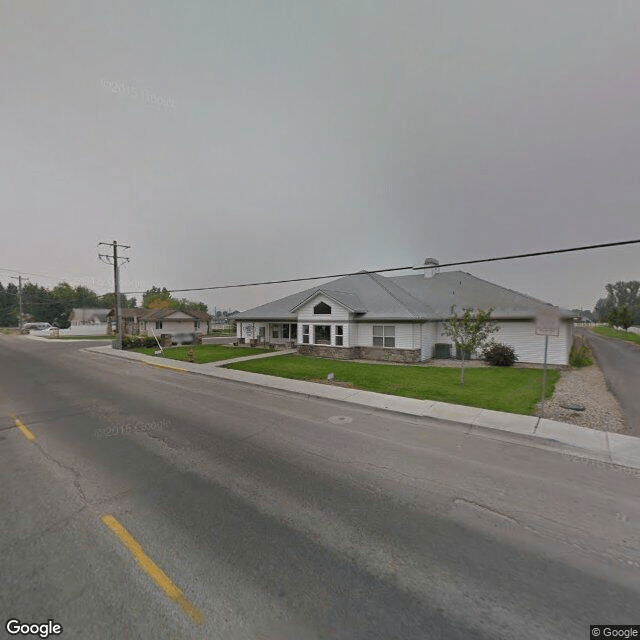
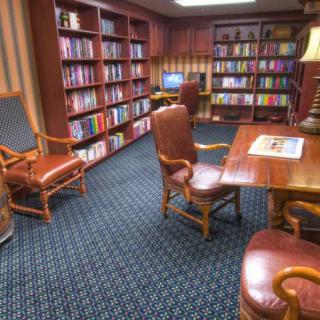
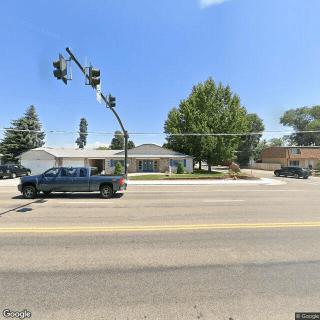
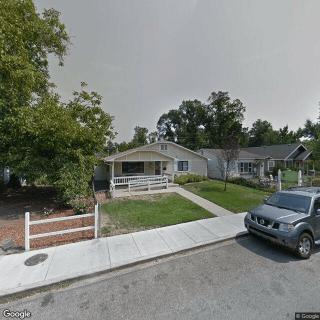
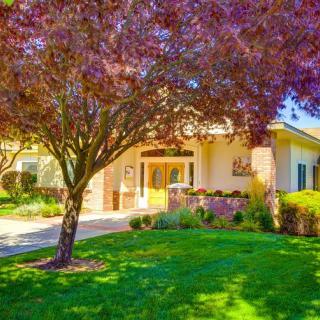
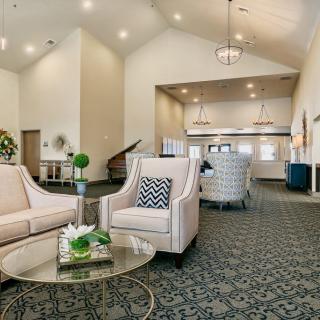
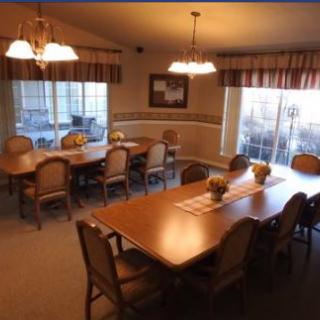
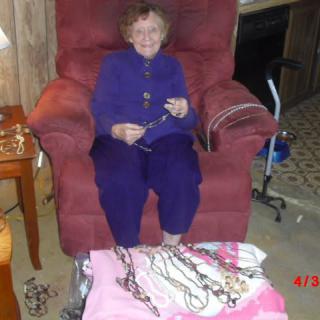
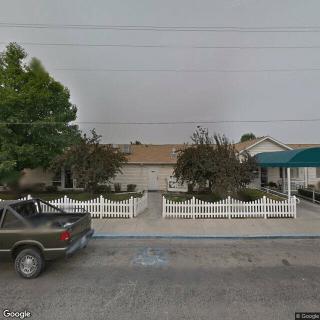
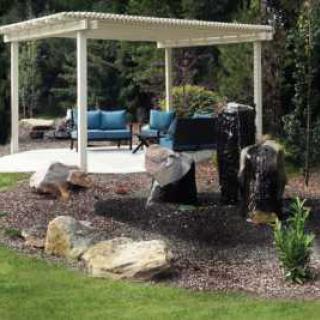
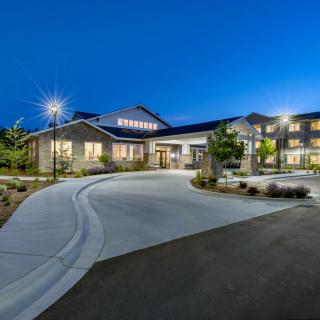
Meadow View Assisted Living and Memory Care photos
×
Get PricingAsk A QuestionSchedule A TourContact Senior Advisor
By clicking submit, you agree to our Partner's Terms of Use. You
also consent to receive calls and texts, which may be autodialed, from our Partner. Your consent is not a condition to
using our Partner's service. Please visit our Partner's Privacy Policy for information about their privacy practices.


 Assisted Living
 Memory Care
 Cats allowed
 Dogs allowed
 Activities off-site
 Beautician on-site
 Devotional services off-site
 Indoor common areas
 Outdoor common areas
 Respite or short term stays offered
 Wheelchair accessible showers
 Boise Air Terminal (25 miles away)
 Ambulatory care
 Diabetic care
 Incontinence care
 Kosher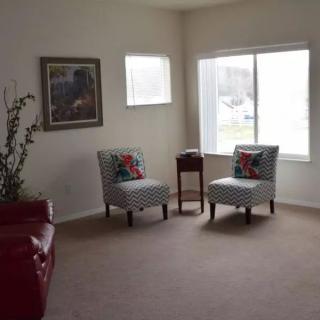
 Varied care levels (Independent, Assisted, Board & Care, Memory Care) with 24/7 supervision and coordinated healthcare.


 Comprehensive Guide to VA Nursing Homes: A Crucial Long-Term Care Resource for Veterans
 Estimating the Expenses of At-Home Dementia Care: A Detailed Exploration
 Comprehensive Insights on the Late Stages of Dementia: What to Expect and How to Provide Care