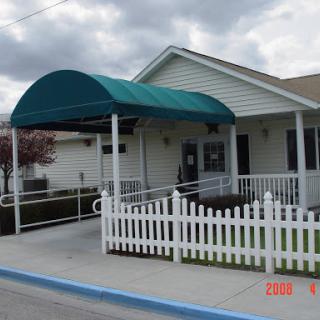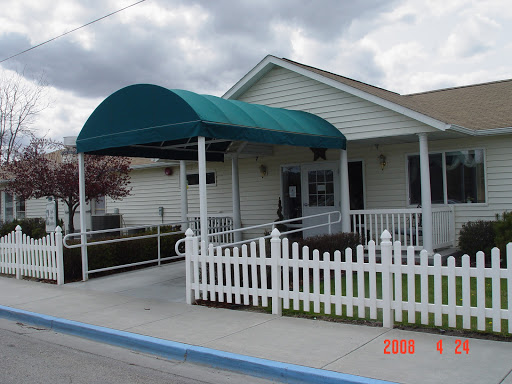
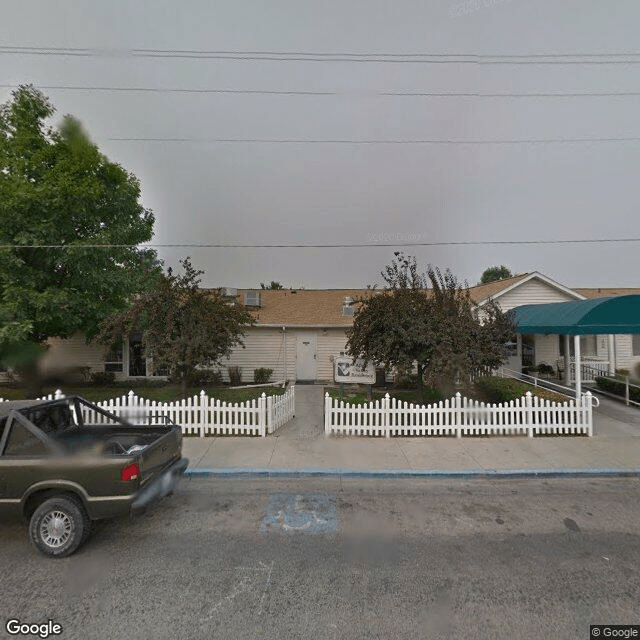
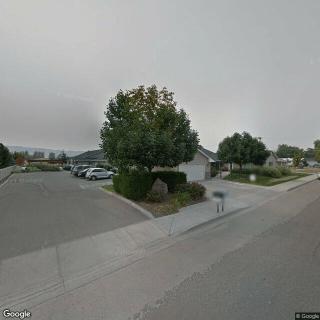
715 N Butte Ave, Emmett, ID 83617
To contact a resident: (208) 365-1497
For more information about senior living options: (866) 208-4318
Apple Valley Residence Costs & Pricing
Apple Valley Residence offers competitive pricing for its studio accommodations at $2,100 per month, making it an attractive option compared to the average costs in Gem County and across Idaho. In Gem County, studio units typically command a higher monthly rate of $3,022, while the state average reaches $3,213. This significant difference highlights Apple Valley Residence as a cost-effective choice for residents seeking quality living arrangements without the premium price tag found elsewhere in the region.
| Floor plans | Apple Valley Residence | Gem County | Idaho |
|---|---|---|---|
| Studio | $2,100 | $3,022 | $3,213 |
Assisted Living communities with a similar price nearby
-
from +$300 / mo
The Gables Assisted Living & Memory Care of Caldwell
$2,400 to $3,300 / month19.8 miles away -
from -$250 / mo
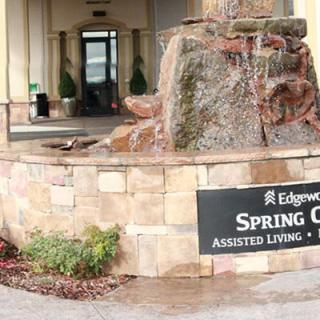
Edgewood Spring Creek Fruitland
$1,850 to $4,375 / month24.2 miles away -
from +$100 / mo

Foxtail Senior Living
$2,200 to $3,200 / month15.6 miles away -
from -$400 / mo

Spring Creek Eagle
$1,700 to $3,525 / month14.0 miles away -
from -$400 / mo
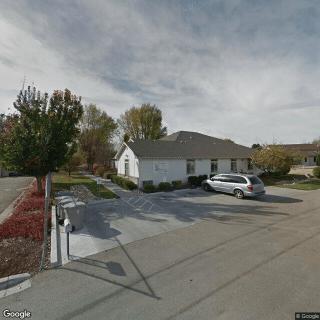
Brookstone Village Assisted Living
$1,700 to $2,850 / month20.4 miles away
Overall Review of Apple Valley Residence
Pros
 The staff at Apple Valley truly care about the residents and have a great heart for their work.
- The staff are amazing, efficient, caring, and friendly.
- The administration is straightforward and cooperative, showing care for residents.
- Apple Valley is one of the best facilities in Idaho, where people truly care about residents and treat everyone with honor.
- The leadership and staff put their heart and passion into their work, often staying after shifts or coming in on days off to support families.
- The facility is loving, family-oriented, low key, very clean, and provides complete, full care with hospice availability.
- The staff’s dedication includes staying late and helping families, even when a resident is declining in health.
- The facility is conveniently located near doctors, making it easy to care for residents and assist with appointments.
- Apple Valley is highly recommended as a loving, family-oriented, involved place for a family member.
Cons
 Staff members are rude and do not provide high-quality care.
- The administrator reportedly invoked a 15-day limit for a bedridden patient after keeping her for about 30 days, a move the reviewer described as distressing and inhumane.
- The reviewer warns others to be aware of this facility.
Review
Apple Valley Residence in Emmett, Idaho is best suited for families seeking a small, home-like assisted living where staff know residents personally and take ownership of daily care. It is a solid fit for elders who require complete, ongoing support but thrive in a warm, family-oriented atmosphere that emphasizes attentive, hands-on caregiving. The community’s core strengths are a compassionate staff culture, straightforward leadership, and a structure that supports hospice when needed. For families who want easier access to a resident’s doctor and the option to keep care close to home, Apple Valley offers a practical, low-key environment where caregiving feels personal rather than institutional.
Those evaluating alternatives should specifically consider whether the priority is a larger campus with more specialized clinical programs, or a setting with formalized memory-care services. If high-intensity medical oversight, a wide array of specialized services, or stringent, policy-driven end-of-life procedures are non-negotiable, this facility may not align. A notable caveat found in the feedback is the potential for inconsistent staff experiences and concerns about how the administration handles sensitive decisions. Families who cannot tolerate variability in staff interactions or questions around end-of-life policy will likely want to explore other options before committing.
On the upside, the strongest messages from reviewers center on heart and consistency. Multiple accounts praise the care team, Marylyn, Lisa, Shyanne, and others, describing staff as caring, efficient, and genuinely devoted to residents. The administration is portrayed as accessible and direct, with a collaborative approach to addressing issues with outside partners. The facility is described as clean, calm, and very family-oriented, with care that feels individualized rather than generic. The commitment to complete, full care and the willingness to accommodate hospice when needed are repeatedly highlighted as meaningful advantages.
The most consequential caveat appears in a troubling incident that contests the otherwise positive picture. One review alleges rude staff and subpar care, signaling that not every experience will meet expectations. More alarmingly, another account details a highly distressing encounter in which administration reportedly pressed a bedridden, dying resident’s family to remove her after a 15-day window, despite assurances to the contrary. That kind of policy dispute is exactly the kind of risk families must probe: what is the official policy on bedridden residents, how is it communicated, and who makes those decisions? This is not a minor quirk; it speaks to the ethical framework and communication standards that govern end-of-life situations.
Taken together, the pros, genuine caregiver devotion, a small, intimate community feel, clear leadership, and practical hospice and doctor proximity, often outweigh the cons for families prioritizing warmth and continuity of care. The standout care ethic, demonstrated by staff who stay beyond shifts to support families and residents, creates a sense of stability that’s hard to find in larger facilities. Yet the red flags around staff interactions and the difficult end-of-life policy incident cannot be dismissed. They underscore the necessity of due diligence before choosing Apple Valley: meet the administrator, review the exact end-of-life policies, ask for policy-based scenarios, and request direct references from families who faced similar circumstances.
In the end, Apple Valley Residence stands out as a compelling option for families who value a humane, home-centered approach and who want a small-scale setting that can coordinate hospice and medical appointments with ease. It is well worth pursuing for those willing to verify policy details and engage in candid conversations about how the facility handles sensitive end-of-life decisions. For families whose priorities include strict clinical oversight, a larger memory-care focus, or a facility with a more standardized, policy-driven approach, alternatives should be actively considered. The right fit will hinge on comfort with the staff’s demonstrated care ethos and clear understanding of end-of-life policy.
 Assisted Living
 Cats allowed
 Dogs allowed
 Activities off-site
 Air-conditioning
 Bath tubs
 Beautician on-site
 Devotional services off-site
 Ground floor units
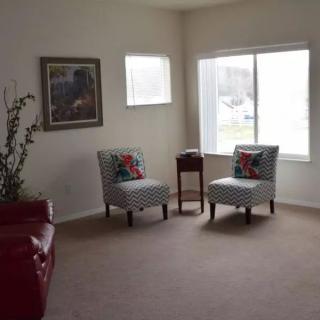
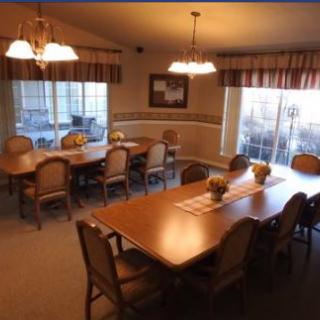
 Indoor common areas
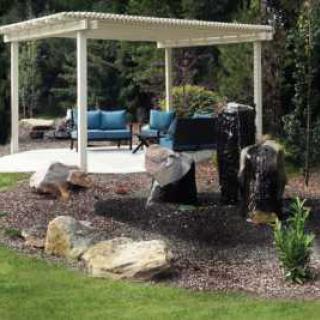
 Outdoor common areas
 Respite or short term stays offered
 Wheelchair accessible showers
 Wi-Fi/high-speed internet available
 Diabetic care
 Incontinence care
 Medication management
 Anytime dining
 Art classes
 Catholic services
 Day trips and outings
 Live dance or theater performances
 Live musical performances


 Assisted Living Support for Veterans: A Complete and Detailed Overview
 Exploring the Contrasts Between Assisted Living and Skilled Nursing
 8 Key Indicators That Suggest It May Be Time to Transition from Assisted Living to Skilled Nursing Care