










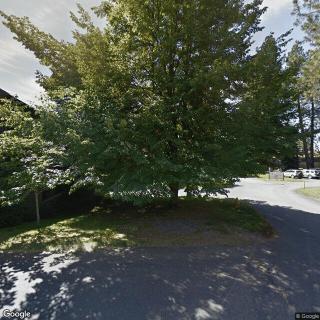
624 West Harrison Avenue, Coeur D'alene, ID 83814
For more information about senior living options: (866) 208-4318
Overall Review of Garden At Orchard Ridge
Pros
 Orchard Ridge is clean, with friendly staff, and residents seem happy with the food.
- Orchard Ridge is a fun community with a clean environment, and the staff are inviting and professional.
- Orchard Ridge is a wonderful place for assisted living and memory care, where residents receive the best care.
- The staff at Orchard Ridge are wonderful, caring, and attentive, and management is responsive with excellent follow-up.
- Orchard Ridge Memory Care shows true care and concern, providing a safe and caring environment that brings smiles.
- The facility is clean, well maintained, and filled with kindness and joy; staff treat residents like family.
- The care at Orchard Ridge is outstanding, with staff treating residents as individuals and taking time to get to know them.
- It is a nice and clean facility with clear pricing and no add-on fees.
- Families report that their loved ones are well cared for and highly recommend Orchard Ridge.
Cons
 The management is very poor and does not treat employees well, creating a negative environment.
- The facility is not set up for memory care; when dementia progressed, they gave up on her and the family had to find a new home.
- Some caretakers provoked her and made her the problem, treating loved ones as numbers.
Review
Garden At Orchard Ridge in Coeur d’Alene, Idaho, is best suited for families seeking a warm, community-focused assisted living and memory care option where staff invest personally in residents and a nonprofit framework underpins everyday care. The environment appeals to those who value a home-like atmosphere, clean facilities, and a calendar of engaging activities that keep residents connected to life beyond their rooms. When the emphasis is on compassionate, individualized attention and a sense of family, especially for memory care residents, Orchard Ridge often delivers a standout experience.
Those weighing alternatives should know this community may not be the right fit for families whose top priority is rigid management discipline, perfect consistency in staffing, or a flawlessly structured memory-care program. A few families report concerns about management and how staff are treated, which can translate into uneven experiences or slower follow-through on questions and concerns. For a family that requires highly standardized procedures, deep administrative stability, or a track record of unwavering personnel support, explores other options may be prudent.
The strongest positives center on the human side of care. Multiple accounts describe staff as wonderful, caring, attentive, and truly engaged with residents, treating them like family. Residents are described as well cared for, with caregivers who know them as individuals, which matters profoundly in daily life and in meaningful memory care moments. The facility is consistently portrayed as clean and well maintained, a tidy stage for daily routines, meals, and activities. Families repeatedly note clear pricing and a straightforward financial picture, reducing the anxiety that often accompanies long-term care decisions. In memory care, some families highlight exceptional, attentive care that brings relief and joy to both residents and relatives, underscoring the potential for Orchard Ridge to fulfill its promise of dignified aging in place.
Yet the cons cannot be ignored, and they temper the otherwise positive narrative. The most damaging feedback points to management issues and reports of poor treatment of employees, which can create a fragile service backbone if left unaddressed. There are firsthand warnings that staff turnover or inconsistent supervision can affect daily experiences, plus occasional concerns about how memory-care residents are managed when dementia progresses. One particularly troubling recollection described a dementia shift where staff appeared to “give up” on a resident, a red flag about program structure and staff confidence. A minority of reviewers also labeled memory care as not fully set up to handle certain stages of dementia, signaling that program strength may vary by unit and leadership.
In weighing the pros against the cons, the picture that emerges is one of a facility with meaningful strengths that can offset significant drawbacks, but only if management remains accountable and staff support remains stable. The nonprofit identity and a culture of genuine care are not abstract promises here; they come through in daily interactions and in the palpable sense of community. The robust, engaging activities and the commendable attention to individual residents provide a strong counterweight to management anxieties, particularly when families are active partners in oversight. For many families, the care philosophy and personal warmth are decisive factors that justify a closer look.
Practical steps to determine fit: visit multiple times at different hours to observe front-line caregivers with residents; request conversations with direct care staff to gauge consistency and morale; review the memory-care program’s specific dementia protocols, staffing ratios, and activity calendars; ask about turnover rates and how management engages with frontline staff and family concerns; and request a detailed, itemized pricing snapshot with no-hidden-fee language. If the consensus from these observations aligns with warmth, responsiveness, and a strong sense of community, Orchard Ridge stands as a compelling choice. If, however, a family requires flawless, uniform management and a proven, highly rigid dementia program, alternatives may offer more predictable outcomes. In the end, Garden At Orchard Ridge earns careful consideration for families who prize humanity and community, tempered by a candid awareness of where governance and consistency must improve.
 15 resident community capacity
 Assisted Living
 Board and Care Home
 Cable or satellite TV
 Dining room
 Fully furnished
 Garden
 Housekeeping services
 Move-in coordination
 Outdoor space
 Telephone
 Wi-Fi/high-speed internet available
 24-hour supervision
 Activities of daily living assistance
 Assistance with bathing
 Assistance with dressing
 Assistance with transfers
 Diabetes diet
 Meal preparation and service
 Medication management
 Special dietary restrictions
 Transportation arrangement (medical)
 Transportation to doctors appointments




 Social Security Benefits and Assisted Living: Navigating Options Across the U.S.
 An Extensive Exploration of the VA Aid and Attendance Benefit
 Senior Transition Services: Understanding Their Role, Cost, and Importance