Salubria Center - Upper Country Eldercare Coalition

355 South Jennifer Street, Cambridge, ID 83610

For more information about senior living options: (844) 490-3973

2.6 from 5 reviews
5 stars
2
4 stars
0
3 stars
0
2 stars
0
1 stars
3

Assisted Living

What level of care are you interested in?

Assisted Living

Memory Care

Independent Living

Skilled Nursing Facility

Continuing Care Retirement Community (CCRC)CCRC

Other


Request a tour at Salubria Center - Upper Country Eldercare Coalition

    Overall Review of Salubria Center - Upper Country Eldercare Coalition

    Pros

    • pro The grandmother has spent many happy years at the facility.
    • pro The staff treats her like family, and she enjoys life in a home-like setting.
    • pro The reviewer is continually impressed with every visit.

    Cons

    • pro The staff were rude to the visitor.
    • pro The kitchen staff member yelled and questioned the visitor's purpose, making them feel unwelcome.
    • pro The facility gave the visitor a creepy, eerie feeling and made them feel unwelcome and unwanted.
    • pro Salubria's door-access policy made visitors feel distrusted and constantly watched.
    • pro The facility refused to share entry codes, forcing staff to be escorted in and out.
    • pro The administrator and nurse were described as lazy and neglectful.
    • pro The kitchen staff lacked respect and decency toward the public and residents' families.

    Review

    This account comes from someone who works in the health care field and regularly visits Salubria and other local assisted living facilities to provide services to residents. The writer describes a troubling pattern of interactions that left them feeling unwelcome and unsettled during visits, even as they recognize positive aspects in other moments. The core experience centers on how frontline staff, particularly at the entrance and in the kitchen, greeted and interacted with them, and how these exchanges colored their overall perception of the facility.

    The most recent incident recounted happened when the writer entered the facility and was met by a staff member at the door who began to guide them toward a patient's room. A kitchen staff member then shouted a question: "isn't her bed already fixed." The writer clarified that the task involved a different patient, and the accompanying staff member reiterated the question, "isn't it already fixed?", even after the writer explained that this was for another patient. This moment was more than a miscommunication; it was described as rude and dismissive, leaving the writer with a strong sense that they were not welcome or respected as a professional who is there to support residents.

    Beyond this specific interaction, the writer paints a broader picture of a facility where they feel watched and second-guessed rather than trusted. The experience is contrasted with what the writer has encountered in other residential facilities, where open door policies or coded entry systems allow healthcare workers to come and go as needed to attend to their patients. At Salubria, the writer reports being denied a personal access code or a way to exit by themselves, with staff continually monitoring and requiring someone to let them in and out each time. This ongoing scrutiny contributes to a persistent sense of unease and mistrust, as if there is something to hide rather than a standard need for access in the course of patient care.

    The writer emphasizes that the lack of trust and the perceived misbehavior toward them extends to how the facility treats members of the public and the professionals who come to help residents. They describe the staff as watching every move "like a hawk," and express concern that if polite, welcoming communication is not the norm for the public entering the facility, the same tone could be reflected in how residents and their families are spoken to and treated. They suggest that a simple, courteous greeting - "Hi what can we help you with today?" - could go a long way toward changing the atmosphere, and they argue that basic respect and decency toward those who support residents should be non-negotiable.

    A separate thread in the narrative comes from conversations with a coworker who shared the same sentiment about Salubria: the sentiment of reluctance and discomfort when visiting. The writer quotes a coworker's reaction - "yep, I hate going there" - to underscore that the negative impression is not isolated to one person, but is shared by others who work with residents and must navigate the same doors and policies. This consensus among colleagues strengthens the writer's sense that the issue is systemic rather than incidental.

    Emotionally, the review does not paint a single, consistent picture. The writer condemns the administrator and nurse as lazy and neglectful, asserting that duties are not being fulfilled adequately. Those strong claims indicate a conviction that leadership and clinical oversight are failing to uphold standards of care and accountability. Yet, this harsh judgment sits alongside a thread of appreciation: the writer's grandmother, who has spent many happy years at Salubria, is described as thriving in what feels like a home-like setting. The staff are said to treat her like family, and the writer makes a point to acknowledge that visits there have repeatedly left them impressed and reassured about her well-being.

    Taken together, the narrative presents a facility that is clearly capable of providing compassionate, person-centered care in certain contexts while simultaneously suffering from significant issues with staff conduct, door policies, and the overall atmosphere on some days. The negative episodes - rude behavior from the kitchen staff, an impression of mistrust toward healthcare workers, restrictive access policies, and allegations of leadership neglect - dominate the critic's experience of Salubria. At the same time, the story of the grandmother's positive experiences and the praise for the way residents can be supported and valued at times serves as a conflicting counterpoint that suggests there are moments when the facility shines.

    In summary, the reviewer's perspective is intensely ambivalent: pride in the genuine warmth and care that their grandmother receives, tempered by frustration with how some staff interact with visiting professionals and with management's handling of access, communication, and accountability. The consistent thread is a call for more respectful engagement with public visitors, clearer and more trusting access policies, and stronger leadership in ensuring that the day-to-day operation aligns with the compassionate, family-centered care they know Salubria is capable of providing. The overall impression is that improvements in communication, staff training, and policy transparency could transform occasional negative experiences into a consistently welcoming environment for residents, families, and the healthcare professionals who support them.

    Features

    Housing

    • 15 resident community capacity 15 resident community capacity

    Types of Care

    • Assisted Living Assisted LivingAssisted living facilities provide crucial support and care for seniors who may need help with daily tasks such as medication management, bathing, and meal preparation. These communities offer a safe and comfortable environment where seniors can maintain their independence while receiving the assistance they need to thrive in their golden years.

    Amenities

    • Cable or satellite TV Cable or satellite TVCable or satellite TV is important for seniors because it provides entertainment, news, and companionship, helping to combat loneliness and boredom. It also offers a wide range of programming options tailored to different interests and preferences.
    • Dining room Dining roomDining rooms are important for seniors as they provide a space for socialization, connection, and nutritious meals. They offer opportunities for residents to bond over shared meals, foster a sense of community, and promote healthy eating habits. Dining rooms also ensure that seniors have access to well-balanced meals tailored to their dietary needs and preferences.
    • Fully furnished Fully furnishedFully furnished senior living communities are important for seniors because they provide convenience, comfort, and a hassle-free moving experience. Seniors can easily settle into their new living space without the stress of having to buy and move furniture. This allows them to focus on enjoying their new home and community.
    • Garden GardenGardens are important for seniors as they provide a peaceful and therapeutic environment for relaxation, physical activity, and socialization. Being in nature has been shown to reduce stress, improve mood, and promote overall well-being. Gardens also offer opportunities for seniors to engage in gardening activities, which can improve mobility, flexibility, and cognitive function. Additionally, gardens create a sense of community and connection with others who share a passion for plants and outdoor spaces.
    • Housekeeping services Housekeeping servicesHousekeeping services are important for seniors because they help maintain a clean and safe living environment, promote independence, and reduce the risk of accidents or illnesses. Additionally, having assistance with household chores can alleviate physical strain and allow seniors to focus on other aspects of their well-being.
    • Move-in coordination Move-in coordinationMove-in coordination is important for seniors because it helps ease the transition into their new living environment. It ensures that all logistics, such as packing, organizing movers, and setting up utilities are taken care of, allowing seniors to focus on settling in and adjusting to their new home. Having a smooth move-in process can alleviate stress and anxiety, making the transition smoother and more enjoyable for seniors.
    • Outdoor space Outdoor spaceOutdoor spaces are important for seniors as they provide opportunities for physical activity, social interaction, exposure to natural light and fresh air, and a sense of connection to nature. Having access to outdoor spaces can improve overall well-being and quality of life for older adults living in senior communities.
    • Telephone TelephoneTelephones are important for seniors as they provide a lifeline for communication with loved ones, emergency services, and healthcare providers. They offer a sense of security and independence, enabling seniors to stay connected and access assistance when needed.
    • Wi-Fi/high-speed internet available Wi-Fi/high-speed internet availableWi-Fi/high-speed internet is important for seniors to stay connected with loved ones, access online resources, and participate in virtual activities to combat feelings of loneliness and isolation. It also allows them to easily manage healthcare needs, access entertainment, and engage in lifelong learning opportunities.

    Care Services

    • 24-hour supervision 24-hour supervision24-hour supervision is important for seniors to ensure their safety, well-being, and access to immediate assistance in case of emergencies or health issues. This constant support provides peace of mind for both seniors and their loved ones, allowing them to age in place with dignity and security.
    • Activities of daily living assistance Activities of daily living assistanceActivities of daily living assistance are important for seniors because they provide essential support with tasks such as eating, bathing, dressing, and mobility. This assistance helps seniors maintain their independence, dignity, and overall quality of life as they age.
    • Assistance with bathing Assistance with bathingAssistance with bathing is crucial for seniors as it helps maintain personal hygiene, prevents infections, and ensures their overall well-being and comfort. It also provides a sense of dignity and independence for seniors who may struggle with this task on their own.
    • Assistance with dressing Assistance with dressingAssistance with dressing is important for seniors because it helps maintain their independence, promotes personal hygiene, prevents accidents and injuries, and improves overall quality of life. This service ensures that seniors can continue to dress comfortably and confidently, despite any physical limitations they may have.
    • Assistance with transfers Assistance with transfersAssistance with transfers is crucial for seniors as it helps prevent falls and injuries, maintains their independence, and ensures they can safely navigate their living environment. It also provides peace of mind for both seniors and their loved ones.
    • Coordination with health care providers Coordination with health care providersCoordination with health care providers is crucial for seniors to ensure proper medical care, medication management, and overall well-being. This collaboration helps prevent overlapping treatments, track progress more effectively, and provide comprehensive support tailored to individual needs.
    • Diabetes diet Diabetes dietA diabetes diet is crucial for seniors as it helps manage blood sugar levels, reduce risks of complications, and improve overall health and well-being. By following a balanced and nutritious diet tailored to their specific needs, seniors can better control their diabetes and enhance their quality of life.
    • Meal preparation and service Meal preparation and serviceMeal preparation and service are crucial for seniors as they may have limited mobility or energy to cook nutritious meals. Having access to healthy and convenient food options can ensure they are getting the proper nutrition needed to maintain their overall health and well-being.
    • Medication management Medication managementMedication management is crucial for seniors to ensure they are taking the right medications at the correct dosages and times. This helps prevent adverse drug interactions, reduces the risk of medication errors, and promotes overall health and well-being. Proactive management also allows for adjustments as needed based on changing health conditions or new prescriptions.
    • Special dietary restrictions Special dietary restrictionsSpecial dietary restrictions are important for seniors because age-related changes in metabolism and health conditions can make it difficult for their bodies to process certain foods. By following a diet tailored to their specific needs, seniors can maintain their overall health and well-being, manage chronic conditions, and reduce the risk of complications such as malnutrition or food interactions with medications.
    • Transportation arrangement (medical) Transportation arrangement (medical)Transportation arrangements for medical purposes are essential for seniors as they may have difficulty driving themselves to appointments or accessing public transportation. Having reliable and safe transportation options ensures that seniors can receive timely medical care and maintain their health and well-being.
    • Transportation to doctors appointments Transportation to doctors appointmentsTransportation to doctors' appointments is crucial for seniors as it ensures they have access to necessary medical care and support for their health needs. Without reliable transportation, seniors may struggle to attend important appointments, leading to potential delays in treatment and health complications. Providing transportation services helps seniors maintain their overall well-being and quality of life.

    Dining

    • Diabetes diet Diabetes dietA diabetes diet is crucial for seniors as it helps manage blood sugar levels, reduce risks of complications, and improve overall health and well-being. By following a balanced and nutritious diet tailored to their specific needs, seniors can better control their diabetes and enhance their quality of life.
    • Special dietary restrictions Special dietary restrictionsSpecial dietary restrictions are important for seniors because age-related changes in metabolism and health conditions can make it difficult for their bodies to process certain foods. By following a diet tailored to their specific needs, seniors can maintain their overall health and well-being, manage chronic conditions, and reduce the risk of complications such as malnutrition or food interactions with medications.

    Activities

    • Community-sponsored activities Community-sponsored activitiesCommunity-sponsored activities are important for seniors as they provide opportunities for social interaction, mental stimulation, and physical activity. These activities can help improve overall well-being, combat loneliness and isolation, and promote a sense of belonging and purpose among older adults.
    • Scheduled daily activities Scheduled daily activitiesScheduled daily activities are important for seniors because they provide structure, socialization, mental stimulation, and physical activity. Engaging in regular activities can improve overall well-being and quality of life for seniors living in a community setting.

    Description

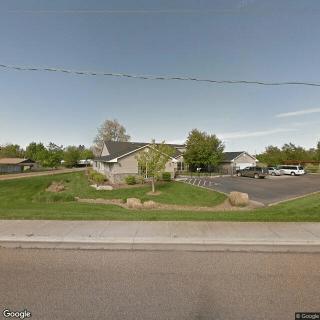
    Salubria Center - Upper Country Eldercare Coalition is an assisted living community located in the serene town of Cambridge, ID. Our center offers a comfortable and inviting environment for seniors who require assistance with daily activities but still want to maintain their independence.

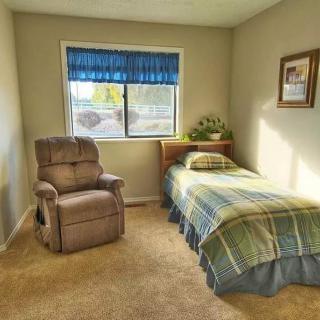
    Our residents can enjoy delicious meals in our dining room, which caters to special dietary restrictions. The accommodation is fully furnished, providing a cozy and homely atmosphere for our residents.

    We understand the importance of staying active and engaged, which is why we offer a variety of scheduled daily activities for our residents to participate in. From group outings to games and crafts, there’s something for everyone to enjoy.

    In terms of care services, our dedicated staff is available to assist with activities of daily living, such as bathing, dressing, and transfers. We also coordinate with health care providers to ensure that our residents receive the necessary medical attention. Our team provides medication management and diabetes diet support as well.

    At Salubria Center, we prioritize the comfort and well-being of our residents. Our housekeeping services ensure that their living spaces are always clean and tidy. Move-in coordination is also provided to make the transition as smooth as possible.

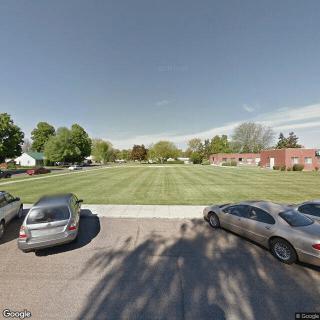
    For added convenience, we offer outdoor spaces where residents can relax and enjoy nature. Telephone and Wi-Fi/high-speed internet are available to keep them connected with family and friends.

    Transportation arrangements are made for medical purposes, including transportation to doctors' appointments. Additionally, there are several restaurants nearby for those looking to dine out or explore different culinary options. Places of worship are also conveniently located nearby for spiritual needs.

    Overall, Salubria Center - Upper Country Eldercare Coalition offers a nurturing and supportive environment where seniors can live comfortably while receiving the necessary care they deserve.

    Nearby Places of Interest

    Restaurants

    • Canyon Station (0 miles)
    • Office Bar (0 miles)
    • Awesome Burger (0 miles)
    • Bucky's Cafe & Motel (0.1 miles)
    • Mundo Idaho Bistro (2.3 miles)
    • Mundo Hot Springs (2.3 miles)
    • Gateway Store and Cafe (18.1 miles)

    Places of Worship

    • Seventh Day Adventist Church (0 miles)
    • First Baptist Church (0.1 miles)
    • Holy Rosary Station (0.2 miles)
    • Cambridge Bible Church (0.4 miles)

    Transportation

    • U-Haul (0.1 miles)
    • U-Haul Neighborhood Dealer (0.2 miles)
    • Safe Line Pilot Car Services (18.7 miles)

    Frequently Asked Questions

    Where is Salubria Center - Upper Country Eldercare Coalition?

    Nearby Communities

    Related Resources

    • when to move from assisted living to memory careWhen to Transition from Assisted Living to Memory Care: Key Indicators, Steps, and Finding the Right Community

      Transitioning from assisted living to memory care is driven by an individual's cognitive decline and specific needs, requiring careful evaluation of indicators like increased confusion and wandering. The process involves consulting medical professionals, researching suitable communities, considering financial and legal aspects, and ensuring effective communication for personalized care plans.

    • assisted living vs memory careAssisted Living and Memory Care: Understanding Their Core Differences

      Assisted living provides moderate support for seniors seeking independence, while memory care offers specialized support for individuals with dementia or cognitive impairments through structured routines and trained staff. Key differences include care approaches, environment security measures, staff training levels, activity types, and cost considerations.

    • assisted living activitiesBeyond the Bingo Hall: 50+ Enriching Activities for Seniors in Assisted Living

      Assisted living communities offer diverse activities beyond traditional games to enhance seniors' physical health, cognitive well-being, emotional enrichment, and social connections, including fitness classes, creative expression, and intergenerational interactions. These enriching programs foster community bonds and support residents' independence and happiness.


    Get Pricing Ask A Question Schedule A Tour Contact Senior Advisor