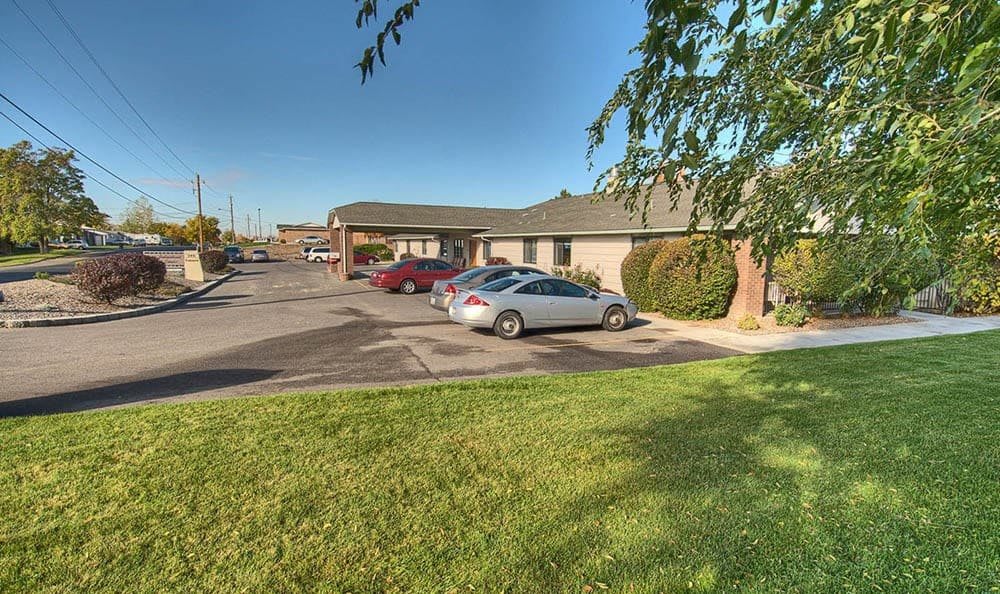

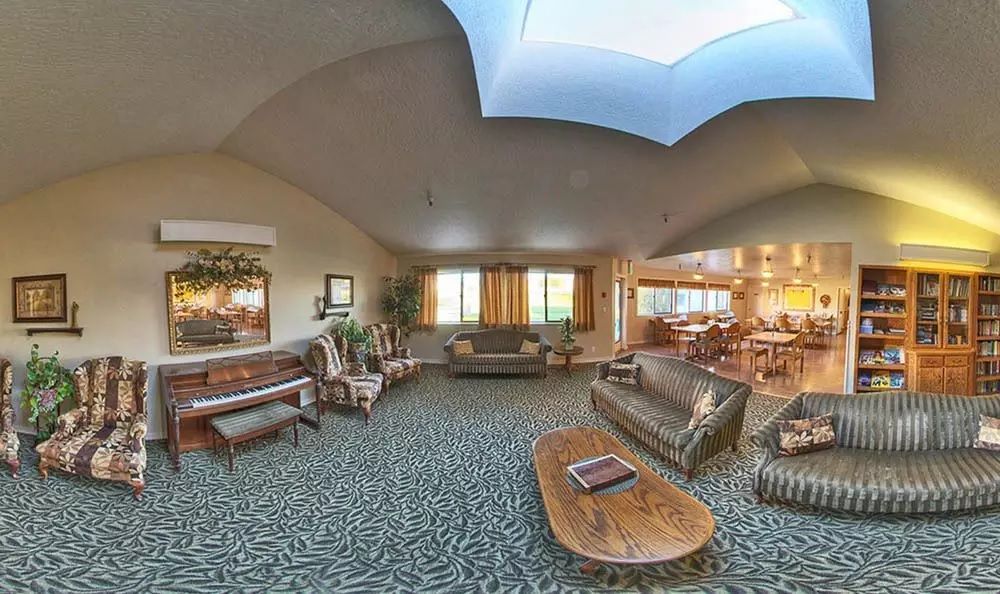



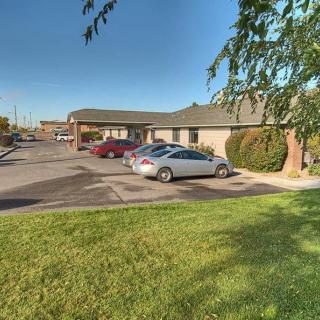


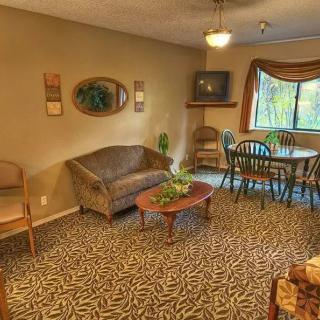

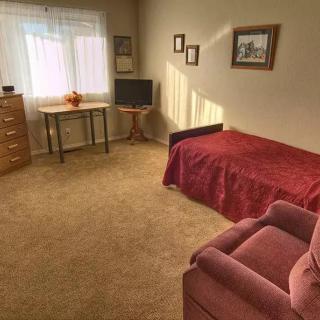

590 West Indianhead Road, Weiser, ID 83672
For more information about senior living options: (866) 208-4318
Indianhead Estates Costs & Pricing
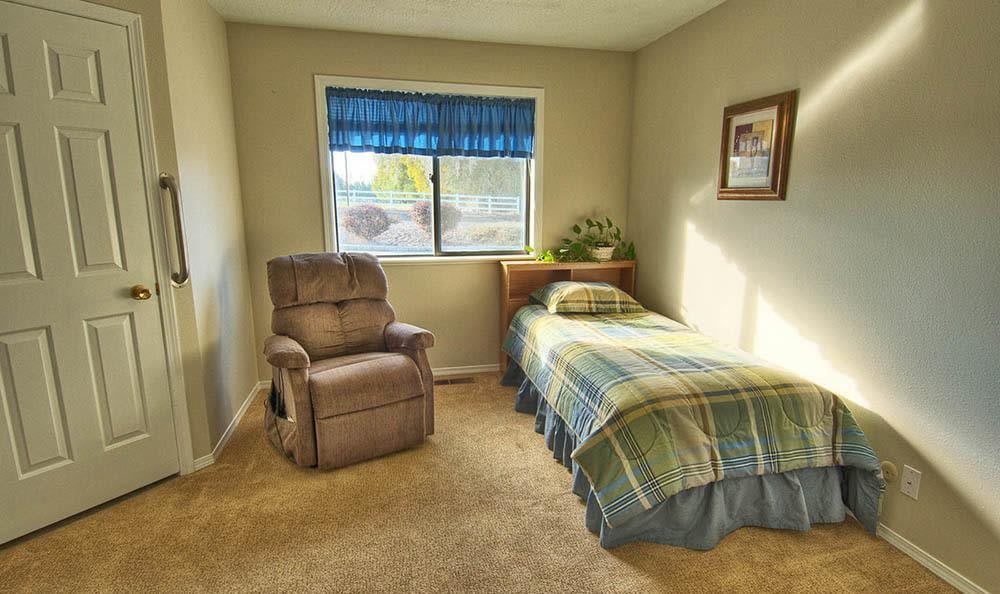
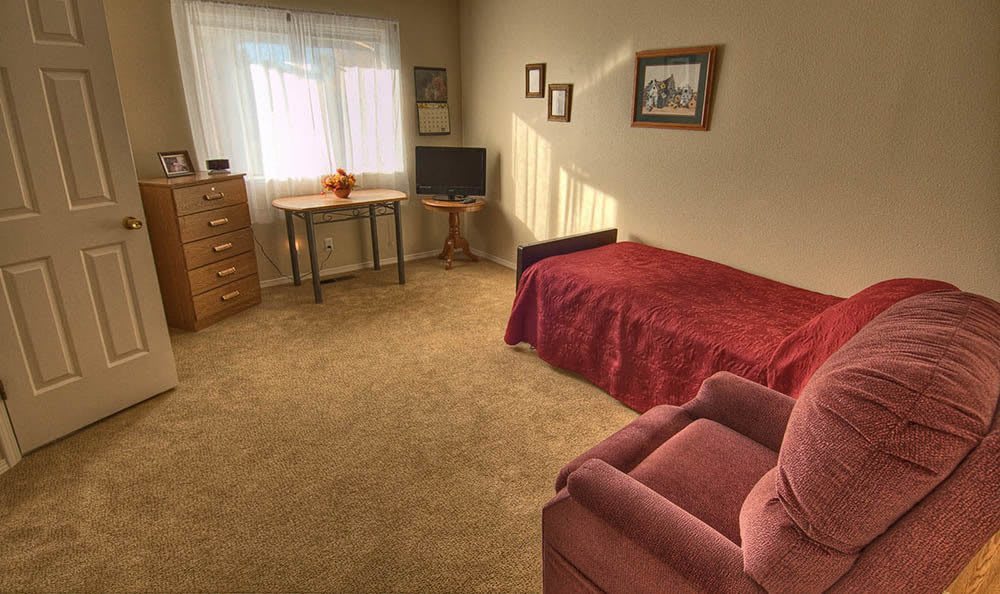
Indianhead Estates offers competitive pricing for its care services, particularly when compared to the broader market in Washington County and across Idaho. For a semi-private room, residents can expect to pay $2,950 per month, which is slightly above the county average of $2,900 but below the state average of $3,026. Meanwhile, for studio accommodations, the monthly fee at Indianhead Estates is set at $3,500 - slightly higher than the county's average of $3,160 and also lower than Idaho's average of $3,213. This positioning suggests that while Indianhead Estates may be on the higher end locally for certain room types, it still remains a viable option within the overall pricing landscape of both Washington County and Idaho.
| Floor plans | Indianhead Estates | Washington County | Idaho |
|---|---|---|---|
| Semi-Private | $2,950 | $2,900 | $3,026 |
| Studio | $3,500 | $3,160 | $3,213 |
Assisted Living communities with a similar price nearby
-
from -$180 / mo

Brookdale Ontario
$2,770 to $3,655 / month16.6 miles away -
from -$550 / mo
The Cottages of Payette
$2,400 to $2,600 / month12.6 miles away -
About the same
Ashley Manor Beverly Hills
$2,900 to $3,200 / month13.9 miles away -
from +$300 / mo

Dorian Place Assisted Living
$3,250 to $3,500 / month15.9 miles away -
from +$300 / mo

Wellsprings Assisted Living
$3,250 to $3,500 / month16.1 miles away
Overall Review of Indianhead Estates
Pros
 The care staff are amazing and do their best to take care of the residents.
- The facility is highly recommended for its amenities and care provided to seniors.
- The assisted living facility is recommended.
- The facility is nice.
- The staff are incredibly caring and attentive, making residents feel like family.
- The environment is warm and welcoming with plenty of activities to keep everyone engaged.
- The nurses are doing great despite limited help.
Cons
 The facility cannot retain an administrator.
- The facility cannot maintain medication orders for residents, leading to withdrawal.
- The lead staff member does not know what she is doing and will lie to people.
- She blames everyone else for her job not getting done.
- The nurses are understaffed and there isn't enough help to care for all the residents.
- The reviewer would not choose this facility for their family.
Review
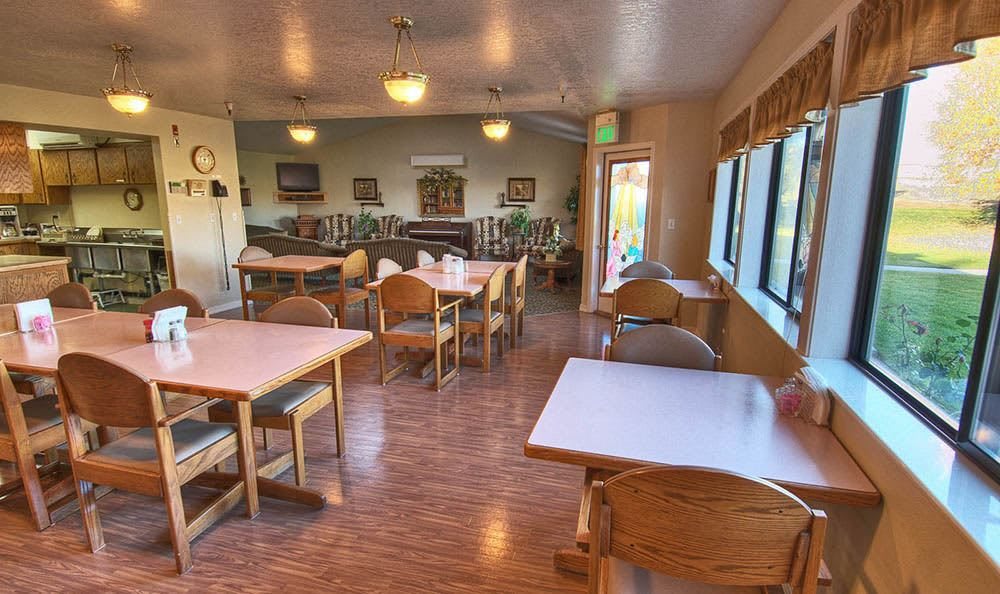
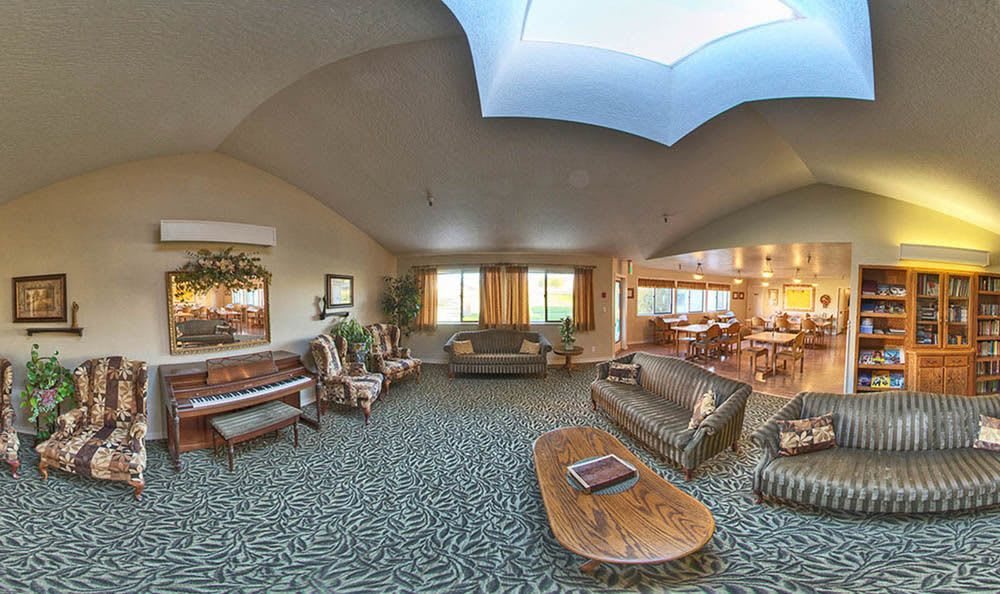
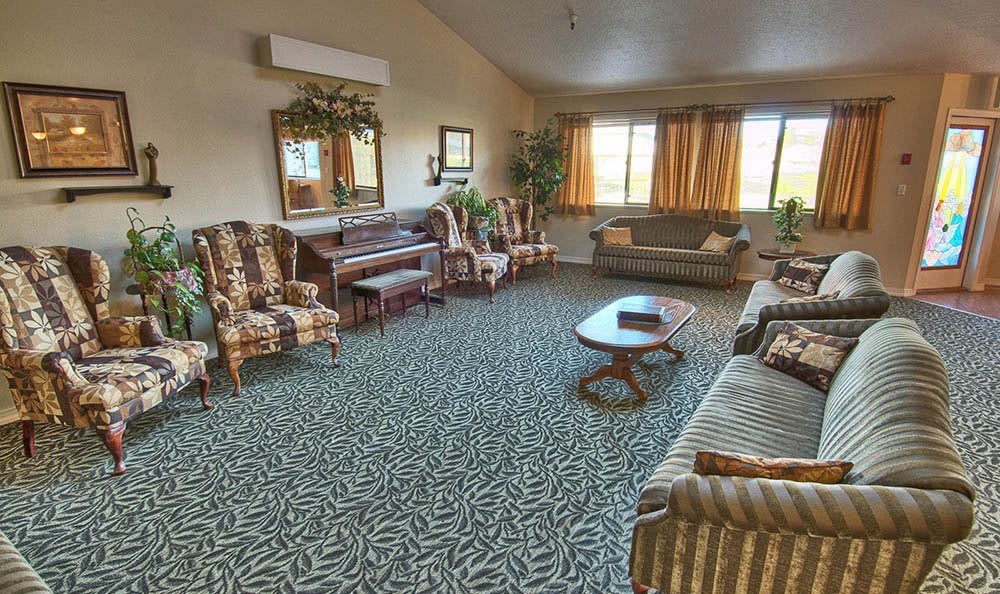
Indianhead Estates in Weiser, ID is best suited for seniors who crave a warm, home-like atmosphere with genuine frontline care and plenty of engaging activities. The environment is repeatedly described as welcoming and family-centric, with caregivers who are attentive and personally involved in residents’ daily lives. For residents who prize personal attention, companionship, and a sense of belonging, this community can deliver meaningful day-to-day quality.
However, those evaluating alternatives should be cautioned about persistent administrative turnover and fragile systems of oversight. Reviews highlight ongoing issues with leadership stability, including an administrator who cannot be sustained and leaders who shift blame rather than own problems. The most troubling red flag is medication management: medications being misordered or delayed, sometimes with consequences for residents’ well-being. On top of that, staffing can dwindle on busy shifts, leaving frontline caregivers to juggle too many responsibilities. For families with significant medical needs or tight medication schedules, these gaps can translate into real risk.
On the positive side, the care staff themselves are consistently praised as remarkable under pressure. They are described as doing the best they can with the resources available, delivering compassionate, attentive care, even when administration falters. The facility’s amenities and the range of activities contribute to a lively, social environment that can reduce isolation and help residents stay mentally and physically engaged. When the day-to-day interaction leans on reliable, caring aides, residents often feel seen, supported, and less forgotten.
The central tension remains: durable, trustworthy governance versus remarkable human care on the floor. The strongest pros, the warm, engaged atmosphere and hands-on staff, do offset some daily frustrations, but they do not fully counterbalance the more systemic cons. Medication accuracy and timely administration, paired with steady leadership, are foundational to safe senior living. In their absence, even the best caregiver efforts can be undermined by coordination failures, unclear accountability, and inconsistent policy enforcement. For families prioritizing safety and predictable operations, these gaps are not easily ignored.
For families who still lean toward Indianhead Estates, a practical plan is essential. A proactive approach, demanding transparent medication protocols, insistence on consistent leadership contact, and regular care-plan audits, can help mitigate risk. Prospective residents should request conversations with the administrator, tour multiple times, and review state inspection reports and any recent corrective actions. In addition, negotiating clear escalation channels for med issues and establishing a routine for nurse check-ins can provide needed oversight. If deeper concerns linger, exploring facilities with stronger governance and more robust staffing may be prudent.
Ultimately, Indianhead Estates offers a compelling option for residents who value connection, daily companionship, and an active, inviting setting, provided there is readiness to monitor and manage the governance and medication coordination. For families who cannot tolerate frequent leadership changes, potential medication lapses, or staffing shortages, alternatives with proven stability and more automated safeguards will be the wiser course. The decision hinges on balancing the undeniable warmth and engagement on offer against the real-world risks tied to administration and medication management.
 28 resident community capacity
 Assisted Living
 Board and Care Home
 Respite Care
 Activities off-site
 Bath tubs
 Beautician on-site
 Cable or satellite TV
 Devotional services on-site
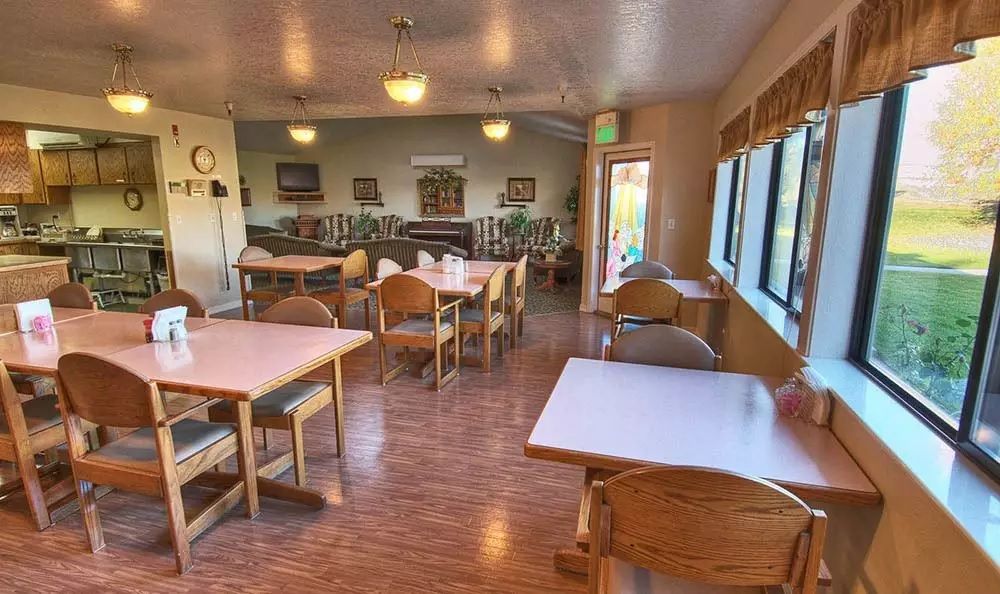
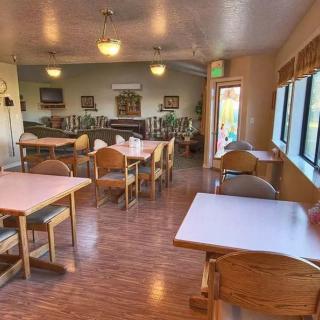
 Dining room
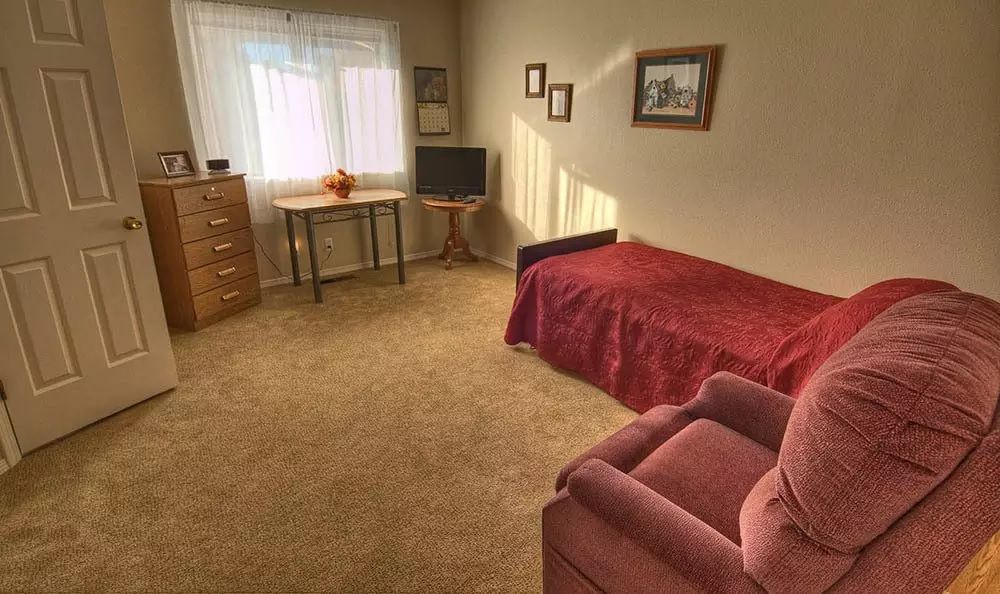
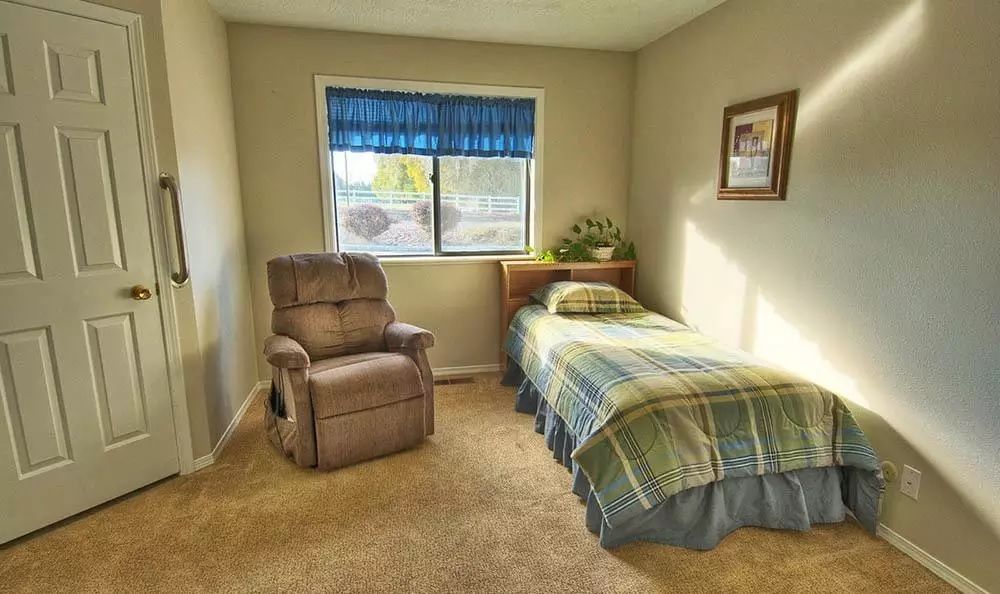
 Fully furnished
 Garden
 Housekeeping services
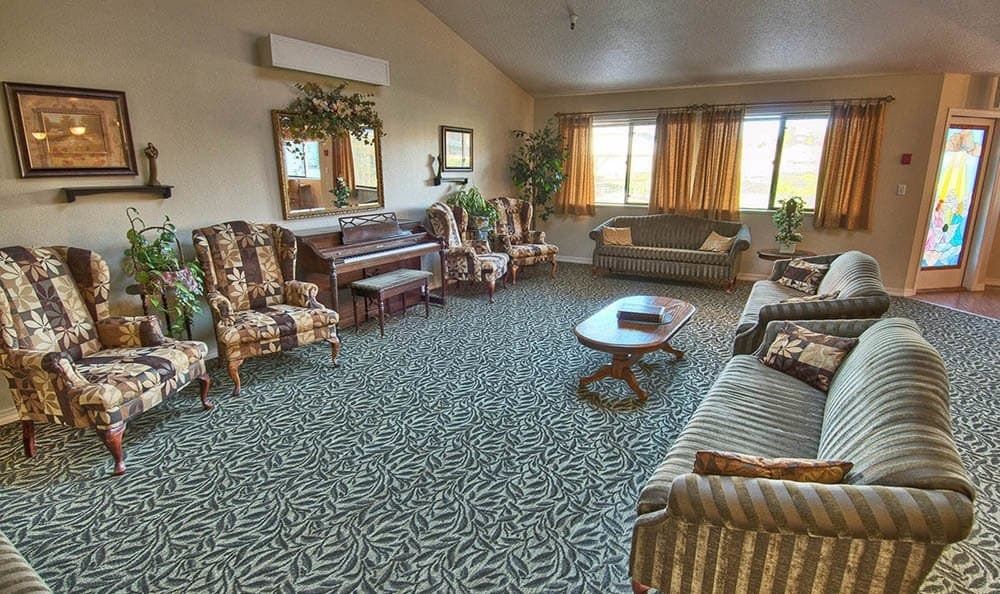
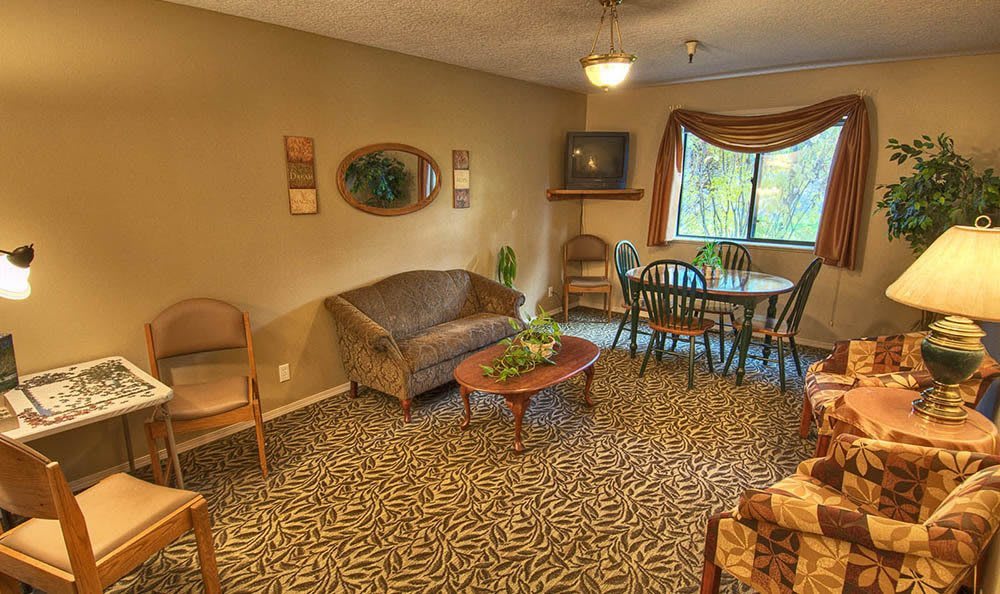
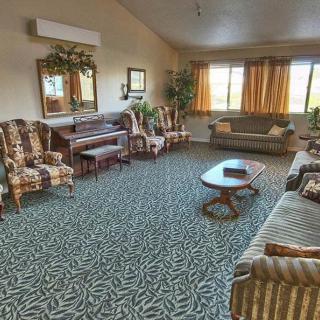
 Indoor common areas
 Kitchenette
 Move-in coordination
 Outdoor common areas
 Telephone
 Wheelchair accessible showers
 Wi-Fi/high-speed internet available
 24-hour call system
 Ambulatory care
 Assistance with bathing
 Assistance with dressing
 Assistance with transfers
 Diabetes diet
 Incontinence care
 Meal preparation and service
 Medication management
 Mental wellness program
 Special dietary restrictions
 Transportation arrangement (medical)
 Transportation to doctors appointments


 Medicare Coverage for Assisted Living: An In-Depth Exploration
 Choosing the Right Senior Care: A Detailed Exploration of Assisted Living and Nursing Homes
 Understanding the True Cost of Assisted Living in 2025: A Comprehensive Guide