

87-132 Palani Street, Waianae, HI 96792
For more information about senior living options: (866) 208-4318
Overall Review of Daquip Care Home
Pros
 The staff provided compassionate, comprehensive care.
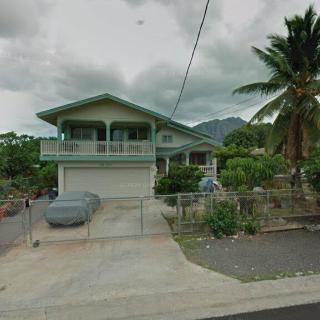
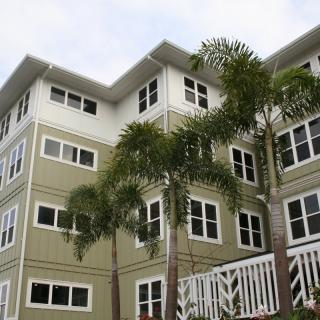
- The facility was beautiful, with gardens, flowers, and a mountain view.
- The nurses were exuberant and attentive.
- The facility offered fun activities that enhanced the experience.
- The on-site cats, including momma cats with kittens, were relatively tame and added charm.
- The Golden Buddha shrine and the overall setting created a rural, home-like feel.
Cons
 The staff are described as talking a good game but failing to provide the care loved ones deserve.
- Family members felt compelled to brush teeth and wash legs themselves because staff wouldn’t assist.
- The facility is blamed for delaying medical attention, contributing to harm to residents.
- Oral health care is depicted as severely neglected, with thick plaque on teeth, tongue, and gums.
- The environment is described as musty, dirty, and under-clean, with persistent smells.
- Caregivers are accused of impatience and rude bedside manners toward residents.
- Call bells go unanswered and residents are left in soiled conditions.
- Regulators and insurers are questioned for allowing the facility to operate with such care levels.
- The facility is portrayed as secluded, under-staffed, and lacking adequate rehabilitation.
Review
Daquip Care Home in Waianae, Hawaii is best suited for families that can provide consistent oversight and advocate aggressively for a loved one who requires only moderate daily support, with the understanding that medical responsiveness and daily attentiveness may be uneven. It is not a fit for residents who rely on proactive, high-touch medical care, close supervision for memory or behavior challenges, or meticulous hygiene standards. Families should expect to become the primary monitors of care, staffing, and cleanliness, rather than relying on a consistently proactive care team. In short, this community works best when a family partner is prepared to shepherd care closely and step in quickly if needs escalate.
Those considering alternatives should particularly weigh options for residents who demand reliable call-bell responses, timely personal care (like brushing teeth and washing), and steady, respectful communication from staff. If an aging loved one requires strong dementia support, frequent medical oversight, or stringent hygiene and odor control, this facility may not meet those expectations. Prospective families should also seek facilities with transparent staffing patterns, verifiable incident reporting, and consistent access to family input, rather than facilities where advocacy becomes the only route to decent care.
On the upside, a minority of experiences point to moments of compassionate, comprehensive care in some Hawaiian elder-care settings, and occasional accounts describe environments that feel pleasant and home-like when staffing supports quality interaction. Those rare positives demonstrate what the best operators can achieve when they have enough staff, clear protocols, and engaged leadership. They prove that the right mix of personnel, training, and oversight can translate into genuinely compassionate service, even in a largely challenging care landscape. The takeaway is that potential exists, but it is unevenly delivered.
The dominant picture from the reviews is troubling: chronic understaffing and delayed responses to call bells create a perception , and, for many residents, the reality , of neglected daily needs. Reports of caregivers appearing rushed or impatient, coupled with odors and perceptions of insufficient cleanliness, further erode confidence in the facility’s ability to maintain a safe, dignified environment. When residents lack timely assistance with basic tasks, or when family members feel left out of care decisions, the risk of avoidable declines rises sharply. In short, the main cons are practical, day-to-day failures that compound over time and undermine trust.
Families evaluating Daquip should approach with a clear, action-oriented checklist. Ask for current staffing ratios and shifts, request a tour during peak hours, and observe how staff respond to a call bell and to basic care tasks. Review recent state inspection records for compliance history, and speak with current residents and families about communication and transparency. Ask pointed questions about medication administration, wound care, hygiene protocols, and incident reporting. If proceeding, insist on a written care plan with measurable targets, regular family updates, and a guaranteed pathway to escalation when concerns arise.
Ultimately, this community is not the default recommendation for families prioritizing safety, dignity, and reliable daily care. Alternatives with stronger staffing, quicker responsiveness, and cleaner environments should be seriously considered, especially for residents with higher medical needs or dementia. If choosing Daquip, it is essential to establish formal oversight, set explicit expectations, and implement a vigilant review schedule to protect against drift in care quality. A well-structured, proactive family partnership is not optional here; it is the deciding factor between acceptable risk and genuine assurance of a loved one’s well-being.
 5 resident community capacity
 Assisted Living
 Cable or satellite TV
 Dining room
 Fully furnished
 Garden
 Housekeeping services
 Move-in coordination
 Outdoor space
 Telephone
 Wi-Fi/high-speed internet available
 Honolulu International (18 miles away)
 24-hour supervision
 Activities of daily living assistance
 Assistance with bathing
 Assistance with dressing
 Assistance with transfers
 Diabetes diet
 Meal preparation and service
 Medication management
 Special dietary restrictions
 Transportation arrangement (medical)
 Transportation to doctors appointments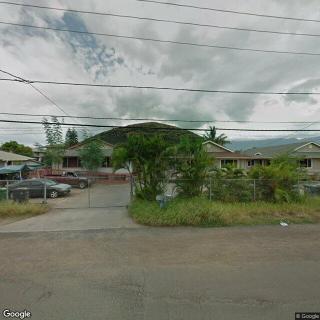



 Securing Financial Support for Assisted Living: A Comprehensive Overview
 Social Security Benefits and Assisted Living: Navigating Options Across the U.S.
 An Extensive Exploration of the VA Aid and Attendance Benefit