Tj Factora Care Home

830 Second Street, Pearl City, HI 96782

For more information about senior living options: (844) 490-3973

3.2 from 24 reviews
5 stars
11
4 stars
1
3 stars
2
2 stars
1
1 stars
9

Assisted Living

Overall Review of Tj Factora Care Home

Pros

  • pro The nurses and staff are well trained, accommodating and helpful.
  • pro The RNs and CNAs are professional, caring and very skilled in patient care and rehab.
  • pro The medical activity staff are vibrant in providing activities and games for patients to complement the medical care and physical therapy they're receiving.
  • pro The kitchen provides healthy meals with a variety of ethnic favorites and substitutions to please.
  • pro The physical and occupational therapists are skilled at promoting strength and helping patients regain daily abilities.
  • pro The administrative staff provides needed support to make stays productive, pleasing and goal-reaching.
  • pro The rehab team works hard, supporting and building up patients' confidence.
  • pro The Ohana team, led by Kacie, is awesome and always there to help.

Cons

  • pro The facility provided horrible care that led to his heart stopping.
  • pro The care was not skilled nursing and the patient was not treated with care or dignity.
  • pro The doctor never visited to introduce himself.
  • pro Pain medication was delayed for hours, with staff saying they had 40 others to take care of.
  • pro The night shift ignored the patient or spoke to her harshly.
  • pro Staff ignored visitors and were irritated when interrupted.
  • pro The social worker was unresponsive and focused on paperwork rather than the patient's wishes, delaying discharge.
  • pro A grandmother developed a severe infection due to neglect, with wound care only once a week, and hygiene was horrendous.

Review

Pearl City Nursing Home, also referred to as PCNH, elicits sharply divided experiences from the families and individuals who have encounters there. On the one hand, there are glowing accounts of transformation, resilience, and diligent, knowledgeable care that helps people regain strength and independence. On the other hand, a number of strongly worded reviews describe frightening neglect, delayed responses, and alarming lapses in basic safety and hygiene. Taken together, these narratives paint a complex picture of a facility that some see as a lifeline and others as a source of grave risk.

Several reviewers explicitly credit the staff for professionalism, courtesy, and real clinical skill. They describe compassionate CNAs and RNs who attend to everyday needs with patience and empathy. One former resident who spent 79 days at PCNH emphasizes that the nursing staff were professional, caring, and highly skilled in both medical care and facilitating timely pain management. This reviewer, who has professional experience as a certified nursing assistant across multiple care settings, notes that the rehab team was energetic and effective in promoting recovery. They laud the activities staff for engaging patients with meaningful games and exercises, and they praise the kitchen for offering healthy meals with varied options and cultural dishes. The rehab program is framed as a cohesive, well-led effort, with therapists who helped rebuild strength and confidence, sometimes culminating in outcomes that families could carry home and use to maintain gains after discharge. A recurring refrain in these accounts is that the facility can feel like a close-knit Ohana, where families are encouraged to participate in the care process, and where staff leadership - especially a figure described as the "Boss Lady" named Kacie - creates a positive culture that supports both patients and their loved ones.

The flip side of the narrative presents harrowing, specific allegations of throughout-care failures that allegedly contributed to serious harm. Several reviewers recount situations where loved ones were not adequately cared for, waited long hours for pain medication, or were not seen by physicians in a timely fashion. One account describes a patient whose heart stopped, with ER doctors reportedly blaming the facility for "horrible care" and high carbon dioxide levels, suggesting a severe lapse in monitoring or intervention. Another review describes a 95-year-old mother who arrived alert and articulate but felt she was treated without dignity; she reportedly faced delays in doctor visits, long waits for pain meds, and a night shift that was harsh or unresponsive. In this narrative, the family felt ignored by staff and frustrated by a social worker who seemed more interested in paperwork than patient wishes, ultimately prolonging a stay against the family's wishes. The tone is wrenching, with a clear sense of betrayal by a system the family believed should be safeguarding a vulnerable elder.

Beyond individual experiences, there are consistently troubling themes around hygiene, wound care, and infection control. A grandmother's care is described as deeply neglectful, with wounds left untreated and hygiene lapses that led to infections and rapid health decline. The reviewer reports a large, severe wound that was not properly addressed, contributing to a cascading deterioration - an infection spreading to the bones and the patient losing the ability to move. In this narrative, months of deterioration culminated in hospital transfer for breathing difficulties and further complications, underscoring what is alleged to be systemic neglect. The same account accuses the facility of violating HIPAA norms and of a policy that delayed family notification for hours after emergency events, which the reviewer characterizes as inhumane. Other descriptions echo similar concerns: accusations of language barriers among immigrant nurses, chronic understaffing, and a facility that can feel like "third world conditions," with overcrowded rooms and insufficient attention to basic needs like bathing after accidents and timely daily care.

These contrasting reviews also touch on the emotional dimensions of care. In some stories, families describe a process that feels collaborative and hopeful. They recount detailed meetings with a broad team - social workers, rehab leaders, head nurses, and administrative personnel - where plans are laid out, goals are set, and progress is celebrated. There is a strong sense of gratitude from these families when they see gains in mobility and independence, and when patients verbalize motivation and gratitude for the care environment that supports them. The positive testimonials frequently highlight an emphasis on family involvement, transparent communication, and a team ethic that feels cohesive and supportive.

Yet for every positive testimony, there is a parallel warning about risks and disappointments. The negative stories emphasize understaffing, communication breakdowns, and a perceived hierarchy that sidelines patient wishes. The most distressing claims describe situations where families had to become advocates, sometimes threatening to remove their loved ones or seek emergency care themselves, simply to obtain attention or timely interventions. The repeated claims of delayed or absent doctor visits, long waits for medications, and staff who appeared overwhelmed by the volume of patients contribute to a climate of fear and mistrust for some families. The juxtaposition of praise and denunciation within the same facility prompts readers to weigh the experiences carefully and consider their own needs and risk tolerance when evaluating care options.

Taken together, these conversations underscore a larger, ongoing challenge in long-term and post-acute care: ensuring patient safety, dignity, and timely medical attention in a setting that must balance high demand, complex clinical needs, and limited resources. The stories about Pearl City Nursing Home reflect not only individual incidents but also broader questions about staffing levels, language and cultural barriers, family engagement, and the reliability of communication protocols when emergencies arise. They suggest that, for some residents and families, PCNH can be a place of extraordinary recovery and supportive community, while for others it can feel unsafe and unresponsive in critical moments.

If you are considering this facility for a loved one, the reviews recommend careful due diligence. Visit in person, speak directly with front-line staff, observe bedside interactions, and ask specific questions about physician coverage, pain management timelines, wound and hygiene protocols, and how emergencies are communicated to families. It may also be prudent to discuss the facility's policies around discharge planning, social work follow-through, and how concerns are escalated when a patient's needs are not being met. The reality reflected in these narratives is not uniform, but it is undeniably powerful: the quality of care at Pearl City Nursing Home appears to be highly variable, capable of delivering life-changing rehabilitation on one hand and, on the other, exposing residents to dangerous lapses in basic care on a different day.

Features

Housing

  • 5 resident community capacity 5 resident community capacity

Types of Care

  • Assisted Living Assisted LivingAssisted living facilities provide crucial support and care for seniors who may need help with daily tasks such as medication management, bathing, and meal preparation. These communities offer a safe and comfortable environment where seniors can maintain their independence while receiving the assistance they need to thrive in their golden years.

Amenities

  • Cable or satellite TV Cable or satellite TVCable or satellite TV is important for seniors because it provides entertainment, news, and companionship, helping to combat loneliness and boredom. It also offers a wide range of programming options tailored to different interests and preferences.
  • Dining room Dining roomDining rooms are important for seniors as they provide a space for socialization, connection, and nutritious meals. They offer opportunities for residents to bond over shared meals, foster a sense of community, and promote healthy eating habits. Dining rooms also ensure that seniors have access to well-balanced meals tailored to their dietary needs and preferences.
  • Fully furnished Fully furnishedFully furnished senior living communities are important for seniors because they provide convenience, comfort, and a hassle-free moving experience. Seniors can easily settle into their new living space without the stress of having to buy and move furniture. This allows them to focus on enjoying their new home and community.
  • Garden GardenGardens are important for seniors as they provide a peaceful and therapeutic environment for relaxation, physical activity, and socialization. Being in nature has been shown to reduce stress, improve mood, and promote overall well-being. Gardens also offer opportunities for seniors to engage in gardening activities, which can improve mobility, flexibility, and cognitive function. Additionally, gardens create a sense of community and connection with others who share a passion for plants and outdoor spaces.
  • Housekeeping services Housekeeping servicesHousekeeping services are important for seniors because they help maintain a clean and safe living environment, promote independence, and reduce the risk of accidents or illnesses. Additionally, having assistance with household chores can alleviate physical strain and allow seniors to focus on other aspects of their well-being.
  • Move-in coordination Move-in coordinationMove-in coordination is important for seniors because it helps ease the transition into their new living environment. It ensures that all logistics, such as packing, organizing movers, and setting up utilities are taken care of, allowing seniors to focus on settling in and adjusting to their new home. Having a smooth move-in process can alleviate stress and anxiety, making the transition smoother and more enjoyable for seniors.
  • Outdoor space Outdoor spaceOutdoor spaces are important for seniors as they provide opportunities for physical activity, social interaction, exposure to natural light and fresh air, and a sense of connection to nature. Having access to outdoor spaces can improve overall well-being and quality of life for older adults living in senior communities.
  • Telephone TelephoneTelephones are important for seniors as they provide a lifeline for communication with loved ones, emergency services, and healthcare providers. They offer a sense of security and independence, enabling seniors to stay connected and access assistance when needed.
  • Wi-Fi/high-speed internet available Wi-Fi/high-speed internet availableWi-Fi/high-speed internet is important for seniors to stay connected with loved ones, access online resources, and participate in virtual activities to combat feelings of loneliness and isolation. It also allows them to easily manage healthcare needs, access entertainment, and engage in lifelong learning opportunities.

Transportation

  • Honolulu International (6 miles away) Honolulu International (6 miles away)

Care Services

  • 24-hour supervision 24-hour supervision24-hour supervision is important for seniors to ensure their safety, well-being, and access to immediate assistance in case of emergencies or health issues. This constant support provides peace of mind for both seniors and their loved ones, allowing them to age in place with dignity and security.
  • Activities of daily living assistance Activities of daily living assistanceActivities of daily living assistance are important for seniors because they provide essential support with tasks such as eating, bathing, dressing, and mobility. This assistance helps seniors maintain their independence, dignity, and overall quality of life as they age.
  • Assistance with bathing Assistance with bathingAssistance with bathing is crucial for seniors as it helps maintain personal hygiene, prevents infections, and ensures their overall well-being and comfort. It also provides a sense of dignity and independence for seniors who may struggle with this task on their own.
  • Assistance with dressing Assistance with dressingAssistance with dressing is important for seniors because it helps maintain their independence, promotes personal hygiene, prevents accidents and injuries, and improves overall quality of life. This service ensures that seniors can continue to dress comfortably and confidently, despite any physical limitations they may have.
  • Assistance with transfers Assistance with transfersAssistance with transfers is crucial for seniors as it helps prevent falls and injuries, maintains their independence, and ensures they can safely navigate their living environment. It also provides peace of mind for both seniors and their loved ones.
  • Coordination with health care providers Coordination with health care providersCoordination with health care providers is crucial for seniors to ensure proper medical care, medication management, and overall well-being. This collaboration helps prevent overlapping treatments, track progress more effectively, and provide comprehensive support tailored to individual needs.
  • Diabetes diet Diabetes dietA diabetes diet is crucial for seniors as it helps manage blood sugar levels, reduce risks of complications, and improve overall health and well-being. By following a balanced and nutritious diet tailored to their specific needs, seniors can better control their diabetes and enhance their quality of life.
  • Meal preparation and service Meal preparation and serviceMeal preparation and service are crucial for seniors as they may have limited mobility or energy to cook nutritious meals. Having access to healthy and convenient food options can ensure they are getting the proper nutrition needed to maintain their overall health and well-being.
  • Medication management Medication managementMedication management is crucial for seniors to ensure they are taking the right medications at the correct dosages and times. This helps prevent adverse drug interactions, reduces the risk of medication errors, and promotes overall health and well-being. Proactive management also allows for adjustments as needed based on changing health conditions or new prescriptions.
  • Special dietary restrictions Special dietary restrictionsSpecial dietary restrictions are important for seniors because age-related changes in metabolism and health conditions can make it difficult for their bodies to process certain foods. By following a diet tailored to their specific needs, seniors can maintain their overall health and well-being, manage chronic conditions, and reduce the risk of complications such as malnutrition or food interactions with medications.
  • Transportation arrangement (medical) Transportation arrangement (medical)Transportation arrangements for medical purposes are essential for seniors as they may have difficulty driving themselves to appointments or accessing public transportation. Having reliable and safe transportation options ensures that seniors can receive timely medical care and maintain their health and well-being.
  • Transportation to doctors appointments Transportation to doctors appointmentsTransportation to doctors' appointments is crucial for seniors as it ensures they have access to necessary medical care and support for their health needs. Without reliable transportation, seniors may struggle to attend important appointments, leading to potential delays in treatment and health complications. Providing transportation services helps seniors maintain their overall well-being and quality of life.

Dining

  • Diabetes diet Diabetes dietA diabetes diet is crucial for seniors as it helps manage blood sugar levels, reduce risks of complications, and improve overall health and well-being. By following a balanced and nutritious diet tailored to their specific needs, seniors can better control their diabetes and enhance their quality of life.
  • Special dietary restrictions Special dietary restrictionsSpecial dietary restrictions are important for seniors because age-related changes in metabolism and health conditions can make it difficult for their bodies to process certain foods. By following a diet tailored to their specific needs, seniors can maintain their overall health and well-being, manage chronic conditions, and reduce the risk of complications such as malnutrition or food interactions with medications.

Activities

  • Community-sponsored activities Community-sponsored activitiesCommunity-sponsored activities are important for seniors as they provide opportunities for social interaction, mental stimulation, and physical activity. These activities can help improve overall well-being, combat loneliness and isolation, and promote a sense of belonging and purpose among older adults.
  • Scheduled daily activities Scheduled daily activitiesScheduled daily activities are important for seniors because they provide structure, socialization, mental stimulation, and physical activity. Engaging in regular activities can improve overall well-being and quality of life for seniors living in a community setting.

Description

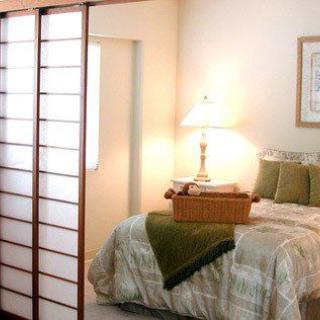
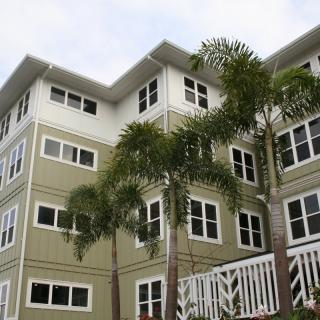
Tj Factora Care Home in Pearl City, HI is a fully furnished assisted living community that offers a range of amenities and care services to meet the needs of its residents. The dining room provides an inviting space for meals, while housekeeping services ensure that the living spaces are always clean and tidy. Residents can enjoy the beautifully manicured garden and outdoor space, providing opportunities for relaxation and socializing. Telephone and Wi-Fi/high-speed internet are available for residents to stay connected with loved ones.

The care services at Tj Factora Care Home include assistance with activities of daily living such as bathing, dressing, and transfers. The staff also coordinate with health care providers to ensure that residents receive the necessary medical care. Special dietary restrictions, including diabetes diets, are accommodated in the meal preparation and service. Medication management is provided to ensure that residents take their medications as prescribed.

Transportation is arranged for medical needs, including transportation to doctors' appointments. Scheduled daily activities keep residents engaged and entertained. In addition, there are various nearby amenities that cater to different interests and needs. Five cafes provide opportunities for socialization outside of the community. Nearby parks offer green spaces for recreational activities. Twenty pharmacies ensure convenient access to medications.

With 26 physicians in the vicinity, residents have multiple options when it comes to healthcare providers. Eleven restaurants nearby offer a variety of dining options for those who want to explore different cuisines. Transportation options are readily available with three options nearby. Two places of worship cater to spiritual needs while two theaters offer entertainment opportunities. Lastly, four hospitals nearby provide peace of mind knowing that emergency medical care is easily accessible.

Overall, Tj Factora Care Home in Pearl City, HI offers a comfortable and supportive environment where residents can maintain their independence while receiving personalized care and enjoying a variety of amenities both on-site and nearby

Nearby Places of Interest

Restaurants

  • Zippy's Pearl City (0.2 miles)
  • Burger King (1 miles)
  • Anna Miller's Restaurant (1.6 miles)
  • Honolulu Kitchen (2.2 miles)
  • McDonald's (2.5 miles)
  • Restaurant 604 (2.6 miles)
  • McDonald's (3 miles)

Pharmacies

  • Longs Drugs (0.3 miles)
  • Longs Drugs (0.7 miles)
  • CVS Pharmacy (0.7 miles)
  • Times Supermarkets (1 miles)
  • Longs Drugs (1.9 miles)
  • Times Supermarket (2.3 miles)
  • Good Neighbor Pharmacy (2.5 miles)

Cafes

  • The Coffee Bean and Tea Leaf (0.4 miles)
  • Starbucks (2.7 miles)
  • Starbucks (3.1 miles)
  • Starbucks (4.1 miles)
  • Starbucks (4.8 miles)
  • Starbucks (5.1 miles)

Transportation

  • Pearl City Manana Bus Facility (0.6 miles)
  • Terminal 1 (4.9 miles)
  • Baggage Claim 9-11 (5 miles)
  • United Airlines (5 miles)
  • Terminal 2 (5 miles)
  • Ewa Concourse (5.1 miles)
  • Daniel K. Inouye International Airport (HNL) (5.2 miles)

Parks

  • Neal S. Blaisdell Park (0.9 miles)
  • Manana Neighborhood Park (1.3 miles)
  • Manana District Park (1.4 miles)
  • Salt Lake District Park (4.6 miles)
  • Mililani District Park (4.6 miles)

Physicians

  • Lance M. Taniguchi (1 miles)
  • TinHan Orthodontics (1 miles)
  • Wayne M Suga, MD (1 miles)
  • Randall Nitta, MD (1.1 miles)
  • Alyson A Tamamoto, MD (1.1 miles)
  • Primary Care Plus (1.1 miles)
  • Pali Momi Neurology Clinic (2.1 miles)

Hospitals

  • Waimano Hospital Dental Clinic (1.8 miles)
  • Kaiser Permanente Hospital (3 miles)
  • Kaiser Permanente Moanalua Medical Center (4.9 miles)
  • Kaiser Permanente Hospital (4.9 miles)
  • Asn Consulting Services (5.5 miles)
  • Sparks M. Matsunaga VA Medical Center (5.5 miles)

Theaters

  • Sharkey Theater (3.1 miles)
  • Consolidated Theatres Mililani 14 (4.9 miles)

Places of Worship

  • Community Lutheran Church Wels (3.6 miles)
  • St Philomena Church (4.7 miles)

Frequently Asked Questions

Where is Tj Factora Care Home?

Nearby Communities

  • Pearl City Nursing Home

    Pearl City Nursing Home

    Pearl City, HI

    3.2 from 28 reviews
     

    pro Compassionate staff and a clean, well-kept facility.

    Pearl City Nursing Home reviews
    Pearl City Nursing Home images

  • Mary Ann's

    Mary Ann's

    Pearl City, HI


    pro All-inclusive care with medical coordination, dietary support, and transportation.

  • Hale O'Hauoli

    Hale O'Hauoli

    Pearl City, HI

    4.7 from 3 reviews
     

    pro Strong access to nearby amenities and healthcare services.

    Hale O'Hauoli reviews

  • Sweet Haven

    Sweet Haven

    Pearl City, HI


    pro Small, four-resident community enabling personalized care with comprehensive amenities.

  • Moonlight Vista Arch

    Moonlight Vista Arch

    Pearl City, HI


    pro Comprehensive care and amenity-rich environment (ADL support, meals, 24/7 supervision, housekeeping, transportation, and scheduled activities).

  • Maestro Care Home

    Maestro Care Home

    Pearl City, HI


    pro Intimate 4-resident community with 24-hour supervision and comprehensive care.

  • Aloha Angel Care LLC

    Aloha Angel Care LLC

    Waipahu, HI

     
    $3,000 to $5,595 / month

    pro Competitive pricing with diabetic care

    Aloha Angel Care LLC costs
    Aloha Angel Care LLC images

  • The Plaza At Moanalua

    The Plaza At Moanalua

    Honolulu, HI

    4.6 from 8 reviews
    $3,650 to $5,775 / month

    pro Private studio option for added privacy; VA partnership may reduce costs.

    The Plaza At Moanalua costs
    The Plaza At Moanalua reviews
    The Plaza At Moanalua images

  • The Plaza At Mililani

    The Plaza At Mililani

    Mililani, HI

    4.7 from 14 reviews
    $3,125 to $4,100 / month

    pro Clean, well-organized facility with friendly staff and engaging activities, plus a convenient Mililani location.

    The Plaza At Mililani costs
    The Plaza At Mililani reviews
    The Plaza At Mililani images

Related Resources

  • va benefits for assisted livingAssisted Living Support for Veterans: A Complete and Detailed Overview

    The guide highlights the importance of assisted living facilities for aging veterans needing daily support, discusses unique challenges they face, and outlines available financial assistance from the VA, including the Aid and Attendance program. It emphasizes understanding eligibility criteria and navigating the VA system to access necessary benefits effectively.

  • assisted living vs skilled nursingExploring the Contrasts Between Assisted Living and Skilled Nursing

    The article compares assisted living and skilled nursing facilities, detailing their differing levels of assistance, medical support, cost structures, and day-to-day experiences. It emphasizes that assisted living is for those needing help with daily activities while maintaining independence, whereas skilled nursing facilities provide intensive medical care with 24-hour staff supervision.

  • when to move from assisted living to nursing home8 Key Indicators That Suggest It May Be Time to Transition from Assisted Living to Skilled Nursing Care

    The transition from assisted living to skilled nursing care is often prompted by complex medical needs that assisted living cannot meet, with key indicators including frequent health declines, increased falls, severe memory issues, and caregiver burnout. Families should recognize these signs early to discuss options with healthcare providers and prepare for the emotional and logistical aspects of moving to a facility that offers comprehensive medical support.