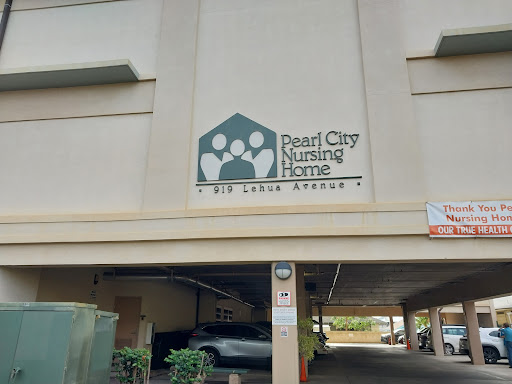

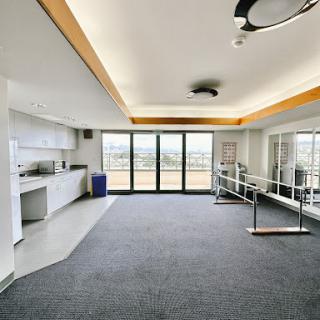

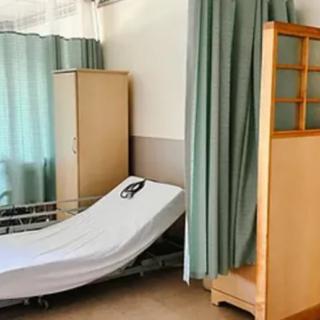
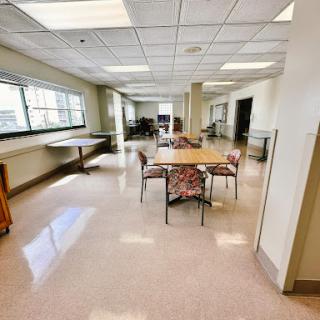



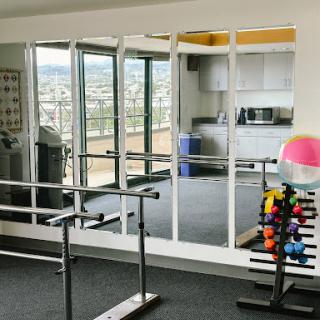
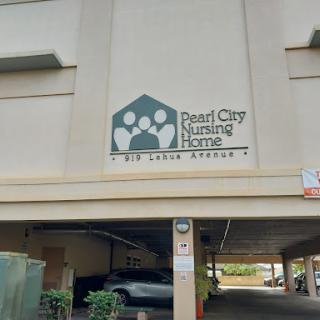
919 Lehua Avenue, Pearl City, HI 96782
For more information about senior living options: (866) 208-4318
Overall Review of Pearl City Nursing Home
Pros
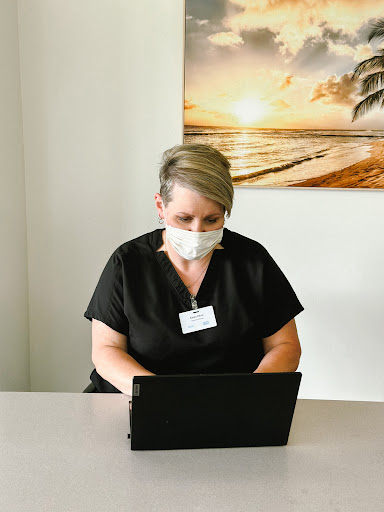
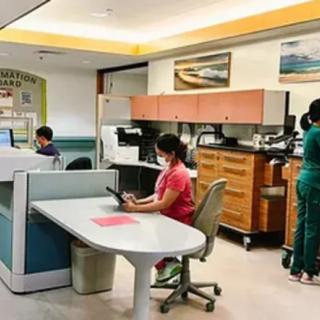
 The nurses and staff are well trained, accommodating, and helpful.
- The CNAs are compassionate and hardworking, and the RNs provide skilled medical care with timely medications.
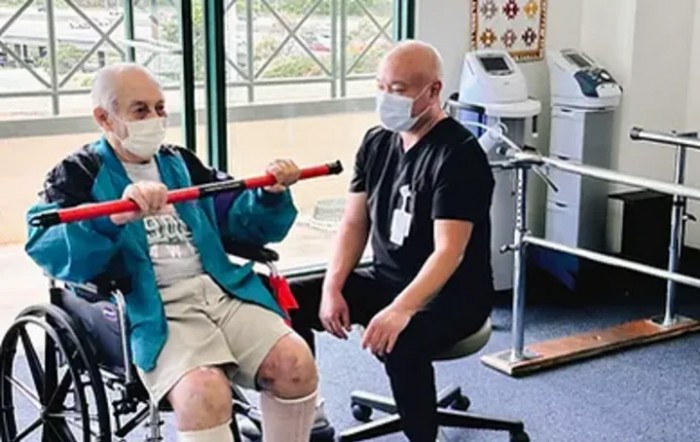
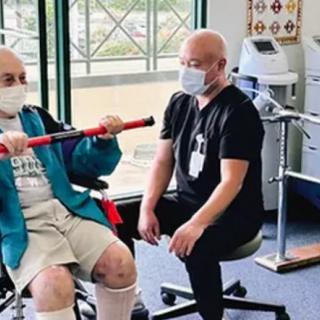
- The rehab team from PT, OT, and Speech, led by Kacie, is an awesome Ohana team—always there to help and answer questions.
- The facility is described as the total package.
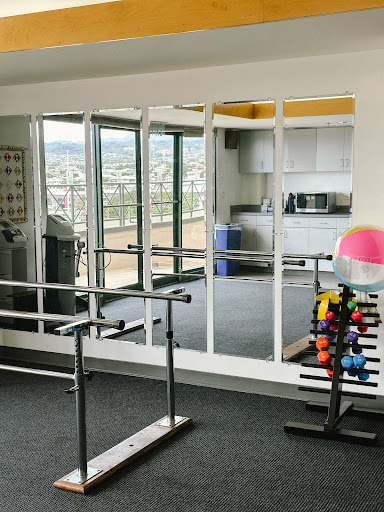
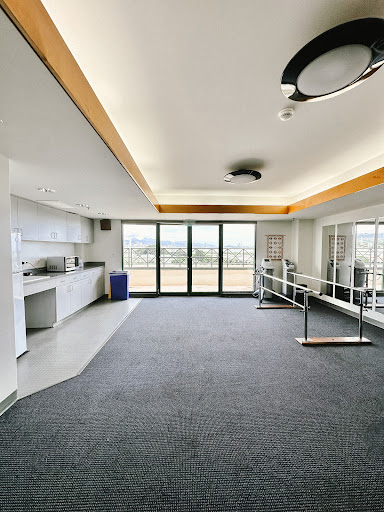
- The rehab program helps patients regain confidence and mobility through consistent, dedicated care.
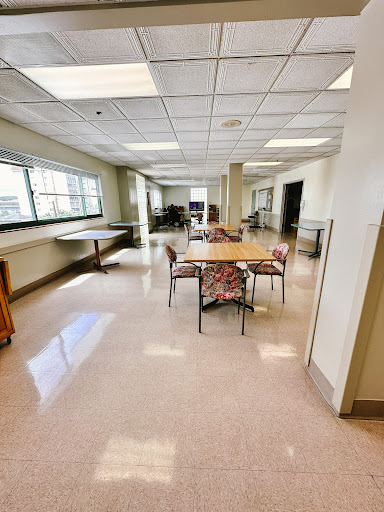
- The kitchen provides healthy meals with a variety of ethnic options and substitutions.
- The activity staff are vibrant, offering engaging activities and games to complement medical care and therapy.
- The administrative staff provide essential support to keep stays productive, pleasant, and goal-oriented.
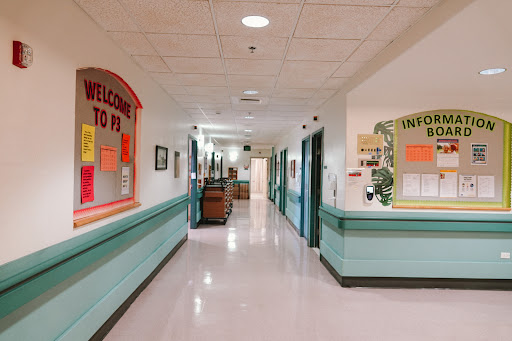
- The environment is clean, and the staff consistently assist residents.
Cons
 The facility provided horrible care that led to the resident’s heart stopping.
- Wound care visited only once a week, allowing the infection to worsen and the resident to lose mobility.
- Hygiene standards were horrendous; residents were not bathed or changed promptly after accidents.
- The facility waits four hours to notify families during emergencies, which is inhumane and unacceptable.
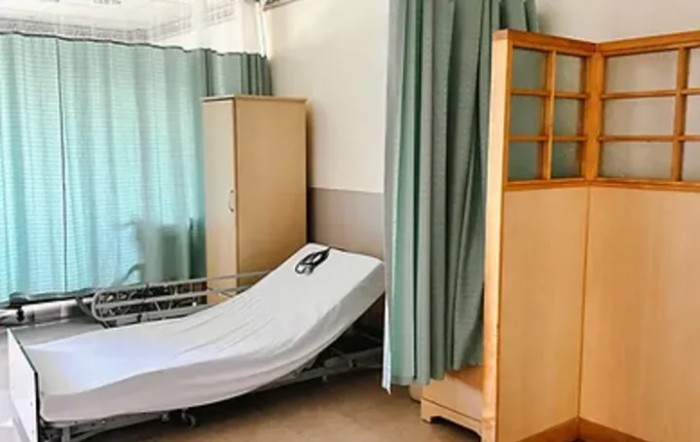
- The environment looked depressing and resembled third-world conditions, with unkept, overcrowded rooms.
- Nurses were totally clueless and delayed basic care, including getting an IV and meals to residents.
- Understaffing and language barriers among immigrant nurses contributed to dangerous care.
- Care staff ignored visitors and spoke to them irritably when interrupted; social workers were unresponsive.
- The social worker prioritized paperwork over fulfilling the resident’s wishes.
- The facility was old, unorganized, and the meals were poor, indicating a lack of patient-centered care.
Review
Pearl City Nursing Home is best suited for families seeking short-term rehab with Medicaid coverage and who can actively supervise care and advocate for their loved one. The facility has repeatedly shown that when rehab teams and nursing staff are engaged, progress is real: patients can regain sitting abilities, stand, and even walk again with consistent therapy and timely medications. The environment can feel warm and family-friendly when the right people are in place, and a notable portion of residents and families praise the rehab-focused approach, the Ohana-like teamwork, and the emphasis on getting patients back to daily living.
However, this community is not for those who require unwavering consistency in basic nursing care, meticulous hygiene, or transparent, reliable family communication. Several reviews recount severe lapses: neglected wounds and infections, poor daily hygiene, delayed doctor visits, and long waits for pain medications. The horror stories about delays in notifying families during emergencies and concerns about HIPAA practices point to systemic gaps in accountability and communication. If a loved one requires steady, predictable care, uninterrupted supervision, and a facility with consistently strong housekeeping and infection control, alternatives should be explored.
The pros are tangible and meaningful for rehab-focused stays. The strongest advocates cite professional, capable RNs and CNAs, skilled medical care, and rehab teams that push patients to regain strength quickly. Therapy, physical, occupational, and speech, is described as robust, with therapists who build confidence and deliver practical progress that families can witness at discharge. The culinary and activity programs add texture to daily life, with meals that offer variety and engaging activities that encourage participation. Administrative staff are praised for supporting goal-directed stays, making the overall rehab experience feel coherent and goal-oriented when things run smoothly.
Counterbalancing these strengths are persistent, high-impact cons. The most troubling patterns involve inconsistent care quality, with some staff appearing overwhelmed or inattentive, especially on night shifts. Reports of infrequent wound care visits, delayed pain management, and residents left waiting for essential assistance paint a picture of risk that cannot be ignored. Communication gaps, families waiting hours or days for updates, social workers perceived as more focused on paperwork than resident wishes, further erode trust. The facility’s aging physical plant and overcrowding mentioned in some reviews also contribute to a sense that safety and comfort can depend on the day and on who is on duty.
In weighing the balance, the key question becomes: is the potential for meaningful rehabilitation enough to offset the risk of inconsistent care and communication problems? For families with a loved one who can benefit from an aggressive rehab program and who are prepared to stay engaged, Pearl City Nursing Home can deliver real gains and a supportive rehab atmosphere. Yet for residents needing continuous, high-touch nursing, meticulous hygiene, rapid medical response, and transparent, dependable family updates, the risk of suboptimal experiences looms large. The variability across shifts and staff makes this a facility best approached with a plan for vigilant oversight rather than a passive expectation of quality.
Practical next steps for families: visit with a focused checklist, observe interactions between staff and residents, and request to speak with the head nurse and the rehab team. Seek a clear care plan that outlines wound care protocols, pain management timelines, and daily routines. Confirm how and when families will be updated during events or changes in condition, and review HIPAA and privacy practices before any admission. If the plan is to lean heavily on rehab to restore independence, insist on a concrete discharge goal, measurable therapy milestones, and regular progress notes. If any of these assurances cannot be provided, or if the resident requires consistently high standards of basic care, exploring alternatives is prudent. Pearl City Nursing Home can be a fit when rehab momentum and family advocacy are the engine, but it is not the default choice for every senior’s long-term care needs.
 122 resident community capacity
 Skilled Nursing Facility
 Air-conditioning
 Beauty salon
 Cable or satellite TV
 Computer center
 Dining room
 Fitness room
 Fully furnished
 Gaming room
 Garden
 Housekeeping services
 Kitchenette
 Move-in coordination
 Outdoor space
 Private bathrooms
 Restaurant-style dining
 Small library
 Telephone
 Wellness center
 Wi-Fi/high-speed internet available
 Honolulu International (6 miles away)
 Community operated transportation
 12-16 hour nursing
 24-hour call system
 Activities of daily living assistance
 Assistance with bathing
 Assistance with dressing
 Assistance with transfers
 Diabetes diet
 Medication management
 Mental wellness program
 Special dietary restrictions
 Concierge services
 Planned day trips



 Powerful Realities of Elder Abuse and the Most Effective Ways to Report It
 Ten Vital Duties of a Senior Caregiver: A Comprehensive Guide
 9 Stimulating Memory Activities for Seniors: Puzzles, Cards, and Much More