
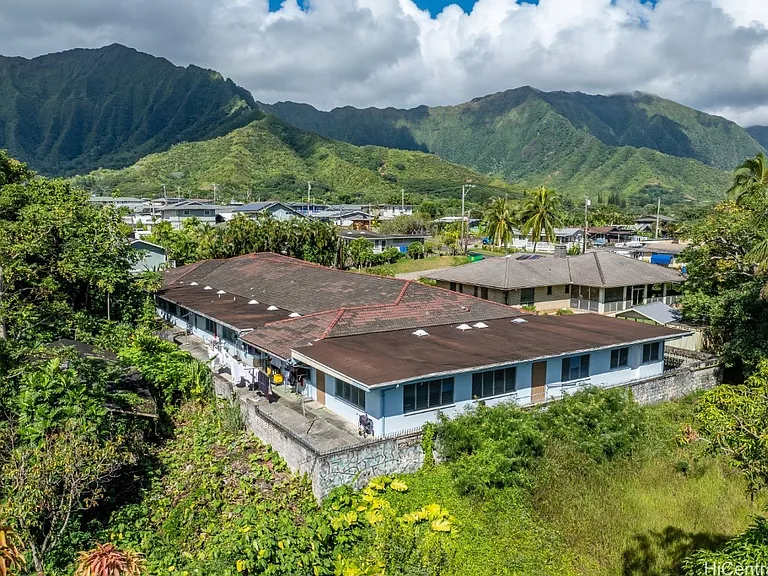
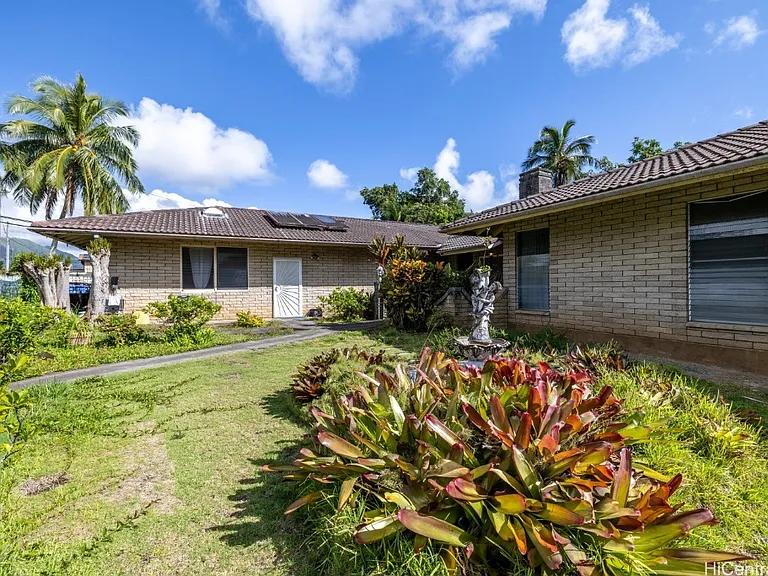
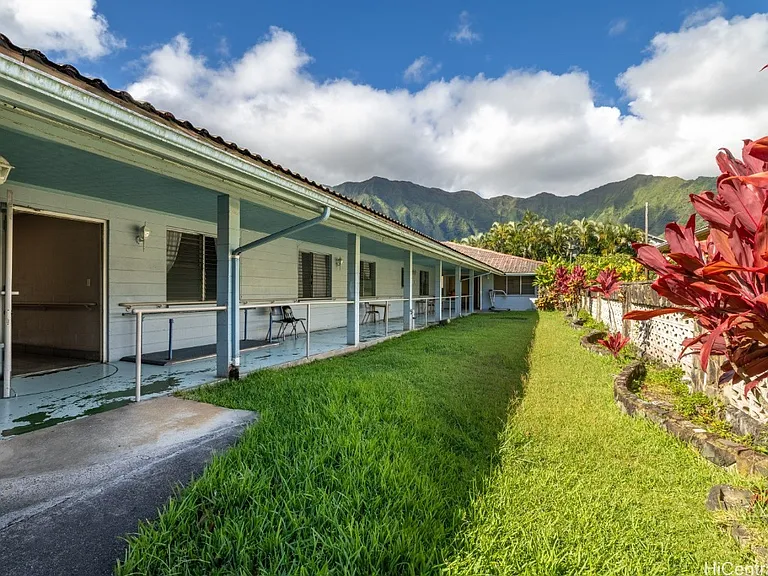
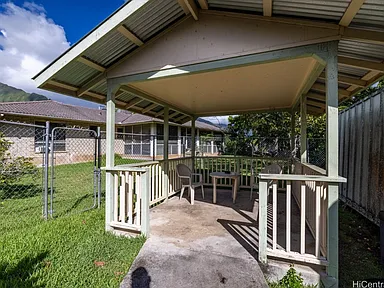
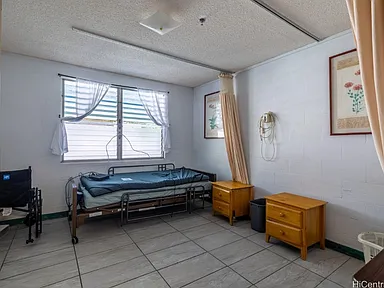
47-410 Ahuimanu Road, Kaneohe, HI 96744
For more information about senior living options: (866) 208-4318
Overall Review of Holy Family II
Cons
 The facility is a worse place to care for elderly people.
- The place is very dirty.
- The patients are very dirty and stinky too.
- The staff are unfriendly when questions about loved ones are asked.
- They seem unwilling to share information and tell people to wait for the owner or manager.
Review
Holy Family II in Kaneohe is best suited for budget-minded families that are prepared to take an active, vigilant role in supervising care. The reality reflected in the available observations is that residents’ well-being hinges on hands-on family involvement, steady oversight, and a willingness to challenge what is happening on a daily basis. In this setting, the care plan cannot be assumed to run itself; progress depends on consistently engaged families who can push for clear updates and timely responses.
Those who place a premium on cleanliness, transparent communication, and responsive staff should consider alternatives. The lone negative review frames Holy Family II as an environment where questions about a loved one’s condition are met with hesitation, and where information is not consistently shared without a nudge from management. For families seeking open dialogue, routine assurances about personal care, cleanliness standards, and daily routines, this facility may fall short. In a market with several options along Oahu’s windward coast, it is prudent to compare facilities that prioritize real-time information sharing and visible, ongoing housekeeping and sanitization.
The limited positive signal implied by any higher rating cannot meaningfully offset the most troubling findings. A facility’s appeal often rests on reliable communication and a sense that staff are engaged and attentive. When those elements are unstable, any potential advantages, such as lower cost, convenience, or a calm, small-community feel, can be quickly eclipsed by anxiety about daily care, dignity, and safety. If cost savings are a meaningful driver, they may be real, but the trade-off is a care environment where families must be ready to intervene regularly and to second-guess routine decisions that should be routine.
The explicit cons cited, dirtiness, both in the environment and among some residents, plus unfriendly staff and resistance to sharing information, pose serious risks to resident welfare and family confidence. A dirty facility raises questions about infection control, skin integrity, and overall comfort. When residents appear unclean, it signals potential gaps in daily monitoring, hygiene assistance, and appropriate assistance with activities of daily living. Unfriendly staff and gatekeeping behavior erode trust, undermine consent and cooperation, and complicate the caregiver-resident relationship. In short, the operational climate described creates a backdrop where quality of life declines and families become compelled to micro-manage.
From a practical standpoint, prospective residents and families should approach Holy Family II with a clear, structured plan for evaluation. During visits, observe cleanliness in common areas and rooms, ask to see a day’s schedule for hygiene assistance, and request concrete examples of how staff communicate with families. Inquire about who handles crisis communication, how often family updates are provided, and whether a designated liaison exists. Probe staff training on resident dignity, wandering and safety protocols, and how accountability is documented. Ask to speak with multiple staff members and, if possible, with current residents or their families about daily routines, responsiveness, and the overall atmosphere.
Ultimately, the decision hinges on whether the perceived low-cost appeal can be reconciled with trustworthy care and reliable transparency. If the answer leans toward doubt, stronger alternatives should be pursued, ideally places with demonstrably clean environments and open, proactive communication with families. If choosing Holy Family II is unavoidable in the short term, require a formalized care plan, written expectations for staff responsiveness, regular progress notes, and a clearly defined process for escalating concerns. Establish a trial period with measurable milestones and a path for reassessment.
In sum, Holy Family II presents as a choice best avoided for families prioritizing cleanliness, warmth, and open dialogue. It may still work for households that can accept a high degree of family-led oversight and are comfortable pushing for information and standards on a daily basis. For most families, exploring options with stronger reputations for cleanliness and transparent communication will yield a clearer path to peace of mind and safer, more dignified care.
 40 resident community capacity
 Assisted Living
 Beauty salon
 Cable or satellite TV
 Dining room
 Fully furnished
 Garden
 Housekeeping services
 Kitchenette
 Move-in coordination
 Outdoor space
 Telephone
 Wi-Fi/high-speed internet available
 Honolulu International (10 miles away)
 24-hour call system
 Activities of daily living assistance
 Assistance with bathing
 Assistance with dressing
 Assistance with transfers
 Diabetes diet
 Meal preparation and service
 Medication management
 Mental wellness program
 Special dietary restrictions
 Transportation arrangement (medical)
 Transportation to doctors appointments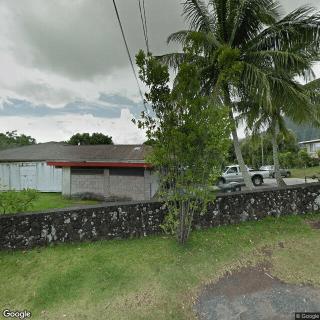
 Diabetic care with social and spiritual activities



 Comprehensive Insights into Activities of Daily Living (ADLs) and Their Assessment
 Medicare Coverage for Assisted Living: An In-Depth Exploration
 Choosing the Right Senior Care: A Detailed Exploration of Assisted Living and Nursing Homes