
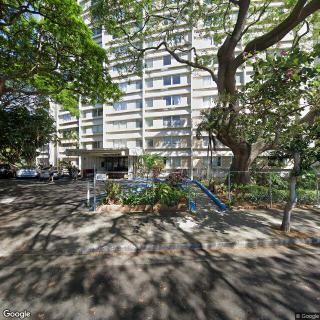
99-1657 Aiea Heights Drive, Aiea, HI 96701
For more information about senior living options: (866) 208-4318
Overall Review of Aiea Heights Senior Living
Pros
 The staff at Aiea Heights Senior Living are attentive and caring.
- Jane, the nurse in charge, is compassionate, responsive, responsible, accommodating, cheerful, and easy to work with.
- Jane promptly addresses residents' concerns to ensure they are happy with their stay.
- The nurses and CNAs provide 24/7 care and are understanding and helpful.
- An activities/recreation person coordinates engaging exercises for the seniors.
- There is a nice living area with a pleasant view and good communication with families.
- The staff have become like family to residents and their families, creating a warm, welcoming environment.
Cons
 The facility is described as terrible, with a warning not to send one’s parents there.
- The service, food, and overall environment are terrible, and CNAs sleep during the night shift.
- The cost of care is very expensive in Hawaii.
- There aren’t usable amenities and residents can’t really go outside.
- The food is disliked and said to lack flavor due to dietary restrictions.
Review
Aiea Heights Senior Living is best suited for families seeking a small, intimately staffed environment where daily caregiving is reliable, personalized, and tightly coordinated. The standout strength is the staff culture, led by a nurse in charge described as compassionate, responsive, responsible, accommodating, cheerful, and easy to work with. This is not a facility built on glitz; it is a home-like setting where 24/7 caregivers, including nurses and CNAs, are readily available, and where care plans are anticipated and adjusted in advance for doctor appointments and medication needs. For residents who thrive on steady human contact, clear communication, and a consistent team that knows their routine, this community offers a reassuring rhythm and a sense of being truly looked after. The combination of a small-scale living area, an engaged activities coordinator, and a view-filled common space creates a workable balance between oversight and comfort.
Those who must consider alternatives are typically driven by two realities: budget and lifestyle expectations. Medicaid acceptance is not offered here, which makes this a private-pay proposition for families relying on government support or spend-down strategies. For budget-conscious families or those with eligibility constraints, more affordable options or providers that accept Medicaid may be essential. Additionally, potential residents who expect more expansive amenities, frequent outings, larger common areas, or a broader dining program may find the current footprint limiting. The emphasis on homey, personalized care comes at the cost of fewer on-site diversions and a more modest set of community amenities. This is a setting where what you gain in caregiving intimacy can feel like a trade-off against lifestyle breadth.
The core pros, exceptional caregiver attentiveness, proactive nurse leadership, and consistent, open communication, tend to offset several notable drawbacks. The staff’s readiness to address concerns, from noisy roommate dynamics to meal quality concerns and timely medication needs, delivers tangible reassurance for families worried about ongoing supervision. The presence of a dedicated activities person and regular exercise options helps residents stay engaged, even when external outings are constrained. The ability to coordinate appointments, plan ahead, and maintain a steady caregiver-contact loop reduces family stress and fosters a sense of continuity in daily routines. In this light, the most significant investment is in people: a stable, caring team that shows up and follows through.
On the other hand, the cons are real enough to influence the decision for many families. The facility’s space is modest, with a small living area and limited outdoor access, which translates into fewer social venues and less variety in daily life. Food, while not universally maligned, is described as low-salt and low-fat with mixed reactions to taste, signaling that meal programs may not satisfy every palate. The lack of Medicaid acceptance remains a central constraint for many seniors and their families, constricting long-term affordability and planning. A single review alleging overnight staffing gaps also serves as a caution flag, underscoring the importance of validating night coverage and staffing consistency when evaluating risk tolerance for overnight care.
In practical terms, this community serves best a loved one who values dependable, person-centered care over a wide array of amenities. Families should prioritize confirming the strengths, nurse leadership, 24/7 care, responsive communication, and engaged activities, while isolating deal-breakers such as Medicaid eligibility, budget limits, and the desire for more expansive social spaces or dining options. For those weighing options, it is prudent to compare with facilities that offer Medicaid acceptance, larger common areas, more diverse programming, and perhaps different dining philosophies. If the budget supports private pay and the emphasis is on trusted caregivers who treat residents like family, Aiea Heights presents a compelling middle ground between hospital-level oversight and a homey atmosphere.
The practical takeaway is clear: Aiea Heights Senior Living is a solid, highly cared-for choice for families prioritizing personal attention, nurse-led coordination, and a calm, intimate setting. It is less suitable for those who require Medicaid participation, a wide range of on-site amenities, or robust dining variety, or for families who fear potential night-shift coverage gaps. A prudent decision plan involves visiting with a focused checklist: assess the strength and availability of the primary caregiver team, verify night coverage, sample meal options, evaluate the adequacy of common spaces, and confirm the exact Medicaid status and payment pathways. When these factors align, the community can deliver the dependable, compassionate care that many elders value most in their daily lives.
 22 resident community capacity
 Assisted Living
 Beauty salon
 Cable or satellite TV
 Dining room
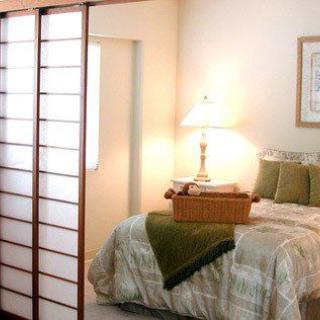
 Fully furnished
 Garden
 Housekeeping services
 Kitchenette
 Move-in coordination
 Outdoor space
 Telephone
 Wi-Fi/high-speed internet available
 Honolulu International (5 miles away)
 24-hour call system
 Activities of daily living assistance
 Assistance with bathing
 Assistance with dressing
 Assistance with transfers
 Diabetes diet
 Meal preparation and service
 Medication management
 Mental wellness program
 Special dietary restrictions
 Transportation arrangement (medical)
 Transportation to doctors appointments



 Understanding the True Cost of Assisted Living in 2025: A Comprehensive Guide
 Understanding Medicaid Coverage for Assisted Living: A Comprehensive Guide
 How and When Medicaid May Cover Assisted Living Costs