
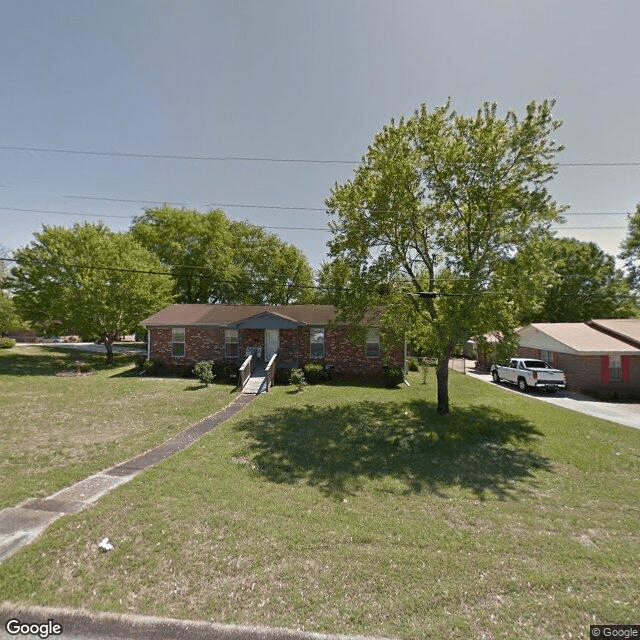
1008 East 12Th Street, West Point, GA 31833
To contact a resident: (706) 645-5591
For more information about senior living options: (866) 208-4318
Matrel's Personal Care Home Costs & Pricing
Matrel's Personal Care Home offers a range of monthly accommodation options that reflect both the quality of care provided and the local market trends. For semi-private rooms, costs range from $1,700 to $4,100, which is competitive compared to Troup County's average of $2,707 and Georgia's average of $2,529. Private room rates at Matrel's fall between $2,000 and $4,920, again positioning them above the state average of $2,864 but slightly below Troup County's average of $3,177. For those seeking a studio arrangement, Matrel's offers a flat rate of $5,330 per month - significantly higher than both county ($4,459) and state averages ($3,520). These pricing structures suggest that while Matrel's provides premium care options that may exceed local averages for some room types, it also reflects the tailored services and personalized care available to residents.
| Floor plans | Matrel's Personal Care Home | Troup County | Georgia |
|---|---|---|---|
| Semi-Private | $1,700 to $4,100 | $2,707 | $2,529 |
| Private | $2,000 to $4,920 | $3,177 | $2,864 |
| Studio | $5,330 | $4,459 | $3,520 |
Assisted Living communities with a similar price nearby
-
from -$200 / mo

Auburn Assisted Living
$3,900 to $4,200 / month24.8 miles away -
from -$740 / mo
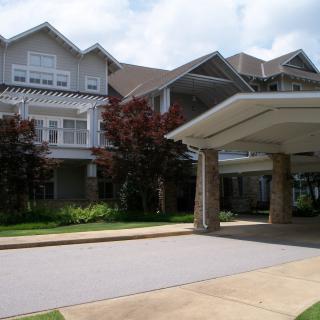
Vernon Woods Retirement Community
$3,360 to $4,040 / month12.4 miles away -
from -$780 / mo
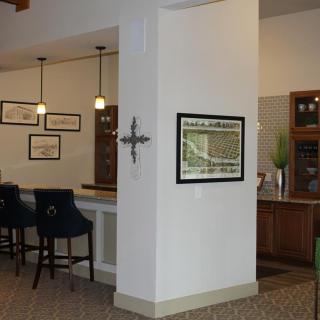
Oaks at Grove Park
$3,320 to $5,500 / month24.8 miles away -
from -$805 / mo

Savannah Grand of Columbus
$3,295 to $3,795 / month24.7 miles away
Overall Review of Matrel's Personal Care Home
Pros
 The facility is very nice.
- It is extremely clean and well kept.
- The owner is very warm and kind.
- They would definitely recommend it.
Review
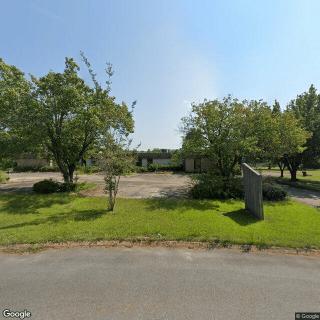
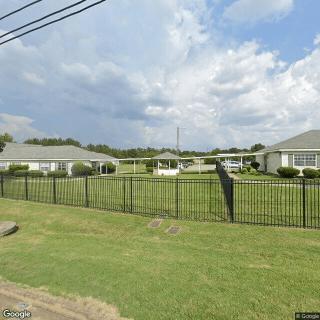
Matrel's Personal Care Home in West Point, GA is best suited for families seeking a small, home-like care environment where cleanliness and the personal touch of an owner-operator define daily life. This community works well for seniors who prioritize a warm, down-to-earth setting over the anonymity of larger facilities, and who value consistent cleanliness and a clearly engaged, approachable administrator. In short, it serves residents who want to know the person responsible for day-to-day care and prefer a tidy, comfortable space that feels more like a private residence than a clinic or memory-park.
From the available observations, the facility delivers on its promise in tangible ways. The space is described as very nice, exceptionally clean, and well kept, which translates into fewer concerns about hygiene, odor control, and general upkeep. Cleanliness becomes a practical form of peace of mind for families, particularly when visits are frequent and interactions with staff are direct rather than mediated through an administrator. The owner’s warmth and kindness are not merely social niceties; they signal reliability, responsiveness, and a capacity to address day-to-day concerns without bureaucratic delays. That combination, spotless surroundings plus a personable administrator, creates a living environment where residents are more likely to feel secure and well-cared-for.
Yet, every setting carries trade-offs, and this small home-style model is no exception. The most explicit drawback often faced in similar arrangements is a relatively modest scale of services, with limited on-site medical oversight and fewer structured programs than found in larger communities. For families evaluating Matrel’s, the key trade-off becomes clear: the same intimate attention that yields warmth and quick problem resolution may not align with high-acuity needs or complex care regimens that require more formal staffing ratios, 24/7 medical supervision, or expansive activity calendars. Those who anticipate needing extensive rehabilitative services, frequent physician visits, or highly specialized dementia programming may want to compare alternatives that offer broader in-house capabilities.
With these factors in mind, the positives, crisp cleanliness, a welcoming owner-operator model, and a genuine sense of being cared for, largely offset the potential downsides for residents who fit a specific profile. Families prioritizing a calm, homelike atmosphere, where staff responsiveness feels immediate and where housekeeping standards are non-negotiable, will find in Matrel’s a dependable option. The personal touch can translate into calmer mornings, fewer miscommunications, and a sense of continuity in routines that many seniors value highly. For such residents, the model’s simplicity becomes a strategic advantage rather than a limitation.
To move from impression to decision, prospective families should structure a visit around practical, decision-driving inquiries. Confirm the level of care available on-site and how emergencies are handled after hours. Observe staff interactions with residents to gauge responsiveness, warmth, and whether residents seem engaged. Inquire about room options, meal quality, and the flexibility of daily schedules to accommodate personal preferences. Ask about transparency in pricing, what services are included, and how potential increases are managed if care needs evolve. Finally, seek direct references from current residents or families to validate impressions of cleanliness, reliability, and the owner’s ongoing involvement.
Bottom line: Matrel's Personal Care Home is a strong match for families seeking a clean, warmly run, small-scale setting where residents benefit from personal attention and a home-like feel. It suits seniors who can thrive with a lower-key program, fewer medical-on-site offerings, and a close-knit care team led by a personable owner. Those with high medical needs, a desire for extensive structured activities, or a preference for a facility with large-scale resources should consider alternatives that offer broader clinical support and a wider array of on-site services. In either case, a direct visit will reveal whether the environment aligns with the resident’s realities and the family’s expectations.
 6 resident community capacity
 Assisted Living
 Board and Care Home
 Activities off-site
 Bath tubs
 Beautician on-site
 Cable or satellite TV
 Devotional services off-site
 Dining room
 Fully furnished
 Garden
 Housekeeping services
 Indoor common areas
 Move-in coordination
 Outdoor common areas
 Private
 Private bathrooms
 Respite or short term stays offered
 Telephone
 Wheelchair accessible showers
 Wi-Fi/high-speed internet available
 24-hour supervision
 Ambulatory care
 Assistance with bathing
 Assistance with dressing
 Assistance with transfers
 Diabetes diet
 Diabetic care
 High acuity care
 Meal preparation and service
 Medication management
 Special dietary restrictions
 Transportation arrangement (medical)
 Transportation to doctors appointments




 Choosing the Right Senior Care: A Detailed Exploration of Assisted Living and Nursing Homes
 Understanding the True Cost of Assisted Living in 2025: A Comprehensive Guide
 Understanding Medicaid Coverage for Assisted Living: A Comprehensive Guide