

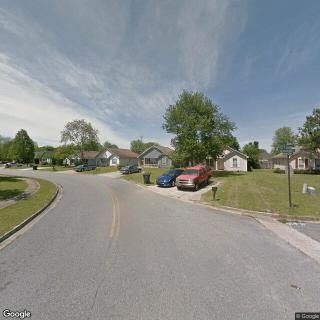
502 North Houston Road, Warner Robins, GA 31093
For more information about senior living options: (866) 208-4318
Overall Review of Gramps N Grannies II
Pros
 Residents feel at home and treated like family by the staff.
- Kelli is always available to talk to residents.
- Mrs. Kelli is kind and makes residents smile.
- The food is fresh and of high quality, with friendly staff.
- Some caregivers are amazing.
- The community provides a sense of home and belonging.
- Residents feel less lonely and happier there.
Cons
 One reviewer would never recommend this place for a loved one.
- They describe the owner/administrator as part of the problem among the “sour apples” in the staff.
- They say it would be doing the city a favor to close the doors.
- They state the facility deserves none of the stars and that one star was only given to post a review.
- They note that service was slow, even though the food quality was good.
- They warn others not to leave a loved one there.
Review
Gramps N Grannies II in Warner Robins, GA is best suited for seniors who crave a small, home-like atmosphere where relationships feel personal and staff are readily accessible. This community tends to attract residents who value daily companionship, warmth from caregivers, and the sense that someone genuinely looks out for their well-being. It works for families seeking a setting with long-tenured residents and a clear emphasis on interpersonal connection, even if that comes with some variability in how care is delivered from shift to shift and leadership matters.
The strongest positives center on belonging and emotional well-being. Residents describe staff as familial and approachable, with examples of caregivers who feel like family and make residents smile. The social environment is evidently meaningful: people form friendships, report reduced loneliness, and express greater happiness versus prior arrangements. Food is frequently cited as a plus, contributing to comfort and routine, while the availability of attentive staff, especially someone like Kelli who is consistently reachable, helps residents feel cared for and less anxious about daily needs. For someone who values a supportive, conversational daily life, these elements are not small.
Yet, significant red flags emerge in other voices. One reviewer explicitly cautions against placing a loved one there, framing it as a warning rather than a recommendation. The most pointed critique highlights inconsistent care quality across staff, dubbing some team members as “sour apples” and placing responsibility on the owner/administrator. That perspective captures a real fracture in perceived leadership and accountability, with a stance that the facility would benefit from closure if problems aren’t resolved. The stark contrast between glowing personal experiences and these critical comments marks a central tension families must weigh.
In weighing pros against cons, the home-like atmosphere and meaningful personal interactions can compensate for occasional service delays and uneven caregiving, provided the core team remains stable and responsive. When staff are consistently compassionate and the administrator is engaged in addressing concerns, residents can enjoy meaningful social lives, good meals, and a sense of belonging that supports mental well-being. The practical takeaway is that the quality of day-to-day interactions and the responsiveness of leadership are decisive: if those elements hold, the environment can deliver genuine value even amid sporadic operational hiccups.
However, this facility may not be right for every family. Those prioritizing uniformly standardized care plans, consistently high ratings, and a transparent, uniformly positive leadership presence should consider alternatives. The mixed feedback, strong affection from some residents contrasting with sharp warnings from others, signals a decision that hinges on risk tolerance and the specific resident’s needs. For seniors requiring meticulous, consistently monitored care and a tightly managed care trajectory, other communities with steadier oversight and higher consensus ratings would likely be a safer fit.
To proceed with clarity, families should conduct a targeted, uncovering evaluation. Visits should extend across multiple shifts to observe how staff interact with residents and how the administrator responds to concerns in real time. Engage with several residents and their families to parse out which experiences mirror reality and which are anecdotal. Request a current care plan, review staffing patterns, and ask about meal service timelines and how nutritional needs are documented and met. Verify licensing, safety checks, and any known issues. If warmth, connection, and a sense of family align with what matters most, Gramps N Grannies II can be a strong choice; if not, it’s wise to keep exploring options that promise steadier professional oversight and consistently solid care.
 15 resident community capacity
 Assisted Living
 Board and Care Home
 Cable or satellite TV
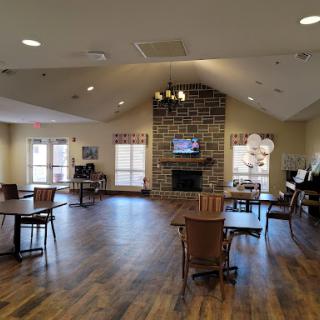
 Dining room
 Fully furnished
 Garden
 Housekeeping services
 Move-in coordination
 Outdoor space
 Telephone
 Wi-Fi/high-speed internet available
 Middle Georgia Regional (5 miles away)
 24-hour supervision
 Activities of daily living assistance
 Assistance with bathing
 Assistance with dressing
 Assistance with transfers
 Diabetes diet
 Meal preparation and service
 Medication management
 Special dietary restrictions
 Transportation arrangement (medical)
 Transportation to doctors appointments




 When to Transition from Assisted Living to Memory Care: Key Indicators, Steps, and Finding the Right Community
 Assisted Living and Memory Care: Understanding Their Core Differences
 Beyond the Bingo Hall: 50+ Enriching Activities for Seniors in Assisted Living