
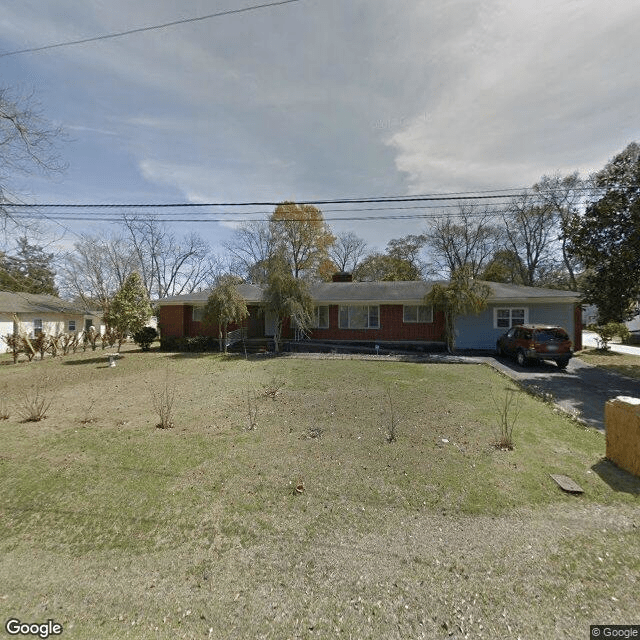
709 Thompson Street, Vidalia, GA 30474
To contact a resident: (912) 536-3898
For more information about senior living options: (866) 208-4318
Overall Review of Fuller House
Pros
 They are an awesome group of people.
- They provide great service.
- The home health team is great, very reliable and responsive.
- They have great nurses and therapists.
- People say nothing but great things about them.
Review
Fuller House in Vidalia, GA is best suited for seniors who want strong, professional in-home health support while remaining in their own residence. The community shines when a reliable, responsive team is needed to deliver skilled nursing and therapy without moving to an on-site campus. Families seeking prompt clinical attention, clear communication, and a coordinated care plan will find this option particularly compelling. The two positive reviews emphasize a capable, caring staff and a service-oriented approach, which translates into dependable in-home care that can adapt quickly to changing needs.
Those considering alternatives should note who may not be served as well by a home-health-focused model. If 24/7 on-site supervision, daily social programming, structured meals, or memory-care-specific oversight are priorities, an on-site assisted living or memory-care community will likely be a better fit. Additionally, for seniors who live farther from Vidalia or whose daily routines depend on highly integrated campus activities, a facility-based option can offer easier access to social life and around-the-clock staffing. This is not a knock on Fuller House; it simply defines the practical boundary of in-home health services versus a full residential setting.
The strongest pro is the people, an “awesome group” and a service culture that feels reliable and responsive. The reviews highlight great nurses and therapists delivering consistent care, with staff who are attentive to needs and quick to respond. That level of clinical engagement matters most when there are rehabilitation goals, frequent medication management, or complex nursing tasks. In real-world terms, families can expect tighter care coordination, fewer gaps between visits, and more confidence in adjusting care plans as conditions evolve. It’s precisely the kind of care ecosystem that reduces caregiver fatigue and supports staying at home longer.
Where the model reveals its limits, without the on-site social framework and around-the-clock presence, consumers should measure the trade-offs against personal priorities. The main offset is the exceptional clinical staff; the main potential drawback is the need to rely on scheduled visits rather than continuous supervision. For a senior who thrives on a daily on-site community life, Fuller House may not provide the same level of social stimulation or immediate, 24/7 coverage as a traditional assisted living setting. Still, for families that prize reliable medical support in the home, these strengths can substantially offset the lack of a physical community hub.
The small number of published experiences, two five-star reviews, can be comforting but is not a substitute for a direct, in-person assessment. The pattern of praise signals consistency in nursing and therapy quality, plus a responsive administrative spine. Prospective families should still verify practical details: exact coverage area, response times after hours, whether the team can accommodate specialized equipment or therapy modalities, and how care plans are communicated to the primary physician. In addition, it’s wise to request a care coordinator who can map out a week-by-week plan and outline what happens if conditions worsen.
In the end, Fuller House is a strong candidate for seniors who want professional in-home health support with highly capable nurses and therapists, delivered with reliability and a client-focused service mindset. For those whose priorities include a full-time on-site living environment, robust daily activities, or specialized memory-care settings, alternatives deserve serious consideration. The practical path is clear: align the care model with the elder’s needs, home-based medical care when independence and comfort at home are paramount, or a residential community when continuous supervision and social infrastructure are non-negotiable. Conduct a candid needs assessment, confirm service boundaries, and schedule on-site consultations to determine if this in-home model can sustain long-term quality of life or if a transition to a campus-based option better serves the goals of safety, engagement, and peace of mind.
 Board and Care Home


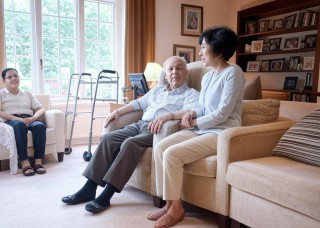 Nurturing Our Loved Ones: A Daughter's Journey in Caring for Her Mother
 Nurturing Our Elders: Linda's Journey of Supporting Her Mother
 A Comprehensive Exploration of Common Misunderstandings about Powers of Attorney