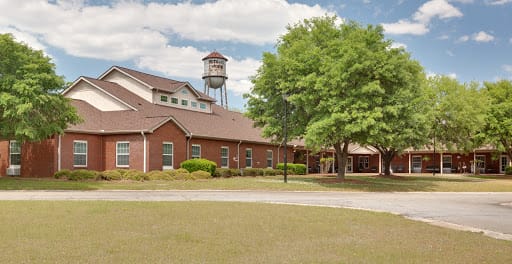









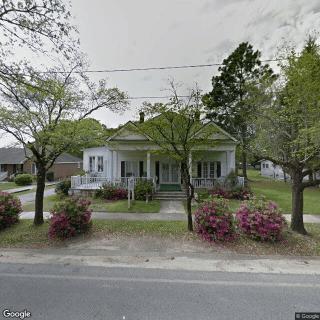
1400 NE Main St, Vidalia, GA 30474
To contact a resident: (912) 538-9700
For more information about senior living options: (866) 208-4318
The Oaks - Bethany Costs & Pricing
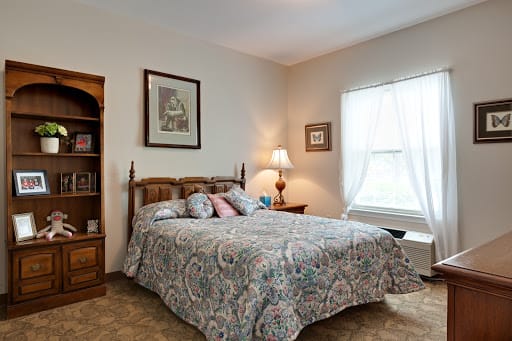
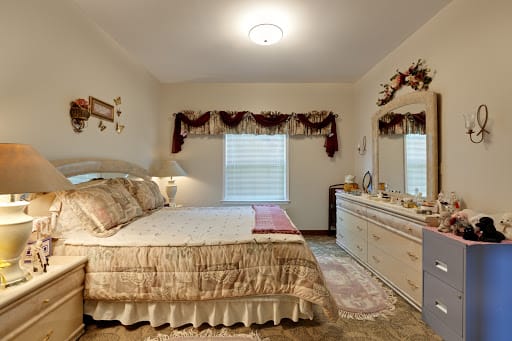
The Oaks - Bethany offers competitive pricing for its studio accommodations at $2,295 per month, positioning it slightly above the average for Treutlen County, which stands at $2,273. Notably, this rate is significantly lower than the statewide average in Georgia, where similar living arrangements can command around $3,520 per month. This makes The Oaks - Bethany an attractive option for those seeking quality housing within a supportive community while benefiting from cost savings compared to broader market trends in the state.
| Floor plans | The Oaks - Bethany | Treutlen County | Georgia |
|---|---|---|---|
| Studio | $2,295 | $2,273 | $3,520 |
Overall Review of The Oaks - Bethany
Pros
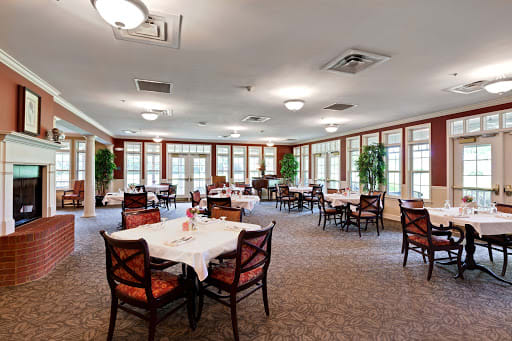
 The father is very pleased with this facility and loves the food and the dining room experience.
- The Dietary Manager takes excellent care of residents and listens to their opinions and food choices.
- The building is very clean.
- The DON is very caring and the Administrator is doing an excellent job with her staff.
- The new ownership is well-liked and the facility feels nicer, with no smoking allowed.
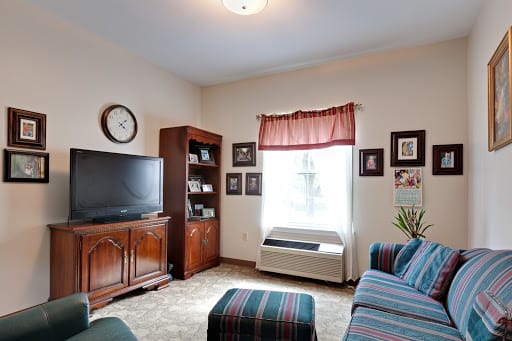
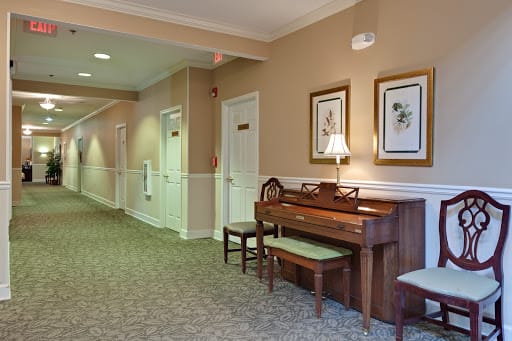
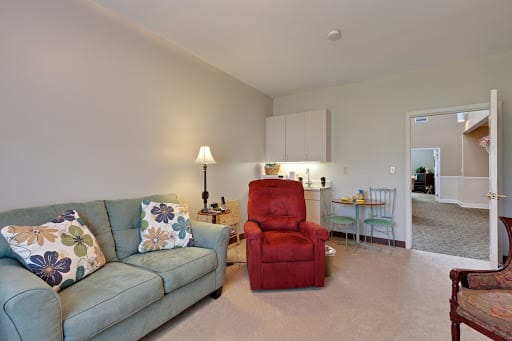
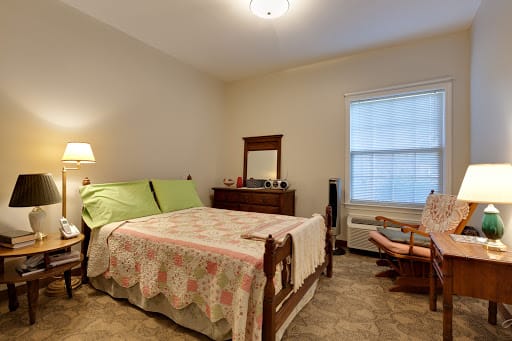
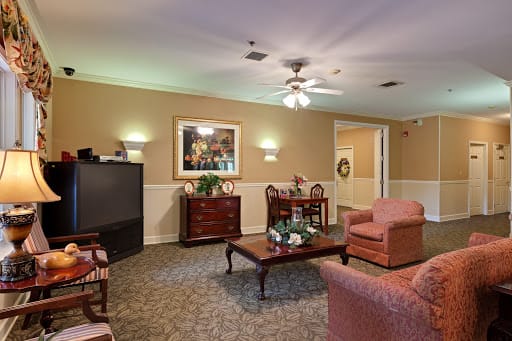
- The environment and cleanliness are highly regarded, and the activities offered meet residents’ needs.
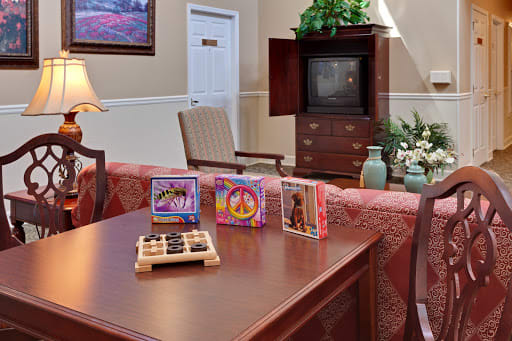
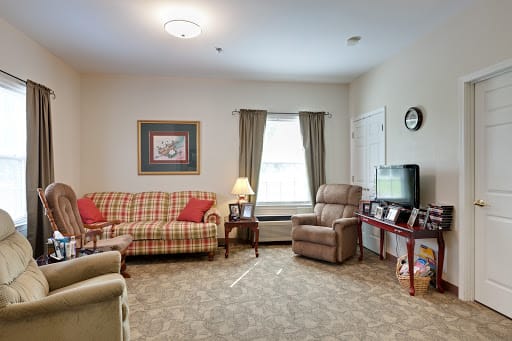
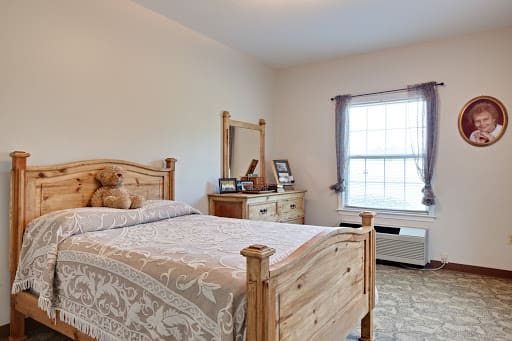
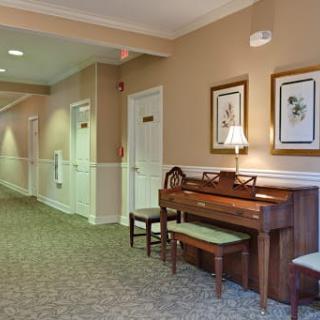
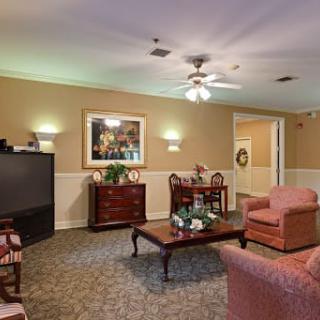
- Bethany Assisted Living is clean, newer, and spacious, with nice, kind, and caring staff who check on residents.
Cons
 They described the nurses as the worst back-stabbing nurses they had ever seen.
- They reported patients remaining soiled and that aides and nurses would walk by or push them down the hallway to avoid helping.
- They stated they were fussed at for having their call light on.
- They warned others to stay away, claiming a loved one could die quicker there.
Review
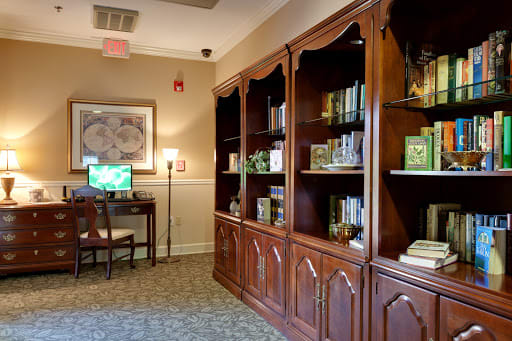
This community is best suited for families seeking a clean, newer, activity-rich assisted living setting in Vidalia that places a premium on dining quality and hands-on leadership. Residents who value a non-smoking environment, dependable housekeeping and upkeep, and a visibly engaged administrative team will find The Oaks - Bethany aligns with expectations. The building’s cleanliness and the emphasis on nutritional oversight, driven by a responsive Dietitian Manager, along with a caring DON and proactive Administrator signal daily reliability. With new ownership in place, the setting also suggests refreshed oversight and a forward-looking posture. In short, this is a strong fit for families prioritizing predictability, high-quality meals, and a robust social program within a modern, well-maintained space.
However, alternatives should be on the radar for families watching budget or needing more intensive medical supports. The most serious caveat in the community’s feedback is a single, stark report alleging neglect by certain staff members. While several families praise attentiveness and the dining program, that negative account cannot be dismissed. For loved ones requiring higher levels of skilled nursing, memory care, or constant clinical intervention, other communities with deeper medical staffing or clearer memory-care options may be a better match. Additionally, cost sensitivity matters here; the facility’s strengths come with a price tag that may stretch some budgets.
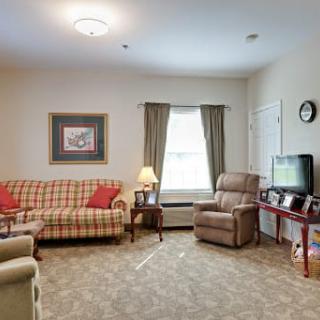
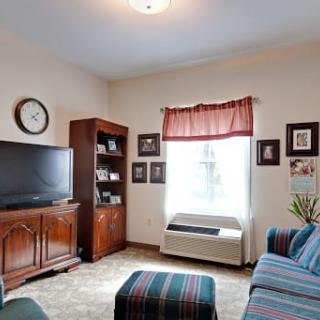
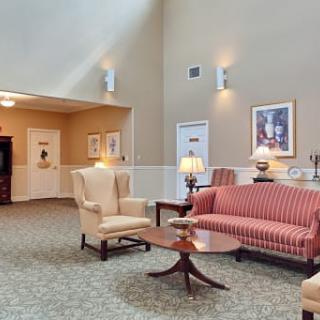
On the upside, three pillars distinguish The Oaks - Bethany: nutrition, leadership, and cleanliness. The Dietary Manager is repeatedly described as attentive and responsive to residents’ food preferences, which translates into a dining room atmosphere that feels personal rather than generic. The DON and Administrator are consistently cited as caring and effective stewards of care, offering residents a sense of security and continuity. The facility’s newer construction, spacious common areas, and strong activity slate further bolster satisfaction, especially for residents who value structure and social engagement. The new ownership adds credibility and a sense of renewed commitment that families often seek when evaluating long-term placements.
Yet the downside deserves a candid look. Cost remains a practical hurdle for many households, and the one negative review raises a legitimate question about consistency in staffing and care delivery. Prospective movers should seek clear explanations from leadership about staffing models, turnover, and how individualized care plans adapt when resident needs shift. A thorough in-person experience is essential: request to observe a dining service, meet multiple staff members at different shifts, and talk with several families currently living there. If memory-care or higher-acuity needs could arise, confirm what level of support is reliably available and how transitions are managed.
Compared with other options, The Oaks - Bethany stands out for families prioritizing a well-kept environment, a strong dining program, and active engagement opportunities. It is less transparent on cost controls and on consistent clinical responsiveness across shifts, which can steer price-conscious families toward communities with clearer budget predictability or tighter medical staffing. For those not requiring extensive nursing intervention, the combination of a pleasant environment and a people-first leadership approach often outweighs the financial consideration and occasional care-variance. The decisive factor is whether the resident’s needs fit an assisted-living model that emphasizes daily management, nutrition-anchored living, and social vitality over intensive clinical care.
Final judgment: The Oaks - Bethany is a credible, practical option for households that prize structure, quality meals, and a transparent leadership presence. It works best for residents who enjoy a newer, clean setting with robust activity programming and who accept a potentially higher price point in exchange for more consistent dining and governance. Families should approach with a plan: verify staffing stability, sample the dining experience, and secure direct references from current residents and families focused on attentiveness and reliability. If those checks reinforce the positives, this community delivers meaningful value and peace of mind. If not, it remains wise to explore alternatives offering stronger cost controls, tighter nursing coverage, or different care cultures.
 Assisted Living
 Memory Care
 Cats allowed
 Dogs allowed
 Activities on-site
 Devotional services off-site
 Indoor common areas
 Ambulatory care
 Diabetic care
 Incontinence care
 Meals provided



 Memory Care Pathways: A Holistic Guide to Dementia Support
 Comprehending Evening Confusion in Dementia: Causes, Manifestations, and Support
 Delirium and Dementia: Unraveling the Key Differences