
2300 Burkhalter Road, Statesboro, GA 30458
For more information about senior living options: (866) 208-4318
Overall Review of Byrd's Country Living Pch
Pros
 The staff is caring and helpful.
 - The facility gives residents and visitors a sense of home from the moment you walk in.
- They keep residents busy with all kinds of activities.
- The food is outstanding.
- Becky Livingston and her staff could not be better.
- The Lodge at Bethany is a wonderful, five-star, state-of-the-art facility with a warm and welcoming atmosphere.
- Residents are treated with respect and care; they feel like family.
- The facility is immaculately clean and beautifully decorated.
Cons
 There is no true open-door policy; staff are discouraged from raising issues and may be labeled troublemakers.
- Scheduling is chaotic and last-minute, leaving employees unsure of their shifts until the day of.
- Management treats workers horribly here.
Review
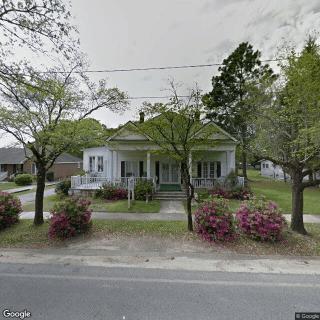
Byrd's Country Living Pch in Statesboro is best suited for families seeking a warm, home-like assisted living experience where staff are consistently described as caring and daily life centers on connection, comfort, and personal attention. The strongest signals from the available feedback point to a setting that feels inviting from entry to meals, with bright spaces and a welcoming demeanor. For residents who prize social engagement, dependable dining experiences, and an active calendar, this community offers a compelling fit that can deliver peace of mind through a sense of belonging and steady routine.
There is a clear caveat for families who demand fully transparent governance and highly predictable operations. Some reviewers flag an open-door policy in name but not in practice, along with scheduling communications that can feel unreliable or last-minute. Others describe a culture where raising concerns may carry social risk, which can undermine trust in management and trickle down to resident experience. For those who prioritize an uncompromised, open feedback loop and a straightforward, consistently executed schedule, alternatives with a sharper emphasis on governance and staff accountability may be worth a closer look.
The strength of the community’s day-to-day life sits at the core of its appeal. The pros, genuine, attentive staff; a home-like atmosphere; and a dining program that residents rave about, often offset the noted governance quirks. Families frequently report that caregivers treat residents with warmth and respect, creating a sense of family-like living rather than clinical separation. The facility’s cleanliness and décor contribute to an overall impression of care and comfort, while activity offerings fill the days with meaningful engagement, social interaction, and opportunities to pursue hobbies, exercise, and friendships.
A standout theme across reviews is the quality of interaction between residents and staff, and the way programming is designed to keep people connected. When staff are praised for going “above and beyond” and for making residents feel truly known, the emotional and social benefits can be substantial. The sense that staff remember preferences, celebrate milestones, and facilitate varied activities, paired with the appeal of a well-designed environment, helps residents maintain independence longer and reduces isolation. For families, this combination often translates into confidence that a loved one is cared for with dignity and enthusiasm.
The potential downsides deserve careful consideration in decision-making. The concerns about governance culture and scheduling reliability are not trivial; they can affect day-to-day life and perceived safety, particularly for residents who lean on consistent routines or who require quick, clear communication in emergencies. These factors do not erase the positives, but they do demand proactive management: insist on a transparent escalation path, request written schedules and reminders, and seek assurances about staffing levels and turnover. Understanding how feedback is handled in practice, who the go-to person is, how quickly issues are resolved, and how residents’ voices are incorporated, will be decisive.
In practice, families weighing Byrd's against nearby options should focus on governance clarity, staff stability, and the actual lived experience of residents. If Byrd's can demonstrate a robust, transparent feedback mechanism, consistent scheduling practices, and a culture that supports caregivers and residents alike, it will align strongly with those prioritizing warmth, community, and dependable daily life. If openness, predictability, and a clearly empowered resident-rights framework are non-negotiable, it may be prudent to compare alternative communities that foreground these attributes more explicitly. In the end, a thorough, in-person tour, observing staff interactions, requesting a sample menu, and meeting the activities team, will reveal whether Byrd's aligns with the family’s goals and the resident’s needs.
 5 resident community capacity
 Assisted Living
 Board and Care Home
 Cable or satellite TV
 Dining room
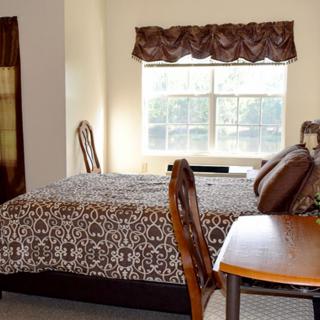
 Fully furnished
 Garden
 Housekeeping services
 Move-in coordination
 Outdoor space
 Telephone
 Wi-Fi/high-speed internet available
 24-hour supervision
 Activities of daily living assistance
 Assistance with bathing
 Assistance with dressing
 Assistance with transfers
 Diabetes diet
 Meal preparation and service
 Medication management
 Special dietary restrictions
 Transportation arrangement (medical)
 Transportation to doctors appointments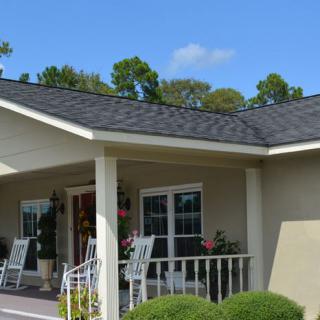


 Medicare Coverage for Assisted Living: An In-Depth Exploration
 Choosing the Right Senior Care: A Detailed Exploration of Assisted Living and Nursing Homes
 Understanding the True Cost of Assisted Living in 2025: A Comprehensive Guide