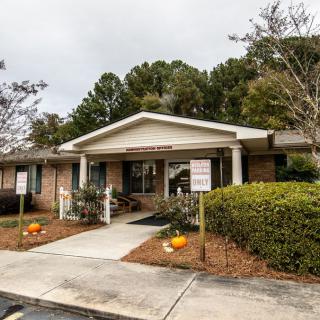
Scepter Senior Living Center

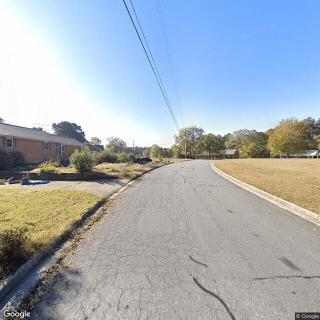
3000 Lenora Church Road, Snellville, GA 30078

For more information about senior living options: (844) 490-3973

2 from 40 reviews
5 stars
6
4 stars
4
3 stars
0
2 stars
4
1 stars
26

Assisted Living Independent Living Respite Care Skilled Nursing Facility

What level of care are you interested in?

Assisted Living

Memory Care

Independent Living

Skilled Nursing Facility

Continuing Care Retirement Community (CCRC)CCRC

Other


Request a tour at Scepter Senior Living Center

    Overall Review of Scepter Senior Living Center

    Pros

    • pro The place has been described as awesome by multiple reviewers.
    • pro The therapy and therapists were praised as excellent.
    • pro The rehab side at Parkside was described as doing a great job and very caring.
    • pro The staff were receptive and kept the family informed, helping the patient recover enough to go home.
    • pro The therapists and nursing staff were credited with helping a patient regain mobility significantly.

    Cons

    • pro The reviewers claim the facility will kill loved ones and should be avoided.
    • pro They allege negligence led to their grandfather's death and that deaths are being covered up.
    • pro Management allegedly tried to report families for elder abuse to authorities in order to shut them down.
    • pro The facility reportedly smells of bedpans and urine and has not been cleaned for weeks.
    • pro There is extreme understaffing (one nurse for every 20 patients) with aides not helping.
    • pro The staff are perceived as uncaring; residents are left dirty and in soiled conditions, with bedsore concerns cited.
    • pro The long-term wing is described as a "shithole" with minimal care and bad odors.
    • pro A resident fell and suffered a stroke due to inadequate safety and care.

    Review

    A steady thread running through this collection of reviews is a deep and troubling dissatisfaction with the quality of care, cleanliness, and day-to-day operations at several related elder-care facilities. The writers describe environments where odors, unsanitary conditions, and a sense of neglect are common, and where families feel compelled to intervene to secure basic dignity and safety for their loved ones. The assessments are not uniform - some reviewers report brief, positive impressions of certain staff or therapy programs - but the dominant impression across observations and anecdotes is one of frustration, alarm, and in some cases outright horror at what was endured or witnessed.

    Many accounts center on cleanliness and hygiene as a primary concern. Reviewers describe rooms that reek of urine and filth, unclean bed pads and linens, and a pervasive sense that basic sanitation is not being prioritized. One reviewer notes bed pans and bed pads not being changed for weeks, while another describes walking into a facility where the air itself seems heavy with the odor of bodily waste. In several stories, residents are left unassisted for long stretches, with caregivers appearing disengaged or distant, and instances of soiled clothing or soaked bedding being left unattended for too long. These conditions are framed not as occasional lapses but as a pattern that calls into question the daily standard of care.

    Staffing and supervision emerge as another major source of concern. Multiple writers describe an aging, overburdened workforce with insufficient nursing coverage - "one nurse for every 20 patients" is cited by one reviewer - yet with staff who retreat behind the nurses' station or appear absorbed in phones rather than attending to residents. The absence of supervisory presence is repeatedly mentioned, with families forced to advocate directly for basic needs like timely medication and proper transfers. There are also complaints about disorganization and miscommunication, with suggestions that there is a disconnect between what residents need and what staff are prepared or able to provide, sometimes leading to dangerous delays in care.

    The ethical and financial dimensions of care are invoked as well. Some reviewers suggest a troubling incentive structure, arguing that the facility prioritizes moving patients from rehab to long-term care to sustain revenue rather than to optimize patient outcomes. The costs cited - "$200+ a day" for a facility that many feel does not meet basic standards - are seen as incompatible with the level of care received. There are even insinuations that money considerations drive decisions about patient placement, which in turn influences the quality and immediacy of care provided. These observations contribute to a broader sense of skepticism about the facility's mission and priorities.

    The most serious allegations concern patient harm and neglect. A number of writers allege negligent conditions that contributed to serious injuries, decline, or death. Stories range from bedsore neglect and dehydration to improper handling that allegedly exacerbated health problems, with some reviewers attributing severe outcomes to the quality of care or lack of timely intervention. One family describes a relative dying in the facility's care, another recounts a grandmother who suffered a fall and subsequent stroke after transfer, and others speak of ongoing neglect and poor monitoring that may have worsened patients' conditions. While these are personal accounts and not verified clinical conclusions, they collectively fuel a powerful impression of risk and danger in these settings.

    Interwoven with the negative experiences are pockets of more favorable or mixed feedback. A number of reviewers highlight that the rehab therapy and some therapists are exemplary, and that certain staff members or departments deliver compassionate and effective care. Some families report responsive communication, successful rehabilitation progress, or positive interactions with therapists and nursing staff. In places labeled Parkside, Park Place, Parkwood, or Scepter, there are mentions of dedicated teams that seemed to understand the patients' needs, even if the overall facility environment or administrative practices left much to be desired. These positive notes are not enough to overturn the prevailing concerns, but they illustrate that experiences can vary by unit, shift, or individual caregiver.

    In the end, the mosaic of testimonials paints a complex and highly polarized picture of several facilities in this network. The most consistent themes center on cleanliness issues, staffing shortages and supervision gaps, perceived misalignment between financial objectives and patient welfare, and serious concerns about patient safety and dignity. A number of reviewers also indicate that state-level investigations or oversight has been or should be triggered, underscoring the seriousness with which families view these problems. While a few voices speak to competent therapy services or positive personal interactions, the dominant narrative is one of alarm and the urgent need for fundamental improvements in care quality, accountability, and resident well-being.

    Features

    Housing

    • 78 resident community capacity 78 resident community capacity

    Types of Care

    • Assisted Living Assisted LivingAssisted living facilities provide crucial support and care for seniors who may need help with daily tasks such as medication management, bathing, and meal preparation. These communities offer a safe and comfortable environment where seniors can maintain their independence while receiving the assistance they need to thrive in their golden years.
    • Independent Living Independent LivingIndependent living communities are important for seniors because they offer a safe and supportive environment where older adults can live independently while still having access to amenities and services that enhance their quality of life. These communities provide social opportunities, recreational activities, and assistance with daily tasks, promoting overall well-being and allowing seniors to maintain their independence for as long as possible.
    • Respite Care Respite CareRespite care provides temporary relief for caregivers, allowing them to recharge and attend to their own needs. It also gives seniors the opportunity to socialize, receive professional care, and experience a change of scenery, promoting overall well-being and reducing feelings of isolation.
    • Skilled Nursing Facility Skilled Nursing FacilitySkilled Nursing Facilities are crucial for seniors as they provide round-the-clock medical care, rehabilitation services, and assistance with daily activities. These facilities ensure that seniors receive the specialized care they need to maintain their health and well-being as they age.

    Amenities

    • Air-conditioning Air-conditioningAir conditioning is important for seniors as they are more vulnerable to heat-related illnesses and may have underlying health conditions that make it difficult for them to regulate their body temperature. It helps to keep them comfortable, safe, and healthy in hot weather.
    • Beauty salon Beauty salonBeauty salons are important for seniors because they provide a space for them to feel pampered, socialize, and maintain their personal grooming and hygiene. Regular visits to a beauty salon can help boost seniors' self-esteem and overall well-being.
    • Cable or satellite TV Cable or satellite TVCable or satellite TV is important for seniors because it provides entertainment, news, and companionship, helping to combat loneliness and boredom. It also offers a wide range of programming options tailored to different interests and preferences.
    • Computer center Computer centerA computer center is essential for seniors as it provides access to technology, communication tools, and resources that can enhance their daily lives. It allows them to stay connected with loved ones, engage in online activities, and learn new skills, ultimately promoting socialization and mental stimulation.
    • Dining room Dining roomDining rooms are important for seniors as they provide a space for socialization, connection, and nutritious meals. They offer opportunities for residents to bond over shared meals, foster a sense of community, and promote healthy eating habits. Dining rooms also ensure that seniors have access to well-balanced meals tailored to their dietary needs and preferences.
    • Fitness room Fitness roomHaving a fitness room in a senior living community is essential for seniors to stay active, maintain their physical health, and improve their overall well-being. Regular exercise can help prevent falls, reduce the risk of chronic diseases, and promote mental sharpness. It also provides social opportunities for residents to connect with others and enjoy a sense of community.
    • Fully furnished Fully furnishedFully furnished senior living communities are important for seniors because they provide convenience, comfort, and a hassle-free moving experience. Seniors can easily settle into their new living space without the stress of having to buy and move furniture. This allows them to focus on enjoying their new home and community.
    • Gaming room Gaming roomGaming rooms are important for seniors as they provide a fun and engaging environment for socializing, cognitive stimulation, and physical activity. Games can improve memory, problem-solving skills, and overall mental well-being while fostering friendships and reducing feelings of isolation.
    • Garden GardenGardens are important for seniors as they provide a peaceful and therapeutic environment for relaxation, physical activity, and socialization. Being in nature has been shown to reduce stress, improve mood, and promote overall well-being. Gardens also offer opportunities for seniors to engage in gardening activities, which can improve mobility, flexibility, and cognitive function. Additionally, gardens create a sense of community and connection with others who share a passion for plants and outdoor spaces.
    • Housekeeping services Housekeeping servicesHousekeeping services are important for seniors because they help maintain a clean and safe living environment, promote independence, and reduce the risk of accidents or illnesses. Additionally, having assistance with household chores can alleviate physical strain and allow seniors to focus on other aspects of their well-being.
    • Kitchenette KitchenetteKitchenettes are important for seniors living in senior living communities because they provide the convenience and independence of being able to prepare simple meals and snacks in the comfort of their own living space. This can help promote a sense of autonomy and well-being for seniors, allowing them to maintain some level of control over their dietary choices and daily routines.
    • Move-in coordination Move-in coordinationMove-in coordination is important for seniors because it helps ease the transition into their new living environment. It ensures that all logistics, such as packing, organizing movers, and setting up utilities are taken care of, allowing seniors to focus on settling in and adjusting to their new home. Having a smooth move-in process can alleviate stress and anxiety, making the transition smoother and more enjoyable for seniors.
    • Outdoor space Outdoor spaceOutdoor spaces are important for seniors as they provide opportunities for physical activity, social interaction, exposure to natural light and fresh air, and a sense of connection to nature. Having access to outdoor spaces can improve overall well-being and quality of life for older adults living in senior communities.
    • Private bathrooms Private bathroomsPrivate bathrooms are important for seniors in senior living communities because they provide independence, dignity, and comfort. Having a private bathroom allows seniors to maintain their personal hygiene routines without the need for assistance, promoting a sense of autonomy and privacy. Additionally, private bathrooms help prevent the spread of infections and provide a safe and clean environment for seniors to navigate safely.
    • Restaurant-style dining Restaurant-style diningRestaurant-style dining is important for seniors because it allows them to enjoy delicious, nutritious meals in a social and upscale setting. This enhances their dining experience, promotes healthy eating habits, and fosters socialization with fellow residents, ultimately contributing to their overall well-being and quality of life.
    • Small library Small librarySmall libraries are important for seniors as they provide access to a variety of reading materials, including books, newspapers, and magazines. This can help stimulate their minds, keep them engaged, and provide a sense of community through book clubs and other social activities. Additionally, reading has been shown to improve cognitive function and overall mental well-being in older adults.
    • Telephone TelephoneTelephones are important for seniors as they provide a lifeline for communication with loved ones, emergency services, and healthcare providers. They offer a sense of security and independence, enabling seniors to stay connected and access assistance when needed.
    • Wellness center Wellness centerWellness centers are important for seniors because they offer a variety of programs and services that promote physical, mental, and emotional well-being. These centers provide opportunities for exercise, socialization, education, and relaxation, helping seniors maintain their overall health and quality of life.
    • Wi-Fi/high-speed internet available Wi-Fi/high-speed internet availableWi-Fi/high-speed internet is important for seniors to stay connected with loved ones, access online resources, and participate in virtual activities to combat feelings of loneliness and isolation. It also allows them to easily manage healthcare needs, access entertainment, and engage in lifelong learning opportunities.

    Transportation

    • Community operated transportation Community operated transportationCommunity operated transportation is crucial for seniors as it provides them with the means to access essential services, social activities, and medical appointments. It allows seniors to maintain their independence and quality of life by ensuring they can participate in activities outside of their homes. Additionally, community-operated transportation services offer a safe and reliable way for seniors to travel without having to rely on family or friends for assistance.
    • Transportation arrangement Transportation arrangementTransportation arrangements are crucial for seniors as they may face challenges with driving, mobility, or access to public transportation. Having reliable transportation services ensures that seniors can easily attend appointments, social activities, and maintain their independence and quality of life.
    • Transportation arrangement (non-medical) Transportation arrangement (non-medical)Transportation arrangements are essential for seniors as they provide access to essential services, activities, and social interactions outside the home. This service helps maintain independence, mobility, and overall well-being for seniors who may have limited transportation options.
    • Transportation to doctors appointments Transportation to doctors appointmentsTransportation to doctors appointments is crucial for seniors as it ensures they have access to necessary medical care and support, promoting their health and well-being. It allows them to receive timely treatment, monitor existing conditions, and address any new health concerns efficiently. Additionally, transportation services can help seniors maintain their independence and quality of life by enabling them to stay connected with their healthcare providers.

    Care Services

    • 12-16 hour nursing 12-16 hour nursing12-16 hour nursing care is crucial for seniors in order to ensure around-the-clock monitoring, timely medication administration, and prompt response to any health concerns or emergencies. This level of care helps to promote the overall well-being and safety of seniors living in senior living communities.
    • 24-hour call system 24-hour call system24-hour call systems are important for seniors because they provide peace of mind and immediate assistance in case of emergencies. This technology ensures that help is always available, promoting safety and security for elderly individuals living alone or in assisted living facilities.
    • 24-hour supervision 24-hour supervision24-hour supervision is important for seniors to ensure their safety, well-being, and access to immediate assistance in case of emergencies or health issues. This constant support provides peace of mind for both seniors and their loved ones, allowing them to age in place with dignity and security.
    • Activities of daily living assistance Activities of daily living assistanceActivities of daily living assistance are important for seniors because they provide essential support with tasks such as eating, bathing, dressing, and mobility. This assistance helps seniors maintain their independence, dignity, and overall quality of life as they age.
    • Assistance with bathing Assistance with bathingAssistance with bathing is crucial for seniors as it helps maintain personal hygiene, prevents infections, and ensures their overall well-being and comfort. It also provides a sense of dignity and independence for seniors who may struggle with this task on their own.
    • Assistance with dressing Assistance with dressingAssistance with dressing is important for seniors because it helps maintain their independence, promotes personal hygiene, prevents accidents and injuries, and improves overall quality of life. This service ensures that seniors can continue to dress comfortably and confidently, despite any physical limitations they may have.
    • Assistance with transfers Assistance with transfersAssistance with transfers is crucial for seniors as it helps prevent falls and injuries, maintains their independence, and ensures they can safely navigate their living environment. It also provides peace of mind for both seniors and their loved ones.
    • Diabetes diet Diabetes dietA diabetes diet is crucial for seniors as it helps manage blood sugar levels, reduce risks of complications, and improve overall health and well-being. By following a balanced and nutritious diet tailored to their specific needs, seniors can better control their diabetes and enhance their quality of life.
    • Meal preparation and service Meal preparation and serviceMeal preparation and service are crucial for seniors as they may have limited mobility or energy to cook nutritious meals. Having access to healthy and convenient food options can ensure they are getting the proper nutrition needed to maintain their overall health and well-being.
    • Medication management Medication managementMedication management is crucial for seniors to ensure they are taking the right medications at the correct dosages and times. This helps prevent adverse drug interactions, reduces the risk of medication errors, and promotes overall health and well-being. Proactive management also allows for adjustments as needed based on changing health conditions or new prescriptions.
    • Mental wellness program Mental wellness programMental wellness programs are essential for seniors as they promote cognitive stimulation, emotional support, and social engagement. These programs help prevent isolation, depression, and cognitive decline, ultimately enhancing the overall quality of life for older adults.
    • Special dietary restrictions Special dietary restrictionsSpecial dietary restrictions are important for seniors because age-related changes in metabolism and health conditions can make it difficult for their bodies to process certain foods. By following a diet tailored to their specific needs, seniors can maintain their overall health and well-being, manage chronic conditions, and reduce the risk of complications such as malnutrition or food interactions with medications.

    Dining

    • Diabetes diet Diabetes dietA diabetes diet is crucial for seniors as it helps manage blood sugar levels, reduce risks of complications, and improve overall health and well-being. By following a balanced and nutritious diet tailored to their specific needs, seniors can better control their diabetes and enhance their quality of life.
    • Special dietary restrictions Special dietary restrictionsSpecial dietary restrictions are important for seniors because age-related changes in metabolism and health conditions can make it difficult for their bodies to process certain foods. By following a diet tailored to their specific needs, seniors can maintain their overall health and well-being, manage chronic conditions, and reduce the risk of complications such as malnutrition or food interactions with medications.

    Activities

    • Community-sponsored activities Community-sponsored activitiesCommunity-sponsored activities are important for seniors as they provide opportunities for social interaction, mental stimulation, and physical activity. These activities can help improve overall well-being, combat loneliness and isolation, and promote a sense of belonging and purpose among older adults.
    • Concierge services Concierge servicesConcierge services are essential for seniors as they provide assistance with daily tasks and errands, enhance their quality of life by offering convenience and personalized care, and promote a sense of safety and security.
    • Fitness programs Fitness programsFitness programs are crucial for seniors as they help improve strength, flexibility, balance, and overall well-being. Staying active can reduce the risk of chronic diseases, improve mental health, and enhance quality of life in older adults.
    • Planned day trips Planned day tripsPlanned day trips are important for seniors because they offer opportunities for socialization, mental stimulation, and physical activity. They provide a change of scenery and help seniors stay engaged and connected to their community, promoting overall well-being and quality of life.
    • Resident-run activities Resident-run activitiesResident-run activities are important for seniors as they encourage social interaction, creativity, and a sense of autonomy. These activities empower seniors to stay engaged and active in their community while fostering meaningful connections with their peers.
    • Scheduled daily activities Scheduled daily activitiesScheduled daily activities are important for seniors because they provide structure, socialization, mental stimulation, and physical activity. Engaging in regular activities can improve overall well-being and quality of life for seniors living in a community setting.

    Description

    Scepter Senior Living Center in Snellville, GA offers a range of care services and amenities to support the needs and preferences of older adults. The community provides Independent Living, Respite Care, and Skilled Nursing Facility options to accommodate various levels of care.

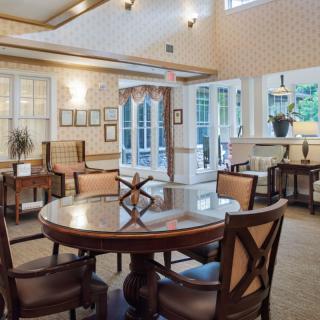
    Residents can enjoy a variety of amenities designed to enhance their daily lives. These include a beauty salon for convenient grooming services, cable or satellite TV for entertainment, community-operated transportation for easy access to nearby areas, and a computer center for staying connected. Dining options are flexible with both restaurant-style dining and kitchenettes available. Housekeeping services ensure a clean living environment, while move-in coordination streamlines the transition process.

    Outdoor spaces and gardens provide opportunities for relaxation and enjoyment of nature. A fully furnished space allows residents to settle in comfortably, while private bathrooms offer convenience and privacy. The small library allows residents to indulge in reading, while the gaming room provides entertainment options. Telephone service is available for communication needs, along with Wi-Fi/high-speed internet connectivity.

    Care services at Scepter Senior Living Center prioritize the well-being of residents. A 24-hour call system ensures help is always within reach, while 24-hour supervision provides constant oversight. Trained staff assist with activities of daily living such as bathing, dressing, and transfers. Medication management promotes proper medication adherence, while meal preparation and service cater to specific dietary needs including diabetes diets and specialty restrictions.

    The community also focuses on mental wellness with a dedicated program designed to support emotional well-being. Transportation arrangements are provided for non-medical purposes as well as transportation to doctors' appointments when needed.

    Residents have plenty of opportunities for engagement through various activities offered at Scepter Senior Living Center. Concierge services are available to cater to individual preferences, fitness programs promote physical health, and planned day trips allow exploration beyond the community grounds. Resident-run activities encourage social interaction among peers, while scheduled daily activities ensure there is always something to participate in.

    With convenient proximity to nearby amenities, residents can easily access three nearby cafes, two parks, and an array of pharmacies, physicians, restaurants, places of worship, and theaters. Scepter Senior Living Center offers a comprehensive assisted living community that prioritizes the comfort, care, and overall well-being of its residents.

    Nearby Places of Interest

    Physicians

    • Carlin Vision (1.4 miles)
    • New Snellville Clinic (1.5 miles)
    • Stephen Fleming, MD (1.5 miles)
    • Nilanee Karikaran, MD (1.6 miles)
    • Shah J J MD Faaos (1.7 miles)
    • Badar H Syed (1.9 miles)
    • Gwinnet Center for Outpatient Surgery (2 miles)

    Restaurants

    • Bruster's Ice Cream (1.5 miles)
    • Waffle House (1.5 miles)
    • Fratelli's Pizza NY Style (2.1 miles)
    • Summits Wayside Tavern (2.4 miles)
    • McDonald's (2.7 miles)
    • El Jinete Mexican Restaurant (2.7 miles)
    • Firehouse Subs (2.8 miles)

    Pharmacies

    • CVS Pharmacy (1.5 miles)
    • Target Pharmacy (2.6 miles)
    • Walgreens (3 miles)
    • Walgreens (3.1 miles)
    • Walgreens (4.5 miles)
    • CVS Pharmacy (4.6 miles)
    • Walgreens (4.9 miles)

    Cafes

    • Panera Bread (2.9 miles)
    • Main Street Restaurant (3.1 miles)
    • Starbucks (4.4 miles)
    • Panera Bread (5.2 miles)
    • Starbucks (5.8 miles)

    Theaters

    • AMC Classic Snellville 12 (2.9 miles)

    Parks

    • Lenora Park (3 miles)
    • Lenora Park Pool (3.3 miles)
    • Alexander Park (5.6 miles)
    • Bay Creek Park (5.9 miles)
    • Mountain Park Park (6.4 miles)

    Places of Worship

    • Bethany Baptist Church (3.5 miles)
    • Shiloh Christian Church (4.1 miles)
    • Berean Bible Church (4.5 miles)
    • Mountain Park United Methodist Church (7 miles)
    • Mountain Park First Baptist Church (7.2 miles)

    Frequently Asked Questions

    Where is Scepter Senior Living Center?

    Nearby Communities

    Related Resources

    • when to move from assisted living to nursing home8 Key Indicators That Suggest It May Be Time to Transition from Assisted Living to Skilled Nursing Care

      The transition from assisted living to skilled nursing care is often prompted by complex medical needs that assisted living cannot meet, with key indicators including frequent health declines, increased falls, severe memory issues, and caregiver burnout. Families should recognize these signs early to discuss options with healthcare providers and prepare for the emotional and logistical aspects of moving to a facility that offers comprehensive medical support.

    • active senior livingVibrant Senior Living: A Comprehensive Guide for Active Older Adults

      Vibrant Senior Living emphasizes active senior living communities that promote independence and engagement through diverse amenities and activities, fostering wellness and social interaction among older adults. These communities range from independent to assisted living, with a focus on personal growth, family involvement, financial planning, and leveraging technology to enhance residents' experiences.

    • when to move from assisted living to memory careWhen to Transition from Assisted Living to Memory Care: Key Indicators, Steps, and Finding the Right Community

      Transitioning from assisted living to memory care is driven by an individual's cognitive decline and specific needs, requiring careful evaluation of indicators like increased confusion and wandering. The process involves consulting medical professionals, researching suitable communities, considering financial and legal aspects, and ensuring effective communication for personalized care plans.


    Get Pricing Ask A Question Schedule A Tour Contact Senior Advisor