

3047 Sonya Lane, Snellville, GA 30078
To contact a resident: (678) 395-5333
For more information about senior living options: (866) 208-4318
High Hope Personal Care Home Costs & Pricing
High Hope Personal Care Home offers competitive pricing for its services compared to both Gwinnett County and the broader state of Georgia. For a semi-private room, residents at High Hope benefit from a monthly cost of $1,200, which is significantly lower than the county's average of $2,530 and almost half of the state average of $2,529. Similarly, those opting for a private room at High Hope will pay $2,000 per month, again providing considerable savings compared to Gwinnett County's rate of $2,551 and Georgia's higher average of $2,864. This pricing structure reflects High Hope's commitment to affordable care while maintaining quality accommodations and support for its residents.
| Floor plans | High Hope Personal Care Home | Gwinnett County | Georgia |
|---|---|---|---|
| Semi-Private | $1,200 | $2,530 | $2,529 |
| Private | $2,000 | $2,551 | $2,864 |
Senior living communities with a similar price nearby
-
About the same

Serenity Gardens Personal Care Home
$1,200 to $2,000 / month23.1 miles away -
About the same

Kelly Lake Manor PCH
$1,200 / month17.7 miles away -
About the same
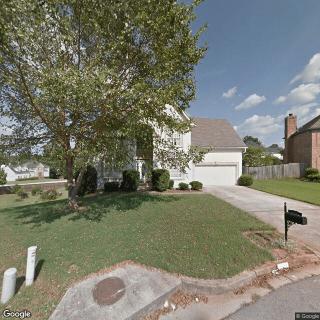
Ebenezer Family Home
$1,200 to $1,500 / month17.9 miles away -
from +$150 / mo
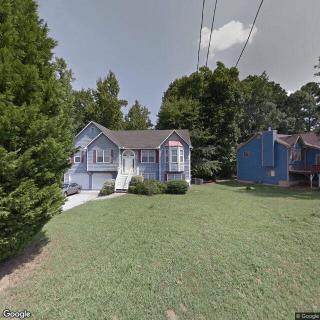
Le'glen Personal Care Home
$1,350 to $2,150 / month20.7 miles away -
About the same

Felicia's Personal Care home
$1,200 to $1,500 / month8.1 miles away
Overall Review of High Hope Personal Care Home
Pros
 Hope Private Care is a great company with understanding.
- They offer all in-home health care management needs and coordinate services through a single provider, simplifying life.
- Their support team provides professional, compassionate, and dedicated care.
- Hope Private Care's commitment to exceptional in-home care truly makes a difference.
- The caregivers are professional, loving, compassionate, empathetic, reliable, trustworthy, and thorough.
- Clients highly recommend Hope Private In-Home Care for their quick response and caring staff.
- The staff are described as going above and beyond, with some noting Christian values.
- Miss Obi is wonderful and provides attentive follow-up.
Cons
 They describe the agency as unorganized, unprofessional, and poorly staffed from the start.
- They note a caregiver left to take another job, claiming they weren’t paid enough there.
- They report the home was left dirty and unsafe (hair, false nails, dirty carpet) and the caregiver reportedly yelled and abandoned the patient without water or medicine.
- They were charged $575 for damages and received little to no response from the company.
- They recount aides lacking formal training, with some not knowing how to transfer or care for dementia patients, and others lying to cover up mistakes.
- They describe repeated late arrivals, no-shows, and poor communication about scheduling, making the service unreliable.
- They feel the agency is not trustworthy with loved ones and view the operations as a money grab amid persistent issues.
Review
High Hope Personal Care Home in Snellville is best suited for families seeking a small, home‑like assisted living setting where relationships with caregivers matter and where a close, faith‑driven care team can become a trusted partner in daily support. The strongest hold of this community lies in the personal attention delivered by caregivers who are described as compassionate, dedicated, and genuinely caring. When the care team works well, families report a sense of continuity and warmth that makes a real difference in daily living, with staff and front-office personnel who are praised for going above and beyond. For residents who want to minimize the institutional feel and prefer a setting where staff know them by name, High Hope can feel like a natural extension of home, not a classroom or hospital wing.
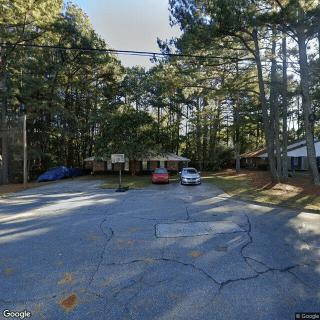
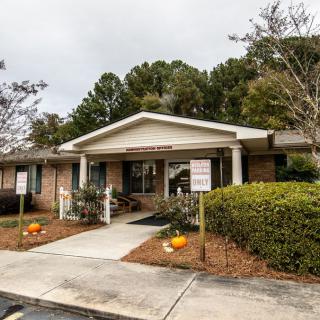
But there are clear reasons to consider alternatives, especially for families prioritizing consistent staffing and watertight operational reliability. The reviews reveal real gaps in scheduling reliability and caregiver consistency, with instances of late arrivals, early departures, or even staff turnover that leaves families scrambling for coverage. Several accounts describe unprofessional or inadequately trained aides, mixed quality across shifts, and communication breakdowns that left families feeling out of the loop. For households managing complex medical needs, or for those requiring guaranteed 24/7 coverage, the variability highlighted in the reviews raises legitimate caution. The home’s small, duplex-style footprint can also feel cramped for some residents, suggesting that the physical space may not suit every care plan or comfort preference.
The most persuasive pro‑offset comes from the human side of care: when the team functions smoothly, the care philosophy is robust. Positive reports consistently spotlight caregivers who are not only capable but also emotionally present, staff who remember preferences, decorate for special occasions, and maintain a respectful, supportive demeanor. The ability to coordinate all in‑home services through a single provider eliminates a lot of administrative friction and helps families stay aligned with a unified care plan. Several reviews highlight staff members who embody reliability and devotion, and a number of longtime clients emphasize how this provider’s team can cultivate trust over years of service. In those moments, the offset between strengths and occasional lapses becomes meaningful, translating into fewer family burdens and more steady daily routines.
Nevertheless, the plain‑spoken reality remains: inconsistency in staffing and management can undermine even the best intentions. The most vivid criticisms center on unorganized operations, inconsistent caregiver training, late or no‑show visits, and reports that some aides lack formal training for essential tasks. There are also troubling anecdotes about poor communication with families after problems arise, and even a few disputes over billing or damages. When a family’s trust hinges on a dependable, professional team, these recurring gaps become nontrivial risks. The risk is not simply inconvenience; it is potential harm if critical needs such as medication administration, transfers, or safety monitoring are mishandled, especially during caregiver turnover or coverage gaps.
To navigate these dynamics, the prudent course is to leverage High Hope’s strengths while implementing a rigorous oversight plan. Prospective residents and families should insist on a dedicated care manager, a stable caregiver roster, and a clearly defined shift schedule with back‑ups in place. Require a tangible, written care plan that specifies who will provide which tasks, the expected response times, and the escalation process if a caregiver is late or unavailable. Demand transparent billing practices, explicit policies on training and supervision, and a commitment to regular updates, preferably through a reliable communication system that keeps the family informed without delay. In short, the community works best when oversight is proactive, not reactive, with a plan to maintain continuity across caregivers and to address gaps before they affect daily safety and comfort.
For families weighing options, High Hope stands out as a potential fit for those who prize personable, relationship‑driven care and are prepared to safeguard against staffing variability with concrete guarantees. Alternatives are worth considering for those who cannot tolerate sporadic coverage, require aggressive risk management, or seek a larger care ecosystem with more predictable scheduling. Visitors should compare this community against other small homes and against larger in‑home care agencies with demonstrated track records for staffing stability and rigorous training. The ultimate decision rests on balancing the appeal of a warm, intimate setting against the demand for reliable, consistently high‑quality care, and ensuring both are backed by a clear, enforceable plan that protects a loved one’s safety, dignity, and daily peace of mind.
 Board and Care Home
 Private
 Diabetic care



 Navigating Medicare Coverage for In-Home Care Services
 In-Home Care Costs in 2025: A Detailed State-by-State Exploration
 Understanding Home Health Care: A Comprehensive Guide