
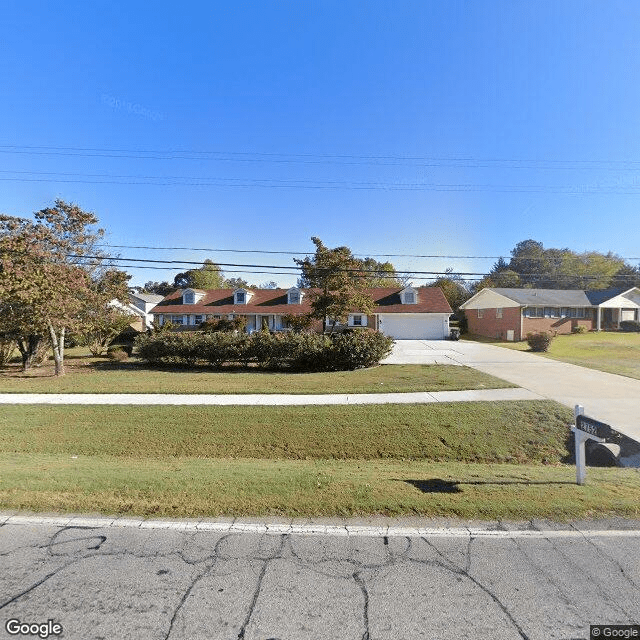
2752 Skyland Dr., Snellville, GA 30078
To contact a resident: (678) 691-3676
For more information about senior living options: (866) 208-4318
Samuda's Personal Care Home Costs & Pricing
Samuda's Personal Care Home offers competitively priced accommodations, with monthly rates for a semi-private room at $1,500 and a private room at $2,000. These figures stand in stark contrast to the average costs within Gwinnett County, where similar semi-private arrangements are around $2,530 and private rooms reach approximately $2,551. Even more broadly across Georgia, the average costs escalate further to about $2,529 for semi-private and $2,864 for private rooms. This positioning not only highlights Samuda's affordable options but also reflects a commitment to providing quality care without compromising on financial accessibility for families seeking long-term personal care solutions.
| Floor plans | Samuda's Personal Care Home | Gwinnett County | Georgia |
|---|---|---|---|
| Semi-Private | $1,500 | $2,530 | $2,529 |
| Private | $2,000 | $2,551 | $2,864 |
Senior living communities with a similar price nearby
-
About the same
Americare Group
$1,500 / month13.1 miles away -
from -$150 / mo
Le'glen Personal Care Home
$1,350 to $2,150 / month21.2 miles away -
About the same
Harmony Home Care
$1,500 to $2,100 / month5.1 miles away -
About the same
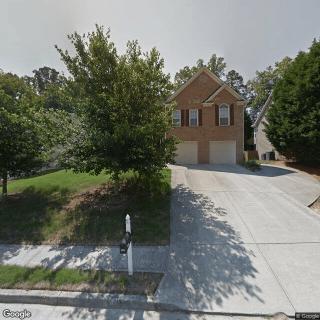
Tender Life Estate
$1,500 to $1,800 / month16.9 miles away -
from +$215 / mo
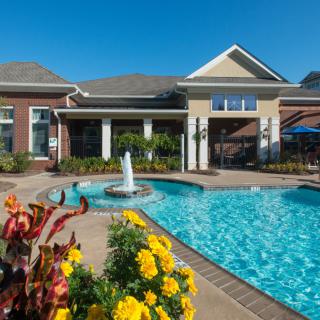
Park at Johns Creek
$1,715 to $2,115 / month18.3 miles away
Overall Review of Samuda's Personal Care Home
Pros
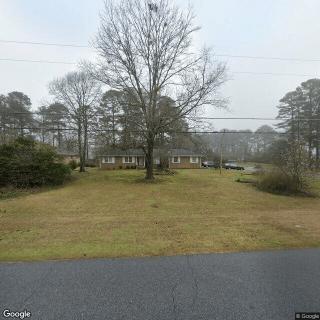
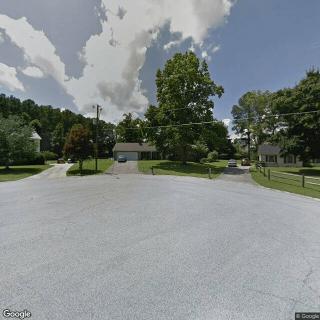
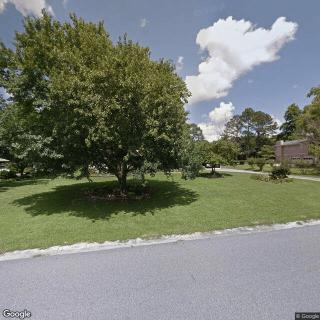
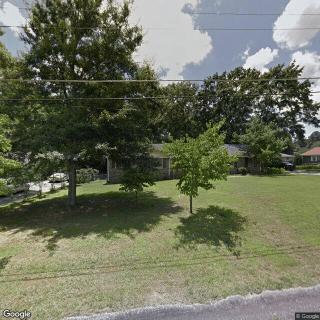
 The place is nice-looking.
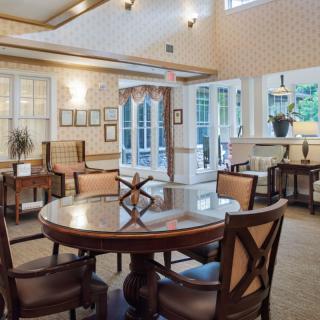
- The home is very large with lots of comfortable space.
- It has an enclosed back porch.
- The home is nicely decorated and very clean.
- The residents look comfortable.
Cons
 The reviewer was not pleased with this place at all.
- The lady did not seem qualified to care for a blind person when interviewed.
- If someone needs special care, this might not be the place for them.
- The experience with Samuda's was not a good one.
- The loved one was not comfortable there at all.
- The caregivers were not very personable; they were distant and not friendly.
- For the money paid, the food was very subpar, consisting of lots of bologna sandwiches.
Review
Samuda’s Personal Care Home in Snellville is best suited for seniors who want a spacious, home-like environment with tidy, well-kept surroundings and an emphasis on resident comfort. The property reads as a large, nicely decorated house with ample space and a covered back porch, which can feel secure and private for residents who value independence within a residential setting. It works best for individuals who do not require intensive, specialized care or constant hands-on attention beyond basic physical support.
Those who need highly specialized services or rapid, responsive caregiving should seriously consider alternatives. The reviews repeatedly flag concerns about staff qualifications for complex needs, including vision impairment, and question whether caregivers have the appropriate training to manage nuanced daily challenges. Prospective families should be wary if the resident requires specialized care, such as visual impairment support, or if a strong emphasis on person-centered engagement is a non-negotiable criterion. For households prioritizing strong clinical oversight and highly attentive, personable interaction, other communities are likely to deliver more consistent outcomes.
On the plus side, the facility’s physical footprint is an asset. A very large home with substantial space, an enclosed back porch, and overall cleanliness creates an impression of safety, movement room, and a comfortable living environment. If a resident thrives in a calm, orderly, and aesthetically pleasing setting, this environment can help reduce stress and support familiar routines. The visible cleanliness and the sense that residents look comfortable should not be dismissed, especially for families who equate a peaceful atmosphere with dignity and everyday ease.
However, the biggest gaps lie in care quality and daily interaction. Reviewers describe caregivers as distant and not particularly personable, with care focused on meeting basic physical needs but lacking warmth, engagement, or proactive communication. That lack of connection can leave a resident feeling unseen or neglected, which bluntly undermines the benefits of a spacious, clean home. When staff relationships are weak and responsiveness is inconsistent, even a pleasant physical setting struggles to compensate for emotional and social needs that matter deeply to seniors and their families.
Cost appears to be a distinct concern as well. Comments indicate that the value proposition is misaligned with expectations, with remarks about subpar food relative to the price and particular dissatisfaction with the overall care experience given the rate. For families, this combination of high cost and limited perceived return on investment is a red flag that should drive careful negotiations, explicit pricing questions, and a clear demonstration of meal quality, activity programming, and staff responsiveness before committing.
In the end, Samuda’s Personal Care Home presents a clear trade-off: a comforting, well-kept, spacious residential setting that may appeal to residents who prize ambiance and autonomy, weighed against inconsistent caregiving quality and limited perceived value. Families choosing this community should go in with a precise, non-negotiable checklist for staff qualifications, care capabilities for any special needs, meal quality, and resident engagement. Prioritize visits that include candid conversations with current residents and staff, request specific examples of how familiar daily activities are supported, and push for transparent ratios and caregiver-to-resident assignments. If the resident requires meaningful, proactive care and consistent warmth, this is a decision that merits exploring alternatives rather than settling for a space that looks inviting but does not deliver on the essential daily-care promises.
 Board and Care Home
 Private
 Diabetic care

 Exploring Palliative Care in the Home: A Comprehensive Overview
 Comprehensive Insights into Palliative Home Care: What It Is and What to Expect
 Skilled Nursing Facilities vs. Nursing Homes: Making Sense of the Differences