
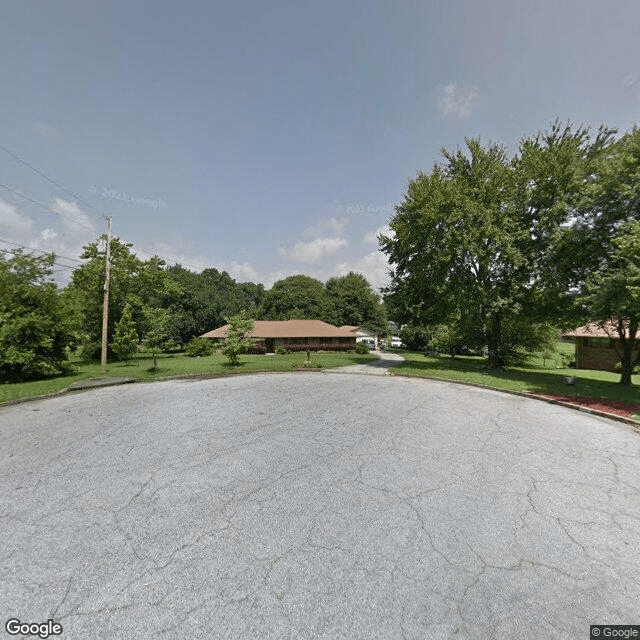
2013 Chancellor Court, Snellville, GA 30078
For more information about senior living options: (866) 208-4318
Jc Divine Personal Care Home Costs & Pricing
At Jc Divine Personal Care Home, the monthly costs for accommodations are notably competitive when compared to both Gwinnett County and the broader state of Georgia. For a private room, residents can expect a cost of $2,000, which is significantly lower than the county average of $2,551 and the statewide rate of $2,864. Similarly, for a one-bedroom unit, the price aligns with the private room at $2,000 - markedly more affordable than Gwinnett County's average of $3,647 and Georgia's overall average of $3,412. This pricing structure not only underscores Jc Divine's commitment to providing quality personal care but also highlights its attractive positioning in a market where affordability is increasingly essential for potential residents and their families.
| Floor plans | Jc Divine Personal Care Home | Gwinnett County | Georgia |
|---|---|---|---|
| Private | $2,000 | $2,551 | $2,864 |
| 1 Bedroom | $2,000 | $3,647 | $3,412 |
Memory care communities with a similar price nearby
-
from +$100 / mo
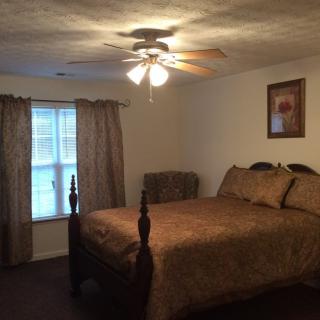
Abiding Care Home
$2,100 / month19.6 miles away -
About the same

Omni Adult Day Care
$2,000 to $3,000 / month10.0 miles away -
from +$300 / mo

Comfort Care Personal Care Home
$2,300 / month7.1 miles away -
from +$200 / mo
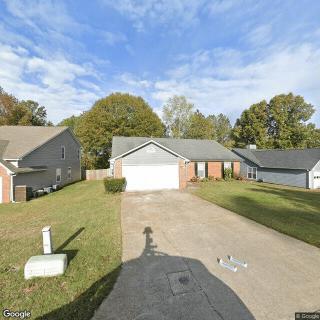
Lia's Personal Care Home
$2,200 to $2,500 / month10.7 miles away -
from +$200 / mo
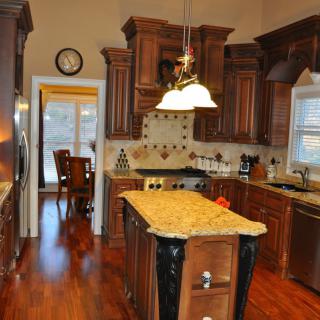
Angels Garden Senior Communities
$2,200 to $2,600 / month14.1 miles away
Overall Review of Jc Divine Personal Care Home
Cons
 The director was not there when they arrived.
- The director had her teenage son left in charge to give the tour.
- The reviewer was not impressed with the facility.
Review
This community appears best suited for families seeking a small, home‑style environment where care is intimate and less institutional, and where strong, on‑site leadership is not a hard requirement. The available feedback paints a picture of a setting that can feel under‑staffed or under‑supervised, rather than professionally polished. In particular, the most concrete takeaway is a moment during a tour when the directing leader was absent and a family member was left to give the tour, which can raise legitimate questions about everyday oversight and accountability.
Those who should consider alternatives are families that place a premium on consistent administrator presence, formal staffing structures, and well‑documented governance. If a resident requires reliable, experienced supervision, quickly accessible management, and a tour experience that reflects a well‑organized operation, this community may fall short. For families prioritizing transparent leadership, licensed oversight, and a clearly defined chain of command, other options will likely offer more reassurance and repeatable quality.
The principal con here is the apparent gap in professional leadership during the tour and, by extension, ongoing supervision. A director who is not on site at key moments and a caregiver role filled by a younger family member can signal potential instability in staffing, training, and responsiveness. That dynamic can translate into slower responses to needs, less consistent care routines, and uncertainties about how emergencies or daily tasks are coordinated. Without explicit evidence of stabilized operations, these concerns tend to dominate the assessment.
Pros, if any, are not evident from the available account, which means the positive offsets typically sought in small, locally run facilities, such as a warm, homelike atmosphere or lower costs, are not demonstrated here. Families evaluating this community should not assume those benefits exist; instead, the absence of visible strengths makes the risk–reward balance heavily weighted toward strong inquiries and verification. The opportunity for a more personalized, less impersonal experience exists in theory, but it remains unsubstantiated without verifiable staff credentials, consistent leadership, and documented care processes.
To move from concern to confident decision, families should insist on a thorough, hands‑on reassessment. Schedule a tour with the administrator present, not just during off‑hours, and request direct answers about staffing models, caregiver qualifications, and on‑site supervision routines. Review state licensing records and the most recent inspection findings, ask for a clear staffing plan with ratios, and request sample care plans and incident logs. If possible, speak with current residents or families of residents to gauge consistency, responsiveness, and satisfaction over time.
Ultimately, this community should be considered only after rigorous due diligence that confirms a stabilized leadership structure and a documented commitment to professional, consistent care. Until those assurances are obtained, families should actively compare other options that demonstrate visible, reliable governance, repeatable care processes, and on‑site leadership at predictable hours. When a decision is made, it should be grounded in concrete proof of staffing stability, administrator engagement, and a transparent operational framework that supports residents’ safety, dignity, and daily well‑being.
 5 resident community capacity
 Assisted Living
 Board and Care Home
 Memory Care
 Cable or satellite TV
 Dining room
 Fully furnished
 Garden
 Housekeeping services
 Move-in coordination
 Outdoor space
 Private
 Telephone
 Wi-Fi/high-speed internet available
 24-hour supervision
 Activities of daily living assistance
 Assistance with bathing
 Assistance with dressing
 Assistance with transfers
 Diabetes diet
 Meal preparation and service
 Medication management
 Special dietary restrictions
 Transportation arrangement (medical)
 Transportation to doctors appointments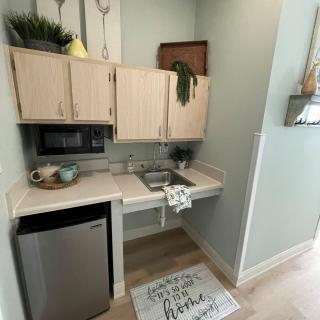
 Friendly, attentive staff with engaging activities and clean facilities.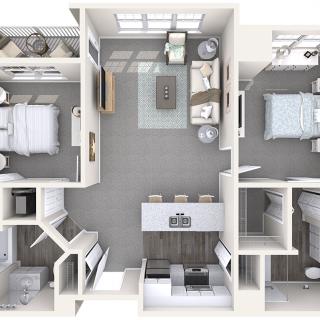

 Comprehending Evening Confusion in Dementia: Causes, Manifestations, and Support
 Delirium and Dementia: Unraveling the Key Differences
 Are Dementia and Alzheimer's Disease Lethal? A Comprehensive Exploration