
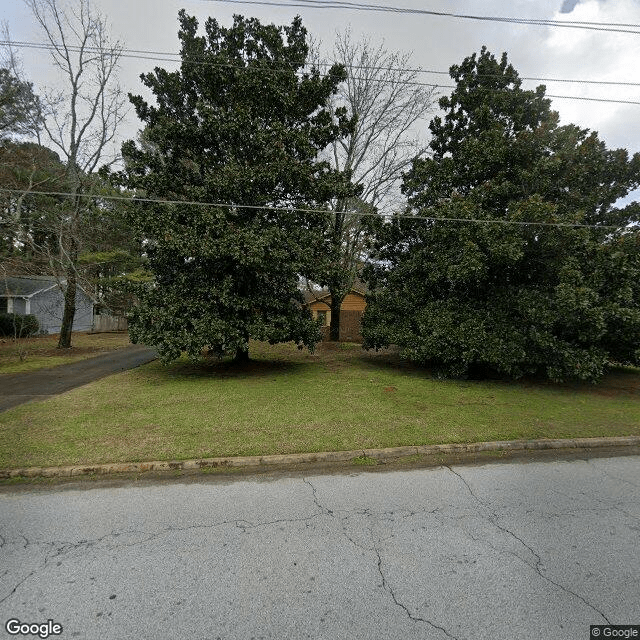
2392 Three Bars Drive, Snellville, GA 30078
To contact a resident: (678) 386-7161
For more information about senior living options: (866) 208-4318
Mildred Woods Costs & Pricing
Mildred Woods offers a competitive rate for private rooms at $1,200 per month, significantly lower than the average costs in Gwinnett County and throughout the state of Georgia. In comparison, Gwinnett County's average for similar accommodations stands at $2,551, while the state-wide average reaches $2,864. This pricing structure not only positions Mildred Woods as an affordable option for prospective residents but also reflects a commitment to providing quality care without placing undue financial strain on families. With such favorable rates, Mildred Woods is well-suited to meet the needs of individuals seeking both comfort and value in their living arrangements.
| Floor plans | Mildred Woods | Gwinnett County | Georgia |
|---|---|---|---|
| Private | $1,200 | $2,551 | $2,864 |
Senior living communities with a similar price nearby
-
About the same
Kelly Lake Manor PCH
$1,200 / month19.2 miles away -
About the same
Ebenezer Family Home
$1,200 to $1,500 / month19.8 miles away -
from +$150 / mo
Le'glen Personal Care Home
$1,350 to $2,150 / month22.4 miles away -
About the same

Felicia's Personal Care home
$1,200 to $1,500 / month6.0 miles away -
from +$200 / mo
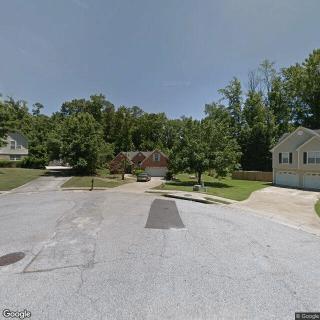
House of Trinity
$1,400 to $1,900 / month5.5 miles away
Overall Review of Mildred Woods
Pros
 The home is very nice and conveniently located.
- The home is very nice and in a convenient location.
Cons
 The reviewer finds the home too independent and lacking meals, structure, and activities.
- The reviewer notes it is too independent and offers no meals, structure, or activities.
Review
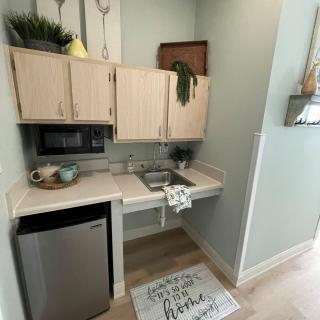
Mildred Woods in Snellville is best for seniors who prize maximum independence wrapped in a warm, home-like setting and want a convenient location. It suits residents who are comfortable cooking their own meals, setting their own pace, and avoiding mandatory programming. The property presents a tidy, inviting atmosphere that feels more like a private residence than a traditional campus, a big plus for anyone prioritizing privacy, quiet, and control over daily routines. In short, this community works when independence is non-negotiable and the senior does not require structured meals, daily activities, or hands-on caregiving.
Those who need daily meals, regular oversight, structured daily activities, or consistent assistance with medications and mobility should look elsewhere. The absence of meals and programming means families should expect self-directed living and a willingness to coordinate services outside the facility. Alternatives to consider include traditional assisted living communities that provide meals, housekeeping, transportation, and a calendar of activities, or independent living options that offer optional services. For individuals with cognitive impairment or higher care needs, a memory care or higher-acuity setting would likely deliver the necessary support.
Two simple but telling positives emerge from what's described: the home-like feel and the convenient location. The “very nice home” signals comfortable, well-kept interiors that reduce the stress of adjusting to a new living situation. The Snellville location offers ready access to local shops, medical services, and community resources, which can ease daily life and family visits. Yet these advantages do not erase the central drawback: the community is deliberately independent, with no meals or structured programming. For many families, that missing framework becomes the deciding factor.
Ultimately, the pros partially offset the appeal for the right resident: a highly autonomous senior with a robust support system at home or in the family can enjoy a low-stress, privacy-forward living arrangement without the overhead of a full-service campus. However, for anyone seeking built-in meals, scheduled activities, social engagement opportunities, or straightforward care oversight, the absence of those elements is a liability that can undermine daily quality of life. The attractive home environment and easy access to nearby services do not compensate enough when the expectation is reliable structure and support.
When evaluating options, families should map the senior’s daily routine and care needs against what Mildred Woods delivers. Critical questions: Is there any on-site assistance or on-call staff? Are there optional meal plans or partnerships with nearby restaurants for convenience? What is the process to arrange transportation, housekeeping, or wellness checks? How will social needs be met if structured activities are not provided? A side-by-side comparison with nearby traditional assisted living or independent living communities will illuminate the gap between independence and care, making the decision clearer.
In the end, Mildred Woods carves out a precise niche: a homelike, conveniently located setting for strongly independent seniors who do not require meals or formal programming. For most families seeking predictable meals, regular engagement, and proactive care management, alternatives offer clearer value. The prudent path is a guided visit to compare apartment layouts, safety features, and any optional services, then weigh ongoing support costs against the peace of mind that comes from reliable structure. If independence is non-negotiable and social or culinary routines can be provided externally, Mildred Woods will satisfy. If not, local traditional assisted living or memory care options should be the primary comparison targets.
 Board and Care Home
 Bath tubs
 Devotional services off-site
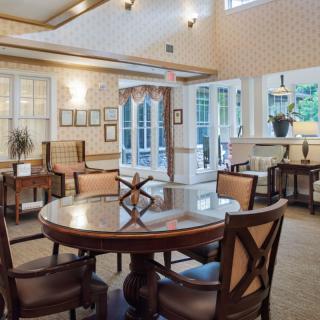
 Indoor common areas
 Outdoor common areas
 Private
 Private bathrooms
 Respite or short term stays offered
 Wheelchair accessible showers
 Ambulatory care
 Diabetic care
 High acuity care
 Incontinence care
 Christian services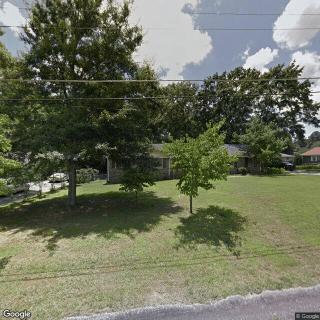

 Navigating Medicare Coverage for In-Home Care Services
 In-Home Care Costs in 2025: A Detailed State-by-State Exploration
 Understanding Home Health Care: A Comprehensive Guide